
What's inside
What's inside
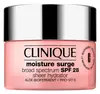 Key Ingredients
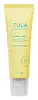
Benefits
Concerns
Ingredients Side-by-side
Butyl Methoxydibenzoylmethane 3%
UV Absorber
Homosalate 7%
Skin Conditioning
Ethylhexyl Methoxycinnamate 7%
UV Absorber
Ethylhexyl Salicylate 4.5%
UV Absorber
Water
Skin ConditioningButylene Glycol
Humectant

Ethylhexyl Methoxycrylene
Skin Conditioning
Butyloctyl Salicylate
Skin Conditioning
Dextrin Palmitate
Emulsifying
Polymethylsilsesquioxane

Glycerin
Humectant
Lactobacillus Ferment Lysate
Skin Conditioning
Aloe Barbadensis Leaf Polysaccharides
Emollient
Sodium Hyaluronate
Humectant

Caffeine
Skin Conditioning
Sodium Polyaspartate
Humectant7-Dehydrocholesterol
Emulsion StabilisingCaprylyl Glycol
Emollient
Acrylates Copolymer
Sorbitol
Humectant
Dimethicone
Emollient
Polyglyceryl-2 Stearate
Emulsifying
Sucrose
Humectant
Saccharide Isomerate
Humectant
Hydroxyethyl Urea
Humectant
PPG-8-Ceteth-20
EmulsifyingSorbeth-30 Tetraisostearate
Emulsifying
Glyceryl Stearate
Emollient
Sorbitan Sesquiisostearate
Emulsifying
Potassium Hydroxide
BufferingCarbomer
Emulsion StabilisingDipropylene Glycol
HumectantDehydroxanthan Gum
Emulsion StabilisingStearyl Alcohol
Emollient
Sodium Polyacryloyldimethyl Taurate
Emulsion StabilisingHexylene Glycol
EmulsifyingAcrylates/Beheneth-25 Methacrylate Copolymer
Acrylates/C10-30 Alkyl Acrylate Crosspolymer
Emulsion StabilisingTocopheryl Acetate
Antioxidant


BHT
Antioxidant
Disodium EDTA
Sodium Citrate
BufferingCitric Acid
Buffering

Potassium Sorbate
Preservative
Sodium Benzoate
Masking
Phenoxyethanol
Preservative
CI 14700
Cosmetic ColorantButyl Methoxydibenzoylmethane 3%, Homosalate 7%, Ethylhexyl Methoxycinnamate 7%, Ethylhexyl Salicylate 4.5%, Water, Butylene Glycol, Ethylhexyl Methoxycrylene, Butyloctyl Salicylate, Dextrin Palmitate, Polymethylsilsesquioxane, Glycerin, Lactobacillus Ferment Lysate, Aloe Barbadensis Leaf Polysaccharides, Sodium Hyaluronate, Caffeine, Sodium Polyaspartate, 7-Dehydrocholesterol, Caprylyl Glycol, Acrylates Copolymer, Sorbitol, Dimethicone, Polyglyceryl-2 Stearate, Sucrose, Saccharide Isomerate, Hydroxyethyl Urea, PPG-8-Ceteth-20, Sorbeth-30 Tetraisostearate, Glyceryl Stearate, Sorbitan Sesquiisostearate, Potassium Hydroxide, Carbomer, Dipropylene Glycol, Dehydroxanthan Gum, Stearyl Alcohol, Sodium Polyacryloyldimethyl Taurate, Hexylene Glycol, Acrylates/Beheneth-25 Methacrylate Copolymer, Acrylates/C10-30 Alkyl Acrylate Crosspolymer, Tocopheryl Acetate, BHT, Disodium EDTA, Sodium Citrate, Citric Acid, Potassium Sorbate, Sodium Benzoate, Phenoxyethanol, CI 14700
Butyl Methoxydibenzoylmethane
UV Absorber
Homosalate
Skin Conditioning
Ethylhexyl Salicylate
UV Absorber
Water
Skin ConditioningButyloctyl Salicylate
Skin Conditioning
Pentylene Glycol
Skin Conditioning
Lactococcus Ferment Lysate
Skin Conditioning
1,2-Hexanediol
Skin Conditioning
Silica
Abrasive


Ectoin
Skin Conditioning
Glycerin
Humectant
Arginine
Masking
Hydroxyectoin
Buffering
Ananas Sativus Fruit Extract
Skin ConditioningCarica Papaya Fruit Extract
Skin ConditioningLactic Acid
Buffering


Camellia Sinensis Leaf Extract
Antimicrobial
Hedychium Coronarium Root Extract
MaskingTriethyl Citrate
Masking
Citrus Aurantium Dulcis Peel Extract
Emulsion Stabilising
Citrus Limon Peel Extract
EmollientPyrus Communis Fruit Extract
Skin ConditioningPyrus Malus Fruit Extract
Skin Conditioning
Rubus Idaeus Fruit Extract
AstringentVanilla Planifolia Fruit Extract
Skin Conditioning
Pimpinella Anisum Fruit Extract
MaskingMica
Cosmetic ColorantTocopherol
Antioxidant
Ammonium Acryloyldimethyltaurate/Vp Copolymer
Synthetic Fluorphlogopite
Hydrolyzed Wheat Protein/Pvp Crosspolymer
Carbomer
Emulsion StabilisingDibutyl Lauroyl Glutamide
Skin ConditioningDibutyl Ethylhexanoyl Glutamide
Skin ConditioningPropanediol
Solvent
Trisodium Ethylenediamine Disuccinate
Sodium Chloride
MaskingSodium Benzoate
Masking
Ethylhexylglycerin
Skin ConditioningTin Oxide
Abrasive
Phenoxyethanol
Preservative
Butyl Methoxydibenzoylmethane, Homosalate, Ethylhexyl Salicylate, Water, Butyloctyl Salicylate, Pentylene Glycol, Lactococcus Ferment Lysate, 1,2-Hexanediol, Silica, Ectoin, Glycerin, Arginine, Hydroxyectoin, Ananas Sativus Fruit Extract, Carica Papaya Fruit Extract, Lactic Acid, Camellia Sinensis Leaf Extract, Hedychium Coronarium Root Extract, Triethyl Citrate, Citrus Aurantium Dulcis Peel Extract, Citrus Limon Peel Extract, Pyrus Communis Fruit Extract, Pyrus Malus Fruit Extract, Rubus Idaeus Fruit Extract, Vanilla Planifolia Fruit Extract, Pimpinella Anisum Fruit Extract, Mica, Tocopherol, Ammonium Acryloyldimethyltaurate/Vp Copolymer, Synthetic Fluorphlogopite, Hydrolyzed Wheat Protein/Pvp Crosspolymer, Carbomer, Dibutyl Lauroyl Glutamide, Dibutyl Ethylhexanoyl Glutamide, Propanediol, Trisodium Ethylenediamine Disuccinate, Sodium Chloride, Sodium Benzoate, Ethylhexylglycerin, Tin Oxide, Phenoxyethanol
Reviews
Ingredients Explained
These ingredients are found in both products.
Ingredients higher up in an ingredient list are typically present in a larger amount.
Also known as Avobenzone, this ingredient is a chemical sunscreen filter that provides protection in the UV-A range.
Avobenzone is globally approved and is the most commonly used UV-A filter in the world.
Studies have found that avobenzone becomes ineffective when exposed to UV light (it is not photostable; meaning that it breaks down in sunlight). Because of this, formulations that include avobenzone will usually contain stabilizers such as octocrylene.
However, some modern formulations (looking at you, EU!) are able to stabilize avobenzone by coating the molecules.
Avobenzone does not protect against the UV-B range, so it's important to check that the sunscreen you're using contains other UV filters that do!
The highest concentration of avobenzone permitted is 3% in the US, and 5% in the EU.
Learn more about Butyl MethoxydibenzoylmethaneButyloctyl Salicylate is a chemical UV filter structurally similar to octisalate. It is a photostabilizer, SPF booster, emollient and solvent. This ingredient helps evenly spread out ingredients.
According to a manufacturer, it is suitable for pairing with micro Titanium Dioxide, Zinc Oxide, and pigments.
Photostabilizers help stabilize UV-filters and prevents them from degrading quickly.
Learn more about Butyloctyl SalicylateCarbomer is a high-molecular weight polymer of acrylic acid. It is used to form gels and thicken formulas.
Due to its large molecular size, carbomer has minimal skin penetration and is considered an inert ingredient.
A high amount of carbomer can cause pilling or balling up of products. Don't worry, most products contain 1% or less of carbomer.
Learn more about CarbomerEthylhexyl Salicylate is an organic compound used to block UV rays. It primarily absorbs UVB rays but offers a small amount of UVA protection as well.
Commonly found in sunscreens, Ethylhexyl Salicylate is created from salicylic acid and 2-ethylhexanol. You might know salicylic acid as the effective acne fighter ingredient and BHA.
The ethylhexanol in this ingredient is a fatty alcohol and helps hydrate your skin, similar to oils. It is an emollient, which means it traps moisture into the skin.
According to manufacturers, Ethylhexyl Salicylate absorbs UV wavelength of 295-315 nm, with a peak absorption at 307-310 nm. UVA rays are linked to long term skin damage, such as hyperpigmentation. UVB rays emit more energy and are capable of damaging our DNA. UVB rays cause sunburn.
Learn more about Ethylhexyl SalicylateGlycerin (or glycerol) is a compound naturally found in your skin. It's a powerhouse humectant that pulls water into the stratum corneum.
Topically, glycerin does several things at once:
Your skin makes glycerin on its own (mostly from sebaceous oil breakdown) and shuttles it to your outermost layer of skin, or your epidermis, via aquaporin-3.
Aquaporin-3 is a transporter that is essential for normal skin hydration, elasticity, and repair. Interestingly, mice lacking in AQP3 have dry and less elastic skin that can be fully corrected with glycerin.
This ingredient is non-irritating, plays well with almost every ingredient, and works across all skin types. Typical use is anywhere between 3-10% but can go up to 79% in some leave-on products.
Just know very high concentrations (>40%) can feel tacky in low humidity.
Glycerin is the name for this ingredient in American English. British English uses Glycerol/Glycerine.
Learn more about GlycerinHomosalate is a chemical sunscreen filter that provides protection in the UV-B range (280nm - 320 nm), with a peak protection at 306 nm. It is internationally approved for use in sunscreens.
Homosalate is not photo-stable, meaning it's strength as a UV filter degrades over time with exposure to the sun. Because of this, it's often used in combination with other chemical sunscreen filters as avobenzone (which protects from the UV-A range). Homosalate also helps act as a solvent for harder-to-dissolve UV filters.
(Part of the reason that sunscreens need to be frequently re-applied is due to the photo instability of many chemical sunscreen filters)
Currently, homosalate is approved in concentrations up to 10% in the EU and 15% in the US. The FDA is currently doing further research on the effects of homosalate, and it is possible that these approved concentrations will change in the future.
Learn more about HomosalatePhenoxyethanol is a preservative that has germicide, antimicrobial, and aromatic properties. Studies show that phenoxyethanol can prevent microbial growth. By itself, it has a scent that is similar to that of a rose.
It's often used in formulations along with Caprylyl Glycol to preserve the shelf life of products.
Sodium Benzoate is a preservative. It's used in both cosmetic and food products to inhibit the growth of mold and bacteria. It is typically produced synthetically.
Both the US FDA and EU Health Committee have approved the use of sodium benzoate. In the US, levels of 0.1% (of the total product) are allowed.
Sodium benzoate works as a preservative by inhibiting the growth of bacteria inside of cells. It prevents the cell from fermenting a type of sugar using an enzyme called phosphofructokinase.
It is the salt of benzoic acid. Foods containing sodium benzoate include soda, salad dressings, condiments, fruit juices, wines, and snack foods.
Studies for using ascorbic acid and sodium benzoate in cosmetics are lacking, especially in skincare routines with multiple steps.
We always recommend speaking with a professional, such as a dermatologist, if you have any concerns.
Learn more about Sodium BenzoateWater. It's the most common cosmetic ingredient of all. You'll usually see it at the top of ingredient lists, meaning that it makes up the largest part of the product.
So why is it so popular? Water most often acts as a solvent - this means that it helps dissolve other ingredients into the formulation.
You'll also recognize water as that liquid we all need to stay alive. If you see this, drink a glass of water. Remember to stay hydrated!
Learn more about Water
