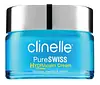
This calming moisturizer is formulated around Allantoin and Chamomilla Recutita Flower Extract to calm redness and hydrate skin.
This barrier-repair moisturizer is formulated around Madecassoside and Ceramide NP to strengthen the skin barrier and calm redness.


What's inside
What's inside
 Key Ingredients
Benefits
Concerns
Ingredients Side-by-side
Water
Skin ConditioningGlycerin
Humectant


Cyclopentasiloxane
Emollient
C12-15 Alkyl Benzoate
AntimicrobialCyclohexasiloxane
Emollient
Polysorbate 80
Emulsifying

Pentylene Glycol
Skin Conditioning
Acrylamide/Sodium Acryloyldimethyltaurate Copolymer
Emulsion StabilisingDimethicone/Vinyl Dimethicone Crosspolymer
Skin Conditioning
Cetyl Dimethicone
Emollient
Isohexadecane
EmollientAllantoin
Skin Conditioning

C30-45 Alkyl Methicone
Emollient
C30-45 Olefin
Skin ConditioningSodium Benzoate
Masking
Xanthan Gum
EmulsifyingChlorphenesin
Antimicrobial
Dimethicone Crosspolymer
Emulsion Stabilising
Acrylates/C10-30 Alkyl Acrylate Crosspolymer
Emulsion StabilisingO-Cymen-5-Ol
Antimicrobial
Sorbitan Oleate
Emulsifying

Pelargonium Graveolens Flower Oil
Masking




Propylene Glycol
Humectant
Sodium Hydroxide
BufferingSilica
Abrasive


Isoceteth-10
EmulsifyingHydrolyzed Algin
Citronellol
Perfuming
Geraniol
Perfuming
Linalool
Perfuming
Maris Aqua
HumectantChlorella Vulgaris Extract
Skin ConditioningCassia Angustifolia Seed Polysaccharide
Skin ConditioningCitric Acid
Buffering

Phenoxyethanol
Preservative
Hypericum Perforatum Extract
AntimicrobialAnthemis Nobilis Flower Extract
Masking
Calendula Officinalis Flower Extract
Masking
Centaurea Cyanus Flower Extract
Astringent
Chamomilla Recutita Flower Extract
Masking
Tilia Cordata Flower Extract
Skin Conditioning
Hydroxyethylcellulose
Emulsion StabilisingWater, Glycerin, Cyclopentasiloxane, C12-15 Alkyl Benzoate, Cyclohexasiloxane, Polysorbate 80, Pentylene Glycol, Acrylamide/Sodium Acryloyldimethyltaurate Copolymer, Dimethicone/Vinyl Dimethicone Crosspolymer, Cetyl Dimethicone, Isohexadecane, Allantoin, C30-45 Alkyl Methicone, C30-45 Olefin, Sodium Benzoate, Xanthan Gum, Chlorphenesin, Dimethicone Crosspolymer, Acrylates/C10-30 Alkyl Acrylate Crosspolymer, O-Cymen-5-Ol, Sorbitan Oleate, Pelargonium Graveolens Flower Oil, Propylene Glycol, Sodium Hydroxide, Silica, Isoceteth-10, Hydrolyzed Algin, Citronellol, Geraniol, Linalool, Maris Aqua, Chlorella Vulgaris Extract, Cassia Angustifolia Seed Polysaccharide, Citric Acid, Phenoxyethanol, Hypericum Perforatum Extract, Anthemis Nobilis Flower Extract, Calendula Officinalis Flower Extract, Centaurea Cyanus Flower Extract, Chamomilla Recutita Flower Extract, Tilia Cordata Flower Extract, Hydroxyethylcellulose
Glycerin
Humectant
Betaine
Humectant
Cetyl Ethylhexanoate
EmollientVinyldimethicone
Hydrogenated Polydecene
Emollient1,2-Hexanediol
Skin Conditioning
Pentylene Glycol
Skin Conditioning
Polymethylsilsesquioxane
Glyceryl Glucoside
Humectant
Glucose
Humectant
Chlorella Vulgaris Extract
Skin ConditioningHydroxyethyl Acrylate/Sodium Acryloyldimethyl Taurate Copolymer
Emulsion StabilisingAcrylates/C10-30 Alkyl Acrylate Crosspolymer
Emulsion StabilisingAmmonium Acryloyldimethyltaurate/Vp Copolymer
Caprylic/Capric Triglyceride
Masking
Madecassoside
Antioxidant


Butylene Glycol
Humectant
Fructose
Humectant
Fructooligosaccharides
Humectant
Hydroxyacetophenone
Antioxidant
Tocopheryl Acetate
Antioxidant
Hydrogenated Lecithin
Emulsifying
Propanediol
Solvent
Ethylhexylglycerin
Skin ConditioningDipotassium Glycyrrhizate
Humectant
Ceramide NP
Skin Conditioning
Sodium Phytate
ChelatingCentella Asiatica Extract
Cleansing
Polysorbate 80
Emulsifying
Silica
Abrasive
Melia Azadirachta Leaf Extract
Skin ConditioningCentella Asiatica Leaf Extract
Skin Conditioning
Melia Azadirachta Flower Extract
Skin ConditioningSorbitan Isostearate
Emulsifying
Amino Esters-1
Skin ConditioningTremella Fuciformis Extract
Humectant
Coccinia Indica Fruit Extract
Skin Conditioning
Ascorbyl Glucoside
Antioxidant
Guaiazulene
Antimicrobial
Solanum Melongena Fruit Extract
Skin ConditioningAloe Barbadensis Flower Extract
EmollientMagnesium Chloride
Curcuma Longa Root Extract
Antioxidant
Ocimum Basilicum Flower/Leaf Extract
TonicPearl Powder
Lawsonia Inermis Flower/Fruit/Leaf Extract
MaskingOcimum Sanctum Leaf Extract
Skin ConditioningPanthenol
Skin Conditioning
Calcium Gluconate
HumectantPyridoxine Hcl
Skin ConditioningYeast Extract
Skin ConditioningCyanocobalamin
Skin ConditioningGlycerin, Betaine, Cetyl Ethylhexanoate, Vinyldimethicone, Hydrogenated Polydecene, 1,2-Hexanediol, Pentylene Glycol, Polymethylsilsesquioxane, Glyceryl Glucoside, Glucose, Chlorella Vulgaris Extract, Hydroxyethyl Acrylate/Sodium Acryloyldimethyl Taurate Copolymer, Acrylates/C10-30 Alkyl Acrylate Crosspolymer, Ammonium Acryloyldimethyltaurate/Vp Copolymer, Caprylic/Capric Triglyceride, Madecassoside, Butylene Glycol, Fructose, Fructooligosaccharides, Hydroxyacetophenone, Tocopheryl Acetate, Hydrogenated Lecithin, Propanediol, Ethylhexylglycerin, Dipotassium Glycyrrhizate, Ceramide NP, Sodium Phytate, Centella Asiatica Extract, Polysorbate 80, Silica, Melia Azadirachta Leaf Extract, Centella Asiatica Leaf Extract, Melia Azadirachta Flower Extract, Sorbitan Isostearate, Amino Esters-1, Tremella Fuciformis Extract, Coccinia Indica Fruit Extract, Ascorbyl Glucoside, Guaiazulene, Solanum Melongena Fruit Extract, Aloe Barbadensis Flower Extract, Magnesium Chloride, Curcuma Longa Root Extract, Ocimum Basilicum Flower/Leaf Extract, Pearl Powder, Lawsonia Inermis Flower/Fruit/Leaf Extract, Ocimum Sanctum Leaf Extract, Panthenol, Calcium Gluconate, Pyridoxine Hcl, Yeast Extract, Cyanocobalamin
Ingredients Explained
These ingredients are found in both products.
Ingredients higher up in an ingredient list are typically present in a larger amount.
Acrylates/C10-30 Alkyl Acrylate Crosspolymer is a synthetic polymer. It is used to thicken, emulsify, and improve the texture of products.
As an emulsifier, it helps stabilize oil-in-water emulsions to give products an elegant feel when applied.
It can also form a thin protective film on skin. One study found that a formula using this polymer helped slow down how quickly other ingredients (like DEET) were absorbed through skin.
A 2024 study of over 1,300 patients confirmed that sensitization to this ingredient is rare. It is also non-mutagenic and has a clean track record.
Learn more about Acrylates/C10-30 Alkyl Acrylate CrosspolymerChlorella Vulgaris Extract comes from a single-celled green freshwater algae.
The version used in skincare is almost always a water or glycerin-based extract that is basically the algae's amino acids, peptides, sugars, and chlorophyll pigments.
It acts as a skin-conditioning agent and the research behind it at this time is mostly lab-dish rather than human trials.
Isolated Chlorella peptides inhibit collagenase and elastase (the enzymes that chew up collagen and elastin) and mop up free radicals in test-tube assays. Another study found a Chlorella gel sped up wound healing in mice. Many of the firming or dark-circle claims come from the ingredient supplier's own studies.
Suppliers suggest using 1-2% of the trade version (Water/Glycerin + Chlorella Vulgaris Extract) in a finished formula which means the actual algae solids are a fraction of a percent.
Allergy risk is low and topical reactions are rare; the 2020 anaphylaxis case came from eating Chlorella supplements and not from putting it on skin.
However, patch testing is sensible if you have reacted to algae before.
The "chlorella is high in iodine so it breaks you out" line borrows from marine seaweed. Freshwater Chlorella isn't a notable iodine source unless it's deliberately grown in iodine-enriched medium.
Just so you know, many lists give algae a comedogenic rating of 5 and that number doesn't come from anywhere; it's not in the original rabbit-ear studies that most comedogenic ratings trace back to.
The reasoning behind the reputation is that seaweed is high in iodine and iodine can trigger acne-like breakouts when eaten. This traces back to a 1976 letter in Archives of Dermatology describing two women whose breakouts cleared after they stopped taking high-dose kelp supplements orally.
And the reaction of these two women wasn't clogged pores at all: it was an iodine-triggered pustular rash. Later research found normal dietary iodine doesn't meaningfully affect acne either and nobody has shown topical algae delivers enough iodine to matter.
Learn more about Chlorella Vulgaris ExtractGlycerin (or glycerol) is a compound naturally found in your skin. It's a powerhouse humectant that pulls water into the stratum corneum.
Topically, glycerin does several things at once:
Your skin makes glycerin on its own (mostly from sebaceous oil breakdown) and shuttles it to your outermost layer of skin, or your epidermis, via aquaporin-3.
Aquaporin-3 is a transporter that is essential for normal skin hydration, elasticity, and repair. Interestingly, mice lacking in AQP3 have dry and less elastic skin that can be fully corrected with glycerin.
This ingredient is non-irritating, plays well with almost every ingredient, and works across all skin types. Typical use is anywhere between 3-10% but can go up to 79% in some leave-on products.
Just know very high concentrations (>40%) can feel tacky in low humidity.
Glycerin is the name for this ingredient in American English. British English uses Glycerol/Glycerine.
Learn more about GlycerinPentylene Glycol (1,2-pentanediol) is a multitasking little diol with three main roles in a formula:
Research on alkanediols (the family pentylene glycol belongs to) show they work by disrupting microbial cell membranes. This disruption helps the primary preservative system in a product work more effectively at lower doses.
On the safety side, the Cosmetic Ingredient Review Expert Panel has concluded this ingredient to be safe as used in current cosmetic practices + concentrations.
Typical use levels in a formula run about 1-5%.
Learn more about Pentylene GlycolPolysorbate 80 is a synthetic surfactant and emulsifier derived from sorbitol and oleic acid.
It reduces the surface tension between oil and water phases to help them stay mixed and stable in a formulation. In other words, it prevents your formulas from separating into an oily mess.
The CIR Expert Panel has evaluated the scientific data and found this ingredient to be safe, non-irritating, and non-sensitizing at concentrations up to 5% (it's even approved by the FDA as an OTC eye drop ingredient).
Learn more about Polysorbate 80Silica, also known as silicon dioxide, is a naturally occurring mineral. It is used as a fine, spherical, and porous powder in cosmetics.
Though it has exfoliant properties, the function of silica varies depending on the product.
The unique structure of silica enhances the spreadability and adds smoothness, making it a great texture enhancer.
It is also used as an active carrier, emulsifier, and mattifier due to its ability to absorb excess oil.
In some products, tiny microneedles called spicules are made from silica or hydrolyzed sponge. When you rub them in, they lightly polish away dead skin layers and enhance the penetration of active ingredients.
Learn more about Silica

