Clarins Multi-Active Night Moisturizer Versus Estée Lauder Revitalizing Supreme+ Youth Power Soft Creme Moisturizer
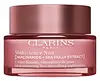
This anti-aging night moisturizer is formulated around Niacinamide to soften the look of wrinkles and brighten dull-looking skin.
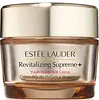
This anti-aging moisturizer is formulated around Moringa Oleifera Seed Extract and Acetyl Hexapeptide-8 to soften the look of wrinkles and hydrate skin.


What's inside
What's inside
 Key Ingredients
Benefits
Concerns
Ingredients Side-by-side
Water
Skin ConditioningDicaprylyl Ether
Emollient
Caprylic/Capric Triglyceride
Masking

Betaine
Humectant
Glycerin
Humectant
Cetearyl Alcohol
Emollient





Niacinamide
Smoothing








Dimethicone
Emollient
Ammonium Acryloyldimethyltaurate/Vp Copolymer
Glyceryl Stearate
Emollient
PEG-100 Stearate
Surfactant
Parfum
Masking


Propylene Glycol
Humectant
Cellulose
Absorbent
Cetearyl Glucoside
Emulsifying
Caprylyl Glycol
Emollient
Hydroxyacetophenone
Antioxidant
Butylene Glycol
Humectant
Polysilicone-11
Chlorphenesin
Antimicrobial
Tocopheryl Acetate
Antioxidant
Disodium EDTA
Eryngium Maritimum Extract
TonicMarrubium Vulgare Extract
Skin ConditioningPhenethyl Alcohol
MaskingDecyl Glucoside
Cleansing
Furcellaria Lumbricalis Extract
Skin ConditioningArbutus Unedo Fruit Extract
Antioxidant
Tocopherol
Antioxidant
Lapsana Communis Flower/Leaf/Stem Extract
Skin ConditioningMaris Sal
Skin ConditioningAcetyl Tetrapeptide-2
Skin Conditioning
Dextran
Water, Dicaprylyl Ether, Caprylic/Capric Triglyceride, Betaine, Glycerin, Cetearyl Alcohol, Niacinamide, Dimethicone, Ammonium Acryloyldimethyltaurate/Vp Copolymer, Glyceryl Stearate, PEG-100 Stearate, Parfum, Propylene Glycol, Cellulose, Cetearyl Glucoside, Caprylyl Glycol, Hydroxyacetophenone, Butylene Glycol, Polysilicone-11, Chlorphenesin, Tocopheryl Acetate, Disodium EDTA, Eryngium Maritimum Extract, Marrubium Vulgare Extract, Phenethyl Alcohol, Decyl Glucoside, Furcellaria Lumbricalis Extract, Arbutus Unedo Fruit Extract, Tocopherol, Lapsana Communis Flower/Leaf/Stem Extract, Maris Sal, Acetyl Tetrapeptide-2, Dextran
Water
Skin ConditioningIsononyl Isononanoate
EmollientC12-20 Acid PEG-8 Ester
Emulsifying
Glycerin
Humectant
Butylene Glycol
Humectant
Dimethicone
Emollient
Butyrospermum Parkii Butter
Skin Conditioning
Cetyl Alcohol
Emollient
Moringa Oleifera Seed Extract
Skin Conditioning
Hibiscus Sinensis Flower Extract
Skin ConditioningSodium Hyaluronate
Humectant
Acetyl Hexapeptide-8
Humectant
Laminaria Digitata Extract
Skin Protecting
Whey Protein
Skin ConditioningOpuntia Tuna Fruit Extract
Skin ConditioningAcetyl Glucosamine
Skin Conditioning
Tocopheryl Acetate
Antioxidant
Narcissus Tazetta Bulb Extract
Astringent
Algae Extract
EmollientPyrus Malus Fruit Extract
Skin Conditioning
Cucumis Sativus Fruit Extract
Emollient
Lens Esculenta Fruit Extract
Skin ConditioningCitrullus Lanatus Fruit Extract
Skin Conditioning
Laminaria Saccharina Extract
Skin ProtectingSilybum Marianum Extract
Skin Conditioning
Helianthus Annuus Seed Extract
Skin Conditioning
Sigesbeckia Orientalis Extract
Skin ConditioningCaffeine
Skin Conditioning
Hordeum Vulgare Extract
EmollientSodium Lactate
Buffering
Sorbitol
Humectant
Ethylhexylglycerin
Skin ConditioningPropylene Glycol Dicaprate
EmollientGlucose
Humectant
Glucose Oxidase
StabilisingSodium PCA
Humectant
Sucrose
Humectant
Xanthan Gum
EmulsifyingSodium Hydroxide
BufferingCarbomer
Emulsion StabilisingPentylene Glycol
Skin Conditioning
Lactoperoxidase
StabilisingIsoceteth-20
EmulsifyingSodium Dehydroacetate
Preservative
Potassium Cetyl Phosphate
EmulsifyingPEG-100 Stearate
Surfactant
Tetrahexyldecyl Ascorbate
Antioxidant
Acrylates/C10-30 Alkyl Acrylate Crosspolymer
Emulsion StabilisingAmmonium Acryloyldimethyltaurate/Vp Copolymer
Parfum
Masking
Potassium Phosphate
BufferingSodium Chloride
MaskingBHT
Antioxidant
Potassium Sorbate
Preservative
Sodium Benzoate
Masking
Phenoxyethanol
Preservative
CI 14700
Cosmetic ColorantWater, Isononyl Isononanoate, C12-20 Acid PEG-8 Ester, Glycerin, Butylene Glycol, Dimethicone, Butyrospermum Parkii Butter, Cetyl Alcohol, Moringa Oleifera Seed Extract, Hibiscus Sinensis Flower Extract, Sodium Hyaluronate, Acetyl Hexapeptide-8, Laminaria Digitata Extract, Whey Protein, Opuntia Tuna Fruit Extract, Acetyl Glucosamine, Tocopheryl Acetate, Narcissus Tazetta Bulb Extract, Algae Extract, Pyrus Malus Fruit Extract, Cucumis Sativus Fruit Extract, Lens Esculenta Fruit Extract, Citrullus Lanatus Fruit Extract, Laminaria Saccharina Extract, Silybum Marianum Extract, Helianthus Annuus Seed Extract, Sigesbeckia Orientalis Extract, Caffeine, Hordeum Vulgare Extract, Sodium Lactate, Sorbitol, Ethylhexylglycerin, Propylene Glycol Dicaprate, Glucose, Glucose Oxidase, Sodium PCA, Sucrose, Xanthan Gum, Sodium Hydroxide, Carbomer, Pentylene Glycol, Lactoperoxidase, Isoceteth-20, Sodium Dehydroacetate, Potassium Cetyl Phosphate, PEG-100 Stearate, Tetrahexyldecyl Ascorbate, Acrylates/C10-30 Alkyl Acrylate Crosspolymer, Ammonium Acryloyldimethyltaurate/Vp Copolymer, Parfum, Potassium Phosphate, Sodium Chloride, BHT, Potassium Sorbate, Sodium Benzoate, Phenoxyethanol, CI 14700
Reviews
Ingredients Explained
These ingredients are found in both products.
Ingredients higher up in an ingredient list are typically present in a larger amount.
Ammonium Acryloyldimethyltaurate/Vp Copolymer is a synthetically created polymer. It's used as a film-forming agent and used to thicken the consistency of products.
Think of it as a supportive ingredient that helps your gel-creams feel silky, "cloud cream-like", and spread evenly without being greasy.
The Cosmetic Ingredient Review (CIR) Expert Panel evaluated it (along with 22 other acryloyldimethyltaurate polymers) and concluded it's:
Due to its large molecular size, it sits on the surface of skin rather than penetrating it.
Learn more about Ammonium Acryloyldimethyltaurate/Vp CopolymerButylene Glycol (or BG) is used within cosmetic products for a few different reasons:
Overall, Butylene Glycol is a safe and well-rounded ingredient that works well with other ingredients.
Though this ingredient works well with most skin types, some people with sensitive skin may experience a reaction such as allergic rashes, closed comedones, or itchiness.
Learn more about Butylene GlycolDimethicone is a type of synthetic silicone created from natural materials such as quartz. It is also known as polydimethylsiloxane.
What it does:
Dimethicone comes in different viscosities:
Depending on the viscosity, dimethicone has different properties.
Ingredients lists don't always show which type is used, so we recommend reaching out to the brand if you have questions about the viscosity.
This ingredient is unlikely to cause irritation because it does not get absorbed into skin. However, people with silicone allergies should be careful about using this ingredient.
Note: Dimethicone may contribute to pilling. This is because it is not oil or water soluble, so pilling may occur when layered with products. When mixed with heavy oils in a formula, the outcome is also quite greasy.
Learn more about DimethiconeGlycerin (or glycerol) is a compound naturally found in your skin. It's a powerhouse humectant that pulls water into the stratum corneum.
Topically, glycerin does several things at once:
Your skin makes glycerin on its own (mostly from sebaceous oil breakdown) and shuttles it to your outermost layer of skin, or your epidermis, via aquaporin-3.
Aquaporin-3 is a transporter that is essential for normal skin hydration, elasticity, and repair. Interestingly, mice lacking in AQP3 have dry and less elastic skin that can be fully corrected with glycerin.
This ingredient is non-irritating, plays well with almost every ingredient, and works across all skin types. Typical use is anywhere between 3-10% but can go up to 79% in some leave-on products.
Just know very high concentrations (>40%) can feel tacky in low humidity.
Glycerin is the name for this ingredient in American English. British English uses Glycerol/Glycerine.
Learn more about GlycerinParfum is a catch-all term for an ingredient or more that is used to give a scent to products.
Also called "fragrance", this ingredient can be a blend of hundreds of chemicals or plant oils. This means every product with "fragrance" or "parfum" in the ingredients list is a different mixture.
For instance, Habanolide is a proprietary trade name for a specific aroma chemical. When used as a fragrance ingredient in cosmetics, most aroma chemicals fall under the broad labeling category of “FRAGRANCE” or “PARFUM” according to EU and US regulations.
The term 'parfum' or 'fragrance' is not regulated in many countries. In many cases, it is up to the brand to define this term.
For instance, many brands choose to label themselves as "fragrance-free" because they are not using synthetic fragrances. However, their products may still contain ingredients such as essential oils that are considered a fragrance by INCI standards.
One example is Calendula flower extract. Calendula is an essential oil that still imparts a scent or 'fragrance'.
Depending on the blend, the ingredients in the mixture can cause allergies and sensitivities on the skin. Some ingredients that are known EU allergens include linalool and citronellol.
Parfum can also be used to mask or cover an unpleasant scent.
The bottom line is: not all fragrances/parfum/ingredients are created equally. If you are worried about fragrances, we recommend taking a closer look at an ingredient. And of course, we always recommend speaking with a professional.
Learn more about ParfumPeg-100 Stearate is an emollient and emulsifier. As an emollient, it helps keep skin soft by trapping moisture in. On the other hand, emulsifiers help prevent oil and water from separating in a product.
PEGS are a hydrophilic polyether compound . There are 100 ethylene oxide monomers in Peg-100 Stearate. Peg-100 Stearate is polyethylene glycol ester of stearic acid.
Tocopheryl Acetate is a stable, shelf-friendly form of vitamin E.
Formulators love it because plain vitamin E oxidizes quickly once it hits air. This acetate version stays stable and resists going off, helping to extend a product's shelf life.
It's actually inactive on its own and works like a slow-release "storage" form; the enzymes in your skin called esterases gradually convert it into active vitamin E over time.
One in vivo study showed 5% of the acetate in the living layer of the epidermis converted to vitamin E after 5 days of application. This study also found the skin gained protection against UV damage even though the conversion was slow and small.
Once converted, vitamin E acts as a skin's main fat-soluble antioxidant that fights free radicals to protect skin from damage.
Topical vitamin E generally boosts the skin's photoprotection, and it reduced UV-damage in animal models.
This ingredient has some brightening potential but it's more of a prevention ingredient than spot-fader. Cell studies show it can slow down melanin production but it's worth noting that it's not the most powerful brightener out there.
Overall, it has a pretty solid safety profile and has been found to be non-irritating and non-comedogenic. Allergic reactions may happen but stay rare due to how widely the ingredient gets used.
The concentration will vary depending on the formula; industry data shows 0.1% in baby lotions, 3% in lipsticks, and 5% in foot powders. You can also find this ingredient at 100% in a pure vitamin E oil.
Most leave-on skincare keeps it at the lower end, often between 0.5-1%.
Learn more about Tocopheryl AcetateWater. It's the most common cosmetic ingredient of all. You'll usually see it at the top of ingredient lists, meaning that it makes up the largest part of the product.
So why is it so popular? Water most often acts as a solvent - this means that it helps dissolve other ingredients into the formulation.
You'll also recognize water as that liquid we all need to stay alive. If you see this, drink a glass of water. Remember to stay hydrated!
Learn more about Water

