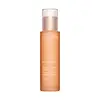
This hydrating emulsion is formulated around Butyrospermum Parkii Butter and Avena Sativa Kernel Extract to hydrate skin and strengthen the skin barrier.
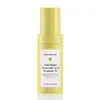
This brightening emulsion is formulated around Tranexamic Acid and Kojic Acid to fade the look of dark spots and brighten dull-looking skin.


What's inside
What's inside
 Key Ingredients
Benefits
Concerns
Ingredients Side-by-side
Water
Skin ConditioningCaprylic/Capric Triglyceride
Masking


Glycerin
Humectant
Propanediol
Solvent
Butyrospermum Parkii Butter
Skin Conditioning




Butylene Glycol
Humectant
Sucrose Polystearate
EmollientHydroxyethyl Acrylate/Sodium Acryloyldimethyl Taurate Copolymer
Emulsion StabilisingCaprylyl Glycol
Emollient
Parfum
Masking


Potassium Cetyl Phosphate
EmulsifyingAvena Sativa Kernel Extract
Abrasive



Ethylhexylglycerin
Skin ConditioningTocopheryl Acetate
Antioxidant

Cetyl Palmitate
Emollient
Xanthan Gum
EmulsifyingPotassium Sorbate
Preservative
Disodium EDTA
ChelatingPolysorbate 60
Emulsifying
Sorbitan Isostearate
Emulsifying
Betaine
Humectant
Sorbitol
Humectant
Citric Acid
Buffering
Anigozanthos Flavidus Extract
Skin ConditioningMarrubium Vulgare Extract
Skin ConditioningSodium Benzoate
Masking
Kalanchoe Pinnata Leaf Extract
MaskingBalanites Roxburghii Seed Oil
Skin Conditioning
Mitracarpus Scaber Extract
Skin ConditioningMalpighia Emarginata Seed Extract
Skin ConditioningPhenethyl Alcohol
MaskingFurcellaria Lumbricalis Extract
Skin ConditioningLapsana Communis Flower/Leaf/Stem Extract
Skin ConditioningMaris Sal
Skin ConditioningWater, Caprylic/Capric Triglyceride, Glycerin, Propanediol, Butyrospermum Parkii Butter, Butylene Glycol, Sucrose Polystearate, Hydroxyethyl Acrylate/Sodium Acryloyldimethyl Taurate Copolymer, Caprylyl Glycol, Parfum, Potassium Cetyl Phosphate, Avena Sativa Kernel Extract, Ethylhexylglycerin, Tocopheryl Acetate, Cetyl Palmitate, Xanthan Gum, Potassium Sorbate, Disodium EDTA, Polysorbate 60, Sorbitan Isostearate, Betaine, Sorbitol, Citric Acid, Anigozanthos Flavidus Extract, Marrubium Vulgare Extract, Sodium Benzoate, Kalanchoe Pinnata Leaf Extract, Balanites Roxburghii Seed Oil, Mitracarpus Scaber Extract, Malpighia Emarginata Seed Extract, Phenethyl Alcohol, Furcellaria Lumbricalis Extract, Lapsana Communis Flower/Leaf/Stem Extract, Maris Sal
Water
Skin ConditioningButylene Glycol
Humectant
C12-15 Alkyl Benzoate
AntimicrobialTranexamic Acid
Astringent

Caprylic/Capric Triglyceride
Masking
Propanediol
Solvent
Kaolin
Abrasive


Cetearyl Alcohol
Emollient
Glycerin
Humectant
Isostearyl Alcohol
Emollient
C13-15 Alkane
SolventMyrica Cerifera Fruit Wax
EmollientEthylhexyl Olivate
Skin Conditioning
Butylene Glycol Cocoate
Emulsifying
Kojic Acid
Antioxidant
Alpha-Arbutin
Antioxidant
Acetyl Glucosamine
Skin Conditioning
Allantoin
Skin Conditioning
Coco-Caprylate/Caprate
Emollient
Squalane
Emollient
Evodia Rutaecarpa Fruit Extract
Skin ConditioningTriheptanoin
Skin ConditioningCitric Acid
Buffering
Hydroxyacetophenone
Antioxidant
Carbomer
Emulsion StabilisingCaprylyl Glycol
Emollient
1,2-Hexanediol
Skin Conditioning
C9-12 Alkane
SolventDilinoleic Acid/Butanediol Copolymer
Tremella Fuciformis Sporocarp Extract
Antioxidant
Helianthus Annuus Seed Oil
Emollient
Rosmarinus Officinalis Leaf Extract
AntimicrobialXanthan Gum
EmulsifyingBetaine
Humectant
Sorbitol
Humectant
Ethylcellulose
Lecithin
Emollient
Rubus Idaeus Fruit Extract
AstringentSodium Hydroxide
BufferingSodium Phytate
ChelatingEctoin
Skin Conditioning
Phenoxyethanol
Preservative
Castor Oil/Ipdi Copolymer
Potassium Sorbate
Preservative
Glyceryl Caprylate
EmollientWater, Butylene Glycol, C12-15 Alkyl Benzoate, Tranexamic Acid, Caprylic/Capric Triglyceride, Propanediol, Kaolin, Cetearyl Alcohol, Glycerin, Isostearyl Alcohol, C13-15 Alkane, Myrica Cerifera Fruit Wax, Ethylhexyl Olivate, Butylene Glycol Cocoate, Kojic Acid, Alpha-Arbutin, Acetyl Glucosamine, Allantoin, Coco-Caprylate/Caprate, Squalane, Evodia Rutaecarpa Fruit Extract, Triheptanoin, Citric Acid, Hydroxyacetophenone, Carbomer, Caprylyl Glycol, 1,2-Hexanediol, C9-12 Alkane, Dilinoleic Acid/Butanediol Copolymer, Tremella Fuciformis Sporocarp Extract, Helianthus Annuus Seed Oil, Rosmarinus Officinalis Leaf Extract, Xanthan Gum, Betaine, Sorbitol, Ethylcellulose, Lecithin, Rubus Idaeus Fruit Extract, Sodium Hydroxide, Sodium Phytate, Ectoin, Phenoxyethanol, Castor Oil/Ipdi Copolymer, Potassium Sorbate, Glyceryl Caprylate
Reviews
Ingredients Explained
These ingredients are found in both products.
Ingredients higher up in an ingredient list are typically present in a larger amount.
Betaine is a humectant. Like hyaluronic acid, it helps attract and retain moisture in the skin. It’s known for being gentle and for helping the skin maintain balanced hydration.
Betaine is mainly used to improve hydration and support calmer skin. It helps skin cells regulate water balance because it functions as an osmolyte.
Some studies suggest betaine may support making skin tone more even.
Fun fact: Betaine naturally exists in the skin and the body. In cosmetic products, it can be either plant-derived (most commonly from sugar beets) or synthetically produced for consistency and stability.
Betaine is also known as trimethylglycine.
Learn more about BetaineButylene Glycol (or BG) is used within cosmetic products for a few different reasons:
Overall, Butylene Glycol is a safe and well-rounded ingredient that works well with other ingredients.
Though this ingredient works well with most skin types, some people with sensitive skin may experience a reaction such as allergic rashes, closed comedones, or itchiness.
Learn more about Butylene GlycolCaprylic/Capric Triglyceride (aka MCT Oil) is a lightweight emollient, solvent, and texture enhancer. It is considered a skin-softener by helping to prevent moisture loss.
Though it behaves like an oil, it is not technically one due to its chemical composition. One perk of this ingredient is that it is very stable, resistant to oxidation, and unlikely to go rancid.
In practice, that translates to a long shelf life and a consistently elegant skin feel.
While there is an assumption Caprylic Triglyceride can clog pores due to it being derived from coconut oil, there is no research supporting this. Just patch test if you have concerns.
Fractionated coconut oil and MCT Oil are both listed as Caprylic/Capric Triglyceride according to INCI. This is because INCI names are based on the ingredient’s final chemical composition and not its marketing name or source.
This ingredient is treated as the gold standard fungal acne safe oil. Even though it is coconut derived, the problematic lauric acid is stripped out.
This leaves just caprylic (C8) and capric (C10) acid. These chain lengths actually trend antifungal; a 2020 study found caprylic acid was enough to disrupt Malassezia furfur cell membrane, with a caprylic acid derivative damaging membrane structures at concentrations as low as 0.2%.
Learn more about Caprylic/Capric TriglycerideCaprylyl Glycol is a humectant, skin conditioner, emollient, and preservative booster derived from either caprylic acid or synthetically created.
Typical use levels vary from 0.3-1% as a preservative booster and go up to 2% to condition skin.
Because it is not a free-fatty acid, this ingredient is fungal acne safe (there's nothing for Malassezia to feed on).
Learn more about Caprylyl GlycolCitric Acid is an alpha hydroxy acid (AHA) naturally found in citrus fruits like oranges, lemons, and limes.
Like other AHAs, citric acid can exfoliate skin by breaking down the bonds that hold dead skin cells together. This helps reveal smoother and brighter skin underneath.
However, this exfoliating effect only happens at high concentrations (20%) which can be hard to find in cosmetic products.
Due to this, citric acid is usually included in small amounts as a pH adjuster. This helps keep products slightly more acidic and compatible with skin's natural pH.
In skincare formulas, citric acid can:
While it can provide some skin benefits, research shows lactic acid and glycolic acid are generally more effective and less irritating exfoliants.
Most citric acid used in skincare today is made by fermenting sugars (usually from molasses). This synthetic version is identical to the natural citrus form but easier to stabilize and use in formulations.
Rosacea skin has a lower threshold for acids generally, with 62.5% of rosacea subjects in one study reacting to lactic acid in a sting test. This is why we mark citric acid as a potential rosacea trigger.
However, this ingredient shows up as a pH adjuster or chelator at roughly 0.1-1% in many products. These low levels are unlikely to be an issue for rosacea skin and becomes a potential trigger at exfoliating concentrations (20%). Because everybody's skin is unique, we recommend a patch test if you are unsure.
Learn more about Citric AcidGlycerin (or glycerol) is a compound naturally found in your skin. It's a powerhouse humectant that pulls water into the stratum corneum.
Topically, glycerin does several things at once:
Your skin makes glycerin on its own (mostly from sebaceous oil breakdown) and shuttles it to your outermost layer of skin, or your epidermis, via aquaporin-3.
Aquaporin-3 is a transporter that is essential for normal skin hydration, elasticity, and repair. Interestingly, mice lacking in AQP3 have dry and less elastic skin that can be fully corrected with glycerin.
This ingredient is non-irritating, plays well with almost every ingredient, and works across all skin types. Typical use is anywhere between 3-10% but can go up to 79% in some leave-on products.
Just know very high concentrations (>40%) can feel tacky in low humidity.
Glycerin is the name for this ingredient in American English. British English uses Glycerol/Glycerine.
Learn more about GlycerinPotassium Sorbate is a preservative used to prevent yeast and mold in products. It is commonly found in both cosmetic and food products.
This ingredient comes from potassium salt derived from sorbic acid. Sorbic acid is a natural antibiotic and effective against fungus.
Both potassium sorbate and sorbic acid can be found in baked goods, cheeses, dried meats, dried fruit, ice cream, pickles, wine, yogurt, and more.
You'll often find this ingredient used with other preservatives.
Learn more about Potassium SorbatePropanediol is an all-star ingredient. It softens, hydrates, and smooths the skin.
It’s often used to:
Propanediol is not likely to cause sensitivity and considered safe to use. It is derived from corn or petroleum with a clear color and no scent.
Learn more about PropanediolSorbitol is a sugar alcohol. It is a hydrating and moisturizing agent created from the reduction process of glucose.
Most sorbitol is usually made from potato starch. It is also found in fruits such as apples and pears.
As a humectant, Sorbitol helps draw water to the skin. This helps keep the skin hydrated. Sorbitol also helps create a thicker texture in products. You might find sorbitol in your toothpaste and other gels.
It is a non-irritating ingredient that is great for those with dry skin.
Sorbitol is a prebiotic. It helps promote the growth of healthy bacteria on your skin. The bacteria on your skin form a microbiome. This microbiome helps protect your skin from infection and harmful bacteria.
Learn more about SorbitolWater. It's the most common cosmetic ingredient of all. You'll usually see it at the top of ingredient lists, meaning that it makes up the largest part of the product.
So why is it so popular? Water most often acts as a solvent - this means that it helps dissolve other ingredients into the formulation.
You'll also recognize water as that liquid we all need to stay alive. If you see this, drink a glass of water. Remember to stay hydrated!
Learn more about WaterXanthan gum is used as a stabilizer and thickener within cosmetic products. It helps give products a sticky, thick feeling - preventing them from being too runny.
On the technical side of things, xanthan gum is a polysaccharide - a combination consisting of multiple sugar molecules bonded together.
Xanthan gum is a pretty common and great ingredient. It is a natural, non-toxic, non-irritating ingredient that is also commonly used in food products.
Learn more about Xanthan Gum

