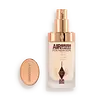
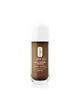
Charlotte Tilbury Airbrush Flawless Foundation Versus Clinique Even Better Clinical Vitamin Makeup Broad Spectrum SPF 45 Foundation


What's inside
What's inside
 Key Ingredients
Benefits
Concerns
Ingredients Side-by-side
Water
Skin ConditioningIsododecane
EmollientDimethicone
Emollient

Glycerin
Humectant

Cetyl PEG/PPG-10/1 Dimethicone
Emulsifying
Butylene Glycol Dicaprylate/Dicaprate
EmollientTrisiloxane
Skin Conditioning
Silica
Abrasive


Bis-Hydroxyethoxypropyl Dimethicone/Ipdi Copolymer Ethylcarbamate
Quaternium-90 Bentonite
Calcium Sodium Borosilicate
Di-C12-13 Alkyl Tartrate
EmollientDiisostearyl Malate
EmollientSorbitan Isostearate
Emulsifying

Phenoxyethanol
Preservative
Sodium Chloride
MaskingAlcohol
Antimicrobial



Saccharomyces Ferment
Skin Conditioning
Dimethicone Crosspolymer
Emulsion Stabilising
Menthyl PCA
HumectantMarrubium Vulgare Extract
Skin ConditioningPotassium Sorbate
Preservative
Sodium Dehydroacetate
Preservative
Dextrin Palmitate
Emulsifying
Alumina
Abrasive
Triethoxycaprylylsilane
Dimethicone/Vinyl Dimethicone Crosspolymer
Skin Conditioning
Polyphenylsilsesquioxane
C20-24 Olefin
Skin ConditioningPropylene Carbonate
SolventGlycogen
HumectantTocopheryl Acetate
Antioxidant


Isomalt
HumectantLauroyl Lysine
Skin Conditioning
Citric Acid
Buffering
Pentaerythrityl Tetra-Di-T-Butyl Hydroxyhydrocinnamate
Antioxidant
Phytol
Emollient

CI 77891
Cosmetic ColorantIron Oxides
Water, Isododecane, Dimethicone, Glycerin, Cetyl PEG/PPG-10/1 Dimethicone, Butylene Glycol Dicaprylate/Dicaprate, Trisiloxane, Silica, Bis-Hydroxyethoxypropyl Dimethicone/Ipdi Copolymer Ethylcarbamate, Quaternium-90 Bentonite, Calcium Sodium Borosilicate, Di-C12-13 Alkyl Tartrate, Diisostearyl Malate, Sorbitan Isostearate, Phenoxyethanol, Sodium Chloride, Alcohol, Saccharomyces Ferment, Dimethicone Crosspolymer, Menthyl PCA, Marrubium Vulgare Extract, Potassium Sorbate, Sodium Dehydroacetate, Dextrin Palmitate, Alumina, Triethoxycaprylylsilane, Dimethicone/Vinyl Dimethicone Crosspolymer, Polyphenylsilsesquioxane, C20-24 Olefin, Propylene Carbonate, Glycogen, Tocopheryl Acetate, Isomalt, Lauroyl Lysine, Citric Acid, Pentaerythrityl Tetra-Di-T-Butyl Hydroxyhydrocinnamate, Phytol, CI 77891, Iron Oxides
Phenylbenzimidazole Sulfonic Acid 2.7%
UV Absorber
Ethylhexyl Methoxycinnamate 6.7%
UV Absorber
Ethylhexyl Salicylate 4.5%
UV Absorber
Zinc Oxide 7.7%
Cosmetic Colorant
Water
Skin ConditioningMethyl Trimethicone
Skin Conditioning
Dimethicone
Emollient
Niacinamide
Smoothing






Neopentyl Glycol Diheptanoate
EmollientPhenyl Trimethicone
Skin Conditioning
Glycerin
Humectant
Tromethamine
BufferingLauryl PEG-9 Polydimethylsiloxyethyl Dimethicone
Skin Conditioning
Hdi/PPG/Polycaprolactone Crosspolymer
Trimethylsiloxysilicate
Emollient
Polysilicone-11
Hexyl Laurate
Emollient
Cetyl PEG/PPG-10/1 Dimethicone
Emulsifying
Butylene Glycol
Humectant
Ascorbyl Glucoside
Antioxidant
Sodium Hyaluronate
Humectant
Caffeine
Skin Conditioning
Hydrolyzed Wheat Protein/Pvp Crosspolymer
Polyglyceryl-4 Isostearate
Emulsifying
Trehalose
Humectant
Acetyl Glucosamine
Skin Conditioning
Triethyl Citrate
Masking
Hydrogenated Coco-Glycerides
Emollient
Aminopropyl Ascorbyl Phosphate
Antioxidant
Dimethicone/Divinyldimethicone/Silsesquioxane Crosspolymer
Humectant
Polyethylene
Abrasive
Silica
Abrasive
Polymethylsilsesquioxane
Disteardimonium Hectorite
StabilisingPolyhydroxystearic Acid
Emulsifying
Glyceryl Stearate
Emollient
Cetearyl Alcohol
Emollient


Ammonium Polyacryloyldimethyl Taurate
Emulsion StabilisingPolysorbate 80
Emulsifying
Stearic Acid
Cleansing
Polysorbate 20
Emulsifying
Lecithin
Emollient
Hydrogenated Lecithin
Emulsifying
Palmitic Acid
Emollient
Laureth-7
EmulsifyingSodium Phosphate
BufferingDisodium Phosphate
BufferingPotassium Hydroxide
BufferingStearyl Alcohol
Emollient
Behenyl Alcohol
Emollient
Triethoxycaprylylsilane
Ascorbyl Palmitate
Antioxidant
Tocopheryl Acetate
Antioxidant
Magnesium Ascorbyl Phosphate
Antioxidant
Tetrahexyldecyl Ascorbate
Antioxidant
BHT
Antioxidant
Disodium EDTA
Phenoxyethanol
Preservative
Potassium Sorbate
Preservative
Sodium Dehydroacetate
Preservative
Mica
Cosmetic ColorantCI 77891
Cosmetic ColorantCI 77491
Cosmetic ColorantCI 77492
Cosmetic ColorantCI 77499
Cosmetic ColorantPhenylbenzimidazole Sulfonic Acid 2.7%, Ethylhexyl Methoxycinnamate 6.7%, Ethylhexyl Salicylate 4.5%, Zinc Oxide 7.7%, Water, Methyl Trimethicone, Dimethicone, Niacinamide, Neopentyl Glycol Diheptanoate, Phenyl Trimethicone, Glycerin, Tromethamine, Lauryl PEG-9 Polydimethylsiloxyethyl Dimethicone, Hdi/PPG/Polycaprolactone Crosspolymer, Trimethylsiloxysilicate, Polysilicone-11, Hexyl Laurate, Cetyl PEG/PPG-10/1 Dimethicone, Butylene Glycol, Ascorbyl Glucoside, Sodium Hyaluronate, Caffeine, Hydrolyzed Wheat Protein/Pvp Crosspolymer, Polyglyceryl-4 Isostearate, Trehalose, Acetyl Glucosamine, Triethyl Citrate, Hydrogenated Coco-Glycerides, Aminopropyl Ascorbyl Phosphate, Dimethicone/Divinyldimethicone/Silsesquioxane Crosspolymer, Polyethylene, Silica, Polymethylsilsesquioxane, Disteardimonium Hectorite, Polyhydroxystearic Acid, Glyceryl Stearate, Cetearyl Alcohol, Ammonium Polyacryloyldimethyl Taurate, Polysorbate 80, Stearic Acid, Polysorbate 20, Lecithin, Hydrogenated Lecithin, Palmitic Acid, Laureth-7, Sodium Phosphate, Disodium Phosphate, Potassium Hydroxide, Stearyl Alcohol, Behenyl Alcohol, Triethoxycaprylylsilane, Ascorbyl Palmitate, Tocopheryl Acetate, Magnesium Ascorbyl Phosphate, Tetrahexyldecyl Ascorbate, BHT, Disodium EDTA, Phenoxyethanol, Potassium Sorbate, Sodium Dehydroacetate, Mica, CI 77891, CI 77491, CI 77492, CI 77499
Reviews
Ingredients Explained
These ingredients are found in both products.
Ingredients higher up in an ingredient list are typically present in a larger amount.
This ingredient is a silicone-based emulsifer that helps the water and oil phases play nicely together.
It's pretty effective because one end of the molecule loves oil and the other one loves water.
Besides holding formulas together, it also leaves a silky and lightweight feel on skin without the greasiness. A manufacturer also claims it can help with the controlled release of active ingredients.
The CIR Expert Panel found this ingredient to not be sensitizing in concentrations up to 15% in human maximazation testing and dimethicone-based compounds were not comedogenic.
It has a high molecular weight well above 1,000 g/mol which means it limits meaningful skin penetration.
A 2019 study specifically tested this ingredient and found no observable Malassezia growth in its presence.
Learn more about Cetyl PEG/PPG-10/1 DimethiconeCi 77891 is a white pigment from Titanium dioxide. It is naturally found in minerals such as rutile and ilmenite.
It's main function is to add a white color to cosmetics. It can also be mixed with other colors to create different shades.
Ci 77891 is commonly found in sunscreens due to its ability to block UV rays.
Learn more about CI 77891Dimethicone is a type of synthetic silicone created from natural materials such as quartz. It is also known as polydimethylsiloxane.
What it does:
Dimethicone comes in different viscosities:
Depending on the viscosity, dimethicone has different properties.
Ingredients lists don't always show which type is used, so we recommend reaching out to the brand if you have questions about the viscosity.
This ingredient is unlikely to cause irritation because it does not get absorbed into skin. However, people with silicone allergies should be careful about using this ingredient.
Note: Dimethicone may contribute to pilling. This is because it is not oil or water soluble, so pilling may occur when layered with products. When mixed with heavy oils in a formula, the outcome is also quite greasy.
Learn more about DimethiconeGlycerin (or glycerol) is a compound naturally found in your skin. It's a powerhouse humectant that pulls water into the stratum corneum.
Topically, glycerin does several things at once:
Your skin makes glycerin on its own (mostly from sebaceous oil breakdown) and shuttles it to your outermost layer of skin, or your epidermis, via aquaporin-3.
Aquaporin-3 is a transporter that is essential for normal skin hydration, elasticity, and repair. Interestingly, mice lacking in AQP3 have dry and less elastic skin that can be fully corrected with glycerin.
This ingredient is non-irritating, plays well with almost every ingredient, and works across all skin types. Typical use is anywhere between 3-10% but can go up to 79% in some leave-on products.
Just know very high concentrations (>40%) can feel tacky in low humidity.
Glycerin is the name for this ingredient in American English. British English uses Glycerol/Glycerine.
Learn more about GlycerinPhenoxyethanol is one of the most widely used preservatives in skincare (and for good reason!).
It has a large spectrum of antimicrobial activity and especially effective bacteria, yeast, and mold while only having a weak effect on your skin's natural microbiome.
On a cellular level, it disrupts the cell membranes of microbes by poking holes that make the cell leak. This shuts down the chemical reactions the microbe needs to make energy so it can no longer survive.
Another perk of this ingredient is that it stays functional across a wide pH range (3-10).
You'll often see it paired with boosters like Ethylhexylglycerin; one study showed that a 1:9 ratio of Ethylhexylglycerin to Phenoxyethanol damages bacterial membranes as effectively as doubling the Phenoxyethanol concentration on its own.
Typical use concentrations range from 0.3-1% depending on the formula, and this ingredient is capped at 1% int the EU.
Safety-wise, the fear mongering does not hold up to the evidence. The EU's Scientific Committee on Consumer Safety and FDA consider it safe as a preservative at up to 1%, including for children of all ages.
Adverse systemic effects only showed up in animal studies at exposures roughly 200x higher than what people get from cosmetics. And despite its very widespread use, this ingredient is a rare sensitizer and allergic reactions are uncommon.
Learn more about PhenoxyethanolPotassium Sorbate is a preservative used to prevent yeast and mold in products. It is commonly found in both cosmetic and food products.
This ingredient comes from potassium salt derived from sorbic acid. Sorbic acid is a natural antibiotic and effective against fungus.
Both potassium sorbate and sorbic acid can be found in baked goods, cheeses, dried meats, dried fruit, ice cream, pickles, wine, yogurt, and more.
You'll often find this ingredient used with other preservatives.
Learn more about Potassium SorbateSilica, also known as silicon dioxide, is a naturally occurring mineral. It is used as a fine, spherical, and porous powder in cosmetics.
Though it has exfoliant properties, the function of silica varies depending on the product.
The unique structure of silica enhances the spreadability and adds smoothness, making it a great texture enhancer.
It is also used as an active carrier, emulsifier, and mattifier due to its ability to absorb excess oil.
In some products, tiny microneedles called spicules are made from silica or hydrolyzed sponge. When you rub them in, they lightly polish away dead skin layers and enhance the penetration of active ingredients.
Learn more about SilicaSodium Dehydroacetate is a synthetic preservative and sodium salt form of dehydroacetic acid. It stops bacteria, mold, and yeast from growing in your products at low concentrations.
Clinical testing found it to be non-irritating, non-sensitizing, and non-photosensitizing. It's also not significantly absorbed through skin.
There are a very small number of reported cases of contact dermatitis in cases linked to wound-care creams used over compromised skin (rather than skincare).
Overall, this is a well-studied and low-risk preservative just doing its job.
Typical concentrations run up to 0.6%, which is also the maximum amount permitted under both EU CosIng regulations and US FDA guidelines.
Learn more about Sodium DehydroacetateTocopheryl Acetate is a stable, shelf-friendly form of vitamin E.
Formulators love it because plain vitamin E oxidizes quickly once it hits air. This acetate version stays stable and resists going off, helping to extend a product's shelf life.
It's actually inactive on its own and works like a slow-release "storage" form; the enzymes in your skin called esterases gradually convert it into active vitamin E over time.
One in vivo study showed 5% of the acetate in the living layer of the epidermis converted to vitamin E after 5 days of application. This study also found the skin gained protection against UV damage even though the conversion was slow and small.
Once converted, vitamin E acts as a skin's main fat-soluble antioxidant that fights free radicals to protect skin from damage.
Topical vitamin E generally boosts the skin's photoprotection, and it reduced UV-damage in animal models.
This ingredient has some brightening potential but it's more of a prevention ingredient than spot-fader. Cell studies show it can slow down melanin production but it's worth noting that it's not the most powerful brightener out there.
Overall, it has a pretty solid safety profile and has been found to be non-irritating and non-comedogenic. Allergic reactions may happen but stay rare due to how widely the ingredient gets used.
The concentration will vary depending on the formula; industry data shows 0.1% in baby lotions, 3% in lipsticks, and 5% in foot powders. You can also find this ingredient at 100% in a pure vitamin E oil.
Most leave-on skincare keeps it at the lower end, often between 0.5-1%.
Learn more about Tocopheryl AcetateTriethoxycaprylylsilane is a silicon-based surface modifier that makes sunscreens feel silky and makeup stay put.
Its main job is to coat mineral particles like titanium dioxide, zinc oxide, and color pigments in a thin, oily layer so they spread smoothly, don't clump, and stick to skin better.
This ingredient is typically used at low levels (up to 2.5% in eyeshadow and 1% in lipstick).
Learn more about TriethoxycaprylylsilaneWater. It's the most common cosmetic ingredient of all. You'll usually see it at the top of ingredient lists, meaning that it makes up the largest part of the product.
So why is it so popular? Water most often acts as a solvent - this means that it helps dissolve other ingredients into the formulation.
You'll also recognize water as that liquid we all need to stay alive. If you see this, drink a glass of water. Remember to stay hydrated!
Learn more about Water

