

What's inside
What's inside
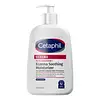 Key Ingredients

Benefits
Concerns
Ingredients Side-by-side
Colloidal Oatmeal 1%
Absorbent



Water
Skin ConditioningGlycerin
Humectant


Caprylic/Capric Triglyceride
Masking
Helianthus Annuus Seed Oil
Emollient

Pentylene Glycol
Skin ConditioningButyrospermum Parkii Butter
Skin Conditioning

Cyclopentasiloxane
Emollient
Cetearyl Alcohol
Emollient
Sorbitol
Humectant
Behenyl Alcohol
Emollient
Glyceryl Stearate
Emollient
Cetyl Alcohol
Emollient
Tocopheryl Acetate
Antioxidant

Arginine
Masking
Niacinamide
Smoothing





Glyceryl Stearate Citrate
Emollient
Sodium Polyacrylate
Absorbent
Disodium Ethylene Dicocamide PEG-15 Disulfate
Cleansing
Caprylyl Glycol
Emollient
Ceteareth-20
Cleansing
Sodium PCA
Humectant
Panthenol
Skin Conditioning
Citric Acid
Buffering

Allantoin
Skin Conditioning
Dimethiconol
Emollient
Ophiopogon Japonicus Root Extract
Skin ConditioningDisodium EDTA
Maltodextrin
Absorbent
Sodium Hyaluronate
Humectant
Ceramide NP
Skin Conditioning
Pantolactone
Humectant
Colloidal Oatmeal 1%, Water, Glycerin, Caprylic/Capric Triglyceride, Helianthus Annuus Seed Oil, Pentylene Glycol, Butyrospermum Parkii Butter, Cyclopentasiloxane, Cetearyl Alcohol, Sorbitol, Behenyl Alcohol, Glyceryl Stearate, Cetyl Alcohol, Tocopheryl Acetate, Arginine, Niacinamide, Glyceryl Stearate Citrate, Sodium Polyacrylate, Disodium Ethylene Dicocamide PEG-15 Disulfate, Caprylyl Glycol, Ceteareth-20, Sodium PCA, Panthenol, Citric Acid, Allantoin, Dimethiconol, Ophiopogon Japonicus Root Extract, Disodium EDTA, Maltodextrin, Sodium Hyaluronate, Ceramide NP, Pantolactone
Water
Skin ConditioningOlea Europaea Fruit Oil
Masking
Glycerin
Humectant
Dimethicone
Emollient
Propylene Glycol
Humectant
Triethanolamine
BufferingLimonene
Perfuming

Isopropyl Palmitate
Emollient
Citrus Aurantium Dulcis Oil
Masking
Stearic Acid
Cleansing
Paraffinum Liquidum
Emollient
Cetyl Alcohol
Emollient
Glycine Soja Oil
Emollient
Citrus Grandis Peel Oil
Masking
Urea
Buffering
Aspartic Acid
Masking
Paraffin
Perfuming
Carbomer
Emulsion StabilisingGlucose
Humectant
Fructose
Humectant
Glyceryl Stearate
Emollient
Dimethiconol
Emollient
Sodium Lauroyl Oat Amino Acids
CleansingMyristic Acid
Cleansing
Palmitic Acid
Emollient
Alanine
MaskingSucrose
Humectant
Vitreoscilla Ferment
Skin ConditioningXanthan Gum
EmulsifyingGlutamic Acid
Humectant
Dextrin
AbsorbentEthylhexylglycerin
Skin ConditioningHexyl Nicotinate
EmollientHexylene Glycol
EmulsifyingTocopherol
Antioxidant
Sodium Dehydroacetate
Preservative
Phenoxyethanol
Preservative
Linalool
Perfuming
Citral
Perfuming
Parfum
Masking
Water, Olea Europaea Fruit Oil, Glycerin, Dimethicone, Propylene Glycol, Triethanolamine, Limonene, Isopropyl Palmitate, Citrus Aurantium Dulcis Oil, Stearic Acid, Paraffinum Liquidum, Cetyl Alcohol, Glycine Soja Oil, Citrus Grandis Peel Oil, Urea, Aspartic Acid, Paraffin, Carbomer, Glucose, Fructose, Glyceryl Stearate, Dimethiconol, Sodium Lauroyl Oat Amino Acids, Myristic Acid, Palmitic Acid, Alanine, Sucrose, Vitreoscilla Ferment, Xanthan Gum, Glutamic Acid, Dextrin, Ethylhexylglycerin, Hexyl Nicotinate, Hexylene Glycol, Tocopherol, Sodium Dehydroacetate, Phenoxyethanol, Linalool, Citral, Parfum
Ingredients Explained
These ingredients are found in both products.
Ingredients higher up in an ingredient list are typically present in a larger amount.
Cetyl Alcohol is a fatty alcohol. Fatty Alcohols are most often used as an emollient or to thicken a product.
Its main roles are:
Though it has "alcohol" in the name, it is not related to denatured alcohol or ethyl alcohol.
The FDA allows products labeled "alcohol-free" to have fatty alcohols.
Learn more about Cetyl AlcoholDimethiconol is a silicone that resembles the popular dimethicone. Like other silicones, it is an emollient. Emollients create a thin film on skin to prevent moisture from escaping.
This ingredient helps to create a silky texture and improve spreadability. Due to its high molecular weight and thickness, it is often combined with cyclopentasiloxane.
Glycerin is already naturally found in your skin. It helps moisturize and protect your skin.
A study from 2016 found glycerin to be more effective as a humectant than AHAs and hyaluronic acid.
As a humectant, it helps the skin stay hydrated by pulling moisture to your skin. The low molecular weight of glycerin allows it to pull moisture into the deeper layers of your skin.
Hydrated skin improves your skin barrier; Your skin barrier helps protect against irritants and bacteria.
Glycerin has also been found to have antimicrobial and antiviral properties. Due to these properties, glycerin is often used in wound and burn treatments.
In cosmetics, glycerin is usually derived from plants such as soybean or palm. However, it can also be sourced from animals, such as tallow or animal fat.
This ingredient is organic, colorless, odorless, and non-toxic.
Glycerin is the name for this ingredient in American English. British English uses Glycerol/Glycerine.
Learn more about GlycerinGlyceryl Stearate is a mix of glycerin and stearic acid.
It is used to stabilize the mixing of water and oil ingredients. By preventing these ingredients from separating, it can help elongate shelf life. It can also help thicken the product's texture.
As an emollient, it helps soften skin and supports barrier-replenishing ingredients.
In cosmetics, Glyceryl Stearate is often made from vegetable oils or synthetically produced.
This ingredient may not be fungal-acne safe
Fun fact: The human body also creates Glyceryl Stearate naturally.
Learn more about Glyceryl StearateWater. It's the most common cosmetic ingredient of all. You'll usually see it at the top of ingredient lists, meaning that it makes up the largest part of the product.
So why is it so popular? Water most often acts as a solvent - this means that it helps dissolve other ingredients into the formulation.
You'll also recognize water as that liquid we all need to stay alive. If you see this, drink a glass of water. Stay hydrated!
Learn more about Water
