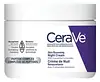
This barrier-repair night moisturizer is formulated around Ceramide NP and Niacinamide to strengthen the skin barrier and soften the look of wrinkles.
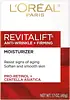
This moisturizer is formulated around Retinyl Palmitate to brighten and support scar healing.


What's inside
What's inside
 Key Ingredients
Benefits
Concerns
Ingredients Side-by-side
Water
Skin ConditioningGlycerin
Humectant


Caprylic/Capric Triglyceride
Masking
Butyrospermum Parkii Butter
Skin Conditioning




Dimethicone/Vinyl Dimethicone Crosspolymer
Skin Conditioning
Cyclopentasiloxane
Emollient
Glyceryl Stearate Se
Emulsifying
Cetyl Alcohol
Emollient
Dimethicone
Emollient
Saccharide Isomerate
Humectant
Stearic Acid
Cleansing
Palmitic Acid
Emollient
Glycine Soja Sterols
Emollient
Allantoin
Skin Conditioning
Ceramide NP
Skin Conditioning

Ceramide AP
Skin Conditioning
Ceramide EOP
Skin Conditioning
Carbomer
Emulsion StabilisingNiacinamide
Smoothing






Cetearyl Alcohol
Emollient
Behentrimonium Methosulfate
SurfactantSodium Hydroxide
BufferingMyristic Acid
Cleansing
Sodium Lauroyl Lactylate
EmulsifyingSodium Benzoate
Masking
Sodium Citrate
BufferingSodium Hyaluronate
Humectant
Cholesterol
Emollient
Phenoxyethanol
Preservative
Tocopherol
Antioxidant

Tripeptide-1
Skin Conditioning
Laureth-9
EmulsifyingCitric Acid
Buffering
Caprooyl Tetrapeptide-3
Skin Protecting
Biosaccharide Gum-1
Humectant
Phytosphingosine
Skin Conditioning
Xanthan Gum
EmulsifyingDextran
Ethylhexylglycerin
Skin ConditioningButylene Glycol
Humectant
Water, Glycerin, Caprylic/Capric Triglyceride, Butyrospermum Parkii Butter, Dimethicone/Vinyl Dimethicone Crosspolymer, Cyclopentasiloxane, Glyceryl Stearate Se, Cetyl Alcohol, Dimethicone, Saccharide Isomerate, Stearic Acid, Palmitic Acid, Glycine Soja Sterols, Allantoin, Ceramide NP, Ceramide AP, Ceramide EOP, Carbomer, Niacinamide, Cetearyl Alcohol, Behentrimonium Methosulfate, Sodium Hydroxide, Myristic Acid, Sodium Lauroyl Lactylate, Sodium Benzoate, Sodium Citrate, Sodium Hyaluronate, Cholesterol, Phenoxyethanol, Tocopherol, Tripeptide-1, Laureth-9, Citric Acid, Caprooyl Tetrapeptide-3, Biosaccharide Gum-1, Phytosphingosine, Xanthan Gum, Dextran, Ethylhexylglycerin, Butylene Glycol
Water
Skin ConditioningCyclohexasiloxane
Emollient
Glycerin
Humectant
Paraffinum Liquidum
Emollient

Myristyl Myristate
Emollient
Shorea Robusta Seed Butter
Emollient
Stearic Acid
Cleansing
Palmitic Acid
Emollient
PEG-100 Stearate
Surfactant
Beeswax
Emulsion Stabilising
Glyceryl Stearate
Emollient
PEG-20 Stearate
Emulsifying
Stearyl Alcohol
Emollient
Glycine Soja Protein
EmulsifyingTriethanolamine
BufferingIsohexadecane
EmollientPhenethyl Alcohol
MaskingHydrolyzed Elastin
EmollientHydrolyzed Soy Protein
Humectant
Acetyl Trifluoromethylphenyl Valylglycine
Skin ConditioningYeast Extract
Skin ConditioningPolysorbate 80
Emulsifying
Acrylamide/Sodium Acryloyldimethyltaurate Copolymer
Emulsion StabilisingAcrylates Copolymer
Cetyl Alcohol
Emollient
Retinyl Palmitate
Skin Conditioning
Potassium Sorbate
Preservative
Methylparaben
Preservative

Sodium Benzoate
Masking
Chlorhexidine Digluconate
Antimicrobial
Ethylparaben
Preservative
Linalool
Perfuming

Geraniol
Perfuming
Alpha-Isomethyl Ionone
Perfuming
Amyl Cinnamal
Perfuming
Limonene
Perfuming
Citronellol
Perfuming
Butylphenyl Methylpropional
Perfuming
Hexyl Cinnamal
Perfuming
Benzyl Alcohol
Perfuming
Benzyl Benzoate
Antimicrobial
Benzyl Salicylate
Perfuming
Parfum
Masking
Water, Cyclohexasiloxane, Glycerin, Paraffinum Liquidum, Myristyl Myristate, Shorea Robusta Seed Butter, Stearic Acid, Palmitic Acid, PEG-100 Stearate, Beeswax, Glyceryl Stearate, PEG-20 Stearate, Stearyl Alcohol, Glycine Soja Protein, Triethanolamine, Isohexadecane, Phenethyl Alcohol, Hydrolyzed Elastin, Hydrolyzed Soy Protein, Acetyl Trifluoromethylphenyl Valylglycine, Yeast Extract, Polysorbate 80, Acrylamide/Sodium Acryloyldimethyltaurate Copolymer, Acrylates Copolymer, Cetyl Alcohol, Retinyl Palmitate, Potassium Sorbate, Methylparaben, Sodium Benzoate, Chlorhexidine Digluconate, Ethylparaben, Linalool, Geraniol, Alpha-Isomethyl Ionone, Amyl Cinnamal, Limonene, Citronellol, Butylphenyl Methylpropional, Hexyl Cinnamal, Benzyl Alcohol, Benzyl Benzoate, Benzyl Salicylate, Parfum
Reviews
Ingredients Explained
These ingredients are found in both products.
Ingredients higher up in an ingredient list are typically present in a larger amount.
Cetyl Alcohol is a fatty alcohol. Fatty Alcohols are most often used as an emollient or to thicken a product.
Its main roles are:
Though it has "alcohol" in the name, it is not related to denatured alcohol or ethyl alcohol.
The FDA allows products labeled "alcohol-free" to have fatty alcohols.
This ingredient may not be fungal acne safe. It is a primary fatty alcohol with a chain length above 12 carbons. A study from 2019 show Malassezia can feed on fatty alcohols in this range, so it may trigger fungal acne in those prone to it.
Learn more about Cetyl AlcoholGlycerin (or glycerol) is a compound naturally found in your skin. It's a powerhouse humectant that pulls water into the stratum corneum.
Topically, glycerin does several things at once:
Your skin makes glycerin on its own (mostly from sebaceous oil breakdown) and shuttles it to your outermost layer of skin, or your epidermis, via aquaporin-3.
Aquaporin-3 is a transporter that is essential for normal skin hydration, elasticity, and repair. Interestingly, mice lacking in AQP3 have dry and less elastic skin that can be fully corrected with glycerin.
This ingredient is non-irritating, plays well with almost every ingredient, and works across all skin types. Typical use is anywhere between 3-10% but can go up to 79% in some leave-on products.
Just know very high concentrations (>40%) can feel tacky in low humidity.
Glycerin is the name for this ingredient in American English. British English uses Glycerol/Glycerine.
Learn more about GlycerinPalmitic Acid is a fatty acid naturally found in our skin and in many plant and animal sources.
In cosmetics, it is usually derived from palm oil. It serves many purposes in skincare, acting as a cleanser, emollient, and emulsifier.
Interestingly, topically applied Palmitic Acid can be elongated into longer chain fatty acids and ceramides. A 2019 study found low levels of Palmitic Acid lead to slower development of cells, suggesting it plays a role in keeping your skin's renewal process on track.
The CIR (Cosmetic Ingredient Review) panel determined it safe as used in cosmetics at concentrations up to 13%. It is non-irritating and non-sensitizing in clinical studies.
The culprit behind fungal acne, the Malassezia yeast, feeds on fatty acids with carbon chain lengths between C11-C24. Palmitic Acid, at C16, falls right into that sweet spot.
In vitro studies have shown that Palmitic Acid is one of the fatty acids that induce rapid Malassezia growth in lab settings.
It's worth noting that what feeds yeast in a lab doesn't necessarily feed it on your face since formulation and your skin's chemistry play a bigger role.
This ingredient does have a comedogenic rating of 2, but this doesn't mean a formula with this ingredient will clog pores.
Human testing has proved that any finished product with a comedogenic ingredient won't automatically make you break out; it really comes down to concentration, formula, and your skin.
Learn more about Palmitic AcidSodium Benzoate is a preservative. It's used in both cosmetic and food products to inhibit the growth of mold and bacteria. It is typically produced synthetically.
Both the US FDA and EU Health Committee have approved the use of sodium benzoate. In the US, levels of 0.1% (of the total product) are allowed.
Sodium benzoate works as a preservative by inhibiting the growth of bacteria inside of cells. It prevents the cell from fermenting a type of sugar using an enzyme called phosphofructokinase.
It is the salt of benzoic acid. Foods containing sodium benzoate include soda, salad dressings, condiments, fruit juices, wines, and snack foods.
Studies for using ascorbic acid and sodium benzoate in cosmetics are lacking, especially in skincare routines with multiple steps.
We always recommend speaking with a professional, such as a dermatologist, if you have any concerns.
Learn more about Sodium BenzoateStearic Acid is a fatty acid that is already found in your skin. It's one of the free fatty acids that works alongside ceramides and cholesterols to maintain your barrier.
In cosmetics, it is a multitasker:
Safety-wise, the CIR Expert Panel has concluded it to be safe in cosmetics when formulated to be non-irritating and non-sensitizing.
Free stearic acid is a C18 fatty acid that the Malassezia yeast can substrate, so this ingredient may not be fungal acne safe.
This ingredient does have a comedogenic rating of 2-3, but this doesn't mean a formula with this ingredient will clog pores.
Human testing has proved that any finished product with this ingredient won't automatically make you break out; it really comes down to concentration, formula, and your skin.
Learn more about Stearic AcidWater. It's the most common cosmetic ingredient of all. You'll usually see it at the top of ingredient lists, meaning that it makes up the largest part of the product.
So why is it so popular? Water most often acts as a solvent - this means that it helps dissolve other ingredients into the formulation.
You'll also recognize water as that liquid we all need to stay alive. If you see this, drink a glass of water. Remember to stay hydrated!
Learn more about Water

