
What's inside
What's inside
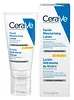 Key Ingredients
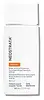
Benefits
Concerns
No concerns
Ingredients Side-by-side
Water
Skin ConditioningHomosalate
Skin Conditioning

Glycerin
Humectant


Octocrylene
UV Absorber

Ethylhexyl Salicylate
UV Absorber
Niacinamide
Smoothing









Aluminum Starch Octenylsuccinate
Absorbent
Butyl Methoxydibenzoylmethane
UV Absorber
Dimethicone
Emollient
Cetearyl Alcohol
Emollient




PEG-100 Stearate
Surfactant
Glyceryl Stearate
Emollient
Phenoxyethanol
Preservative
Stearic Acid
Cleansing
Behentrimonium Methosulfate
Surfactant
Caprylyl Glycol
Emollient
Palmitic Acid
Emollient
Ammonium Polyacryloyldimethyl Taurate
Emulsion StabilisingXanthan Gum
EmulsifyingDisodium EDTA
Tocopherol
Antioxidant

Sodium Lauroyl Lactylate
EmulsifyingMyristic Acid
Cleansing
Sodium Hyaluronate
Humectant
Ceramide NP
Skin Conditioning
Ceramide AP
Skin Conditioning
Phytosphingosine
Skin Conditioning
Cholesterol
Emollient
Carbomer
Emulsion StabilisingEthylhexylglycerin
Skin ConditioningCeramide EOP
Skin Conditioning
Water, Homosalate, Glycerin, Octocrylene, Ethylhexyl Salicylate, Niacinamide, Aluminum Starch Octenylsuccinate, Butyl Methoxydibenzoylmethane, Dimethicone, Cetearyl Alcohol, PEG-100 Stearate, Glyceryl Stearate, Phenoxyethanol, Stearic Acid, Behentrimonium Methosulfate, Caprylyl Glycol, Palmitic Acid, Ammonium Polyacryloyldimethyl Taurate, Xanthan Gum, Disodium EDTA, Tocopherol, Sodium Lauroyl Lactylate, Myristic Acid, Sodium Hyaluronate, Ceramide NP, Ceramide AP, Phytosphingosine, Cholesterol, Carbomer, Ethylhexylglycerin, Ceramide EOP
Titanium Dioxide 7%
Cosmetic Colorant
Zinc Oxide 6%
Cosmetic Colorant
Water
Skin ConditioningDimethicone
Emollient
Isododecane
EmollientC12-15 Alkyl Benzoate
AntimicrobialHydrogenated Polydecene
EmollientButyloctyl Salicylate
Skin Conditioning
Gluconolactone
Skin Conditioning
Styrene/Acrylates Copolymer
Alumina
Abrasive
Ammonium Hydroxide
BufferingLactobionic Acid
Buffering
PEG-9 Polydimethylsiloxyethyl Dimethicone
Emulsifying
Phenethyl Benzoate
Emollient
Nylon-12
Tocopheryl Acetate
Antioxidant
Epigallocatechin Gallate
Antioxidant
Polyhydroxystearic Acid
Emulsifying
Ethylhexylglycerin
Skin ConditioningTocopherol
Antioxidant
Dimethicone/PEG-10/15 Crosspolymer
Hydrogen Dimethicone
Isohexadecane
EmollientSodium Citrate
BufferingDisteardimonium Hectorite
StabilisingMagnesium Sulfate
Dipropylene Glycol
HumectantPropylene Carbonate
SolventSodium Bisulfite
Antioxidant
Triethoxycaprylylsilane
Phenoxyethanol
Preservative
CI 77492
Cosmetic ColorantCI 77491
Cosmetic ColorantCI 77499
Cosmetic ColorantTitanium Dioxide 7%, Zinc Oxide 6%, Water, Dimethicone, Isododecane, C12-15 Alkyl Benzoate, Hydrogenated Polydecene, Butyloctyl Salicylate, Gluconolactone, Styrene/Acrylates Copolymer, Alumina, Ammonium Hydroxide, Lactobionic Acid, PEG-9 Polydimethylsiloxyethyl Dimethicone, Phenethyl Benzoate, Nylon-12, Tocopheryl Acetate, Epigallocatechin Gallate, Polyhydroxystearic Acid, Ethylhexylglycerin, Tocopherol, Dimethicone/PEG-10/15 Crosspolymer, Hydrogen Dimethicone, Isohexadecane, Sodium Citrate, Disteardimonium Hectorite, Magnesium Sulfate, Dipropylene Glycol, Propylene Carbonate, Sodium Bisulfite, Triethoxycaprylylsilane, Phenoxyethanol, CI 77492, CI 77491, CI 77499
Reviews
Ingredients Explained
These ingredients are found in both products.
Ingredients higher up in an ingredient list are typically present in a larger amount.
Dimethicone is a type of synthetic silicone created from natural materials such as quartz. It is also known as polydimethylsiloxane.
What it does:
Dimethicone comes in different viscosities:
Depending on the viscosity, dimethicone has different properties.
Ingredients lists don't always show which type is used, so we recommend reaching out to the brand if you have questions about the viscosity.
This ingredient is unlikely to cause irritation because it does not get absorbed into skin. However, people with silicone allergies should be careful about using this ingredient.
Note: Dimethicone may contribute to pilling. This is because it is not oil or water soluble, so pilling may occur when layered with products. When mixed with heavy oils in a formula, the outcome is also quite greasy.
Learn more about DimethiconeEthylhexylglycerin is created from glycerin. It is a multitasker ingredient that:
The CIR Expert Panel found minimal skin absorption or sensitization of any kind in a safety assessment. Though this ingredient is considered well-tolerated, a small number of cases of allergic dermatitis have been published since 2002. Just be sure to patch test if you are unsure.
Industry-reported use ranges from 8% in rinse-off products and 2% in leave-on formulations.
Learn more about EthylhexylglycerinPhenoxyethanol is a preservative that has germicide, antimicrobial, and aromatic properties. Studies show that phenoxyethanol can prevent microbial growth. By itself, it has a scent that is similar to that of a rose.
It's often used in formulations along with Caprylyl Glycol to preserve the shelf life of products.
Tocopherol is a fat-soluble antioxidant known as Vitamin E.
You'll find this ingredient in the vast majority of skincare (for good reason). It works to neutralize free radicals, or unstable molecules generated by UV exposure, pollution, and other environmental stressors, before they can cause oxidative damage to your skin cells.
Topically applied tocopherol has been shown to protect against UV damage by ramping up the skin's own natural defense enzymes.
It also acts as a skin conditioning agent; some studies show that regular topical use can improve the skin's water-binding capacity over 2-4 weeks.
This ingredient is especially loved for being a team player. When combined with Vitamin C, the photoprotective effect of both ingredients roughly doubles and the combo also helps reduce UV-induced DNA damage.
This ingredient has some brightening potential but it's more of a prevention ingredient than spot-fader. Cell studies show it can slow down melanin production but it's worth noting that it's not the most powerful brightener out there.
In formulations, it also serves as a stabilizer that helps protect other oxidation-prone ingredients from degrading.
Concentrations usually range from 0.1-1% in most leave-on products.
Learn more about TocopherolWater. It's the most common cosmetic ingredient of all. You'll usually see it at the top of ingredient lists, meaning that it makes up the largest part of the product.
So why is it so popular? Water most often acts as a solvent - this means that it helps dissolve other ingredients into the formulation.
You'll also recognize water as that liquid we all need to stay alive. If you see this, drink a glass of water. Remember to stay hydrated!
Learn more about Water
