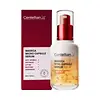
This barrier-repair serum is formulated around Niacinamide and Asiaticoside to strengthen the skin barrier and soften the look of wrinkles.
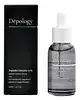
This anti-aging serum is formulated around Acetyl Hexapeptide-8 and Palmitoyl Tripeptide-5 to soften the look of wrinkles.

What's inside
What's inside
 Key Ingredients
Benefits
Concerns
Ingredients Side-by-side
Water
Skin ConditioningGlycerin
Humectant


Butylene Glycol
Humectant
Ceteareth-20
Cleansing

Niacinamide
Smoothing









Propanediol
Solvent
1,2-Hexanediol
Skin Conditioning
Hydrogenated Lecithin
Emulsifying
Pentylene Glycol
Skin Conditioning
C12-14 Alketh-12
EmulsifyingPanthenol
Skin Conditioning
Chondrus Crispus Extract
Skin Conditioning
Asiaticoside
Antioxidant
Madecassic Acid
Skin Conditioning
Ammonium Acryloyldimethyltaurate/Vp Copolymer
Saccharum Officinarum Extract
MoisturisingAcrylates/C10-30 Alkyl Acrylate Crosspolymer
Emulsion StabilisingAsiatic Acid
Skin Conditioning
Sodium Polyacrylate
Absorbent
Tromethamine
BufferingHydroxyacetophenone
Antioxidant
Xanthan Gum
EmulsifyingCentella Asiatica Extract
Cleansing
Ethylhexylglycerin
Skin ConditioningCitrus Aurantium Bergamia Fruit Oil
Masking



Chondrus Crispus Powder
Abrasive
Adenosine
Skin Conditioning
Agar
MaskingDisodium EDTA
Lavandula Angustifolia Oil
Masking
Centella Asiatica Leaf Extract
Skin Conditioning
Citrus Aurantium Dulcis Peel Oil
Masking
CI 77492
Cosmetic ColorantGellan Gum
CI 77491
Cosmetic ColorantDipeptide Diaminobutyroyl Benzylamide Diacetate
Skin Conditioning
Palmitoyl Tripeptide-5
Skin Conditioning
Ascorbic Acid
Antioxidant
Haematococcus Pluvialis Oil
Antioxidant
Tetradecyl Aminobutyroylvalylaminobutyric Urea Trifluoroacetate
Skin ConditioningSimmondsia Chinensis Seed Oil
Emollient

Tocopherol
Antioxidant
Squalane
Emollient
Hydrolyzed Collagen
Emollient
Magnesium Chloride
Solanum Lycopersicum Fruit Extract
Antioxidant
Astaxanthin
Skin Conditioning
Bisabolol
Antioxidant
Rosa Canina Fruit Oil
Emollient
Hydrolyzed Vegetable Protein
Skin ConditioningMaltodextrin
Absorbent
Xylitylglucoside
Humectant
Hydrolyzed Elastin
EmollientAnhydroxylitol
Humectant
Caprylic/Capric Triglyceride
Masking
Xylitol
Humectant
Prunus Amygdalus Dulcis Seed Extract
Skin ConditioningLimonia Acidissima Extract
Skin ConditioningYeast Extract
Skin ConditioningGlucose
Humectant
Ficus Carica Fruit Extract
Humectant
Ginkgo Biloba Nut Extract
Skin ConditioningMorus Alba Fruit Extract
Antioxidant
Punica Granatum Fruit Extract
Antioxidant
Lavandula Angustifolia Extract
Skin Conditioning
Origanum Vulgare Flower/Leaf/Stem Extract
Skin ConditioningRosmarinus Officinalis Extract
AntimicrobialThymus Vulgaris Extract
Perfuming
Ceramide NP
Skin Conditioning
Caprylyl Glycol
Emollient
Choleth-24
EmulsifyingCholesterol
Emollient
Water, Glycerin, Butylene Glycol, Ceteareth-20, Niacinamide, Propanediol, 1,2-Hexanediol, Hydrogenated Lecithin, Pentylene Glycol, C12-14 Alketh-12, Panthenol, Chondrus Crispus Extract, Asiaticoside, Madecassic Acid, Ammonium Acryloyldimethyltaurate/Vp Copolymer, Saccharum Officinarum Extract, Acrylates/C10-30 Alkyl Acrylate Crosspolymer, Asiatic Acid, Sodium Polyacrylate, Tromethamine, Hydroxyacetophenone, Xanthan Gum, Centella Asiatica Extract, Ethylhexylglycerin, Citrus Aurantium Bergamia Fruit Oil, Chondrus Crispus Powder, Adenosine, Agar, Disodium EDTA, Lavandula Angustifolia Oil, Centella Asiatica Leaf Extract, Citrus Aurantium Dulcis Peel Oil, CI 77492, Gellan Gum, CI 77491, Dipeptide Diaminobutyroyl Benzylamide Diacetate, Palmitoyl Tripeptide-5, Ascorbic Acid, Haematococcus Pluvialis Oil, Tetradecyl Aminobutyroylvalylaminobutyric Urea Trifluoroacetate, Simmondsia Chinensis Seed Oil, Tocopherol, Squalane, Hydrolyzed Collagen, Magnesium Chloride, Solanum Lycopersicum Fruit Extract, Astaxanthin, Bisabolol, Rosa Canina Fruit Oil, Hydrolyzed Vegetable Protein, Maltodextrin, Xylitylglucoside, Hydrolyzed Elastin, Anhydroxylitol, Caprylic/Capric Triglyceride, Xylitol, Prunus Amygdalus Dulcis Seed Extract, Limonia Acidissima Extract, Yeast Extract, Glucose, Ficus Carica Fruit Extract, Ginkgo Biloba Nut Extract, Morus Alba Fruit Extract, Punica Granatum Fruit Extract, Lavandula Angustifolia Extract, Origanum Vulgare Flower/Leaf/Stem Extract, Rosmarinus Officinalis Extract, Thymus Vulgaris Extract, Ceramide NP, Caprylyl Glycol, Choleth-24, Cholesterol
Water
Skin ConditioningIsopentyldiol
Humectant
1,2-Hexanediol
Skin Conditioning
Panthenol
Skin Conditioning
Hydroxyethyl Urea
Humectant
Butylene Glycol
Humectant
Propanediol
Solvent
Caprylyl Glycol
Emollient
Glycerin
Humectant
Sodium Hyaluronate
Humectant
Ficus Carica Fruit Extract
Humectant
Centella Asiatica Extract
Cleansing
Acetyl Hexapeptide-8
Humectant
Ceramide NP
Skin Conditioning
Hydrogenated Lecithin
Emulsifying
Anthemis Nobilis Flower Oil
Masking
Tocopherol
Antioxidant
Houttuynia Cordata Extract
Skin Conditioning
Tocopheryl Acetate
Antioxidant
Ascorbic Acid Polypeptide
Antioxidant
Ammonium Acryloyldimethyltaurate/Vp Copolymer
Tromethamine
BufferingCarbomer
Emulsion StabilisingOctyldodeceth-16
EmulsifyingEthylhexylglycerin
Skin ConditioningAcrylates/C10-30 Alkyl Acrylate Crosspolymer
Emulsion StabilisingDisodium EDTA
Palmitoyl Tripeptide-5
Skin Conditioning
Pinus Strobus Bark Extract
Skin ConditioningHexapeptide-9
Skin Conditioning
Maltodextrin
Absorbent
Lavandula Angustifolia Oil
Masking
Linalool
Perfuming
Water, Isopentyldiol, 1,2-Hexanediol, Panthenol, Hydroxyethyl Urea, Butylene Glycol, Propanediol, Caprylyl Glycol, Glycerin, Sodium Hyaluronate, Ficus Carica Fruit Extract, Centella Asiatica Extract, Acetyl Hexapeptide-8, Ceramide NP, Hydrogenated Lecithin, Anthemis Nobilis Flower Oil, Tocopherol, Houttuynia Cordata Extract, Tocopheryl Acetate, Ascorbic Acid Polypeptide, Ammonium Acryloyldimethyltaurate/Vp Copolymer, Tromethamine, Carbomer, Octyldodeceth-16, Ethylhexylglycerin, Acrylates/C10-30 Alkyl Acrylate Crosspolymer, Disodium EDTA, Palmitoyl Tripeptide-5, Pinus Strobus Bark Extract, Hexapeptide-9, Maltodextrin, Lavandula Angustifolia Oil, Linalool
Ingredients Explained
These ingredients are found in both products.
Ingredients higher up in an ingredient list are typically present in a larger amount.
1,2-Hexanediol is a synthetic liquid and another multi-functional powerhouse.
It is a:
- Humectant, drawing moisture into the skin
- Emollient, helping to soften skin
- Solvent, dispersing and stabilizing formulas
- Preservative booster, enhancing the antimicrobial activity of other preservatives
Acrylates/C10-30 Alkyl Acrylate Crosspolymer is a synthetic polymer. It is used to thicken, emulsify, and improve the texture of products.
As an emulsifier, it helps stabilize oil-in-water emulsions to give products an elegant feel when applied.
It can also form a thin protective film on skin. One study found that a formula using this polymer helped slow down how quickly other ingredients (like DEET) were absorbed through skin.
A 2024 study of over 1,300 patients confirmed that sensitization to this ingredient is rare. It is also non-mutagenic and has a clean track record.
Learn more about Acrylates/C10-30 Alkyl Acrylate CrosspolymerAmmonium Acryloyldimethyltaurate/Vp Copolymer is a synthetically created polymer. It's used as a film-forming agent and used to thicken the consistency of products.
Think of it as a supportive ingredient that helps your gel-creams feel silky, "cloud cream-like", and spread evenly without being greasy.
The Cosmetic Ingredient Review (CIR) Expert Panel evaluated it (along with 22 other acryloyldimethyltaurate polymers) and concluded it's:
Due to its large molecular size, it sits on the surface of skin rather than penetrating it.
Learn more about Ammonium Acryloyldimethyltaurate/Vp CopolymerButylene Glycol (or BG) is used within cosmetic products for a few different reasons:
Overall, Butylene Glycol is a safe and well-rounded ingredient that works well with other ingredients.
Though this ingredient works well with most skin types, some people with sensitive skin may experience a reaction such as allergic rashes, closed comedones, or itchiness.
Learn more about Butylene GlycolCaprylyl Glycol is a humectant, skin conditioner, emollient, and preservative booster derived from either caprylic acid or synthetically created.
Typical use levels vary from 0.3-1% as a preservative booster and go up to 2% to condition skin.
Because it is not a free-fatty acid, this ingredient is fungal acne safe (there's nothing for Malassezia to feed on).
Learn more about Caprylyl GlycolCentella Asiatica Extract (Centella) is one of the most researched botanical extracts in skincare with decades of studies backing its effects on inflammation, collagen, and the skin barrier.
That research keeps pointing back to the same four triterpenoid saponins: Asiaticoside, Madecassoside, Asiatic Acid, and Madecassic Acid.
These compounds allow centella to dial back inflammation, encourage the skin to build and hold onto collagen, support the barrier and hydration, and bring solid antioxidant activity to protect against signs of aging.
Centella also carries a nice supporting cast of Vitamin A, vitamin C, several B vitamins, and amino acids. Put it all together and you get an ingredient that soothes, hydrates, and protects, all at once.
Most of centella's magic comes from the four big compounds (Asiaticoside, Madecassoside, Asiatic Acid, and Madecassic Acid). These are the actives doing the heavy lifting in almost every centella study.
Here is the short version of what they do in the skin:
So it is not just soothing for the sake of soothing. Centella calms the skin AND helps it rebuild.
Just FYI, not all centella on an ingredient list is the same. What you are getting actually depends on the extract:
Fun fact on the ratios: the leaves tend to be richest in Madecassoside and Asiaticoside, and lower in the two acids. The exact amounts shift with where the plant is grown and how it is processed. This means purity really does vary brand to brand.
Centella is one of the most easygoing actives out there.
It layers well with basically everything: niacinamide, hyaluronic acid, peptides, and vitamin C, and also pairs nicely with stronger actives like retinoids and exfoliating acids where it can help take the edge off irritation.
On the safety side, centella and its triterpenes are classified as weak sensitizers, meaning allergic reactions are possible but uncommon.
Patch tests at 1% and 5% came back negative in test panels, and creams at typical use levels did not cause allergic reactions across large groups of people.
But as with any new active, a patch test is still a smart move for very reactive skin.
Centella is widely used because it is effective at low percentages. For context, human safety testing found no meaningful irritation from creams containing centella extract at everyday use levels (the tested amounts were well under 1%).
The irritancy threshold in animal testing was also above 30% (so real-world formulas sit far below anything concerning).
In collagen lab studies, higher concentrations drove more collagen synthesis, so serums built around centella tend to feature it more prominently.
Bottom line: you will find centella working nicely anywhere from a fraction of a percent up to hero-ingredient levels depending on whether it is a supporting soother or the main event.
Fun fact: Centella has been used as a medicine and in food for many centuries. As a medicine, it is used to treat burns, scratches, and wounds.
Learn more about Centella Asiatica ExtractCeramide NP (formerly known as Ceramide 3) is one of the skin's naturally occurring lipids.
Since ceramides are the major lipid components of the skin, they are crucial for maintaining skin barrier and hydration. Ceramide NP most closely mirrors the dominant kind in human skin amongst ceramide subtypes.
This ceramide works by slotting into gaps within the stratum corneum's lipid matrix to limit trans-epidermal water loss (TEWL) and shield the skin against external irritants.
A study with 312 patients found that using a ceramide-containing routine for 4 weeks reduced the severity of atopic dermatitis by over 61%.
Another clinical study in subjects aged 60 and older found that a ceramide body wash and moisturizer improved skin dryness and itchy skin in 15 days.
Overall, ceramides are considered non-irritating and safety tests have found little to no observable adverse effects from using this ingredient.
Ceramide NP is usually sourced from plants (like soybean or rice bran), or produced synthetically.
Learn more about Ceramide NPDisodium EDTA is a chelating agent. It grabs onto and deactivates metal ions that sneak into your products from water, packaging, or air.
This ingredient mainly works behind the scenes and helps with:
On top of that, this ingredient can counteract the effects of hard water by binding to the minerals in it.
One thing worth knowing is that Disodium EDTA has been shown to be a mild penetration enhancer. It can help other ingredients absorb into skin more effectively which can be a double-edged sword (great for actives, but can also make the active too strong if you have sensitive skin).
Clinical patch testing showed no significant skin irritation at typical use concentrations and minimal dermal absorption.
You'll most likely see this ingredient near the end of an ingredient list. It's typically found in concentrations less than 1%.
Learn more about Disodium EDTAEthylhexylglycerin is created from glycerin. It is a multitasker ingredient that:
The CIR Expert Panel found minimal skin absorption or sensitization of any kind in a safety assessment. Though this ingredient is considered well-tolerated, a small number of cases of allergic dermatitis have been published since 2002. Just be sure to patch test if you are unsure.
Industry-reported use ranges from 8% in rinse-off products and 2% in leave-on formulations.
Learn more about EthylhexylglycerinFicus Carica Fruit Extract comes from the fruit known as the fig. Figs are rich in antioxidants and helps hydrate the skin.
Figs also contain fatty acids and Vitamins A, B1, and B2.
As a humectant, figs are able to draw moisture from the air to your skin. This helps keep your skin hydrated.
Learn more about Ficus Carica Fruit ExtractGlycerin (or glycerol) is a compound naturally found in your skin. It's a powerhouse humectant that pulls water into the stratum corneum.
Topically, glycerin does several things at once:
Your skin makes glycerin on its own (mostly from sebaceous oil breakdown) and shuttles it to your outermost layer of skin, or your epidermis, via aquaporin-3.
Aquaporin-3 is a transporter that is essential for normal skin hydration, elasticity, and repair. Interestingly, mice lacking in AQP3 have dry and less elastic skin that can be fully corrected with glycerin.
This ingredient is non-irritating, plays well with almost every ingredient, and works across all skin types. Typical use is anywhere between 3-10% but can go up to 79% in some leave-on products.
Just know very high concentrations (>40%) can feel tacky in low humidity.
Glycerin is the name for this ingredient in American English. British English uses Glycerol/Glycerine.
Learn more about GlycerinHydrogenated Lecithin is a more stable version of lecithin.
It's made by taking lecithin (a phospholipid commonly found in soybeans and egg yolks) and hydrogenating it. This just means the unsaturated fatty acids are turned into saturated ones so they don't go bad as easily.
This ingredient is an emollient, emulsifier, and penetration enhancer. As an emollient, it helps soften and hydrate skin by trapping moisture within. As an emulsifier, it prevents oil and water ingredients from separating.
Hydrogenated Lecithin can form tiny spherical structures made of phospholipid bilayers called liposomes. These liposomes are able to capture compounds inside their structure and deliver them through the skin barrier.
Because phospholipids are a natural component of our cell membranes, this ingredient is inherently compatible with skin.
A 2021 study found lecithin-based surfactants were less harsh and more tolerable comared to Sodium Lauryl Sulfate (SLS).
Learn more about Hydrogenated LecithinLavandula Angustifolia Oil is more commonly known as lavender essential oil. It is considered a fragrancing ingredient.
Lavender imparts a famous scent. While the smell is lovely, this ingredient and may sensitize skin in topical products. This is because about 85% of the oil is made up of linalool and linalyl acetate.
When exposed to air, these two compounds become strong allergens. This ingredient exhibits cytotoxicity at low concentrations; amounts of 0.25% have been shown to damage skin cells.
A study from Japan found this ingredient caused lavender sensitivity after widespread exposure.
Lavender essential oil has some antimicrobial, antibacterial, and anti-inflammatory properties. However, the cons of this ingredient may outweight the pros.
More research is needed to confirm lavender essential oil's effects when used in aromatherapy.
Lavandula Angustifolia is known as the English Lavender and famous for creating purple fields in Provence, France.
Learn more about Lavandula Angustifolia OilMaltodextrin is a plant-derived carbohydrate made by breaking down starch (usually from corn, potato, or rice). In cosmetic formulas, it's a multitasking absorbent, emulsion stabilizer, and skin conditioner.
This ingredient is mostly used to stabilize emulsions and improve the powdery, non-greasy feel of products (like dry shampoos).
Safety-wise, this ingredient is pretty solid; it's even recognized as a food additive. Both animal and clinical studies found no adverse effects at the levels used in cosmetics.
Industry data shows this ingredient is used up to 45.7% in spray products and up to 33% in powder products.
Learn more about MaltodextrinPalmitoyl Tripeptide-5 is a synthetic signal lipopeptide. This just means it is a three amino acid chain bolted onto a palmitic acid tail so it can slip through the skin's lipid barrier.
This peptide has a "build more, lose less" approach.
It's designed to mimic the collagen-stimulating activity in your skin by copying a snippet of one of your skin's own matrix proteins. This nudges fibroblasts into making more collagen while inhibiting the enzyme that breaks down skin protein.
The manufacturer's in vivo study of 45 volunteers found 1% and 2.5% reduced the appearance of wrinkles by 7% and 12% respectively, after using it twice daily for 84 days.
This is in the expected range for peptides; they're slow and cumulative actives and not overnight fixers.
Typical use levels range from 1-3% and this ingredient gets along with pretty much everything.
On the fungal acne front:
Although palmitic acid sits in the chain length that Malassezia can feed on, this ingredient has it locked in an amine bond. This makes it hard for Malassezia to access as a source of food, and therefore fungal acne safe.
Panthenol is a common ingredient that helps hydrate and soothe the skin. It is found naturally in our skin and hair.
There are two forms of panthenol: D and L.
D-panthenol is also known as dexpanthenol. Most cosmetics use dexpanthenol or a mixture of D and L-panthenol.
Panthenol is famous due to its ability to go deeper into the skin's layers. Using this ingredient has numerous pros (and no cons):
Like hyaluronic acid, panthenol is a humectant. Humectants are able to bind and hold large amounts of water to keep skin hydrated.
This ingredient works well for wound healing. It works by increasing tissue in the wound and helps close open wounds.
Once oxidized, panthenol converts to pantothenic acid. Panthothenic acid is found in all living cells.
This ingredient is also referred to as pro-vitamin B5.
Learn more about PanthenolPropanediol is an all-star ingredient. It softens, hydrates, and smooths the skin.
It’s often used to:
Propanediol is not likely to cause sensitivity and considered safe to use. It is derived from corn or petroleum with a clear color and no scent.
Learn more about PropanediolTocopherol is a fat-soluble antioxidant known as Vitamin E.
You'll find this ingredient in the vast majority of skincare (for good reason). It works to neutralize free radicals, or unstable molecules generated by UV exposure, pollution, and other environmental stressors, before they can cause oxidative damage to your skin cells.
Topically applied tocopherol has been shown to protect against UV damage by ramping up the skin's own natural defense enzymes.
It also acts as a skin conditioning agent; some studies show that regular topical use can improve the skin's water-binding capacity over 2-4 weeks.
This ingredient is especially loved for being a team player. When combined with Vitamin C, the photoprotective effect of both ingredients roughly doubles and the combo also helps reduce UV-induced DNA damage.
This ingredient has some brightening potential but it's more of a prevention ingredient than spot-fader. Cell studies show it can slow down melanin production but it's worth noting that it's not the most powerful brightener out there.
In formulations, it also serves as a stabilizer that helps protect other oxidation-prone ingredients from degrading.
Concentrations usually range from 0.1-1% in most leave-on products.
Learn more about TocopherolTromethamine (aka THAM) is a synthetic amino acid that shows up in skincare as a helper ingredient.
It functions as a pH adjuster to help neutralize acidic ingredients and set a formula's pH to the right spot.
This matters a lot because a lot of actives (like vitamin C) needs a specific pH to work well and feel comfortable on skin.
Concentration use ranges from 0.1-1.0% depending on the formula.
Learn more about TromethamineWater. It's the most common cosmetic ingredient of all. You'll usually see it at the top of ingredient lists, meaning that it makes up the largest part of the product.
So why is it so popular? Water most often acts as a solvent - this means that it helps dissolve other ingredients into the formulation.
You'll also recognize water as that liquid we all need to stay alive. If you see this, drink a glass of water. Remember to stay hydrated!
Learn more about Water

