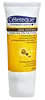
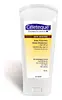
Celeteque Skin Defense Brightening Silky Sun Cream SPF 60+ Versus Celeteque Daily Protection Matte Moisturizer SPF 50
This chemical sunscreen covers the full UV range and blocks ~98% of UVB at SPF 60.
This chemical sunscreen covers the full UV range and blocks ~98% of UVB at SPF 50.

What's inside
What's inside
 Key Ingredients
Benefits
Concerns
Ingredients Side-by-side
Water
Skin ConditioningBis-Ethylhexyloxyphenol Methoxyphenyl Triazine
UV Absorber
Ethylhexyl Salicylate
UV Absorber
Isododecane
EmollientButyloctyl Salicylate
Skin Conditioning
Diethylamino Hydroxybenzoyl Hexyl Benzoate
UV Filter
Ethylhexyl Triazone
UV Absorber
Phenylbenzimidazole Sulfonic Acid
UV Absorber
Dimethicone
Emollient

Isostearyl Alcohol
Emollient


Propylene Glycol Dicaprylate/Dicaprate
EmollientSilica
Abrasive


Butylene Glycol
Humectant

Butylene Glycol Cocoate
Emulsifying


Polyacrylate Crosspolymer-6
Emulsion StabilisingMethyl Methacrylate Crosspolymer
Methylene Bis-Benzotriazolyl Tetramethylbutylphenol
UV Filter
Niacinamide
Smoothing







Sodium Stearoyl Glutamate
CleansingPolyhydroxystearic Acid
Emulsifying
Phenoxyethanol
Preservative
Polysilicone-11
PPG-26-Buteth-26
Skin ConditioningSodium Hydroxide
BufferingButyrospermum Parkii Butter
Skin Conditioning

Ethylhexyl Methoxycrylene
Skin Conditioning
PEG-40 Hydrogenated Castor Oil
Emulsifying
Chlorphenesin
Antimicrobial
Decyl Glucoside
Cleansing
Ethylcellulose
Ascorbyl Tetraisopalmitate
Antioxidant

Ethylhexylglycerin
Skin ConditioningTocopheryl Acetate
Antioxidant
Trisodium Ethylenediamine Disuccinate
Ectoin
Skin Conditioning
Sodium Chloride
MaskingPropylene Glycol
Humectant
Xanthan Gum
EmulsifyingWater, Bis-Ethylhexyloxyphenol Methoxyphenyl Triazine, Ethylhexyl Salicylate, Isododecane, Butyloctyl Salicylate, Diethylamino Hydroxybenzoyl Hexyl Benzoate, Ethylhexyl Triazone, Phenylbenzimidazole Sulfonic Acid, Dimethicone, Isostearyl Alcohol, Propylene Glycol Dicaprylate/Dicaprate, Silica, Butylene Glycol, Butylene Glycol Cocoate, Polyacrylate Crosspolymer-6, Methyl Methacrylate Crosspolymer, Methylene Bis-Benzotriazolyl Tetramethylbutylphenol, Niacinamide, Sodium Stearoyl Glutamate, Polyhydroxystearic Acid, Phenoxyethanol, Polysilicone-11, PPG-26-Buteth-26, Sodium Hydroxide, Butyrospermum Parkii Butter, Ethylhexyl Methoxycrylene, PEG-40 Hydrogenated Castor Oil, Chlorphenesin, Decyl Glucoside, Ethylcellulose, Ascorbyl Tetraisopalmitate, Ethylhexylglycerin, Tocopheryl Acetate, Trisodium Ethylenediamine Disuccinate, Ectoin, Sodium Chloride, Propylene Glycol, Xanthan Gum
Water
Skin ConditioningEthylhexyl Methoxycinnamate
UV Absorber
Ethylhexyl Salicylate
UV Absorber
Glycerin
Humectant
Octocrylene
UV Absorber
Cyclopentasiloxane
Emollient
Butyl Methoxydibenzoylmethane
UV Absorber
Glyceryl Stearate
Emollient
PEG-100 Stearate
Surfactant
Steareth-2
EmulsifyingDimethicone
Emollient
C12-15 Alkyl Lactate
EmollientCetearyl Dimethicone Crosspolymer
CI 77891
Cosmetic ColorantSteareth-21
CleansingAluminum Starch Octenylsuccinate
Absorbent
Methylene Bis-Benzotriazolyl Tetramethylbutylphenol
UV Filter
Diisopropyl Adipate
EmollientBenzylidene Dimethoxydimethylindanone
Skin ProtectingPhenoxyethanol
Preservative
Triethanolamine
BufferingButylene Glycol
Humectant
Camellia Sinensis Leaf Extract
Antimicrobial
Acrylates/C10-30 Alkyl Acrylate Crosspolymer
Emulsion StabilisingTocopheryl Acetate
Antioxidant
Farnesol
Perfuming

Methylparaben
Preservative
Tetrasodium EDTA
Butylparaben
Masking
Ethylparaben
Preservative
Propylparaben
Preservative
BHT
Antioxidant
Linalool
Perfuming
Water, Ethylhexyl Methoxycinnamate, Ethylhexyl Salicylate, Glycerin, Octocrylene, Cyclopentasiloxane, Butyl Methoxydibenzoylmethane, Glyceryl Stearate, PEG-100 Stearate, Steareth-2, Dimethicone, C12-15 Alkyl Lactate, Cetearyl Dimethicone Crosspolymer, CI 77891, Steareth-21, Aluminum Starch Octenylsuccinate, Methylene Bis-Benzotriazolyl Tetramethylbutylphenol, Diisopropyl Adipate, Benzylidene Dimethoxydimethylindanone, Phenoxyethanol, Triethanolamine, Butylene Glycol, Camellia Sinensis Leaf Extract, Acrylates/C10-30 Alkyl Acrylate Crosspolymer, Tocopheryl Acetate, Farnesol, Methylparaben, Tetrasodium EDTA, Butylparaben, Ethylparaben, Propylparaben, BHT, Linalool
Ingredients Explained
These ingredients are found in both products.
Ingredients higher up in an ingredient list are typically present in a larger amount.
Butylene Glycol (or BG) is used within cosmetic products for a few different reasons:
Overall, Butylene Glycol is a safe and well-rounded ingredient that works well with other ingredients.
Though this ingredient works well with most skin types, some people with sensitive skin may experience a reaction such as allergic rashes, closed comedones, or itchiness.
Learn more about Butylene GlycolDimethicone is a type of synthetic silicone created from natural materials such as quartz. It is also known as polydimethylsiloxane.
What it does:
Dimethicone comes in different viscosities:
Depending on the viscosity, dimethicone has different properties.
Ingredients lists don't always show which type is used, so we recommend reaching out to the brand if you have questions about the viscosity.
This ingredient is unlikely to cause irritation because it does not get absorbed into skin. However, people with silicone allergies should be careful about using this ingredient.
Note: Dimethicone may contribute to pilling. This is because it is not oil or water soluble, so pilling may occur when layered with products. When mixed with heavy oils in a formula, the outcome is also quite greasy.
Learn more about DimethiconeEthylhexyl Salicylate (also called Octisalate or Octyl Salicylate) is an oil-soluble organic UV filter that's been used in sunscreen since the 1950's.
It absorbs UVB light in the 280-320 nm range with a peak absorbance around 306 nm.
You'll often see it paired with other UV filters to boost overall SPF because octisalate is a fairly week filter on its own.
The reason you'll see it so often is because it can help solubilize and stabilize the trickier filters like oxybenzone and avobenzone.
Unlike these filters, octisalate has pretty good photostability and doesn't create skin-damaging free radicals when exposed to sunlight.
The fatty-alcohol part of the molecule also gives it a light, emollient feel so it doubles as a nice texture enhancer.
Usage levels vary around the world:
Safety-wise, this ingredient has a pretty reassuring track record. The EU's Scientific Committee on Consumer Products (SCCP) found very low skin penetration in human skin tests and negative results for irritation, phototoxicity, and photoallergy.
The real-world allergy risk is pretty low too; a 2012 European study of 1,031 people recorded only 2 reactions to it (a rate of 0.19%).
You might have seen scary headlines about sunscreen getting into your blood.
In 2019, the FDA found that several chemical filters can absorb through the skin and show up in the bloodstream at small but measurable levels.
Here's the important part: these tiny levels are just a cutoff the FDA uses to decide which ingredients need more testing and doesn't mean anything harmful was found.
The researchers were clear that the results are no reason to stop wearing sunscreen.
Learn more about Ethylhexyl SalicylateThis ingredient is also known as Tinosorb M or Bisoctrizole and is a bit of an overachiever in the sunscreen world.
It's a hybrid broad-spectrum filter that covers UVA and UVB (~280-400nm) with peak absorption around 305nm for UVB or 360nm for UVA (and a tiny bit in blue-light territory as well).
One of its best party tricks is photostability; it doesn't break down with repeated sun exposure and doesn't generate free radicals in the process either. You'll also see it paired with wobbly filters like avobenzone because it helps stabilize them.
The safety profile is assuring as well. Because it's a large molecule, it doesn't easily absorb into skin and rarely causes irritation.
It's approved in the EU, Asia, and Australia up to 10% and most formulas land somewhere in the 2-10% range.
You won't find it as a sunscreen active in the US, but it can make an appearance as a formula-protecting UV-absorber.
Learn more about Methylene Bis-Benzotriazolyl TetramethylbutylphenolPhenoxyethanol is one of the most widely used preservatives in skincare (and for good reason!).
It has a large spectrum of antimicrobial activity and especially effective bacteria, yeast, and mold while only having a weak effect on your skin's natural microbiome.
On a cellular level, it disrupts the cell membranes of microbes by poking holes that make the cell leak. This shuts down the chemical reactions the microbe needs to make energy so it can no longer survive.
Another perk of this ingredient is that it stays functional across a wide pH range (3-10).
You'll often see it paired with boosters like Ethylhexylglycerin; one study showed that a 1:9 ratio of Ethylhexylglycerin to Phenoxyethanol damages bacterial membranes as effectively as doubling the Phenoxyethanol concentration on its own.
Typical use concentrations range from 0.3-1% depending on the formula, and this ingredient is capped at 1% int the EU.
Safety-wise, the fear mongering does not hold up to the evidence. The EU's Scientific Committee on Consumer Safety and FDA consider it safe as a preservative at up to 1%, including for children of all ages.
Adverse systemic effects only showed up in animal studies at exposures roughly 200x higher than what people get from cosmetics. And despite its very widespread use, this ingredient is a rare sensitizer and allergic reactions are uncommon.
Learn more about PhenoxyethanolTocopheryl Acetate is a stable, shelf-friendly form of vitamin E.
Formulators love it because plain vitamin E oxidizes quickly once it hits air. This acetate version stays stable and resists going off, helping to extend a product's shelf life.
It's actually inactive on its own and works like a slow-release "storage" form; the enzymes in your skin called esterases gradually convert it into active vitamin E over time.
One in vivo study showed 5% of the acetate in the living layer of the epidermis converted to vitamin E after 5 days of application. This study also found the skin gained protection against UV damage even though the conversion was slow and small.
Once converted, vitamin E acts as a skin's main fat-soluble antioxidant that fights free radicals to protect skin from damage.
Topical vitamin E generally boosts the skin's photoprotection, and it reduced UV-damage in animal models.
This ingredient has some brightening potential but it's more of a prevention ingredient than spot-fader. Cell studies show it can slow down melanin production but it's worth noting that it's not the most powerful brightener out there.
Overall, it has a pretty solid safety profile and has been found to be non-irritating and non-comedogenic. Allergic reactions may happen but stay rare due to how widely the ingredient gets used.
The concentration will vary depending on the formula; industry data shows 0.1% in baby lotions, 3% in lipsticks, and 5% in foot powders. You can also find this ingredient at 100% in a pure vitamin E oil.
Most leave-on skincare keeps it at the lower end, often between 0.5-1%.
Learn more about Tocopheryl AcetateWater. It's the most common cosmetic ingredient of all. You'll usually see it at the top of ingredient lists, meaning that it makes up the largest part of the product.
So why is it so popular? Water most often acts as a solvent - this means that it helps dissolve other ingredients into the formulation.
You'll also recognize water as that liquid we all need to stay alive. If you see this, drink a glass of water. Remember to stay hydrated!
Learn more about Water

