

What's inside
What's inside
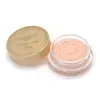 Key Ingredients
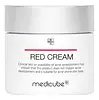
Benefits
Concerns
Ingredients Side-by-side
Dimethicone
Emollient

Cyclopentasiloxane
Emollient
Talc
Abrasive
Dimethicone/Vinyl Dimethicone Crosspolymer
Skin Conditioning
Mica
Cosmetic ColorantTitanium Dioxide
Cosmetic Colorant

Isotridecyl Isononanoate
EmollientVinyl Dimethicone/Methicone Silsesquioxane Crosspolymer

Stearic Acid
Cleansing



Aluminum Hydroxide
EmollientPhenoxyethanol
Preservative
Silica Dimethyl Silylate
EmollientSilica
Abrasive
Water
Skin ConditioningButylene Glycol
Humectant
Squalane
Emollient
Ascorbyl Tetraisopalmitate
Antioxidant


Simmondsia Chinensis Seed Oil
Emollient
Olea Europaea Fruit
Abrasive
Hydroxyapatite
Abrasive
Alcohol
Antimicrobial



Sodium Hyaluronate
Humectant

Camellia Sinensis Leaf Extract
Antimicrobial

Astragalus Sinicus Extract
Skin ConditioningCynara Scolymus Leaf Extract
Skin ConditioningCI 77491
Cosmetic ColorantCI 77492
Cosmetic ColorantCI 77499
Cosmetic ColorantDimethicone, Cyclopentasiloxane, Talc, Dimethicone/Vinyl Dimethicone Crosspolymer, Mica, Titanium Dioxide, Isotridecyl Isononanoate, Vinyl Dimethicone/Methicone Silsesquioxane Crosspolymer, Stearic Acid, Aluminum Hydroxide, Phenoxyethanol, Silica Dimethyl Silylate, Silica, Water, Butylene Glycol, Squalane, Ascorbyl Tetraisopalmitate, Simmondsia Chinensis Seed Oil, Olea Europaea Fruit, Hydroxyapatite, Alcohol, Sodium Hyaluronate, Camellia Sinensis Leaf Extract, Astragalus Sinicus Extract, Cynara Scolymus Leaf Extract, CI 77491, CI 77492, CI 77499
Glycerin
Humectant
Stearyl Alcohol
Emollient
Cetyl Alcohol
Emollient
Glyceryl Stearate
Emollient
Niacinamide
Smoothing


Methylpropanediol
SolventHydrogenated Poly(C6-14 Olefin)
EmollientPolyglyceryl-3 Distearate
Emulsifying
1,2-Hexanediol
Skin Conditioning
Dimethicone
Emollient
Dimethyl Sulfone
SolventCetyl Ethylhexanoate
EmollientButyrospermum Parkii Butter
Skin Conditioning
Palmitic Acid
Emollient
C12-14 Alketh-12
EmulsifyingStearic Acid
Cleansing
Sodium Stearoyl Glutamate
CleansingGlyceryl Stearate Citrate
Emollient
Allantoin
Skin Conditioning
Carbomer
Emulsion StabilisingTromethamine
BufferingSalicylic Acid
Masking
O-Cymen-5-Ol
Antimicrobial
4-Terpineol
Masking
Ethylhexylglycerin
Skin ConditioningZinc PCA
Humectant
Adenosine
Skin Conditioning
Butylene Glycol
Humectant
Colloidal Sulfur
Antimicrobial
Disodium EDTA
Melaleuca Alternifolia Leaf Oil
Antioxidant

Myristyl Alcohol
Emollient
Glucose
Humectant
Coptis Japonica Extract
AntimicrobialTocopherol
Antioxidant
Lauryl Alcohol
Emollient
Myristic Acid
Cleansing
Arachidic Acid
Cleansing
Oleic Acid
Emollient
Limonene
Perfuming
Troxerutin
Skin Conditioning
Pentylene Glycol
Skin Conditioning
Propanediol
Solvent
Camellia Sinensis Leaf Extract
Antimicrobial
Centella Asiatica Leaf Extract
Skin Conditioning
Cladosiphon Okamuranus Extract
Skin ConditioningSalix Alba Bark Extract
Astringent
Decyl Glucoside
Cleansing
Levulinic Acid
Perfuming
Coffea Arabica Seed Extract
Masking
Geraniol
Perfuming
Citrus Aurantium Bergamia Leaf Extract
AstringentPinus Densiflora Leaf Extract
Antimicrobial
Lepidium Meyenii Root Extract
Skin ConditioningAsparagus Cochinchinensis Root Extract
Skin ConditioningAureobasidium Pullulans Ferment
Skin ConditioningHydroxycinnamic Acid
Skin ConditioningRutin
Antioxidant
Glycerin, Stearyl Alcohol, Cetyl Alcohol, Glyceryl Stearate, Niacinamide, Methylpropanediol, Hydrogenated Poly(C6-14 Olefin), Polyglyceryl-3 Distearate, 1,2-Hexanediol, Dimethicone, Dimethyl Sulfone, Cetyl Ethylhexanoate, Butyrospermum Parkii Butter, Palmitic Acid, C12-14 Alketh-12, Stearic Acid, Sodium Stearoyl Glutamate, Glyceryl Stearate Citrate, Allantoin, Carbomer, Tromethamine, Salicylic Acid, O-Cymen-5-Ol, 4-Terpineol, Ethylhexylglycerin, Zinc PCA, Adenosine, Butylene Glycol, Colloidal Sulfur, Disodium EDTA, Melaleuca Alternifolia Leaf Oil, Myristyl Alcohol, Glucose, Coptis Japonica Extract, Tocopherol, Lauryl Alcohol, Myristic Acid, Arachidic Acid, Oleic Acid, Limonene, Troxerutin, Pentylene Glycol, Propanediol, Camellia Sinensis Leaf Extract, Centella Asiatica Leaf Extract, Cladosiphon Okamuranus Extract, Salix Alba Bark Extract, Decyl Glucoside, Levulinic Acid, Coffea Arabica Seed Extract, Geraniol, Citrus Aurantium Bergamia Leaf Extract, Pinus Densiflora Leaf Extract, Lepidium Meyenii Root Extract, Asparagus Cochinchinensis Root Extract, Aureobasidium Pullulans Ferment, Hydroxycinnamic Acid, Rutin
Reviews
Ingredients Explained
These ingredients are found in both products.
Ingredients higher up in an ingredient list are typically present in a larger amount.
Butylene Glycol (or BG) is used within cosmetic products for a few different reasons:
Overall, Butylene Glycol is a safe and well-rounded ingredient that works well with other ingredients.
Though this ingredient works well with most skin types, some people with sensitive skin may experience a reaction such as allergic rashes, closed comedones, or itchiness.
Learn more about Butylene GlycolCamellia Sinensis Leaf Extract (tea extract) is one of the most well-researched plant extracts in skincare with an impressive resume.
Black tea, green tea, and oolong tea are all harvested from the Camellia Sinensis plant.
Studies show green tea extract and its catechins (like epigallocatechin gallate (EGCG)) help your skin cells product energy more efficiently and reducing the number of free-radicals that can damage your skin from the inside.
In lab-grown skin models, this translated to younger, healthier, and stronger skin.
There's also good sun protection data; researchers saw less DNA damage and redness on human skin when green tea was applied before UVB exposure. And the more they applied, the better the protection.
Needless to say, this ingredient shouldn't replace your sunscreen. But it is a great supportive ingredient that you can already find in many sunscreens and antioxidant serums.
A 2009 study found a 2% green tea lotion was effective for mild-to-moderate acne thanks to its anti-inflammatory and mild antimicrobial activity.
The quality of the extract matters a lot here:
Good extracts contain 50-90% catechins while lower quality ones are mostly there for marketing. We recommend reaching out to the brand if you have questions about the quality or source of their ingredients.
Human Repeated Insult Patch Testing showed no irritation or sensitization at use concentrations (0.86% in leave-on products and up to 30% as leaf water).
Learn more about Camellia Sinensis Leaf ExtractDimethicone is a type of synthetic silicone created from natural materials such as quartz. It is also known as polydimethylsiloxane.
What it does:
Dimethicone comes in different viscosities:
Depending on the viscosity, dimethicone has different properties.
Ingredients lists don't always show which type is used, so we recommend reaching out to the brand if you have questions about the viscosity.
This ingredient is unlikely to cause irritation because it does not get absorbed into skin. However, people with silicone allergies should be careful about using this ingredient.
Note: Dimethicone may contribute to pilling. This is because it is not oil or water soluble, so pilling may occur when layered with products. When mixed with heavy oils in a formula, the outcome is also quite greasy.
Learn more about DimethiconeStearic Acid is a fatty acid that is already found in your skin. It's one of the free fatty acids that works alongside ceramides and cholesterols to maintain your barrier.
In cosmetics, it is a multitasker:
Safety-wise, the CIR Expert Panel has concluded it to be safe in cosmetics when formulated to be non-irritating and non-sensitizing.
Free stearic acid is a C18 fatty acid that the Malassezia yeast can substrate, so this ingredient may not be fungal acne safe.
Learn more about Stearic Acid

