This oil-control moisturizer is formulated around Potassium Azeloyl Diglycinate and Niacinamide to balance excess oil and clear breakouts.
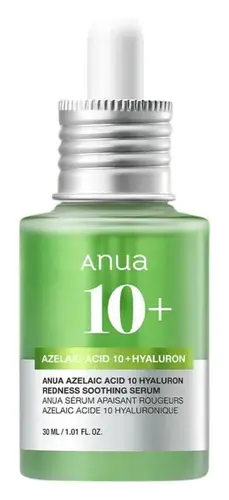
This acne toner is formulated around Azelaic Acid and Salicylic Acid to clear breakouts and calm redness.


What's inside
What's inside
 Key Ingredients
Benefits
Concerns
Ingredients Side-by-side
Water
Skin ConditioningPotassium Azeloyl Diglycinate
Skin Conditioning




Niacinamide
Smoothing







Pentylene Glycol
Skin Conditioning
Diisopropyl Adipate
EmollientGlycerin
Humectant
Caprylyl Methicone
Skin Conditioning
Arginine
Masking
Methyl Methacrylate Crosspolymer
Sodium Hyaluronate Crosspolymer
Humectant
Acrylates/C10-30 Alkyl Acrylate Crosspolymer
Emulsion StabilisingTocopheryl Acetate
Antioxidant

Tranexamic Acid
Astringent
Silica
Abrasive
C12-20 Alkyl Glucoside
EmulsifyingC14-22 Alcohols
Emulsion Stabilising
Butylene Glycol
Humectant
Zinc PCA
Humectant
Retinol
Skin Conditioning


Hydroxypinacolone Retinoate
Skin Conditioning
Caprylic/Capric Triglyceride
Masking
Dimethyl Isosorbide
SolventHydrogenated Lecithin
Emulsifying
Physalis Angulata Extract
Skin ProtectingPalmitoyl Hydroxypropyltrimonium Amylopectin/Glycerin Crosspolymer
Skin ConditioningPolysorbate 20
Emulsifying
Squalane
Emollient
Sodium Carbomer
Emulsion Stabilising1,2-Hexanediol
Skin Conditioning
Tocopherol
Antioxidant
Glucose
Humectant
Phenylpropanol
Masking

Propanediol
Solvent
Caprylyl Glycol
Emollient
Disodium EDTA
ChelatingSodium Metabisulfite
Antioxidant
BHT
Antioxidant
BHA
Antioxidant
Water, Potassium Azeloyl Diglycinate, Niacinamide, Pentylene Glycol, Diisopropyl Adipate, Glycerin, Caprylyl Methicone, Arginine, Methyl Methacrylate Crosspolymer, Sodium Hyaluronate Crosspolymer, Acrylates/C10-30 Alkyl Acrylate Crosspolymer, Tocopheryl Acetate, Tranexamic Acid, Silica, C12-20 Alkyl Glucoside, C14-22 Alcohols, Butylene Glycol, Zinc PCA, Retinol, Hydroxypinacolone Retinoate, Caprylic/Capric Triglyceride, Dimethyl Isosorbide, Hydrogenated Lecithin, Physalis Angulata Extract, Palmitoyl Hydroxypropyltrimonium Amylopectin/Glycerin Crosspolymer, Polysorbate 20, Squalane, Sodium Carbomer, 1,2-Hexanediol, Tocopherol, Glucose, Phenylpropanol, Propanediol, Caprylyl Glycol, Disodium EDTA, Sodium Metabisulfite, BHT, BHA
Water
Skin ConditioningAzelaic Acid
Buffering
1,2-Hexanediol
Skin Conditioning
Sodium Hydroxide
BufferingPropylene Glycol
Humectant
Salicylic Acid
Masking

Dipotassium Glycyrrhizate
Humectant
Propanediol
Solvent
PPG-13-Decyltetradeceth-24
EmulsifyingButylene Glycol
Humectant
Disodium EDTA
ChelatingMelia Azadirachta Leaf Extract
Skin ConditioningGlycerin
Humectant
Rosmarinus Officinalis Leaf Oil
Masking
Melia Azadirachta Flower Extract
Skin ConditioningCynanchum Atratum Extract
Skin ConditioningMelaleuca Alternifolia Leaf Oil
Antioxidant
Epilobium Angustifolium Flower/Leaf/Stem Extract
Skin ConditioningEthylhexylglycerin
Skin ConditioningAlthaea Rosea Flower Extract
Skin ConditioningDocosahexaenoic Acid
Skin Conditioning
Citric Acid
Buffering
Tocopherol
Antioxidant
Madecassoside
Antioxidant
Centella Asiatica Extract
Cleansing
Panthenol
Skin Conditioning
Glycine Soja Protein
EmulsifyingCentella Asiatica Leaf Extract
Skin Conditioning
Asiaticoside
Antioxidant
Allantoin
Skin Conditioning
Ectoin
Skin Conditioning
Glycyrrhizic Acid
HumectantHydroxyethylcellulose
Emulsion StabilisingSuccinic Acid
BufferingZinc PCA
Humectant
O-Cymen-5-Ol
Antimicrobial
Sodium Hyaluronate
Humectant
Glycolic Acid
Buffering
Potassium Azeloyl Diglycinate
Skin Conditioning
Coco-Caprylate/Caprate
Emollient
Sodium Hyaluronate Crosspolymer
Humectant
Centella Asiatica Root Extract
Skin Conditioning
Hydrogenated Lecithin
Emulsifying
Polyglutamic Acid
Skin Conditioning
Xylose
HumectantAsiatic Acid
Skin Conditioning
Madecassic Acid
Skin Conditioning
Totarol
Antioxidant
Squalane
Emollient
Chlorella Vulgaris Extract
Skin ConditioningCeramide NP
Skin Conditioning
Water, Azelaic Acid, 1,2-Hexanediol, Sodium Hydroxide, Propylene Glycol, Salicylic Acid, Dipotassium Glycyrrhizate, Propanediol, PPG-13-Decyltetradeceth-24, Butylene Glycol, Disodium EDTA, Melia Azadirachta Leaf Extract, Glycerin, Rosmarinus Officinalis Leaf Oil, Melia Azadirachta Flower Extract, Cynanchum Atratum Extract, Melaleuca Alternifolia Leaf Oil, Epilobium Angustifolium Flower/Leaf/Stem Extract, Ethylhexylglycerin, Althaea Rosea Flower Extract, Docosahexaenoic Acid, Citric Acid, Tocopherol, Madecassoside, Centella Asiatica Extract, Panthenol, Glycine Soja Protein, Centella Asiatica Leaf Extract, Asiaticoside, Allantoin, Ectoin, Glycyrrhizic Acid, Hydroxyethylcellulose, Succinic Acid, Zinc PCA, O-Cymen-5-Ol, Sodium Hyaluronate, Glycolic Acid, Potassium Azeloyl Diglycinate, Coco-Caprylate/Caprate, Sodium Hyaluronate Crosspolymer, Centella Asiatica Root Extract, Hydrogenated Lecithin, Polyglutamic Acid, Xylose, Asiatic Acid, Madecassic Acid, Totarol, Squalane, Chlorella Vulgaris Extract, Ceramide NP
Reviews
Ingredients Explained
These ingredients are found in both products.
Ingredients higher up in an ingredient list are typically present in a larger amount.
1,2-Hexanediol is a synthetic liquid and another multi-functional powerhouse.
It is a:
- Humectant, drawing moisture into the skin
- Emollient, helping to soften skin
- Solvent, dispersing and stabilizing formulas
- Preservative booster, enhancing the antimicrobial activity of other preservatives
Butylene Glycol (or BG) is used within cosmetic products for a few different reasons:
Overall, Butylene Glycol is a safe and well-rounded ingredient that works well with other ingredients.
Though this ingredient works well with most skin types, some people with sensitive skin may experience a reaction such as allergic rashes, closed comedones, or itchiness.
Learn more about Butylene GlycolDisodium EDTA is a chelating agent. It grabs onto and deactivates metal ions that sneak into your products from water, packaging, or air.
This ingredient mainly works behind the scenes and helps with:
On top of that, this ingredient can counteract the effects of hard water by binding to the minerals in it.
One thing worth knowing is that Disodium EDTA has been shown to be a mild penetration enhancer. It can help other ingredients absorb into skin more effectively which can be a double-edged sword (great for actives, but can also make the active too strong if you have sensitive skin).
Clinical patch testing showed no significant skin irritation at typical use concentrations and minimal dermal absorption.
You'll most likely see this ingredient near the end of an ingredient list. It's typically found in concentrations less than 1%.
Learn more about Disodium EDTAGlycerin (or glycerol) is a compound naturally found in your skin. It's a powerhouse humectant that pulls water into the stratum corneum.
Topically, glycerin does several things at once:
Your skin makes glycerin on its own (mostly from sebaceous oil breakdown) and shuttles it to your outermost layer of skin, or your epidermis, via aquaporin-3.
Aquaporin-3 is a transporter that is essential for normal skin hydration, elasticity, and repair. Interestingly, mice lacking in AQP3 have dry and less elastic skin that can be fully corrected with glycerin.
This ingredient is non-irritating, plays well with almost every ingredient, and works across all skin types. Typical use is anywhere between 3-10% but can go up to 79% in some leave-on products.
Just know very high concentrations (>40%) can feel tacky in low humidity.
Glycerin is the name for this ingredient in American English. British English uses Glycerol/Glycerine.
Learn more about GlycerinHydrogenated Lecithin is a more stable version of lecithin.
It's made by taking lecithin (a phospholipid commonly found in soybeans and egg yolks) and hydrogenating it. This just means the unsaturated fatty acids are turned into saturated ones so they don't go bad as easily.
This ingredient is an emollient, emulsifier, and penetration enhancer. As an emollient, it helps soften and hydrate skin by trapping moisture within. As an emulsifier, it prevents oil and water ingredients from separating.
Hydrogenated Lecithin can form tiny spherical structures made of phospholipid bilayers called liposomes. These liposomes are able to capture compounds inside their structure and deliver them through the skin barrier.
Because phospholipids are a natural component of our cell membranes, this ingredient is inherently compatible with skin.
A 2021 study found lecithin-based surfactants were less harsh and more tolerable comared to Sodium Lauryl Sulfate (SLS).
Learn more about Hydrogenated LecithinPotassium Azeloyl Diglycinate (PAD) comes from the condensation of azelaic acid mixed with glycine.
This ingredient has similar properties to azelaic acid; it can help reduce sebum production and soothe skin. PAD also inhibits tyrosinase activity to help brighten skin. Tyrosinase is an enzyme that controls melanin production.
A study from 2023 found 5% PAD combined with nicotinamide (a form of niacin) effectively reduced melanin production after 6 weeks.
Several studies from the 2010's also show PAD to be effective in alleviating symptoms of Rosacea.
Though this ingredient is considered a gentle active, higher amounts may result in irritation.
Unlike azelaic acid, this ingredient is water-soluble. This property makes it easier to formulate into skincare products.
Learn more about Potassium Azeloyl DiglycinatePropanediol is an all-star ingredient. It softens, hydrates, and smooths the skin.
It’s often used to:
Propanediol is not likely to cause sensitivity and considered safe to use. It is derived from corn or petroleum with a clear color and no scent.
Learn more about PropanediolSodium Hyaluronate Crosspolymer is a crosslinked version of sodium hyaluronate. This just means it's linked into a 3D mesh network that lets it be more stable and sit on skin as a cohesive, gel-like film rather than sinking into skin.
A 2016 human skin study found crosslinked HA increased epidermal water content by 7.6% over the control group and reduced transepidermal water loss by 27.8%.
A follow-up clinical trial found that a topical crosslinked HA serum applied after fillers, microneedling, or chemical peels was well-tolerated and enhanced skin quality at 14 / 28 days.
More recent research suggests that concentrations as low as 0.03% can act as a penetration enhancer for other skincare actives.
Learn more about Sodium Hyaluronate CrosspolymerSqualane is the hydrogenated and shelf-stable form of squalene (a lipid that naturally occurs in human sebum).
It is an emollient and skin conditioning agent that is able to integrate seamlessly into the skin's lipid barrier without clogging pores.
This is due to how structurally similar it is to what your skin already produces.
Though it is mostly an emollient that helps soften and hydrate skin, it also has some humectant and occlusive action. Humectants help the skin retain moisture while occlusives seal it in, making squalane a triple-threat moisturizer.
Research shows it has antioxidant capabilities that help protect against stressors like UV exposure, specifically UVA induced oxidative stress. This study also found that it supports collagen biosynthesis in human dermal fibroblasts.
No clinical study has reported significant adverse effects and irritation reactions are very rare from this ingredient (even at 100% concentration).
Overall, it's a fantastic ingredient for hydration and is suitable for all skin types.
This depends on the source. Squalane can be derived from both plants and animals. Most squalane used in skincare comes from plants.
Please note: the source of squalane is only known if disclosed by the brand. We recommend reaching out to the brand if you have any questions about their squalane.
Read more about squalene with an "e".
Though squalane is often called an oil, it’s technically not one. It is a hydrocarbon, meaning it is only made of carbon and hydrogen. True oils are triglycerides and made of fatty acids and glycerol.
The term “oil-free” isn’t regulated so companies can define it however they want. Some exclude all oils, while others just avoid mineral oil or comedogenic oils.
Squalane has a comedogenic rating of 1 from the original 1972 study that tested raw ingredients under occlusion on rabbit ears. This system is not standardized or peer-reviewed, and using the raw ingredients is very different from how diluted cosmetic formulations are used on human skin.
A comedogenic rating of 1 means it is "unlikely to clog pores" according to the original rating system.
The overall formula of a product matters more than the individual ingredients on whether or not it will cause clogged pores.
Learn more about SqualaneTocopherol is a fat-soluble antioxidant known as Vitamin E.
You'll find this ingredient in the vast majority of skincare (for good reason). It works to neutralize free radicals, or unstable molecules generated by UV exposure, pollution, and other environmental stressors, before they can cause oxidative damage to your skin cells.
Topically applied tocopherol has been shown to protect against UV damage by ramping up the skin's own natural defense enzymes.
It also acts as a skin conditioning agent; some studies show that regular topical use can improve the skin's water-binding capacity over 2-4 weeks.
This ingredient is especially loved for being a team player. When combined with Vitamin C, the photoprotective effect of both ingredients roughly doubles and the combo also helps reduce UV-induced DNA damage.
This ingredient has some brightening potential but it's more of a prevention ingredient than spot-fader. Cell studies show it can slow down melanin production but it's worth noting that it's not the most powerful brightener out there.
In formulations, it also serves as a stabilizer that helps protect other oxidation-prone ingredients from degrading.
Concentrations usually range from 0.1-1% in most leave-on products.
Learn more about TocopherolWater. It's the most common cosmetic ingredient of all. You'll usually see it at the top of ingredient lists, meaning that it makes up the largest part of the product.
So why is it so popular? Water most often acts as a solvent - this means that it helps dissolve other ingredients into the formulation.
You'll also recognize water as that liquid we all need to stay alive. If you see this, drink a glass of water. Remember to stay hydrated!
Learn more about WaterZinc PCA is a clever two-in-one molecule: the zinc salt of pyrrolidone carboxylic acid (PCA).
Think of it as two useful things bonded together; the PCA half is one of your skin's own natural moisturizing factors (NMF) so it helps hold water in the upper layers. On the other hand, the zinc half does the heavy lifting on oil and bacteria.
The zinc part slows down an enzyme that turns testosterone into DHT, the hormone that tells your oil glands to pump out more sebum. Less of that signal means less oil. It also gently fights acne-causing bacteria and soothes redness/irritation.
This is why Zinc PCA often shows up in products for oily, breakout-prone skin and greasy scalps.
One lab study also hinted it might have a small anti-aging perk because it seemed to protect collagen from UVA damage and even helped the skin make a bit more of it. That last bit is still early research done in a dish and not real skin, so take it as a nice bonus rather than a promise for now.
As for scar healing, the picture is more "maybe" than a firm yes. Zinc itself plays a real role in wound repair because it is a cofactor for the enzymes involved in collagen building, calming inflammation, and helping new skin cells cover a wound. Lower zinc levels are also linked to slower healing.
Most of the scar healing research is on zinc oxide or oral zinc rather than zinc PCA specifically, with a focus on healing fresh wounds instead of scars that are already there.
Direct evidence that zinc PCA improves the look of established scars is still limited at this time. Though it would be fair to say zinc PCA supports the general skin-repair environment thanks to its zinc content .
This ingredient is water-soluble and plays nicely with other actives like niacinamide and salicylic acid. It works best at mildly acidic formulas (~4-6 pH) and is effective at low levels. Around 0.1% is enough to be active and finished products commonly use it anywhere up to 4%.
Overall, this is a well-tolerated, low-drama multitasker that suits oily and acne-prone skin.
Learn more about Zinc PCA