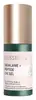
This anti-aging eye moisturizer is formulated around Squalane and Niacinamide to soften the look of wrinkles and hydrate skin.
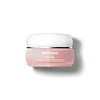
This calming eye moisturizer is formulated around Acetyl Glucosamine and Lactobacillus Ferment to calm redness and soften the look of wrinkles.


What's inside
What's inside
 Key Ingredients
Benefits
Concerns
Ingredients Side-by-side
Water
Skin ConditioningAloe Barbadensis Leaf Juice
Skin Conditioning


Squalane
Emollient

Niacinamide
Smoothing







Glycerin
Humectant
Panthenol
Skin Conditioning
Chondrus Crispus Extract
Skin Conditioning

Malus Domestica Fruit Cell Culture Extract
Skin ConditioningAcetyl Tetrapeptide-5
Humectant
Acetyl Hexapeptide-8
Humectant
Tocopherol
Antioxidant

Pentylene Glycol
Skin Conditioning
Cucumis Sativus Fruit Extract
Emollient
Tetrahexyldecyl Ascorbate
Antioxidant
Camellia Sinensis Leaf Extract
Antimicrobial
Lycium Barbarum Fruit Extract
Astringent
Lycopene
Antioxidant
Vitis Vinifera Skin Extract
Antioxidant
Sodium Hyaluronate
Humectant
Caffeine
Skin Conditioning
Acacia Senegal Gum
MaskingDimethicone Crosspolymer
Emulsion Stabilising
Xanthan Gum
EmulsifyingCarbomer
Emulsion StabilisingEthyl Lauroyl Arginate Hcl
Skin ConditioningLecithin
Emollient
Ammonium Acryloyldimethyltaurate/Vp Copolymer
Silica
Abrasive
Phenoxyethanol
Preservative
Potassium Sorbate
Preservative
Citric Acid
Buffering

Caprylyl Glycol
Emollient
Water, Aloe Barbadensis Leaf Juice, Squalane, Niacinamide, Glycerin, Panthenol, Chondrus Crispus Extract, Malus Domestica Fruit Cell Culture Extract, Acetyl Tetrapeptide-5, Acetyl Hexapeptide-8, Tocopherol, Pentylene Glycol, Cucumis Sativus Fruit Extract, Tetrahexyldecyl Ascorbate, Camellia Sinensis Leaf Extract, Lycium Barbarum Fruit Extract, Lycopene, Vitis Vinifera Skin Extract, Sodium Hyaluronate, Caffeine, Acacia Senegal Gum, Dimethicone Crosspolymer, Xanthan Gum, Carbomer, Ethyl Lauroyl Arginate Hcl, Lecithin, Ammonium Acryloyldimethyltaurate/Vp Copolymer, Silica, Phenoxyethanol, Potassium Sorbate, Citric Acid, Caprylyl Glycol
Water
Skin ConditioningButylene Glycol
Humectant
Isopropyl Isostearate
Emollient

Glycerin
Humectant
Triolein
Skin Conditioning
Sodium Polyacryloyldimethyl Taurate
Emulsion StabilisingSucrose
Humectant
Tapioca Starch
Acetyl Glucosamine
Skin Conditioning
Lactobacillus Ferment
Skin Conditioning
Trametes Versicolor Extract
Algae Extract
Emollient
Chamomilla Recutita Flower Extract
Masking
Helianthus Annuus Seed Oil
Emollient
Hydrolyzed Rice Extract
Skin Conditioning
Centaurium Erythraea Extract
Skin ConditioningAscophyllum Nodosum Extract
Skin Conditioning
Alteromonas Ferment Extract
Skin Conditioning
Rosmarinus Officinalis Leaf Extract
AntimicrobialPaeonia Suffruticosa Root Extract
Skin ProtectingCistus Incanus Flower/Leaf/Stem Extract
Skin ConditioningArtemia Extract
Skin ConditioningAsparagopsis Armata Extract
Skin Protecting
Crataegus Monogyna Flower Extract
Skin ConditioningGlucose
Humectant
Trehalose
Humectant
Caffeine
Skin Conditioning
Panthenol
Skin Conditioning
Coco-Caprylate/Caprate
Emollient
Sorbitol
Humectant
Dipotassium Glycyrrhizate
Humectant
Triheptanoin
Skin ConditioningSodium Hyaluronate
Humectant
Tocopheryl Acetate
Antioxidant
Caprylyl Glycol
Emollient
Glyceryl Dioleate
Emollient
Sodium PCA
Humectant
Polyglyceryl-6 Caprylate
EmulsifyingPolyglyceryl-4 Caprate
EmulsifyingAcrylates/C10-30 Alkyl Acrylate Crosspolymer
Emulsion StabilisingSodium Hydroxide
BufferingDisodium EDTA
ChelatingHexylene Glycol
EmulsifyingC9-12 Alkane
SolventDilinoleic Acid/Butanediol Copolymer
Citric Acid
Buffering
Triacetin
AntimicrobialUrea
Buffering
Hydroxyethyl Urea
Humectant
Castor Oil/Ipdi Copolymer
Polyquaternium-51
Skin Conditioning
BHT
Antioxidant
Phenoxyethanol
Preservative
Potassium Sorbate
Preservative
Chlorphenesin
Antimicrobial
Sorbic Acid
Preservative
Sodium Benzoate
Masking
Water, Butylene Glycol, Isopropyl Isostearate, Glycerin, Triolein, Sodium Polyacryloyldimethyl Taurate, Sucrose, Tapioca Starch, Acetyl Glucosamine, Lactobacillus Ferment, Trametes Versicolor Extract, Algae Extract, Chamomilla Recutita Flower Extract, Helianthus Annuus Seed Oil, Hydrolyzed Rice Extract, Centaurium Erythraea Extract, Ascophyllum Nodosum Extract, Alteromonas Ferment Extract, Rosmarinus Officinalis Leaf Extract, Paeonia Suffruticosa Root Extract, Cistus Incanus Flower/Leaf/Stem Extract, Artemia Extract, Asparagopsis Armata Extract, Crataegus Monogyna Flower Extract, Glucose, Trehalose, Caffeine, Panthenol, Coco-Caprylate/Caprate, Sorbitol, Dipotassium Glycyrrhizate, Triheptanoin, Sodium Hyaluronate, Tocopheryl Acetate, Caprylyl Glycol, Glyceryl Dioleate, Sodium PCA, Polyglyceryl-6 Caprylate, Polyglyceryl-4 Caprate, Acrylates/C10-30 Alkyl Acrylate Crosspolymer, Sodium Hydroxide, Disodium EDTA, Hexylene Glycol, C9-12 Alkane, Dilinoleic Acid/Butanediol Copolymer, Citric Acid, Triacetin, Urea, Hydroxyethyl Urea, Castor Oil/Ipdi Copolymer, Polyquaternium-51, BHT, Phenoxyethanol, Potassium Sorbate, Chlorphenesin, Sorbic Acid, Sodium Benzoate
Reviews
Ingredients Explained
These ingredients are found in both products.
Ingredients higher up in an ingredient list are typically present in a larger amount.
Caffeine is a naturally occurring plant compound found in coffee beans, tea leaves, cocoa pods, and guarana.
As an antioxidant, caffeine protects your skin from free radical damage caused by UV exposure and envionrmnetal stressors.
Early research also shows that caffeine can help calm redness, soothe irritated skin, and support hair growth by stimulating microcirculation in the scalp.
You might have seen eye creams marketing caffeine as a depuffing ingredient. This is because it is a vasoconstrictor meaning it can temporarily constrict blood vessels, though clinical evidence for this specific use is still limited.
Most skincare products contain this ingredient at concentrations between 1-6%. It is able to penetrate skin easily regardless of skin type or thickness.
Just so you know, a very small number of case reports describe caffeine-induced allergy. This ingredient is generally well-tolerated, non-irritating, and non-sensitizing for the majority of people.
Learn more about CaffeineCaprylyl Glycol is a humectant, skin conditioner, emollient, and preservative booster derived from either caprylic acid or synthetically created.
Typical use levels vary from 0.3-1% as a preservative booster and go up to 2% to condition skin.
Because it is not a free-fatty acid, this ingredient is fungal acne safe (there's nothing for Malassezia to feed on).
Learn more about Caprylyl GlycolCitric Acid is an alpha hydroxy acid (AHA) naturally found in citrus fruits like oranges, lemons, and limes.
Like other AHAs, citric acid can exfoliate skin by breaking down the bonds that hold dead skin cells together. This helps reveal smoother and brighter skin underneath.
However, this exfoliating effect only happens at high concentrations (20%) which can be hard to find in cosmetic products.
Due to this, citric acid is usually included in small amounts as a pH adjuster. This helps keep products slightly more acidic and compatible with skin's natural pH.
In skincare formulas, citric acid can:
While it can provide some skin benefits, research shows lactic acid and glycolic acid are generally more effective and less irritating exfoliants.
Most citric acid used in skincare today is made by fermenting sugars (usually from molasses). This synthetic version is identical to the natural citrus form but easier to stabilize and use in formulations.
Rosacea skin has a lower threshold for acids generally, with 62.5% of rosacea subjects in one study reacting to lactic acid in a sting test. This is why we mark citric acid as a potential rosacea trigger.
However, this ingredient shows up as a pH adjuster or chelator at roughly 0.1-1% in many products. These low levels are unlikely to be an issue for rosacea skin and becomes a potential trigger at exfoliating concentrations (20%). Because everybody's skin is unique, we recommend a patch test if you are unsure.
Learn more about Citric AcidGlycerin (or glycerol) is a compound naturally found in your skin. It's a powerhouse humectant that pulls water into the stratum corneum.
Topically, glycerin does several things at once:
Your skin makes glycerin on its own (mostly from sebaceous oil breakdown) and shuttles it to your outermost layer of skin, or your epidermis, via aquaporin-3.
Aquaporin-3 is a transporter that is essential for normal skin hydration, elasticity, and repair. Interestingly, mice lacking in AQP3 have dry and less elastic skin that can be fully corrected with glycerin.
This ingredient is non-irritating, plays well with almost every ingredient, and works across all skin types. Typical use is anywhere between 3-10% but can go up to 79% in some leave-on products.
Just know very high concentrations (>40%) can feel tacky in low humidity.
Glycerin is the name for this ingredient in American English. British English uses Glycerol/Glycerine.
Learn more about GlycerinPanthenol is a common ingredient that helps hydrate and soothe the skin. It is found naturally in our skin and hair.
There are two forms of panthenol: D and L.
D-panthenol is also known as dexpanthenol. Most cosmetics use dexpanthenol or a mixture of D and L-panthenol.
Panthenol is famous due to its ability to go deeper into the skin's layers. Using this ingredient has numerous pros (and no cons):
Like hyaluronic acid, panthenol is a humectant. Humectants are able to bind and hold large amounts of water to keep skin hydrated.
This ingredient works well for wound healing. It works by increasing tissue in the wound and helps close open wounds.
Once oxidized, panthenol converts to pantothenic acid. Panthothenic acid is found in all living cells.
This ingredient is also referred to as pro-vitamin B5.
Learn more about PanthenolPhenoxyethanol is one of the most widely used preservatives in skincare (and for good reason!).
It has a large spectrum of antimicrobial activity and especially effective bacteria, yeast, and mold while only having a weak effect on your skin's natural microbiome.
On a cellular level, it disrupts the cell membranes of microbes by poking holes that make the cell leak. This shuts down the chemical reactions the microbe needs to make energy so it can no longer survive.
Another perk of this ingredient is that it stays functional across a wide pH range (3-10).
You'll often see it paired with boosters like Ethylhexylglycerin; one study showed that a 1:9 ratio of Ethylhexylglycerin to Phenoxyethanol damages bacterial membranes as effectively as doubling the Phenoxyethanol concentration on its own.
Typical use concentrations range from 0.3-1% depending on the formula, and this ingredient is capped at 1% int the EU.
Safety-wise, the fear mongering does not hold up to the evidence. The EU's Scientific Committee on Consumer Safety and FDA consider it safe as a preservative at up to 1%, including for children of all ages.
Adverse systemic effects only showed up in animal studies at exposures roughly 200x higher than what people get from cosmetics. And despite its very widespread use, this ingredient is a rare sensitizer and allergic reactions are uncommon.
Learn more about PhenoxyethanolPotassium Sorbate is a preservative used to prevent yeast and mold in products. It is commonly found in both cosmetic and food products.
This ingredient comes from potassium salt derived from sorbic acid. Sorbic acid is a natural antibiotic and effective against fungus.
Both potassium sorbate and sorbic acid can be found in baked goods, cheeses, dried meats, dried fruit, ice cream, pickles, wine, yogurt, and more.
You'll often find this ingredient used with other preservatives.
Learn more about Potassium SorbateSodium Hyaluronate is the salt form of hyaluronic acid. It is a long sugar chain that is naturally found in your skin, joints, and connective tissue that maintains hydration and elasticity.
In skincare, it works as a humectant. It pulls water from the environment and deeper layers of skin and binds it to the surface.
Interestingly, the size of the molecule affects its behavior:
Some clinical evidence links low molecular weight versions to improved wrinkle depth, elasticity, anti-inflammatory effects, and barrier repair.
Many serums use a blend of both weights so you can get surface hydration plus longer-lasting and deeper effects.
You'll typically see concentrations between 0.1-2% for this ingredient.
Learn more about Sodium HyaluronateWater. It's the most common cosmetic ingredient of all. You'll usually see it at the top of ingredient lists, meaning that it makes up the largest part of the product.
So why is it so popular? Water most often acts as a solvent - this means that it helps dissolve other ingredients into the formulation.
You'll also recognize water as that liquid we all need to stay alive. If you see this, drink a glass of water. Remember to stay hydrated!
Learn more about Water

