

What's inside
What's inside
 Key Ingredients
Benefits
Concerns
No concerns
Ingredients Side-by-side
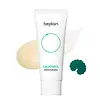
Centella Asiatica Extract 67.8%
Cleansing



Glycerin
Humectant


Butylene Glycol
Humectant
Propanediol
Solvent
Water
Skin ConditioningPentaerythrityl Tetraisostearate
Emollient
Niacinamide
Smoothing




Coco-Caprylate/Caprate
Emollient
1,2-Hexanediol
Skin Conditioning
Ammonium Acryloyldimethyltaurate/Vp Copolymer
Isononyl Isononanoate
EmollientCetearyl Olivate
Sorbitan Olivate
Emulsifying
Carbomer
Emulsion StabilisingTromethamine
BufferingPanthenol
Skin Conditioning
Ethylhexylglycerin
Skin ConditioningDicaprylyl Carbonate
EmollientAllantoin
Skin Conditioning
Glyceryl Acrylate/Acrylic Acid Copolymer
HumectantAdenosine
Skin Conditioning
Beta-Sitosterol
Emulsion Stabilising
Glucose
Humectant
Hydrogenated Lecithin
Emulsifying
Pentylene Glycol
Skin ConditioningMadecassoside
Antioxidant
Cynanchum Atratum Extract
Skin ConditioningSodium Hyaluronate
Humectant
Asiaticoside
Antioxidant
Madecassic Acid
Skin Conditioning
Asiatic Acid
Skin ConditioningCentella Asiatica Extract 67.8%, Glycerin, Butylene Glycol, Propanediol, Water, Pentaerythrityl Tetraisostearate, Niacinamide, Coco-Caprylate/Caprate, 1,2-Hexanediol, Ammonium Acryloyldimethyltaurate/Vp Copolymer, Isononyl Isononanoate, Cetearyl Olivate, Sorbitan Olivate, Carbomer, Tromethamine, Panthenol, Ethylhexylglycerin, Dicaprylyl Carbonate, Allantoin, Glyceryl Acrylate/Acrylic Acid Copolymer, Adenosine, Beta-Sitosterol, Glucose, Hydrogenated Lecithin, Pentylene Glycol, Madecassoside, Cynanchum Atratum Extract, Sodium Hyaluronate, Asiaticoside, Madecassic Acid, Asiatic Acid
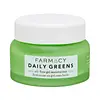
Water
Skin ConditioningPropanediol
Solvent
C13-15 Alkane
SolventGlycerin
Humectant
1,2-Hexanediol
Skin Conditioning
Niacinamide
Smoothing
Betaine
Humectant
Inulin
Skin ConditioningMoringa Oleifera Leaf Water
Skin ConditioningMoringa Oleifera Seed Extract
Skin Conditioning
Carica Papaya Fruit Extract
Skin ConditioningFructose
Humectant
Sodium Polyglutamate
HumectantSodium Hyaluronate Crosspolymer
Humectant
Sodium Acetylated Hyaluronate
Humectant
Hydrolyzed Sodium Hyaluronate
Skin Conditioning
Sodium Hyaluronate
Humectant
Saccharide Isomerate
Humectant
Corallina Officinalis Extract
Skin Conditioning
Melia Azadirachta Leaf Extract
Skin ConditioningMelia Azadirachta Flower Extract
Skin ConditioningAllantoin
Skin Conditioning
Sodium Polyacrylate
Absorbent
Carbomer
Emulsion StabilisingCellulose Gum
Emulsion StabilisingPentylene Glycol
Skin ConditioningSodium Phytate
Potassium Hydroxide
BufferingXanthan Gum
EmulsifyingCellulose
AbsorbentGlucose
Humectant
Silica
Abrasive


Ethylhexylglycerin
Skin ConditioningSodium Benzoate
Masking
Maltodextrin
Absorbent
Gluconolactone
Skin Conditioning

Curcuma Longa Root Extract
Masking
Ocimum Basilicum Flower/Leaf Extract
TonicOcimum Sanctum Leaf Extract
Skin Conditioning
Tocopherol
Antioxidant
Xylitylglucoside
Humectant
Arachidyl Alcohol
EmollientBehenyl Alcohol
Emollient
Arachidyl Glucoside
EmulsifyingPhenethyl Alcohol
MaskingXylitol
Humectant
Anhydroxylitol
Humectant
Water, Propanediol, C13-15 Alkane, Glycerin, 1,2-Hexanediol, Niacinamide, Betaine, Inulin, Moringa Oleifera Leaf Water, Moringa Oleifera Seed Extract, Carica Papaya Fruit Extract, Fructose, Sodium Polyglutamate, Sodium Hyaluronate Crosspolymer, Sodium Acetylated Hyaluronate, Hydrolyzed Sodium Hyaluronate, Sodium Hyaluronate, Saccharide Isomerate, Corallina Officinalis Extract, Melia Azadirachta Leaf Extract, Melia Azadirachta Flower Extract, Allantoin, Sodium Polyacrylate, Carbomer, Cellulose Gum, Pentylene Glycol, Sodium Phytate, Potassium Hydroxide, Xanthan Gum, Cellulose, Glucose, Silica, Ethylhexylglycerin, Sodium Benzoate, Maltodextrin, Gluconolactone, Curcuma Longa Root Extract, Ocimum Basilicum Flower/Leaf Extract, Ocimum Sanctum Leaf Extract, Tocopherol, Xylitylglucoside, Arachidyl Alcohol, Behenyl Alcohol, Arachidyl Glucoside, Phenethyl Alcohol, Xylitol, Anhydroxylitol
Reviews
Ingredients Explained
These ingredients are found in both products.
Ingredients higher up in an ingredient list are typically present in a larger amount.
1,2-Hexanediol is a synthetic liquid and another multi-functional powerhouse.
It is a:
- Humectant, drawing moisture into the skin
- Emollient, helping to soften skin
- Solvent, dispersing and stabilizing formulas
- Preservative booster, enhancing the antimicrobial activity of other preservatives
Allantoin is a soothing ingredient known for its protective and moisturizingg properties. Because of this, it is often added to products with strong active ingredients.
Studies show higher concentrations of this ingredient can promote wound healing.
Though it can be derived from the comfrey plant, allantoin is produced synthetically for cosmetic products to ensure purity.
Learn more about AllantoinCarbomer is a polymer of acrylic acid. Its main role is to create a gel consistency.
A high amount of carbomer can cause pilling or balling up of products. Don't worry, most products contain 1% or less of carbomer.
Ethylhexylglycerin (we can't pronounce this either) is commonly used as a preservative and skin softener. It is derived from glyceryl.
You might see Ethylhexylglycerin often paired with other preservatives such as phenoxyethanol. Ethylhexylglycerin has been found to increase the effectiveness of these other preservatives.
Glucose is a simple sugar and is the most important source of energy in all organisms.
In skincare, glucose is used to hydrate the skin. It also acts as a prebiotic for our natural biome.
Glucose is hydrating due to its humectant property. As a humectant, glucose draws moisture from the air and from deeper levels in the skin.
Our skin contains many sugars that act as prebiotics and help strengthen our natural microbiome. Having a healthy microbiome helps protect our skin from harmful bacteria and other contaminants.
Studies show glucose may help with fading discoloration and pigmentation. This is because our skin metabolizes glucose into lactic acid. Lactic acid is an AHA that helps exfoliate the top layer of skin.
Learn more about GlucoseGlycerin is already naturally found in your skin. It helps moisturize and protect your skin.
A study from 2016 found glycerin to be more effective as a humectant than AHAs and hyaluronic acid.
As a humectant, it helps the skin stay hydrated by pulling moisture to your skin. The low molecular weight of glycerin allows it to pull moisture into the deeper layers of your skin.
Hydrated skin improves your skin barrier; Your skin barrier helps protect against irritants and bacteria.
Glycerin has also been found to have antimicrobial and antiviral properties. Due to these properties, glycerin is often used in wound and burn treatments.
In cosmetics, glycerin is usually derived from plants such as soybean or palm. However, it can also be sourced from animals, such as tallow or animal fat.
This ingredient is organic, colorless, odorless, and non-toxic.
Glycerin is the name for this ingredient in American English. British English uses Glycerol/Glycerine.
Learn more about GlycerinNiacinamide is a multitasking form of vitamin B3 that strengthens the skin barrier, reduces pores and dark spots, regulates oil, and improves signs of aging.
And the best part? It's gentle and well-tolerated by most skin types, including sensitive and reactive skin.
You might have heard of "niacin flush", or the reddening of skin that causes itchiness. Niacinamide has not been found to cause this.
In very rare cases, some individuals may not be able to tolerate niacinamide at all or experience an allergic reaction to it.
If you are experiencing flaking, irritation, and dryness with this ingredient, be sure to double check all your products as this ingredient can be found in all categories of skincare.
When incorporating niacinamide into your routine, look out for concentration amounts. Typically, 5% niacinamide provides benefits such as fading dark spots. However, if you have sensitive skin, it is better to begin with a smaller concentration.
When you apply niacinamide to your skin, your body converts it into nicotinamide adenine dinucleotide (NAD). NAD is an essential coenzyme that is already found in your cells as "fuel" and powers countless biological processes.
In your skin, NAD helps repair cell damage, produce new healthy cells, support collagen production, strengthen the skin barrier, and fight environmental stressors (like UV and pollution).
Our natural NAD levels start to decline with age, leading to slower skin repair, visible aging, and a weaker skin barrier. By providing your skin niacinamide, you're recharging your skin's NAD levels. This leads to stronger, healthier, and younger looking skin.
Another name for vitamin B3 is nicotinamide. This vitamin is water-soluble and our bodies don't store it. We obtain Vitamin B3 from either food or skincare. Meat, fish, wheat, yeast, and leafy greens contain vitamin B3.
The type of niacinamide used in skincare is synthetically created.
Learn more about NiacinamidePentylene glycol is typically used within a product to thicken it. It also adds a smooth, soft, and moisturizing feel to the product. It is naturally found in plants such as sugar beets.
The hydrophilic trait of Pentylene Glycol makes it a humectant. As a humectant, Pentylene Glycol helps draw moisture from the air to your skin. This can help keep your skin hydrated.
This property also makes Pentylene Glycol a great texture enhancer. It can also help thicken or stabilize a product.
Pentylene Glycol also acts as a mild preservative and helps to keep a product microbe-free.
Some people may experience mild eye and skin irritation from Pentylene Glycol. We always recommend speaking with a professional about using this ingredient in your routine.
Pentylene Glycol has a low molecular weight and is part of the 1,2-glycol family.
Learn more about Pentylene GlycolPropanediol is an all-star ingredient. It softens, hydrates, and smooths the skin.
It’s often used to:
Propanediol is not likely to cause sensitivity and considered safe to use. It is derived from corn or petroleum with a clear color and no scent.
Learn more about PropanediolSodium Hyaluronate is hyaluronic acid's salt form. It is commonly derived from the sodium salt of hyaluronic acid.
Like hyaluronic acid, it is great at holding water and acts as a humectant. This makes it a great skin hydrating ingredient.
Sodium Hyaluronate is naturally occurring in our bodies and is mostly found in eye fluid and joints.
These are some other common types of Hyaluronic Acid:
Learn more about Sodium HyaluronateWater. It's the most common cosmetic ingredient of all. You'll usually see it at the top of ingredient lists, meaning that it makes up the largest part of the product.
So why is it so popular? Water most often acts as a solvent - this means that it helps dissolve other ingredients into the formulation.
You'll also recognize water as that liquid we all need to stay alive. If you see this, drink a glass of water. Stay hydrated!
Learn more about Water
