This chemical sunscreen covers most of the UV range, lighter on the deep UVA that drives aging.
This chemical sunscreen covers the full UV range and blocks ~98% of UVB at SPF 50.

What's inside
What's inside
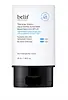 Key Ingredients
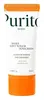
Benefits
Concerns
Ingredients Side-by-side
Butyl Methoxydibenzoylmethane 2.7%
UV Absorber
Homosalate 9%
Skin Conditioning
Ethylhexyl Salicylate 4.5%
UV Absorber
Octocrylene 9%
UV Absorber

Water
Skin ConditioningGlycerin
Humectant


Dimethicone
Emollient
Cetearyl Alcohol
Emollient





Potassium Cetyl Phosphate
EmulsifyingPanthenol
Skin Conditioning

Benzotriazolyl Dodecyl P-Cresol
UV Absorber1,2-Hexanediol
Skin Conditioning
Glyceryl Caprylate
EmollientIsododecane
EmollientGlyceryl Stearate
Emollient
Niacinamide
Smoothing







Caprylic/Capric Triglyceride
Masking
Acrylates/Polytrimethylsiloxymethacrylate Copolymer
Skin ConditioningCetearyl Olivate
Inulin Lauryl Carbamate
Emulsion StabilisingSorbitan Olivate
Emulsifying
Sodium Polyacryloyldimethyl Taurate
Emulsion StabilisingMagnesium Aluminum Silicate
Absorbent
Tromethamine
BufferingXanthan Gum
EmulsifyingButylene Glycol
Humectant
Trisodium EDTA
ChelatingMyristica Fragrans Extract
MaskingStellaria Media Extract
Skin ConditioningAlchemilla Vulgaris Leaf Extract
Antioxidant
Equisetum Arvense Leaf Extract
AstringentUrtica Dioica Leaf Extract
Skin ConditioningRubus Idaeus Leaf Extract
Skin ConditioningNepeta Cataria Extract
TonicCalendula Officinalis Flower Extract
Masking
Avena Sativa Kernel Extract
Abrasive
Baptisia Tinctoria Root Extract
Skin ConditioningLonicera Japonica Flower Extract
Skin ConditioningMorinda Citrifolia Fruit Extract
Skin Conditioning
Citrus Aurantium Dulcis Peel Oil
Masking

Citrus Aurantifolia Oil
Cleansing
Pelargonium Graveolens Flower Oil
Masking
Rosmarinus Officinalis Leaf Oil
Masking
Butyl Methoxydibenzoylmethane 2.7%, Homosalate 9%, Ethylhexyl Salicylate 4.5%, Octocrylene 9%, Water, Glycerin, Dimethicone, Cetearyl Alcohol, Potassium Cetyl Phosphate, Panthenol, Benzotriazolyl Dodecyl P-Cresol, 1,2-Hexanediol, Glyceryl Caprylate, Isododecane, Glyceryl Stearate, Niacinamide, Caprylic/Capric Triglyceride, Acrylates/Polytrimethylsiloxymethacrylate Copolymer, Cetearyl Olivate, Inulin Lauryl Carbamate, Sorbitan Olivate, Sodium Polyacryloyldimethyl Taurate, Magnesium Aluminum Silicate, Tromethamine, Xanthan Gum, Butylene Glycol, Trisodium EDTA, Myristica Fragrans Extract, Stellaria Media Extract, Alchemilla Vulgaris Leaf Extract, Equisetum Arvense Leaf Extract, Urtica Dioica Leaf Extract, Rubus Idaeus Leaf Extract, Nepeta Cataria Extract, Calendula Officinalis Flower Extract, Avena Sativa Kernel Extract, Baptisia Tinctoria Root Extract, Lonicera Japonica Flower Extract, Morinda Citrifolia Fruit Extract, Citrus Aurantium Dulcis Peel Oil, Citrus Aurantifolia Oil, Pelargonium Graveolens Flower Oil, Rosmarinus Officinalis Leaf Oil
Water
Skin ConditioningPropanediol
Solvent
Dibutyl Adipate
EmollientDicaprylyl Carbonate
EmollientDiethylamino Hydroxybenzoyl Hexyl Benzoate
UV Filter
Ethylhexyl Triazone
UV Absorber
Bis-Ethylhexyloxyphenol Methoxyphenyl Triazine
UV Absorber
Amylopectin
Butylene Glycol
Humectant
Methylene Bis-Benzotriazolyl Tetramethylbutylphenol
UV Filter
Glycerin
Humectant
Behenyl Alcohol
Emollient
Poly C10-30 Alkyl Acrylate
Emulsion StabilisingPolyglyceryl-3 Methylglucose Distearate
Emulsifying
Sodium Acrylates Crosspolymer-2
AbsorbentCarbomer
Emulsion StabilisingTromethamine
BufferingDecyl Glucoside
Cleansing
Acrylates/C10-30 Alkyl Acrylate Crosspolymer
Emulsion StabilisingBisabolol
Antioxidant
Panthenol
Skin Conditioning
Caprylhydroxamic Acid
ChelatingCentella Asiatica Extract
Cleansing
Tocopherol
Antioxidant
Ceramide NP
Skin Conditioning
Dipropylene Glycol
HumectantCholesterol
Emollient
Propylene Glycol
Humectant
Xanthan Gum
EmulsifyingGlyceryl Stearate
Emollient
Ceramide As
Skin Conditioning
Ceramide AP
Skin Conditioning
Ceramide Ns
Skin Conditioning
Hydrogenated Lecithin
Emulsifying
Ceramide EOP
Skin Conditioning
Water, Propanediol, Dibutyl Adipate, Dicaprylyl Carbonate, Diethylamino Hydroxybenzoyl Hexyl Benzoate, Ethylhexyl Triazone, Bis-Ethylhexyloxyphenol Methoxyphenyl Triazine, Amylopectin, Butylene Glycol, Methylene Bis-Benzotriazolyl Tetramethylbutylphenol, Glycerin, Behenyl Alcohol, Poly C10-30 Alkyl Acrylate, Polyglyceryl-3 Methylglucose Distearate, Sodium Acrylates Crosspolymer-2, Carbomer, Tromethamine, Decyl Glucoside, Acrylates/C10-30 Alkyl Acrylate Crosspolymer, Bisabolol, Panthenol, Caprylhydroxamic Acid, Centella Asiatica Extract, Tocopherol, Ceramide NP, Dipropylene Glycol, Cholesterol, Propylene Glycol, Xanthan Gum, Glyceryl Stearate, Ceramide As, Ceramide AP, Ceramide Ns, Hydrogenated Lecithin, Ceramide EOP
Reviews
Ingredients Explained
These ingredients are found in both products.
Ingredients higher up in an ingredient list are typically present in a larger amount.
Butylene Glycol (or BG) is used within cosmetic products for a few different reasons:
Overall, Butylene Glycol is a safe and well-rounded ingredient that works well with other ingredients.
Though this ingredient works well with most skin types, some people with sensitive skin may experience a reaction such as allergic rashes, closed comedones, or itchiness.
Learn more about Butylene GlycolGlycerin (or glycerol) is a compound naturally found in your skin. It's a powerhouse humectant that pulls water into the stratum corneum.
Topically, glycerin does several things at once:
Your skin makes glycerin on its own (mostly from sebaceous oil breakdown) and shuttles it to your outermost layer of skin, or your epidermis, via aquaporin-3.
Aquaporin-3 is a transporter that is essential for normal skin hydration, elasticity, and repair. Interestingly, mice lacking in AQP3 have dry and less elastic skin that can be fully corrected with glycerin.
This ingredient is non-irritating, plays well with almost every ingredient, and works across all skin types. Typical use is anywhere between 3-10% but can go up to 79% in some leave-on products.
Just know very high concentrations (>40%) can feel tacky in low humidity.
Glycerin is the name for this ingredient in American English. British English uses Glycerol/Glycerine.
Learn more about GlycerinGlyceryl Stearate is made by reacting glycerin with stearic acid (typically sourced from plant oils like palm or coconut). It's an emulsifier, emollient, and mild occlusive.
Emulsifiers help ingredients like oil and water stay mixed so your formula stays nicely blended and uniform in texture.
This ingredient is typically used in concentrations between 1-10%. Studies have found it to be non-sensitizing, non-phototoxic, and non-photoallergenic.
A close cousin of this ingredient is Glyceryl Stearate SE ("self-emulsifying"). This just has a small amount of sodium or potassium stearate added so it can emulsify without a co-emulsifier.
Since this ingredient is an ester of a C18 fatty acid, it may not be fungal acne safe. The Malassezia yeast can potentially metabolize within the C11-C24 range.
Fun fact: The human body also creates Glyceryl Stearate naturally.
Learn more about Glyceryl StearatePanthenol is a common ingredient that helps hydrate and soothe the skin. It is found naturally in our skin and hair.
There are two forms of panthenol: D and L.
D-panthenol is also known as dexpanthenol. Most cosmetics use dexpanthenol or a mixture of D and L-panthenol.
Panthenol is famous due to its ability to go deeper into the skin's layers. Using this ingredient has numerous pros (and no cons):
Like hyaluronic acid, panthenol is a humectant. Humectants are able to bind and hold large amounts of water to keep skin hydrated.
This ingredient works well for wound healing. It works by increasing tissue in the wound and helps close open wounds.
Once oxidized, panthenol converts to pantothenic acid. Panthothenic acid is found in all living cells.
This ingredient is also referred to as pro-vitamin B5.
Learn more about PanthenolTromethamine (aka THAM) is a synthetic amino acid that shows up in skincare as a helper ingredient.
It functions as a pH adjuster to help neutralize acidic ingredients and set a formula's pH to the right spot.
This matters a lot because a lot of actives (like vitamin C) needs a specific pH to work well and feel comfortable on skin.
Concentration use ranges from 0.1-1.0% depending on the formula.
Learn more about TromethamineWater. It's the most common cosmetic ingredient of all. You'll usually see it at the top of ingredient lists, meaning that it makes up the largest part of the product.
So why is it so popular? Water most often acts as a solvent - this means that it helps dissolve other ingredients into the formulation.
You'll also recognize water as that liquid we all need to stay alive. If you see this, drink a glass of water. Remember to stay hydrated!
Learn more about WaterXanthan gum is used as a stabilizer and thickener within cosmetic products. It helps give products a sticky, thick feeling - preventing them from being too runny.
On the technical side of things, xanthan gum is a polysaccharide - a combination consisting of multiple sugar molecules bonded together.
Xanthan gum is a pretty common and great ingredient. It is a natural, non-toxic, non-irritating ingredient that is also commonly used in food products.
Learn more about Xanthan Gum

