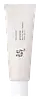
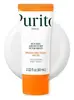
Beauty of Joseon Relief Sun : Rice + Probiotics SPF 50+ PA++++ Versus PURITO Sun Day Adventure Sunscreen SPF 50
This chemical sunscreen covers the full UV range and blocks ~98% of UVB at SPF 50.
This chemical sunscreen covers most of the UV range, lighter on the deep UVA that drives aging.

What's inside
What's inside
 Key Ingredients
Benefits
Concerns
Ingredients Side-by-side
Water
Skin ConditioningDibutyl Adipate
EmollientPropanediol
Solvent

Diethylamino Hydroxybenzoyl Hexyl Benzoate
UV Filter
Polymethylsilsesquioxane

Ethylhexyl Triazone
UV Absorber
Niacinamide
Smoothing










Methylene Bis-Benzotriazolyl Tetramethylbutylphenol
UV Filter
Coco-Caprylate/Caprate
Emollient
Caprylyl Methicone
Skin Conditioning
Diethylhexyl Butamido Triazone
UV Absorber
Glycerin
Humectant
1,2-Hexanediol
Skin Conditioning
Butylene Glycol
Humectant
Oryza Sativa Extract
Absorbent
Oryza Sativa Germ Extract
EmollientCamellia Sinensis Leaf Extract
Antimicrobial
Lactobacillus/Pumpkin Ferment Extract
Skin ConditioningBacillus/Soybean Ferment Extract
Skin ConditioningSaccharum Officinarum Extract
MoisturisingMacrocystis Pyrifera Extract
Skin Conditioning

Cocos Nucifera Fruit Extract
Emollient
Panax Ginseng Root Extract
Emollient
Monascus/Rice Ferment
Antioxidant
Behenyl Alcohol
Emollient
Poly C10-30 Alkyl Acrylate
Emulsion StabilisingPolyglyceryl-3 Methylglucose Distearate
Emulsifying

Decyl Glucoside
Cleansing
Tromethamine
BufferingCarbomer
Emulsion StabilisingAcrylates/C10-30 Alkyl Acrylate Crosspolymer
Emulsion StabilisingSodium Stearoyl Glutamate
CleansingPolyacrylate Crosspolymer-6
Emulsion StabilisingAdenosine
Skin Conditioning
Xanthan Gum
EmulsifyingT-Butyl Alcohol
Perfuming



Tocopherol
Antioxidant
Lactobacillus/Rice Ferment
Skin Conditioning
Aspergillus Ferment
Skin ConditioningSaccharomyces/Rice Ferment Filtrate
Skin Conditioning
Pentylene Glycol
Skin Conditioning
Ethylhexylglycerin
Skin ConditioningWater, Dibutyl Adipate, Propanediol, Diethylamino Hydroxybenzoyl Hexyl Benzoate, Polymethylsilsesquioxane, Ethylhexyl Triazone, Niacinamide, Methylene Bis-Benzotriazolyl Tetramethylbutylphenol, Coco-Caprylate/Caprate, Caprylyl Methicone, Diethylhexyl Butamido Triazone, Glycerin, 1,2-Hexanediol, Butylene Glycol, Oryza Sativa Extract, Oryza Sativa Germ Extract, Camellia Sinensis Leaf Extract, Lactobacillus/Pumpkin Ferment Extract, Bacillus/Soybean Ferment Extract, Saccharum Officinarum Extract, Macrocystis Pyrifera Extract, Cocos Nucifera Fruit Extract, Panax Ginseng Root Extract, Monascus/Rice Ferment, Behenyl Alcohol, Poly C10-30 Alkyl Acrylate, Polyglyceryl-3 Methylglucose Distearate, Decyl Glucoside, Tromethamine, Carbomer, Acrylates/C10-30 Alkyl Acrylate Crosspolymer, Sodium Stearoyl Glutamate, Polyacrylate Crosspolymer-6, Adenosine, Xanthan Gum, T-Butyl Alcohol, Tocopherol, Lactobacillus/Rice Ferment, Aspergillus Ferment, Saccharomyces/Rice Ferment Filtrate, Pentylene Glycol, Ethylhexylglycerin
Butyl Methoxydibenzoylmethane 3%
UV Absorber
Homosalate 9%
Skin Conditioning
Ethylhexyl Salicylate 4.5%
UV Absorber
Octocrylene 5%
UV Absorber
Water
Skin ConditioningDipropylene Glycol
HumectantMethyl Methacrylate Crosspolymer
Glyceryl Polymethacrylate
Propylene Glycol
Humectant
Acrylates Copolymer
Butyloctyl Salicylate
Skin Conditioning
Ceteareth-20
Cleansing
Ethylhexyl Methoxycrylene
Skin Conditioning
Polysorbate 60
Emulsifying
Sorbitan Stearate
Emulsifying
Caprylyl Glycol
Emollient
Cetearyl Olivate
Panthenol
Skin Conditioning
Sorbitan Olivate
Emulsifying
Acrylates/C10-30 Alkyl Acrylate Crosspolymer
Emulsion StabilisingEthylhexylglycerin
Skin ConditioningTromethamine
BufferingSodium Acrylate/Sodium Acryloyldimethyl Taurate Copolymer
Emulsion Stabilising1,2-Hexanediol
Skin Conditioning
Isohexadecane
EmollientAmmonium Acryloyldimethyltaurate/Vp Copolymer
BHT
Antioxidant
Butylene Glycol
Humectant
Polysorbate 80
Emulsifying
Trisodium Ethylenediamine Disuccinate
ChelatingSorbitan Oleate
Emulsifying
Xanthan Gum
EmulsifyingOenanthe Javanica Extract
AntimicrobialButyl Methoxydibenzoylmethane 3%, Homosalate 9%, Ethylhexyl Salicylate 4.5%, Octocrylene 5%, Water, Dipropylene Glycol, Methyl Methacrylate Crosspolymer, Glyceryl Polymethacrylate, Propylene Glycol, Acrylates Copolymer, Butyloctyl Salicylate, Ceteareth-20, Ethylhexyl Methoxycrylene, Polysorbate 60, Sorbitan Stearate, Caprylyl Glycol, Cetearyl Olivate, Panthenol, Sorbitan Olivate, Acrylates/C10-30 Alkyl Acrylate Crosspolymer, Ethylhexylglycerin, Tromethamine, Sodium Acrylate/Sodium Acryloyldimethyl Taurate Copolymer, 1,2-Hexanediol, Isohexadecane, Ammonium Acryloyldimethyltaurate/Vp Copolymer, BHT, Butylene Glycol, Polysorbate 80, Trisodium Ethylenediamine Disuccinate, Sorbitan Oleate, Xanthan Gum, Oenanthe Javanica Extract
Reviews
Ingredients Explained
These ingredients are found in both products.
Ingredients higher up in an ingredient list are typically present in a larger amount.
1,2-Hexanediol is a synthetic liquid and another multi-functional powerhouse.
It is a:
- Humectant, drawing moisture into the skin
- Emollient, helping to soften skin
- Solvent, dispersing and stabilizing formulas
- Preservative booster, enhancing the antimicrobial activity of other preservatives
Acrylates/C10-30 Alkyl Acrylate Crosspolymer is a synthetic polymer. It is used to thicken, emulsify, and improve the texture of products.
As an emulsifier, it helps stabilize oil-in-water emulsions to give products an elegant feel when applied.
It can also form a thin protective film on skin. One study found that a formula using this polymer helped slow down how quickly other ingredients (like DEET) were absorbed through skin.
A 2024 study of over 1,300 patients confirmed that sensitization to this ingredient is rare. It is also non-mutagenic and has a clean track record.
Learn more about Acrylates/C10-30 Alkyl Acrylate CrosspolymerButylene Glycol (or BG) is used within cosmetic products for a few different reasons:
Overall, Butylene Glycol is a safe and well-rounded ingredient that works well with other ingredients.
Though this ingredient works well with most skin types, some people with sensitive skin may experience a reaction such as allergic rashes, closed comedones, or itchiness.
Learn more about Butylene GlycolEthylhexylglycerin is created from glycerin. It is a multitasker ingredient that:
The CIR Expert Panel found minimal skin absorption or sensitization of any kind in a safety assessment. Though this ingredient is considered well-tolerated, a small number of cases of allergic dermatitis have been published since 2002. Just be sure to patch test if you are unsure.
Industry-reported use ranges from 8% in rinse-off products and 2% in leave-on formulations.
Learn more about EthylhexylglycerinTromethamine (aka THAM) is a synthetic amino acid that shows up in skincare as a helper ingredient.
It functions as a pH adjuster to help neutralize acidic ingredients and set a formula's pH to the right spot.
This matters a lot because a lot of actives (like vitamin C) needs a specific pH to work well and feel comfortable on skin.
Concentration use ranges from 0.1-1.0% depending on the formula.
Learn more about TromethamineWater. It's the most common cosmetic ingredient of all. You'll usually see it at the top of ingredient lists, meaning that it makes up the largest part of the product.
So why is it so popular? Water most often acts as a solvent - this means that it helps dissolve other ingredients into the formulation.
You'll also recognize water as that liquid we all need to stay alive. If you see this, drink a glass of water. Remember to stay hydrated!
Learn more about WaterXanthan gum is used as a stabilizer and thickener within cosmetic products. It helps give products a sticky, thick feeling - preventing them from being too runny.
On the technical side of things, xanthan gum is a polysaccharide - a combination consisting of multiple sugar molecules bonded together.
Xanthan gum is a pretty common and great ingredient. It is a natural, non-toxic, non-irritating ingredient that is also commonly used in food products.
Learn more about Xanthan Gum

