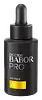
This anti-aging serum is formulated around Hydroxypinacolone Retinoate and Retinyl Palmitate to soften the look of wrinkles and refine skin texture.
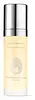
This anti-aging serum is formulated around Bifida Ferment Lysate and Bakuchiol to soften the look of wrinkles and strengthen the skin barrier.


What's inside
What's inside
 Key Ingredients
Benefits
Concerns
Ingredients Side-by-side
Water
Skin ConditioningDimethyl Isosorbide
SolventTocopherol
Antioxidant







Helianthus Annuus Seed Oil
Emollient


Phenoxyethanol
Preservative
Hydroxypinacolone Retinoate
Skin Conditioning





Sodium Acrylate/Sodium Acryloyldimethyl Taurate Copolymer
Emulsion StabilisingAcrylates/C10-30 Alkyl Acrylate Crosspolymer
Emulsion StabilisingPolyisobutene
Ethylhexylglycerin
Skin ConditioningRetinyl Palmitate
Skin Conditioning
Disodium EDTA
ChelatingSodium Hydroxide
BufferingCaprylyl/Capryl Glucoside
CleansingWater, Dimethyl Isosorbide, Tocopherol, Helianthus Annuus Seed Oil, Phenoxyethanol, Hydroxypinacolone Retinoate, Sodium Acrylate/Sodium Acryloyldimethyl Taurate Copolymer, Acrylates/C10-30 Alkyl Acrylate Crosspolymer, Polyisobutene, Ethylhexylglycerin, Retinyl Palmitate, Disodium EDTA, Sodium Hydroxide, Caprylyl/Capryl Glucoside
Water
Skin ConditioningGlycerin
Humectant
Simmondsia Chinensis Seed Oil
Emollient
Bifida Ferment Lysate
Skin Conditioning
Saccharomyces/Grape Ferment Extract
Skin Conditioning
Lactococcus Ferment Lysate
Skin Conditioning
Helianthus Annuus Seed Oil
Emollient
Caprylyl/Capryl Glucoside
CleansingLeuconostoc/Radish Root Ferment Filtrate
Antimicrobial
Xylitylglucoside
Humectant
Avena Sativa Kernel Oil
Skin Conditioning
Hydrolyzed Jojoba Esters
Skin Conditioning
Cyclodextrin
AbsorbentBakuchiol
Antimicrobial
Anhydroxylitol
Humectant
Citrus Limon Peel Powder
AbsorbentSclerotium Gum
Emulsion StabilisingSodium Polyglutamate
HumectantXylitol
Humectant
Amorphophallus Konjac Root Extract
HumectantPhospholipids
Skin Conditioning
Cocos Nucifera Fruit Extract
Emollient


Hyaluronic Acid
Humectant
Parfum
Masking


Rubus Chamaemorus Seed Oil
Skin Conditioning
Glucose
Humectant
Ceteareth-25
CleansingPentylene Glycol
Skin Conditioning
Retinal
Skin Conditioning
Lupinus Albus Seed Extract
Skin ConditioningCetyl Alcohol
Emollient
Plankton Extract
Skin ConditioningSaccharomyces/Copper Ferment
Skin Conditioning
Saccharomyces/Iron Ferment
Skin Conditioning
Saccharomyces/Magnesium Ferment
Saccharomyces/Silicon Ferment
Skin Conditioning
Saccharomyces/Zinc Ferment
Skin Conditioning
Lonicera Caprifolium Flower Extract
Perfuming
Sodium Chloride
MaskingBehenic Acid
Cleansing
Ceramide NP
Skin Conditioning
Cholesterol
Emollient
Lonicera Japonica Flower Extract
Skin ConditioningAcetic Acid
BufferingTocopherol
Antioxidant
Ceramide Ns
Skin Conditioning
Ceramide AP
Skin Conditioning
Ceramide EOP
Skin Conditioning
Ceramide Eos
Skin Conditioning
Caprooyl Phytosphingosine
Skin Conditioning
Caprooyl Sphingosine
Skin ConditioningLactobacillus
Skin ConditioningLactic Acid
Buffering
O-Cymen-5-Ol
Antimicrobial
Benzyl Alcohol
Perfuming

Sodium Benzoate
Masking
Cinnamyl Alcohol
Perfuming
Geraniol
Perfuming
Linalool
Perfuming
Sorbitol
Humectant
Water, Glycerin, Simmondsia Chinensis Seed Oil, Bifida Ferment Lysate, Saccharomyces/Grape Ferment Extract, Lactococcus Ferment Lysate, Helianthus Annuus Seed Oil, Caprylyl/Capryl Glucoside, Leuconostoc/Radish Root Ferment Filtrate, Xylitylglucoside, Avena Sativa Kernel Oil, Hydrolyzed Jojoba Esters, Cyclodextrin, Bakuchiol, Anhydroxylitol, Citrus Limon Peel Powder, Sclerotium Gum, Sodium Polyglutamate, Xylitol, Amorphophallus Konjac Root Extract, Phospholipids, Cocos Nucifera Fruit Extract, Hyaluronic Acid, Parfum, Rubus Chamaemorus Seed Oil, Glucose, Ceteareth-25, Pentylene Glycol, Retinal, Lupinus Albus Seed Extract, Cetyl Alcohol, Plankton Extract, Saccharomyces/Copper Ferment, Saccharomyces/Iron Ferment, Saccharomyces/Magnesium Ferment, Saccharomyces/Silicon Ferment, Saccharomyces/Zinc Ferment, Lonicera Caprifolium Flower Extract, Sodium Chloride, Behenic Acid, Ceramide NP, Cholesterol, Lonicera Japonica Flower Extract, Acetic Acid, Tocopherol, Ceramide Ns, Ceramide AP, Ceramide EOP, Ceramide Eos, Caprooyl Phytosphingosine, Caprooyl Sphingosine, Lactobacillus, Lactic Acid, O-Cymen-5-Ol, Benzyl Alcohol, Sodium Benzoate, Cinnamyl Alcohol, Geraniol, Linalool, Sorbitol
Ingredients Explained
These ingredients are found in both products.
Ingredients higher up in an ingredient list are typically present in a larger amount.
This ingredient is a mild surfactant made by sticking glucose onto a blend of fatty acids.
It does two jobs because it has a sugar head that loves water and a fatty tail that loves oil:
Typical use levels range from 10-20% in cleansers and 15-30% in shower products.
Once on your skin, your skin's glucoside hydrolases breaks it down into glucose and the parent fatty alcohols.
This ingredient is considered fungal acne safe because its fatty alcohol portion sits outside the Malassezia yeast's metabolization range.
Learn more about Caprylyl/Capryl GlucosideHelianthus Annuus Seed Oil is a plant oil derived from the seeds of a sunflower.
It is rich in fatty acids, primarily linoleic acid and oleic acid. This gives it emollient and skin conditioning properties.
The reason this ingredient is so effective is because it forms a thin film on the skin that reduces transepidermal water loss (TEWL) while supplying linoleic acid to the stratum corneum to improve barrier strength.
The high linoleic acid content is particularly noteworthy for acne-prone skin.
Research suggests that acne-prone skin tends to be deficient in linoleic acid in sebum. Topical application may help replenish this to support a healthier follicular environment and less comedone-promoting sebum.
One randomized study found sunflower seed oil preserved skin barrier integrity in adult volunteers with and without atopic dermatitis (outperforming olive oil).
This ingredient is well-studied, gentle, and an effective emollient suitable for most skin types.
On fungal acne: This ingredient may not be Fungal acne (Malassezia folliculitis) safe. This is because it contains fatty acids with carbon chain lengths in the C11-C24 range.
Learn more about Helianthus Annuus Seed OilTocopherol is a fat-soluble antioxidant known as Vitamin E.
You'll find this ingredient in the vast majority of skincare (for good reason). It works to neutralize free radicals, or unstable molecules generated by UV exposure, pollution, and other environmental stressors, before they can cause oxidative damage to your skin cells.
Topically applied tocopherol has been shown to protect against UV damage by ramping up the skin's own natural defense enzymes.
It also acts as a skin conditioning agent; some studies show that regular topical use can improve the skin's water-binding capacity over 2-4 weeks.
This ingredient is especially loved for being a team player. When combined with Vitamin C, the photoprotective effect of both ingredients roughly doubles and the combo also helps reduce UV-induced DNA damage.
This ingredient has some brightening potential but it's more of a prevention ingredient than spot-fader. Cell studies show it can slow down melanin production but it's worth noting that it's not the most powerful brightener out there.
In formulations, it also serves as a stabilizer that helps protect other oxidation-prone ingredients from degrading.
Concentrations usually range from 0.1-1% in most leave-on products.
Learn more about TocopherolWater. It's the most common cosmetic ingredient of all. You'll usually see it at the top of ingredient lists, meaning that it makes up the largest part of the product.
So why is it so popular? Water most often acts as a solvent - this means that it helps dissolve other ingredients into the formulation.
You'll also recognize water as that liquid we all need to stay alive. If you see this, drink a glass of water. Remember to stay hydrated!
Learn more about Water

