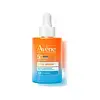
This chemical sunscreen covers the full UV range and blocks ~98% of UVB at SPF 50.
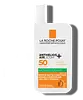
This hybrid sunscreen covers the full UV range and blocks ~98% of UVB at SPF 50.

What's inside
What's inside
 Key Ingredients
Benefits
Concerns
Ingredients Side-by-side
Water
Skin ConditioningC12-15 Alkyl Benzoate
AntimicrobialDicaprylyl Carbonate
EmollientDiethylamino Hydroxybenzoyl Hexyl Benzoate
UV Filter
Glycerin
Humectant


Caprylic/Capric Triglyceride
Masking
Ethylhexyl Triazone
UV Absorber
Phenylene Bis-Diphenyltriazine
Stabilising
Polyglyceryl-6 Stearate
Emollient

Bis-Ethylhexyloxyphenol Methoxyphenyl Triazine
UV Absorber
Panthenol
Skin Conditioning

Niacinamide
Smoothing







Ascorbyl Glucoside
Antioxidant

Benzoic Acid
Masking

Caprylyl Glycol
Emollient
Cellulose Gum
Emulsion StabilisingCitric Acid
Buffering
Glyceryl Stearate
Emollient
Helianthus Annuus Seed Oil
Emollient
Microcrystalline Cellulose
AbsorbentPantolactone
Humectant
Polyglyceryl-6 Behenate
Emulsion Stabilising
PPG-1-PEG-9 Lauryl Glycol Ether
EmulsifyingCI 17200
Cosmetic ColorantSodium Benzoate
Masking
Sodium Citrate
BufferingSodium Hydroxide
BufferingStearyl Alcohol
Emollient
Tocopherol
Antioxidant
Tocopheryl Glucoside
EmollientWater, C12-15 Alkyl Benzoate, Dicaprylyl Carbonate, Diethylamino Hydroxybenzoyl Hexyl Benzoate, Glycerin, Caprylic/Capric Triglyceride, Ethylhexyl Triazone, Phenylene Bis-Diphenyltriazine, Polyglyceryl-6 Stearate, Bis-Ethylhexyloxyphenol Methoxyphenyl Triazine, Panthenol, Niacinamide, Ascorbyl Glucoside, Benzoic Acid, Caprylyl Glycol, Cellulose Gum, Citric Acid, Glyceryl Stearate, Helianthus Annuus Seed Oil, Microcrystalline Cellulose, Pantolactone, Polyglyceryl-6 Behenate, PPG-1-PEG-9 Lauryl Glycol Ether, CI 17200, Sodium Benzoate, Sodium Citrate, Sodium Hydroxide, Stearyl Alcohol, Tocopherol, Tocopheryl Glucoside
Water
Skin ConditioningTitanium Dioxide
Cosmetic Colorant
C12-15 Alkyl Benzoate
AntimicrobialSilica
Abrasive
Ethylhexyl Salicylate
UV Absorber
Butyl Methoxydibenzoylmethane
UV Absorber
Bis-Ethylhexyloxyphenol Methoxyphenyl Triazine
UV Absorber
Dimethicone
Emollient
Ethylhexyl Triazone
UV Absorber
Glycerin
Humectant
Octocrylene
UV Absorber
Pentylene Glycol
Skin Conditioning
Aluminum Starch Octenylsuccinate
Absorbent
Triethanolamine
BufferingStearic Acid
Cleansing
Potassium Cetyl Phosphate
EmulsifyingMethyl Methacrylate Crosspolymer
Methylene Bis-Benzotriazolyl Tetramethylbutylphenol
UV Filter
Nylon-12
Propylene Glycol
Humectant
Synthetic Wax
Abrasive
Terephthalylidene Dicamphor Sulfonic Acid
UV Absorber
Palmitic Acid
Emollient
PEG-100 Stearate
Surfactant
Glyceryl Stearate
Emollient
Phenoxyethanol
Preservative
Silica Silylate
Emollient
Drometrizole Trisiloxane
UV Absorber
Ammonium Polyacryloyldimethyl Taurate
Emulsion StabilisingIsopropyl Lauroyl Sarcosinate
Skin ConditioningPoloxamer 338
EmulsifyingAluminum Hydroxide
EmollientStearyl Alcohol
Emollient
Tocopherol
Antioxidant
Caprylyl Glycol
Emollient
Polyglyceryl-10 Laurate
Skin Conditioning
Butylene Glycol
Humectant
Disodium EDTA
Hydroxypropyl Methylcellulose
Emulsion StabilisingMyristic Acid
Cleansing
Sodium Chloride
MaskingBHT
Antioxidant
Benzyl Benzoate
Antimicrobial


Benzyl Alcohol
Perfuming
Parfum
Masking
Water, Titanium Dioxide, C12-15 Alkyl Benzoate, Silica, Ethylhexyl Salicylate, Butyl Methoxydibenzoylmethane, Bis-Ethylhexyloxyphenol Methoxyphenyl Triazine, Dimethicone, Ethylhexyl Triazone, Glycerin, Octocrylene, Pentylene Glycol, Aluminum Starch Octenylsuccinate, Triethanolamine, Stearic Acid, Potassium Cetyl Phosphate, Methyl Methacrylate Crosspolymer, Methylene Bis-Benzotriazolyl Tetramethylbutylphenol, Nylon-12, Propylene Glycol, Synthetic Wax, Terephthalylidene Dicamphor Sulfonic Acid, Palmitic Acid, PEG-100 Stearate, Glyceryl Stearate, Phenoxyethanol, Silica Silylate, Drometrizole Trisiloxane, Ammonium Polyacryloyldimethyl Taurate, Isopropyl Lauroyl Sarcosinate, Poloxamer 338, Aluminum Hydroxide, Stearyl Alcohol, Tocopherol, Caprylyl Glycol, Polyglyceryl-10 Laurate, Butylene Glycol, Disodium EDTA, Hydroxypropyl Methylcellulose, Myristic Acid, Sodium Chloride, BHT, Benzyl Benzoate, Benzyl Alcohol, Parfum
Reviews
Ingredients Explained
These ingredients are found in both products.
Ingredients higher up in an ingredient list are typically present in a larger amount.
This ingredient is better known as bemotrizinol or Tinosorb S and is one of the best broad-spectrum UV filters in modern sunscreen.
It works by absorbing UV light across a whole range (280-400 nm) with peaks around 310 nm (UVB) and 340-345 nm (UVA). This means it covers UVB plus the deeper UVA wavelengths that drive photoaging and pigmentation.
Another pro?
It's exceptionally photostable, barely degrades in sunlight, and acts as a "bodyguard" for less stable filters.
That's why you'll see it paired with avobenzone or octinoxate; this team up ensures they keep working through sun exposure.
Safety reviews have been reassuring across the board. This ingredient shows low absorption through the skin, rarely irritates, and lab studies found it doesn't act like a hormone in the body (a concern that's been raised about some older sunscreen filters).
On maximum concentrations:
In 2026, the US F.D.A finally added it as an OTC sunscreen ingredient at concentrations up to 6% for adults / children 6 months and older
Learn more about Bis-Ethylhexyloxyphenol Methoxyphenyl TriazineC12-15 Alkyl Benzoate is a lightweight emollient made by combinig benzoic acid with fatty alcohols that are 12-15 carbons long.
In cosmetics, it plays several roles:
The Cosmetic Review Expert Panel has concluded the alkyl benzoate group to be safe as used in cosmetics; it wasn't found to be a skin irritant and unlikely to be absorbed due to its low water solubility.
This report recorded almost 1000 reported uses with concentrations up to 59% in leave-on products but your cosmetics will typically use 0.5-15% depending on the product.
It's often called a "SPF booster": this is because it keeps UV filters properly dissolved and evenly distributed to support a sunscreen's performance. It doesn't actually raise SPF on its own.
Overall, this ingredient is well tolerated.
This ingredient is fungal acne safe because it is an ester of benzoic acid.
Think of this ingredient as two parts stuck together: an oily part and an acid part. Malassezia only gets a meal when it can snip off a fatty acid to eat. With C12-15 Alkyl Benzoate, the acid part is benzoic acid, which isn't a fatty acid and which the yeast can't use as food.
Benzoic acid is actually used as a preservative to stop yeast from growing.
The oily part is a blend of C12-15 fatty alcohols but fatty alcohols in this size range can support only a little Malassezia growth (mostly for one species of Malassezia as well).
In the ingredient, those alcohols stay locked inside the molecule. The yeast can only reach them by snipping the benzoate bond, and that type of bond is harder for it to cut than a normal fatty bond.
So not much gets released. And whatever does get snipped comes packaged with benzoic acid, which discourages yeast growth.
Learn more about C12-15 Alkyl BenzoateCaprylyl Glycol is a humectant, skin conditioner, emollient, and preservative booster derived from either caprylic acid or synthetically created.
Typical use levels vary from 0.3-1% as a preservative booster and go up to 2% to condition skin.
Because it is not a free-fatty acid, this ingredient is fungal acne safe (there's nothing for Malassezia to feed on).
Learn more about Caprylyl GlycolEthylhexyl Triazone (aka Octyl Triazone) is an oil-soluble organic UVB filter. It has peak absorption around 314 nm, right in the middle of the UVB range.
This ingredient is described as one of the most effective UVB filters available and small concentrations are enough to deliver a high SPF thanks to its strong UV absorbing power.
Formulators love it for its stability; its ability to filter UV stays practically unchanged even under intense radiation and it can also help boost the photostability of less stable filters like avobenzone.
It's also a great pick for water resistant products because it's insoluble in water and has a good affinity for keratin.
Because it's a big, heavy molecule, the European Scientific Committee has found to to have very low dermal penetration and negative results for allergenicity.
In vitro testing also showed a low absorption rate and clean results on irritation.
Typical use levels are 1-5% with 5% being the maximum in the EU, Japan, and other markets that allow it. However, this ingredient is not approved yet in the US or Canada.
Learn more about Ethylhexyl TriazoneGlycerin (or glycerol) is a compound naturally found in your skin. It's a powerhouse humectant that pulls water into the stratum corneum.
Topically, glycerin does several things at once:
Your skin makes glycerin on its own (mostly from sebaceous oil breakdown) and shuttles it to your outermost layer of skin, or your epidermis, via aquaporin-3.
Aquaporin-3 is a transporter that is essential for normal skin hydration, elasticity, and repair. Interestingly, mice lacking in AQP3 have dry and less elastic skin that can be fully corrected with glycerin.
This ingredient is non-irritating, plays well with almost every ingredient, and works across all skin types. Typical use is anywhere between 3-10% but can go up to 79% in some leave-on products.
Just know very high concentrations (>40%) can feel tacky in low humidity.
Glycerin is the name for this ingredient in American English. British English uses Glycerol/Glycerine.
Learn more about GlycerinGlyceryl Stearate is made by reacting glycerin with stearic acid (typically sourced from plant oils like palm or coconut). It's an emulsifier, emollient, and mild occlusive.
Emulsifiers help ingredients like oil and water stay mixed so your formula stays nicely blended and uniform in texture.
This ingredient is typically used in concentrations between 1-10%. Studies have found it to be non-sensitizing, non-phototoxic, and non-photoallergenic.
A close cousin of this ingredient is Glyceryl Stearate SE ("self-emulsifying"). This just has a small amount of sodium or potassium stearate added so it can emulsify without a co-emulsifier.
Since this ingredient is an ester of a C18 fatty acid, it may not be fungal acne safe. The Malassezia yeast can potentially metabolize within the C11-C24 range.
Fun fact: The human body also creates Glyceryl Stearate naturally.
Learn more about Glyceryl StearateStearyl Alcohol is a type of fatty alcohol from stearic acid. It is a white, waxy compound used to emulsify ingredients used as an emollient or to thicken a product.
Emollients help soothe and hydrate the skin by trapping moisture.
Fatty alcohols are usually derived from natural fats and oils and therefore do not have the same drying or irritating effect as solvent (ethanol) alcohols.
The FDA allows products labeled "alcohol-free" to have fatty alcohols.
This ingredient may not be fungal acne safe. It is a primary fatty alcohol with a chain length above 12 carbons. A study from 2019 show Malassezia can feed on fatty alcohols in this range, so it may trigger fungal acne in those prone to it.
Learn more about Stearyl AlcoholTocopherol is a fat-soluble antioxidant known as Vitamin E.
You'll find this ingredient in the vast majority of skincare (for good reason). It works to neutralize free radicals, or unstable molecules generated by UV exposure, pollution, and other environmental stressors, before they can cause oxidative damage to your skin cells.
Topically applied tocopherol has been shown to protect against UV damage by ramping up the skin's own natural defense enzymes.
It also acts as a skin conditioning agent; some studies show that regular topical use can improve the skin's water-binding capacity over 2-4 weeks.
This ingredient is especially loved for being a team player. When combined with Vitamin C, the photoprotective effect of both ingredients roughly doubles and the combo also helps reduce UV-induced DNA damage.
This ingredient has some brightening potential but it's more of a prevention ingredient than spot-fader. Cell studies show it can slow down melanin production but it's worth noting that it's not the most powerful brightener out there.
In formulations, it also serves as a stabilizer that helps protect other oxidation-prone ingredients from degrading.
Concentrations usually range from 0.1-1% in most leave-on products.
Learn more about TocopherolWater. It's the most common cosmetic ingredient of all. You'll usually see it at the top of ingredient lists, meaning that it makes up the largest part of the product.
So why is it so popular? Water most often acts as a solvent - this means that it helps dissolve other ingredients into the formulation.
You'll also recognize water as that liquid we all need to stay alive. If you see this, drink a glass of water. Remember to stay hydrated!
Learn more about Water

