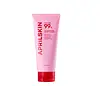
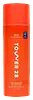
APRILSKIN 99% TXA Niacinamide 99 Deep Cleanser Versus Tower 28 Beauty SOS Daily Balancing Gel Cleanser
This salicylic acid foaming cleanser is formulated around Salicylic Acid to clear breakouts and unclog pores.
This mild gel cleanser is made to cleanse while calming and soothing your skin.


What's inside
What's inside
 Key Ingredients
Benefits
Concerns
No concerns
Ingredients Side-by-side
Water
Skin ConditioningGlycerin
Humectant


Myristic Acid
Cleansing



Stearic Acid
Cleansing
Potassium Hydroxide
BufferingLauric Acid
Cleansing
Niacinamide
Smoothing









Glyceryl Stearate Se
Emulsifying
Palmitic Acid
Emollient
Cocamidopropyl Betaine
Cleansing

Potassium Cocoyl Glycinate
Surfactant
Sodium Polyacrylate
Absorbent
Sorbitan Olivate
Emulsifying
Sorbitol
Humectant
Allantoin
Skin Conditioning
Potassium Cocoate
Emulsifying
Polyquaternium-10
Sodium Chloride
MaskingRubus Suavissimus Leaf Extract
Skin ConditioningPolyquaternium-7
Caprylyl Glycol
Emollient
Acrylates/C10-30 Alkyl Acrylate Crosspolymer
Emulsion StabilisingTetrasodium EDTA
Cyanocobalamin
Skin ConditioningPyrus Communis Fruit Extract
Skin ConditioningIris Florentina Root Extract
MaskingRibes Nigrum Leaf Extract
Perfuming
Hedera Helix Leaf/Stem Extract
AntimicrobialTheobroma Cacao Extract
Skin ConditioningButylene Glycol
Humectant
Fragaria Chiloensis Fruit Extract
Skin Conditioning
Pimpinella Anisum Fruit Extract
MaskingSodium Benzoate
Masking
1,2-Hexanediol
Skin Conditioning
Hibiscus Esculentus Fruit Extract
Skin ConditioningCarum Petroselinum Extract
Skin ConditioningCorchorus Olitorius Leaf Extract
Skin ConditioningTranexamic Acid
Astringent
Salicylic Acid
Masking
Pueraria Lobata Root Extract
HumectantPinus Palustris Leaf Extract
TonicUlmus Davidiana Root Extract
Skin Conditioning
Oenothera Biennis Flower Extract
AstringentCaprylic/Capric Triglyceride
Masking
Adansonia Digitata Seed Oil
Emollient
Hydrogenated Lecithin
Emulsifying
Pentylene Glycol
Skin Conditioning
Ceramide NP
Skin Conditioning
Madecassoside
Antioxidant
Decyl Glucoside
Cleansing
Dimethylsilanol Hyaluronate
Humectant
Hydrolyzed Hyaluronic Acid
Humectant
Hydrolyzed Sodium Hyaluronate
Skin Conditioning
Sodium Hyaluronate
Humectant
Potassium Hyaluronate
Skin ConditioningHyaluronic Acid
Humectant
Ceramide As
Skin Conditioning
Ceramide Ns
Skin Conditioning
Hydroxypropyltrimonium Hyaluronate
Sodium Hyaluronate Crosspolymer
Humectant
Sodium Hyaluronate Dimethylsilanol
HumectantCeramide AP
Skin Conditioning
Ceramide EOP
Skin Conditioning
Sodium Acetylated Hyaluronate
Humectant
Water, Glycerin, Myristic Acid, Stearic Acid, Potassium Hydroxide, Lauric Acid, Niacinamide, Glyceryl Stearate Se, Palmitic Acid, Cocamidopropyl Betaine, Potassium Cocoyl Glycinate, Sodium Polyacrylate, Sorbitan Olivate, Sorbitol, Allantoin, Potassium Cocoate, Polyquaternium-10, Sodium Chloride, Rubus Suavissimus Leaf Extract, Polyquaternium-7, Caprylyl Glycol, Acrylates/C10-30 Alkyl Acrylate Crosspolymer, Tetrasodium EDTA, Cyanocobalamin, Pyrus Communis Fruit Extract, Iris Florentina Root Extract, Ribes Nigrum Leaf Extract, Hedera Helix Leaf/Stem Extract, Theobroma Cacao Extract, Butylene Glycol, Fragaria Chiloensis Fruit Extract, Pimpinella Anisum Fruit Extract, Sodium Benzoate, 1,2-Hexanediol, Hibiscus Esculentus Fruit Extract, Carum Petroselinum Extract, Corchorus Olitorius Leaf Extract, Tranexamic Acid, Salicylic Acid, Pueraria Lobata Root Extract, Pinus Palustris Leaf Extract, Ulmus Davidiana Root Extract, Oenothera Biennis Flower Extract, Caprylic/Capric Triglyceride, Adansonia Digitata Seed Oil, Hydrogenated Lecithin, Pentylene Glycol, Ceramide NP, Madecassoside, Decyl Glucoside, Dimethylsilanol Hyaluronate, Hydrolyzed Hyaluronic Acid, Hydrolyzed Sodium Hyaluronate, Sodium Hyaluronate, Potassium Hyaluronate, Hyaluronic Acid, Ceramide As, Ceramide Ns, Hydroxypropyltrimonium Hyaluronate, Sodium Hyaluronate Crosspolymer, Sodium Hyaluronate Dimethylsilanol, Ceramide AP, Ceramide EOP, Sodium Acetylated Hyaluronate
Water
Skin ConditioningDecyl Glucoside
Cleansing
Aloe Barbadensis Leaf Juice
Skin Conditioning
Niacinamide
Smoothing
Caprylyl/Capryl Glucoside
CleansingPhenoxyethanol
Preservative
Glycerin
Humectant
Caprylyl Glycol
Emollient
Citric Acid
Buffering
Chlorphenesin
Antimicrobial
Magnesium Aspartate
Skin ConditioningZinc Gluconate
Skin Conditioning
Algin
MaskingAchillea Millefolium Extract
CleansingAvena Sativa Kernel Extract
Abrasive
Cardiospermum Halicacabum Flower/Leaf/Vine Extract
Skin ConditioningSapindus Mukorossi Peel Extract
Skin ConditioningPanthenol
Skin Conditioning
Copper Gluconate
Skin Conditioning
Water, Decyl Glucoside, Aloe Barbadensis Leaf Juice, Niacinamide, Caprylyl/Capryl Glucoside, Phenoxyethanol, Glycerin, Caprylyl Glycol, Citric Acid, Chlorphenesin, Magnesium Aspartate, Zinc Gluconate, Algin, Achillea Millefolium Extract, Avena Sativa Kernel Extract, Cardiospermum Halicacabum Flower/Leaf/Vine Extract, Sapindus Mukorossi Peel Extract, Panthenol, Copper Gluconate
Reviews
Ingredients Explained
These ingredients are found in both products.
Ingredients higher up in an ingredient list are typically present in a larger amount.
Caprylyl Glycol is a humectant, skin conditioner, emollient, and preservative booster derived from either caprylic acid or synthetically created.
Typical use levels vary from 0.3-1% as a preservative booster and go up to 2% to condition skin.
Because it is not a free-fatty acid, this ingredient is fungal acne safe (there's nothing for Malassezia to feed on).
Learn more about Caprylyl GlycolDecyl Glucoside is a plant-derived surfactant and emulsion stabilizer. It is created by reacting glucose with the fatty acids from plants.
Like all surfactants, it works by lowering the surface tension between water and oil. This makes it so that dirt, sebum, and makeup can be lifted off your skin and rinsed away. It also produces a dense and creamy foam.
Because it has a neutral charge, it is compatible with a wide range of ingredients and stays stable across a broad pH range/water hardiness conditions.
Patch testing has shown it to have the lowest irritation potential among common cleansing surfactants (like SLS).
Typical use levels range from 5-20% in rinse-off cleansers.
One thing worth knowing: The American Contact Dermatitis Society named the parent family, alkyl glucosides, "Allergen of the Year" in 2017. The prevalence of allergy is pretty low but be sure to patch test if you've reacted to "gentle" or sulfate-free cleansers before.
This ingredient is fungal acne safe because the fatty alcohol portion of this ingredient is not within the C11-24 chain length that Malassezia can metabolize.
Learn more about Decyl GlucosideGlycerin (or glycerol) is a compound naturally found in your skin. It's a powerhouse humectant that pulls water into the stratum corneum.
Topically, glycerin does several things at once:
Your skin makes glycerin on its own (mostly from sebaceous oil breakdown) and shuttles it to your outermost layer of skin, or your epidermis, via aquaporin-3.
Aquaporin-3 is a transporter that is essential for normal skin hydration, elasticity, and repair. Interestingly, mice lacking in AQP3 have dry and less elastic skin that can be fully corrected with glycerin.
This ingredient is non-irritating, plays well with almost every ingredient, and works across all skin types. Typical use is anywhere between 3-10% but can go up to 79% in some leave-on products.
Just know very high concentrations (>40%) can feel tacky in low humidity.
Glycerin is the name for this ingredient in American English. British English uses Glycerol/Glycerine.
Learn more about GlycerinNiacinamide is a multitasking form of vitamin B3 that strengthens the skin barrier, reduces pores and dark spots, regulates oil, and improves signs of aging.
And the best part? It's gentle and well-tolerated by most skin types, including sensitive and reactive skin.
You might have heard of "niacin flush", or the reddening of skin that causes itchiness. Niacinamide has not been found to cause this.
In very rare cases, some individuals may not be able to tolerate niacinamide at all or experience an allergic reaction to it.
If you are experiencing flaking, irritation, and dryness with this ingredient, be sure to double check all your products as this ingredient can be found in all categories of skincare.
When incorporating niacinamide into your routine, look out for concentration amounts. Typically, 5% niacinamide provides benefits such as fading dark spots. However, if you have sensitive skin, it is better to begin with a smaller concentration.
When you apply niacinamide to your skin, your body converts it into nicotinamide adenine dinucleotide (NAD). NAD is an essential coenzyme that is already found in your cells as "fuel" and powers countless biological processes.
In your skin, NAD helps repair cell damage, produce new healthy cells, support collagen production, strengthen the skin barrier, and fight environmental stressors (like UV and pollution).
Our natural NAD levels start to decline with age, leading to slower skin repair, visible aging, and a weaker skin barrier. By providing your skin niacinamide, you're recharging your skin's NAD levels. This leads to stronger, healthier, and younger looking skin.
Another name for vitamin B3 is nicotinamide. This vitamin is water-soluble and our bodies don't store it. We obtain Vitamin B3 from either food or skincare. Meat, fish, wheat, yeast, and leafy greens contain vitamin B3.
The type of niacinamide used in skincare is synthetically created.
Learn more about NiacinamideWater. It's the most common cosmetic ingredient of all. You'll usually see it at the top of ingredient lists, meaning that it makes up the largest part of the product.
So why is it so popular? Water most often acts as a solvent - this means that it helps dissolve other ingredients into the formulation.
You'll also recognize water as that liquid we all need to stay alive. If you see this, drink a glass of water. Remember to stay hydrated!
Learn more about Water

