
What's inside
What's inside
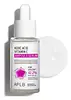 Key Ingredients
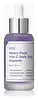
Benefits
Concerns
Ingredients Side-by-side
Water
Skin ConditioningCentella Asiatica Leaf Water
Skin Conditioning


Butylene Glycol
Humectant
Propanediol
Solvent
Glycerin
Humectant
Diethoxyethyl Succinate
SolventKojic Acid
Antioxidant



Ascorbic Acid
Antioxidant


Madecassic Acid
Skin Conditioning
Asiaticoside
Antioxidant
Asiatic Acid
Skin Conditioning
Squalane
Emollient
Solanum Melongena Fruit Extract
Skin ConditioningMelaleuca Alternifolia Leaf Extract
Perfuming
Beta-Glucan
Skin Conditioning
Hippophae Rhamnoides Fruit Extract
Skin Conditioning
Nelumbo Nucifera Extract
Skin ConditioningArtemisia Annua Extract
MaskingOryza Sativa Extract
Absorbent
Saccharomyces Ferment
Skin Conditioning
Dipropylene Glycol
HumectantSodium Citrate
BufferingSodium Hyaluronate
Humectant
Allantoin
Skin Conditioning
Cellulose Gum
Emulsion StabilisingDisodium EDTA
Glyceryl Acrylate/Acrylic Acid Copolymer
HumectantCitric Acid
Buffering

Xanthan Gum
EmulsifyingInulin
Skin Conditioning
Cellulose
Absorbent
Glucose
Humectant
Fructose
Humectant
Panthenol
Skin Conditioning
Ethylhexylglycerin
Skin ConditioningHydroxyacetophenone
Antioxidant
Sodium Polyacryloyldimethyl Taurate
Emulsion StabilisingDipotassium Glycyrrhizate
Humectant
1,2-Hexanediol
Skin Conditioning
Water, Centella Asiatica Leaf Water, Butylene Glycol, Propanediol, Glycerin, Diethoxyethyl Succinate, Kojic Acid, Ascorbic Acid, Madecassic Acid, Asiaticoside, Asiatic Acid, Squalane, Solanum Melongena Fruit Extract, Melaleuca Alternifolia Leaf Extract, Beta-Glucan, Hippophae Rhamnoides Fruit Extract, Nelumbo Nucifera Extract, Artemisia Annua Extract, Oryza Sativa Extract, Saccharomyces Ferment, Dipropylene Glycol, Sodium Citrate, Sodium Hyaluronate, Allantoin, Cellulose Gum, Disodium EDTA, Glyceryl Acrylate/Acrylic Acid Copolymer, Citric Acid, Xanthan Gum, Inulin, Cellulose, Glucose, Fructose, Panthenol, Ethylhexylglycerin, Hydroxyacetophenone, Sodium Polyacryloyldimethyl Taurate, Dipotassium Glycyrrhizate, 1,2-Hexanediol
Vitis Vinifera Fruit Water
Skin ConditioningPropanediol
Solvent
1,2-Hexanediol
Skin Conditioning
Vitis Vinifera Fruit Extract
Skin ConditioningNiacinamide
Smoothing


Caprylic/Capric Triglyceride
Masking
Tranexamic Acid
Astringent
Butylene Glycol
Humectant
Acrylates/C10-30 Alkyl Acrylate Crosspolymer
Emulsion StabilisingTromethamine
BufferingMelia Azadirachta Flower Extract
Skin ConditioningXanthan Gum
EmulsifyingCoccinia Indica Fruit Extract
Skin ConditioningWater
Skin Conditioning3-O-Ethyl Ascorbic Acid
Skin Conditioning
Hydrogenated Poly(C6-20 Olefin)
Abrasive
Adenosine
Skin Conditioning
Disodium EDTA
Allantoin
Skin Conditioning
Hdi/Trimethylol Hexyllactone Crosspolymer
Vitis Vinifera Seed Oil
Emollient
Collagen
Moisturising
Leuconostoc/Radish Root Ferment Filtrate
Antimicrobial
Fragaria Chiloensis Fruit Extract
Skin Conditioning
Vaccinium Angustifolium Fruit Extract
Skin Protecting
Sodium Hyaluronate
Humectant
Arctostaphylos Uva-Ursi Leaf Extract
Skin Conditioning
Rubus Fruticosus Fruit Extract
AstringentCitric Acid
Buffering
Lavandula Angustifolia Flower Extract
Cleansing

Resveratrol
Antioxidant
Borago Officinalis Extract
Emollient
Centaurea Cyanus Flower Extract
Astringent
Salvia Sclarea Extract
AntiseborrhoeicHyacinthus Orientalis Extract
Skin ConditioningChamomilla Recutita Flower Extract
Masking
Vincetoxicum Atratum Extract
Skin ConditioningMadecassoside
Antioxidant
Asiaticoside
Antioxidant
Ethylhexylglycerin
Skin ConditioningHyaluronic Acid
Humectant
Hydrolyzed Hyaluronic Acid
Humectant
Hydroxypropyltrimonium Hyaluronate
Hydrolyzed Sodium Hyaluronate
Skin Conditioning
Potassium Hyaluronate
Skin ConditioningPentylene Glycol
Skin Conditioning
Madecassic Acid
Skin Conditioning
Sodium Hyaluronate Crosspolymer
Humectant
Asiatic Acid
Skin Conditioning
Sodium Acetylated Hyaluronate
Humectant
Vitis Vinifera Fruit Water, Propanediol, 1,2-Hexanediol, Vitis Vinifera Fruit Extract, Niacinamide, Caprylic/Capric Triglyceride, Tranexamic Acid, Butylene Glycol, Acrylates/C10-30 Alkyl Acrylate Crosspolymer, Tromethamine, Melia Azadirachta Flower Extract, Xanthan Gum, Coccinia Indica Fruit Extract, Water, 3-O-Ethyl Ascorbic Acid, Hydrogenated Poly(C6-20 Olefin), Adenosine, Disodium EDTA, Allantoin, Hdi/Trimethylol Hexyllactone Crosspolymer, Vitis Vinifera Seed Oil, Collagen, Leuconostoc/Radish Root Ferment Filtrate, Fragaria Chiloensis Fruit Extract, Vaccinium Angustifolium Fruit Extract, Sodium Hyaluronate, Arctostaphylos Uva-Ursi Leaf Extract, Rubus Fruticosus Fruit Extract, Citric Acid, Lavandula Angustifolia Flower Extract, Resveratrol, Borago Officinalis Extract, Centaurea Cyanus Flower Extract, Salvia Sclarea Extract, Hyacinthus Orientalis Extract, Chamomilla Recutita Flower Extract, Vincetoxicum Atratum Extract, Madecassoside, Asiaticoside, Ethylhexylglycerin, Hyaluronic Acid, Hydrolyzed Hyaluronic Acid, Hydroxypropyltrimonium Hyaluronate, Hydrolyzed Sodium Hyaluronate, Potassium Hyaluronate, Pentylene Glycol, Madecassic Acid, Sodium Hyaluronate Crosspolymer, Asiatic Acid, Sodium Acetylated Hyaluronate
Reviews
Ingredients Explained
These ingredients are found in both products.
Ingredients higher up in an ingredient list are typically present in a larger amount.
1,2-Hexanediol is a synthetic liquid and another multi-functional powerhouse.
It is a:
- Humectant, drawing moisture into the skin
- Emollient, helping to soften skin
- Solvent, dispersing and stabilizing formulas
- Preservative booster, enhancing the antimicrobial activity of other preservatives
Allantoin is a soothing ingredient known for its protective and moisturizing properties; it's basically a quiet workhorse ingredient you can find in a huge range of cosmetics.
Though it can be derived from the comfrey plant, allantoin is produced synthetically for cosmetic products to ensure purity.
Research shows it can encourage your skin cells to turn over and renew by stimulating keratinocyte and fibroblast proliferation.
It also has mild keratolytic properties to help loosen and shed dead skin cells without being harsh.
Studies also suggest allantoin can help calm inflammation by dialing down some of the chemical signals your skin sends out when it is irritated.
This ingredient is typically used in the 0.1-0.5% range, and the FDA recognizes it as a skin protectant in OTC products up to 2%.
Overall, allantoin is a wonderful addition to most routines; it is stable across a wide pH range (~4-8), works well with other ingredients, and is considered non-sensitizing/non-irritating.
Fun fact: Allantoin is naturally occurring in comfrey root, beets, chamomile, and wheat sprouts. Our bodies even produce it as a byproduct of uric acid metabolism.
Learn more about AllantoinAsiatic Acid is a major component of Centella Asiatica Extract. It has wound-healing, anti-inflammatory, and antioxidant properties.
Studies show Asiatic Acid is able to block the pathway for skin inflammation receptors, helping to soothe skin.
As an antioxidant, asiatic acid helps protect our skin against damaging environmental factors.
Learn more about Asiatic AcidAsiaticoside comes from the super popular skin-soothing ingredient, Centella asiatica. It's the reason centella-based products have a strong reputation for repairing and calming skin, along with its sibling compound Madecassoside.
Research from 2016-2025 supports its role in:
You'll usually find this in concentrations between 0.2-5%.
Learn more about AsiaticosideButylene Glycol (or BG) is used within cosmetic products for a few different reasons:
Overall, Butylene Glycol is a safe and well-rounded ingredient that works well with other ingredients.
Though this ingredient works well with most skin types, some people with sensitive skin may experience a reaction such as allergic rashes, closed comedones, or itchiness.
Learn more about Butylene GlycolCitric Acid is an alpha hydroxy acid (AHA) naturally found in citrus fruits like oranges, lemons, and limes.
Like other AHAs, citric acid can exfoliate skin by breaking down the bonds that hold dead skin cells together. This helps reveal smoother and brighter skin underneath.
However, this exfoliating effect only happens at high concentrations (20%) which can be hard to find in cosmetic products.
Due to this, citric acid is usually included in small amounts as a pH adjuster. This helps keep products slightly more acidic and compatible with skin's natural pH.
In skincare formulas, citric acid can:
While it can provide some skin benefits, research shows lactic acid and glycolic acid are generally more effective and less irritating exfoliants.
Most citric acid used in skincare today is made by fermenting sugars (usually from molasses). This synthetic version is identical to the natural citrus form but easier to stabilize and use in formulations.
Read more about some other popular AHA's here:
Learn more about Citric AcidDisodium EDTA is a chelating agent. It grabs onto and deactivates metal ions that sneak into your products from water, packaging, or air.
This ingredient mainly works behind the scenes and helps with:
On top of that, this ingredient can counteract the effects of hard water by binding to the minerals in it.
One thing worth knowing is that Disodium EDTA has been shown to be a mild penetration enhancer. It can help other ingredients absorb into skin more effectively which can be a double-edged sword (great for actives, but can also make the active too strong if you have sensitive skin).
Clinical patch testing showed no significant skin irritation at typical use concentrations and minimal dermal absorption.
You'll most likely see this ingredient near the end of an ingredient list. It's typically found in concentrations less than 1%.
Learn more about Disodium EDTAEthylhexylglycerin is created from glycerin. It is a multitasker ingredient that:
The CIR Expert Panel found minimal skin absorption or sensitization of any kind in a safety assessment. Though this ingredient is considered well-tolerated, a small number of cases of allergic dermatitis have been published since 2002. Just be sure to patch test if you are unsure.
Industry-reported use ranges from 8% in rinse-off products and 2% in leave-on formulations.
Learn more about EthylhexylglycerinMadecassic Acid is a major component of Centella Asiatica Extract. It has anti-inflammatory and antioxidant properties.
It is a triterpenoid, meaning it naturally acts as an antioxidant. Antioxidants protect your skin against damage from environmental factors such as pollution and UV.
Studies show Madecassic Acid helps soothe the skin due to its ability to block inflammation pathways.
Learn more about Madecassic AcidPropanediol is an all-star ingredient. It softens, hydrates, and smooths the skin.
It’s often used to:
Propanediol is not likely to cause sensitivity and considered safe to use. It is derived from corn or petroleum with a clear color and no scent.
Learn more about PropanediolSodium Hyaluronate is the salt form of hyaluronic acid. It is a long sugar chain that is naturally found in your skin, joints, and connective tissue that maintains hydration and elasticity.
In skincare, it works as a humectant. It pulls water from the environment and deeper layers of skin and binds it to the surface.
Interestingly, the size of the molecule affects its behavior:
Some clinical evidence links low molecular weight versions to improved wrinkle depth, elasticity, anti-inflammatory effects, and barrier repair.
Many serums use a blend of both weights so you can get surface hydration plus longer-lasting and deeper effects.
You'll typically see concentrations between 0.1-2% for this ingredient.
Learn more about Sodium HyaluronateWater. It's the most common cosmetic ingredient of all. You'll usually see it at the top of ingredient lists, meaning that it makes up the largest part of the product.
So why is it so popular? Water most often acts as a solvent - this means that it helps dissolve other ingredients into the formulation.
You'll also recognize water as that liquid we all need to stay alive. If you see this, drink a glass of water. Remember to stay hydrated!
Learn more about WaterXanthan gum is used as a stabilizer and thickener within cosmetic products. It helps give products a sticky, thick feeling - preventing them from being too runny.
On the technical side of things, xanthan gum is a polysaccharide - a combination consisting of multiple sugar molecules bonded together.
Xanthan gum is a pretty common and great ingredient. It is a natural, non-toxic, non-irritating ingredient that is also commonly used in food products.
Learn more about Xanthan Gum
