
What's inside
What's inside
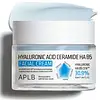 Key Ingredients
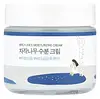
Benefits
Concerns
No concerns
Ingredients Side-by-side
Water
Skin ConditioningCentella Asiatica Extract 30.4%
Cleansing





Glycerin
Humectant
Cetyl Ethylhexanoate
EmollientButylene Glycol
Humectant
Polyglyceryl-3 Methylglucose Distearate
Emulsifying
Panthenol
Skin Conditioning
Sodium Hyaluronate
Humectant
Ceramide NP
Skin Conditioning
Stearic Acid
Cleansing
Sodium Polyacryloyldimethyl Taurate
Emulsion StabilisingHydrogenated Polydecene
EmollientTrideceth-10
CleansingSilica
Abrasive


Glyceryl Stearate
Emollient
Beeswax
Emulsion Stabilising
Butyrospermum Parkii Butter
Skin Conditioning
Macadamia Ternifolia Seed Oil
Emollient
Betaine
Humectant
Trehalose
Humectant
Citric Acid
Buffering


Sodium Citrate
BufferingNelumbo Nucifera Extract
Skin ConditioningArtemisia Annua Extract
MaskingOryza Sativa Extract
Absorbent
Saccharomyces Ferment
Skin Conditioning
Solanum Melongena Fruit Extract
Skin ConditioningMelaleuca Alternifolia Leaf Extract
Perfuming
Hydrolyzed Collagen
Emollient
Squalane
Emollient
Beta-Glucan
Skin Conditioning
Dipropylene Glycol
HumectantHippophae Rhamnoides Fruit Extract
Skin Conditioning
Madecassic Acid
Skin Conditioning
Asiaticoside
Antioxidant
Asiatic Acid
Skin Conditioning
Octyldodecanol
Emollient
Hydrogenated Lecithin
Emulsifying
Phytosteryl/Octyldodecyl Lauroyl Glutamate
Skin ConditioningMelia Azadirachta Leaf Extract
Skin ConditioningMelia Azadirachta Flower Extract
Skin ConditioningCoccinia Indica Fruit Extract
Skin ConditioningOcimum Sanctum Leaf Extract
Skin ConditioningCurcuma Longa Root Extract
Masking
Corallina Officinalis Extract
Skin Conditioning
Disodium EDTA
Propanediol
Solvent
Hydroxyacetophenone
Antioxidant
1,2-Hexanediol
Skin Conditioning
Ethylhexylglycerin
Skin ConditioningDipotassium Glycyrrhizate
Humectant
Water, Centella Asiatica Extract 30.4%, Glycerin, Cetyl Ethylhexanoate, Butylene Glycol, Polyglyceryl-3 Methylglucose Distearate, Panthenol, Sodium Hyaluronate, Ceramide NP, Stearic Acid, Sodium Polyacryloyldimethyl Taurate, Hydrogenated Polydecene, Trideceth-10, Silica, Glyceryl Stearate, Beeswax, Butyrospermum Parkii Butter, Macadamia Ternifolia Seed Oil, Betaine, Trehalose, Citric Acid, Sodium Citrate, Nelumbo Nucifera Extract, Artemisia Annua Extract, Oryza Sativa Extract, Saccharomyces Ferment, Solanum Melongena Fruit Extract, Melaleuca Alternifolia Leaf Extract, Hydrolyzed Collagen, Squalane, Beta-Glucan, Dipropylene Glycol, Hippophae Rhamnoides Fruit Extract, Madecassic Acid, Asiaticoside, Asiatic Acid, Octyldodecanol, Hydrogenated Lecithin, Phytosteryl/Octyldodecyl Lauroyl Glutamate, Melia Azadirachta Leaf Extract, Melia Azadirachta Flower Extract, Coccinia Indica Fruit Extract, Ocimum Sanctum Leaf Extract, Curcuma Longa Root Extract, Corallina Officinalis Extract, Disodium EDTA, Propanediol, Hydroxyacetophenone, 1,2-Hexanediol, Ethylhexylglycerin, Dipotassium Glycyrrhizate
Water
Skin ConditioningGlycerin
Humectant
Isononyl Isononanoate
EmollientIsododecane
Emollient1,2-Hexanediol
Skin Conditioning
Pentylene Glycol
Skin Conditioning
Polydecene
Skin ConditioningBetula Platyphylla Japonica Juice
Skin Conditioning
Jojoba Esters
Emollient
Panthenol
Skin Conditioning
Glyceryl Glucoside
Humectant
Acacia Senegal Gum
MaskingHydrolyzed Hibiscus Esculentus Extract
Skin ConditioningSodium Hyaluronate
Humectant
Hyaluronic Acid
Humectant
Lupinus Albus Seed Extract
Skin ConditioningMoringa Oleifera Seed Extract
Skin Conditioning
Melia Azadirachta Leaf Extract
Skin ConditioningCoccinia Indica Fruit Extract
Skin ConditioningAloe Barbadensis Flower Extract
EmollientSolanum Melongena Fruit Extract
Skin ConditioningOcimum Sanctum Leaf Extract
Skin ConditioningCorallina Officinalis Extract
Skin Conditioning
Curcuma Longa Root Extract
Masking
Ascorbic Acid
Antioxidant
Pentaerythrityl Tetraethylhexanoate
Emollient
Ammonium Acryloyldimethyltaurate/Vp Copolymer
Polyglyceryl-3 Methylglucose Distearate
Emulsifying
Acrylates/C10-30 Alkyl Acrylate Crosspolymer
Emulsion StabilisingTromethamine
BufferingGlyceryl Acrylate/Acrylic Acid Copolymer
HumectantEthylhexylglycerin
Skin ConditioningAgar
MaskingDipotassium Glycyrrhizate
Humectant
Glyceryl Caprylate
EmollientButylene Glycol
Humectant
Disodium EDTA
Water, Glycerin, Isononyl Isononanoate, Isododecane, 1,2-Hexanediol, Pentylene Glycol, Polydecene, Betula Platyphylla Japonica Juice, Jojoba Esters, Panthenol, Glyceryl Glucoside, Acacia Senegal Gum, Hydrolyzed Hibiscus Esculentus Extract, Sodium Hyaluronate, Hyaluronic Acid, Lupinus Albus Seed Extract, Moringa Oleifera Seed Extract, Melia Azadirachta Leaf Extract, Coccinia Indica Fruit Extract, Aloe Barbadensis Flower Extract, Solanum Melongena Fruit Extract, Ocimum Sanctum Leaf Extract, Corallina Officinalis Extract, Curcuma Longa Root Extract, Ascorbic Acid, Pentaerythrityl Tetraethylhexanoate, Ammonium Acryloyldimethyltaurate/Vp Copolymer, Polyglyceryl-3 Methylglucose Distearate, Acrylates/C10-30 Alkyl Acrylate Crosspolymer, Tromethamine, Glyceryl Acrylate/Acrylic Acid Copolymer, Ethylhexylglycerin, Agar, Dipotassium Glycyrrhizate, Glyceryl Caprylate, Butylene Glycol, Disodium EDTA
Reviews
Ingredients Explained
These ingredients are found in both products.
Ingredients higher up in an ingredient list are typically present in a larger amount.
1,2-Hexanediol is a synthetic liquid and another multi-functional powerhouse.
It is a:
- Humectant, drawing moisture into the skin
- Emollient, helping to soften skin
- Solvent, dispersing and stabilizing formulas
- Preservative booster, enhancing the antimicrobial activity of other preservatives
Butylene Glycol (or BG) is used within cosmetic products for a few different reasons:
Overall, Butylene Glycol is a safe and well-rounded ingredient that works well with other ingredients.
Though this ingredient works well with most skin types, some people with sensitive skin may experience a reaction such as allergic rashes, closed comedones, or itchiness.
Learn more about Butylene GlycolCoccinia Indica Fruit Extract is also known as Ivy Gourd Fruit Extract. It has skin conditioning properties.
The fruit is rich in flavonoids, phenolic acids, terpenoids, and sterols that show antioxidant and anti-inflammatory effect in vitro. This is because the fruit contains a thick mucilage that forms a protective and soothing layer on the skin's surface.
The extract itself has demonstrated antioxidant, soothing, and potential anti-allergy properties.
Most of this research is done in vitro and dedicated clinical studies on topical application are still limited.
Learn more about Coccinia Indica Fruit ExtractCorallina Officinalis Extract is from the red seaweed, Corallina Officinalis. This seaweed is found all over the world but is most common in the rocky shores of Great Britain and Ireland.
Corallina Officinalis Extract contains antioxidant and emollient properties.
Extracted polysaccharides, galactose and xylose, in red algae showed antioxidant activity. Antioxidants help with anti-aging by neutralizing free-radical molecules. Free-radical molecules may damage your skin cells and DNA. Galactose is also a PHA.
Corallina Officinalis is structurally similar to coral due to its high calcium content.
Learn more about Corallina Officinalis ExtractCurcuma Longa Root Extract is from the spice, turmeric. Besides being a healthy and delicious spice, turmeric also has plenty of skincare benefits. It has anti-inflammatory, antioxidant, and anti-microbial properties.
Turmeric contains curcumin, an antioxidant. Antioxidants help neutralize unstable free-radical molecules. Free-radical molecules may damage your skin's cells and DNA. Curcumin may help with anti-aging.
Curcumin also has anti-inflammatory properties and can help soothe skin and reduce irritation. On top of that, curcumin has been shown to help prevent hyperpigmentation from sun damage.
The anti-microbial property of turmeric can make it effective in treating acne. This property has also been shown to help regulate the production of sebum.
Learn more about Curcuma Longa Root ExtractDipotassium Glycyrrhizate comes from licorice root.
Extracts of licorice have demonstrated to have antibacterial, anti‐inflammatory, antiviral, antioxidant properties.
One component, glabridin, has extra potent antioxidant and soothing properties. It has also been found to block pigmentation from UVB rays in guinea pigs.
Licorice Root also contains a flavonoid. Flavonoids are a natural substance from in plants. Flavonoids also have antioxidant properties.
Another component, glycyrrhizin, has been found to have anti-inflammatory and antimicrobial benefits. This may make licorice root extract effective at treating acne. However, more research is needed to support this.
Liquiritin is one of the flavone compounds found in licorice. It has been found to help lighten skin by preventing tyrosinase from reacting with tyrosine. When the two react, protein is converted to melanin. Melanin is the substance in your body that gives your features pigmentation.
Licorice root is native to Southern Europe and Asia. It has been used in traditional Chinese medicine to help with respiratory issues.
Learn more about Dipotassium GlycyrrhizateDisodium EDTA is a chelating agent. It grabs onto and deactivates metal ions that sneak into your products from water, packaging, or air.
This ingredient mainly works behind the scenes and helps with:
On top of that, this ingredient can counteract the effects of hard water by binding to the minerals in it.
One thing worth knowing is that Disodium EDTA has been shown to be a mild penetration enhancer. It can help other ingredients absorb into skin more effectively which can be a double-edged sword (great for actives, but can also make the active too strong if you have sensitive skin).
Clinical patch testing showed no significant skin irritation at typical use concentrations and minimal dermal absorption.
You'll most likely see this ingredient near the end of an ingredient list. It's typically found in concentrations less than 1%.
Learn more about Disodium EDTAEthylhexylglycerin is created from glycerin. It is a multitasker ingredient that:
The CIR Expert Panel found minimal skin absorption or sensitization of any kind in a safety assessment. Though this ingredient is considered well-tolerated, a small number of cases of allergic dermatitis have been published since 2002. Just be sure to patch test if you are unsure.
Industry-reported use ranges from 8% in rinse-off products and 2% in leave-on formulations.
Learn more about EthylhexylglycerinGlycerin (or glycerol) is a compound naturally found in your skin. It's a powerhouse humectant that pulls water into the stratum corneum.
Topically, glycerin does several things at once:
Your skin makes glycerin on its own (mostly from sebaceous oil breakdown) and shuttles it to your outermost layer of skin, or your epidermis, via aquaporin-3.
Aquaporin-3 is a transporter that is essential for normal skin hydration, elasticity, and repair. Interestingly, mice lacking in AQP3 have dry and less elastic skin that can be fully corrected with glycerin.
This ingredient is non-irritating, plays well with almost every ingredient, and works across all skin types. Typical use is anywhere between 3-10% but can go up to 79% in some leave-on products.
Just know very high concentrations (>40%) can feel tacky in low humidity.
Glycerin is the name for this ingredient in American English. British English uses Glycerol/Glycerine.
Learn more about GlycerinMelia Azadirachta Leaf Extract is extract from the neem plant.
The leaves of this tree contain flavonoids and polyphenols. These two compounds are antioxidants, anti-inflammatory, and antibacterial. Further research is needed as to their effects when applied on skin.
Ocimum Sanctum Leaf Extract comes from the Holy Basil plant. Holy Basil is native to India.
Holy Basil is rich in antioxidants due to its high romarinic acid, ferulic acid, and rutin content. This gives it skin brightening and soothing properties.
While Holy Basil has many claims to help fight acne, more research is needed.
One thing to note is the presence of tannins; tannins are naturally found in nature. However, this compound may be skin-sensitizing.
Learn more about Ocimum Sanctum Leaf ExtractPanthenol is a common ingredient that helps hydrate and soothe the skin. It is found naturally in our skin and hair.
There are two forms of panthenol: D and L.
D-panthenol is also known as dexpanthenol. Most cosmetics use dexpanthenol or a mixture of D and L-panthenol.
Panthenol is famous due to its ability to go deeper into the skin's layers. Using this ingredient has numerous pros (and no cons):
Like hyaluronic acid, panthenol is a humectant. Humectants are able to bind and hold large amounts of water to keep skin hydrated.
This ingredient works well for wound healing. It works by increasing tissue in the wound and helps close open wounds.
Once oxidized, panthenol converts to pantothenic acid. Panthothenic acid is found in all living cells.
This ingredient is also referred to as pro-vitamin B5.
Learn more about PanthenolPolyglyceryl-3 Methylglucose Distearate is a plant-derived emulsifier whose only job is to keep the oily and watery parts of a formula blended so it doesn't separate into layers.
It's compatible with a wide-range of active ingredients and especially good at making emulsions survive heat/freeze cycles.
Typical use concentrations range from 2-3% and it works across a pH of 4.5-8.5.
This ingredient has been found safe to use in cosmetics and has a low irritation profile.
Because it's build on stearic acid, it may not be fungal acne safe. Stearic acid is a C18 fatty acid that falls within the range (C11-24) that Malassezia can feed on.
Learn more about Polyglyceryl-3 Methylglucose DistearateSodium Hyaluronate is the salt form of hyaluronic acid. It is a long sugar chain that is naturally found in your skin, joints, and connective tissue that maintains hydration and elasticity.
In skincare, it works as a humectant. It pulls water from the environment and deeper layers of skin and binds it to the surface.
Interestingly, the size of the molecule affects its behavior:
Some clinical evidence links low molecular weight versions to improved wrinkle depth, elasticity, anti-inflammatory effects, and barrier repair.
Many serums use a blend of both weights so you can get surface hydration plus longer-lasting and deeper effects.
You'll typically see concentrations between 0.1-2% for this ingredient.
Learn more about Sodium HyaluronateThis ingredient comes from eggplant (or aubergine). It has skin conditioning properties due to its abundance of antioxidants like Chlorogenic Acid, Caffeic Acid, and Nasunin.
Nasunin is the pigment concentrated in the purple peel and has demonstrated the abilityu to neutralize free radicals and bind excess iron in lab studies.
Lab studies have shown that eggplant extracts can lower oxidative stress and protect skin cell membranes from damage. A 2025 study found that specific compounds in eggplant (particularly a phenolamide called N-Trans-Feruloylputrescine) may support skin health by neutralizing 2-nonenal, a byproduct linked to aging skin.
Overall, this is a gentle, well-tolerated ingredient that adds a little extra antioxidant support to your routine.
Those with nighshade vegetable allergies (tomatoes, peppers, potatoes) should patch test as eggplant is part of the same family.
Learn more about Solanum Melongena Fruit ExtractWater. It's the most common cosmetic ingredient of all. You'll usually see it at the top of ingredient lists, meaning that it makes up the largest part of the product.
So why is it so popular? Water most often acts as a solvent - this means that it helps dissolve other ingredients into the formulation.
You'll also recognize water as that liquid we all need to stay alive. If you see this, drink a glass of water. Remember to stay hydrated!
Learn more about Water
