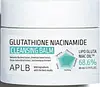
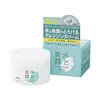
APLB Glutathione Niacinamide Cleansing Balm Versus Kiku-Masamune Sake Brewing Kome To Hakko Cleansing Balm
This oil-based makeup remover is made to dissolve makeup, sunscreen, and daily buildup.
This oil-based makeup remover is made to dissolve makeup, sunscreen, and daily buildup.


What's inside
What's inside
 Key Ingredients
Benefits
Concerns
Ingredients Side-by-side
Glycine Soja Oil 68.6%
Emollient








Sorbeth-30 Tetraoleate
Emulsifying
Polyethylene
Abrasive
Trihydroxystearin
Skin Conditioning
Mentha Arvensis Leaf Oil
Masking
Melaleuca Alternifolia Leaf Oil
Antioxidant




Tocopheryl Acetate
Antioxidant

Helianthus Annuus Seed Oil
Emollient
Olea Europaea Fruit Oil
Masking
Simmondsia Chinensis Seed Oil
Emollient

Oenothera Biennis Oil
Emollient
Glutathione
Niacinamide
Smoothing



Water
Skin ConditioningLimonene
Perfuming
Glycerin
Humectant
Dipropylene Glycol
Humectant1,2-Hexanediol
Skin Conditioning
Butylene Glycol
Humectant
Squalane
Emollient
Asiaticoside
Antioxidant
Madecassic Acid
Skin Conditioning
Asiatic Acid
Skin Conditioning
Hippophae Rhamnoides Fruit Extract
Skin Conditioning
Hydrolyzed Collagen
Emollient
Beta-Glucan
Skin Conditioning
Artemisia Annua Extract
Masking
Oryza Sativa Extract
Absorbent
Nelumbo Nucifera Extract
Skin ConditioningSaccharomyces Ferment
Skin Conditioning
Solanum Melongena Fruit Extract
Skin ConditioningMelaleuca Alternifolia Leaf Extract
Perfuming
Glycine Soja Oil 68.6%, Sorbeth-30 Tetraoleate, Polyethylene, Trihydroxystearin, Mentha Arvensis Leaf Oil, Melaleuca Alternifolia Leaf Oil, Tocopheryl Acetate, Helianthus Annuus Seed Oil, Olea Europaea Fruit Oil, Simmondsia Chinensis Seed Oil, Oenothera Biennis Oil, Glutathione, Niacinamide, Water, Limonene, Glycerin, Dipropylene Glycol, 1,2-Hexanediol, Butylene Glycol, Squalane, Asiaticoside, Madecassic Acid, Asiatic Acid, Hippophae Rhamnoides Fruit Extract, Hydrolyzed Collagen, Beta-Glucan, Artemisia Annua Extract, Oryza Sativa Extract, Nelumbo Nucifera Extract, Saccharomyces Ferment, Solanum Melongena Fruit Extract, Melaleuca Alternifolia Leaf Extract
Ethylhexyl Palmitate
Emollient
PEG-20 Glyceryl Triisostearate
Emollient
Caprylic/Capric Triglyceride
Masking
Synthetic Wax
Abrasive
PEG-6 Glyceryl Isostearate
Emollient
Isotridecyl Isononanoate
EmollientMoroccan Lava Clay
Abrasive
Oryza Sativa Extract
Absorbent
Oryza Sativa Bran Extract
Skin Conditioning
Sphingolipids
Emollient
Oryza Sativa Bran Oil
Emollient
Zea Mays Germ Oil
Emollient
Oryza Sativa Lees Extract
Skin ConditioningHydrolyzed Rice Bran Extract
Skin ConditioningHydrolyzed Rice Protein
Skin ConditioningOryzanol
Skin ConditioningLactobacillus
Skin ConditioningRice Ferment Lees
HumectantYeast Extract
Skin ConditioningHydrolyzed Yeast
Skin ConditioningHydrolyzed Yeast Extract
Skin ConditioningSaccharomyces Lysate
Skin Conditioning
Ceramide EOP
Skin Conditioning
Ceramide NP
Skin Conditioning
Ceramide AP
Skin Conditioning
Sodium Lauroyl Lactylate
EmulsifyingHydrolyzed Hyaluronic Acid
Humectant
Sodium Acetylated Hyaluronate
Humectant
Magnesium Ascorbyl Phosphate
Antioxidant
Ascorbyl Glucoside
Antioxidant
Trisodium Ascorbyl Palmitate Phosphate
Antioxidant
Glutamic Acid
Humectant
Leucine
Skin ConditioningArginine
Masking
Arbutin
Antioxidant
Dipotassium Glycyrrhizate
Humectant
Butylene Glycol
Humectant
Pentylene Glycol
Skin Conditioning
Maltitol
HumectantGlycerin
Humectant
Tocotrienols
Skin Conditioning
Phytosterols
Skin Conditioning
Phytosphingosine
Skin Conditioning
Water
Skin ConditioningDextrin
AbsorbentCholesterol
Emollient
Carbomer
Emulsion StabilisingXanthan Gum
EmulsifyingHydrogenated Lecithin
Emulsifying
Hydrogenated Lysolecithin
EmulsifyingPolysorbate 20
Emulsifying
Tocopherol
Antioxidant
Tocopheryl Acetate
Antioxidant
Citrus Grandis Peel Oil
Masking
Citrus Aurantifolia Oil
Cleansing
Phenoxyethanol
Preservative
Ethylhexyl Palmitate, PEG-20 Glyceryl Triisostearate, Caprylic/Capric Triglyceride, Synthetic Wax, PEG-6 Glyceryl Isostearate, Isotridecyl Isononanoate, Moroccan Lava Clay, Oryza Sativa Extract, Oryza Sativa Bran Extract, Sphingolipids, Oryza Sativa Bran Oil, Zea Mays Germ Oil, Oryza Sativa Lees Extract, Hydrolyzed Rice Bran Extract, Hydrolyzed Rice Protein, Oryzanol, Lactobacillus, Rice Ferment Lees, Yeast Extract, Hydrolyzed Yeast, Hydrolyzed Yeast Extract, Saccharomyces Lysate, Ceramide EOP, Ceramide NP, Ceramide AP, Sodium Lauroyl Lactylate, Hydrolyzed Hyaluronic Acid, Sodium Acetylated Hyaluronate, Magnesium Ascorbyl Phosphate, Ascorbyl Glucoside, Trisodium Ascorbyl Palmitate Phosphate, Glutamic Acid, Leucine, Arginine, Arbutin, Dipotassium Glycyrrhizate, Butylene Glycol, Pentylene Glycol, Maltitol, Glycerin, Tocotrienols, Phytosterols, Phytosphingosine, Water, Dextrin, Cholesterol, Carbomer, Xanthan Gum, Hydrogenated Lecithin, Hydrogenated Lysolecithin, Polysorbate 20, Tocopherol, Tocopheryl Acetate, Citrus Grandis Peel Oil, Citrus Aurantifolia Oil, Phenoxyethanol
Reviews
Ingredients Explained
These ingredients are found in both products.
Ingredients higher up in an ingredient list are typically present in a larger amount.
Butylene Glycol (or BG) is used within cosmetic products for a few different reasons:
Overall, Butylene Glycol is a safe and well-rounded ingredient that works well with other ingredients.
Though this ingredient works well with most skin types, some people with sensitive skin may experience a reaction such as allergic rashes, closed comedones, or itchiness.
Learn more about Butylene GlycolGlycerin (or glycerol) is a compound naturally found in your skin. It's a powerhouse humectant that pulls water into the stratum corneum.
Topically, glycerin does several things at once:
Your skin makes glycerin on its own (mostly from sebaceous oil breakdown) and shuttles it to your outermost layer of skin, or your epidermis, via aquaporin-3.
Aquaporin-3 is a transporter that is essential for normal skin hydration, elasticity, and repair. Interestingly, mice lacking in AQP3 have dry and less elastic skin that can be fully corrected with glycerin.
This ingredient is non-irritating, plays well with almost every ingredient, and works across all skin types. Typical use is anywhere between 3-10% but can go up to 79% in some leave-on products.
Just know very high concentrations (>40%) can feel tacky in low humidity.
Glycerin is the name for this ingredient in American English. British English uses Glycerol/Glycerine.
Learn more about GlycerinOryza Sativa Extract comes from the rice grain, Oryza sativa. Rice extract has wound healing, antioxidant, anti-inflammatory, and hydrating properties.
Rice grains contain numerous antioxidants which may help with anti-aging, such as vitamin E. Antioxidants help stabilize free-radical molecules. Unstable free-radical molecules may damage your skin cells and accelerate signs of aging.
A study from 2002 found rice to help increase the rate of wound healing. The same study found an improvement of skin barrier function in the patients after taking rice baths.
Numerous in-vitro studies have found rice water to help decrease sun damage by increasing collagen production and inhibiting the process of tyrosinase.
Long story short- tyrosinase is an enzyme that controls melanin production. Our bodies start producing melanin (AKA tanning) when exposed to UV radiation to protect against damage. Rice water is found to partially block this process.
Though more research is needed on rice's ability to help with UV protection, recent studies seem promising.
Wondering why rice is hydrating? The protein in rice have emollient properties. Emollients create a barrier on the skin to trap moisture in, keeping your skin moisturized.
Some rice extract may have mildly-exfoliating properties. These are mainly limited to Oryza Sativa (Rice) Bran and Oryza Sativa (Rice) Germ Powder.
This rice was first cultivated in China over 10,000 years ago. Many cultures throughout Asia have used rice water on skin and hair for centuries.
Learn more about Oryza Sativa ExtractTocopheryl Acetate is a stable, shelf-friendly form of vitamin E.
Formulators love it because plain vitamin E oxidizes quickly once it hits air. This acetate version stays stable and resists going off, helping to extend a product's shelf life.
It's actually inactive on its own and works like a slow-release "storage" form; the enzymes in your skin called esterases gradually convert it into active vitamin E over time.
One in vivo study showed 5% of the acetate in the living layer of the epidermis converted to vitamin E after 5 days of application. This study also found the skin gained protection against UV damage even though the conversion was slow and small.
Once converted, vitamin E acts as a skin's main fat-soluble antioxidant that fights free radicals to protect skin from damage.
Topical vitamin E generally boosts the skin's photoprotection, and it reduced UV-damage in animal models.
This ingredient has some brightening potential but it's more of a prevention ingredient than spot-fader. Cell studies show it can slow down melanin production but it's worth noting that it's not the most powerful brightener out there.
Overall, it has a pretty solid safety profile and has been found to be non-irritating and non-comedogenic. Allergic reactions may happen but stay rare due to how widely the ingredient gets used.
The concentration will vary depending on the formula; industry data shows 0.1% in baby lotions, 3% in lipsticks, and 5% in foot powders. You can also find this ingredient at 100% in a pure vitamin E oil.
Most leave-on skincare keeps it at the lower end, often between 0.5-1%.
Learn more about Tocopheryl AcetateWater. It's the most common cosmetic ingredient of all. You'll usually see it at the top of ingredient lists, meaning that it makes up the largest part of the product.
So why is it so popular? Water most often acts as a solvent - this means that it helps dissolve other ingredients into the formulation.
You'll also recognize water as that liquid we all need to stay alive. If you see this, drink a glass of water. Remember to stay hydrated!
Learn more about Water

