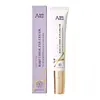
This anti-aging eye moisturizer is formulated around Bakuchiol and Acetyl Hexapeptide-8 to soften the look of wrinkles and refine skin texture.
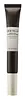
This anti-aging eye moisturizer is formulated around Centella Asiatica Extract and Bakuchiol to soften the look of wrinkles and strengthen the skin barrier.


What's inside
What's inside
 Key Ingredients
Benefits
Concerns
Ingredients Side-by-side
Water
Skin ConditioningBakuchiol
Antimicrobial









Caffeine
Skin Conditioning
Arginine/Lysine Polypeptide
Skin Conditioning
Acetyl Hexapeptide-8
Humectant
Retinol
Skin Conditioning




Collagen
Moisturising
Polyglyceryl-2 Stearate
Emulsifying
Cetearyl Alcohol
Emollient




Cetearyl Glucoside
Emulsifying
Hydrogenated Coco-Glycerides
Emollient
Isononyl Isononanoate
EmollientHydrogenated Polyisobutene
EmollientTocopheryl Acetate
Antioxidant
Ethylhexyl Palmitate
Emollient
Carbomer
Emulsion StabilisingButylene Glycol
Humectant
Sodium Hyaluronate
Humectant
Hydrolyzed Sodium Hyaluronate
Skin Conditioning
Beta-Glucan
Skin Conditioning
Allantoin
Skin Conditioning
Panthenol
Skin Conditioning
Sodium Acrylate/Sodium Acryloyldimethyl Taurate Copolymer
Emulsion StabilisingArginine
Masking
Glyceryl Glucoside
Humectant
Equisetum Arvense Extract
AstringentGlycyrrhiza Glabra Root Extract
Bleaching
1,2-Hexanediol
Skin Conditioning
Pentylene Glycol
Skin Conditioning
Water, Bakuchiol, Caffeine, Arginine/Lysine Polypeptide, Acetyl Hexapeptide-8, Retinol, Collagen, Polyglyceryl-2 Stearate, Cetearyl Alcohol, Cetearyl Glucoside, Hydrogenated Coco-Glycerides, Isononyl Isononanoate, Hydrogenated Polyisobutene, Tocopheryl Acetate, Ethylhexyl Palmitate, Carbomer, Butylene Glycol, Sodium Hyaluronate, Hydrolyzed Sodium Hyaluronate, Beta-Glucan, Allantoin, Panthenol, Sodium Acrylate/Sodium Acryloyldimethyl Taurate Copolymer, Arginine, Glyceryl Glucoside, Equisetum Arvense Extract, Glycyrrhiza Glabra Root Extract, 1,2-Hexanediol, Pentylene Glycol
Centella Asiatica Extract
Cleansing
Glycerin
Humectant
Butylene Glycol
Humectant
Dipentaerythrityl Hexa C5-9 Acid Esters
Skin Conditioning1,2-Hexanediol
Skin Conditioning
Niacinamide
Smoothing
Squalane
Emollient
Water
Skin ConditioningPolyglyceryl-3 Distearate
Emulsifying
Cetearyl Alcohol
Emollient
Caprylic/Capric Triglyceride
Masking
Betaine
Humectant
Butyrospermum Parkii Butter
Skin Conditioning
Heptyl Undecylenate
EmollientLactobacillus/Centella Asiatica Extract Ferment Filtrate
Skin ConditioningGlyceryl Stearate
Emollient
Bakuchiol
Antimicrobial
Panthenol
Skin Conditioning
Acrylates/C10-30 Alkyl Acrylate Crosspolymer
Emulsion StabilisingPalmitic Acid
Emollient
Tromethamine
BufferingStearic Acid
Cleansing
Glyceryl Stearate Citrate
Emollient
Carbomer
Emulsion StabilisingEthylhexylglycerin
Skin ConditioningAdenosine
Skin Conditioning
Macadamia Ternifolia Seed Oil
Emollient
Sodium Phytate
ChelatingSodium Hyaluronate
Humectant
Hydrogenated Lecithin
Emulsifying
Ceramide NP
Skin Conditioning
Glyceryl Acrylate/Acrylic Acid Copolymer
HumectantDextrin
AbsorbentTheobroma Cacao Extract
Skin ConditioningPolyglyceryl-10 Myristate
Skin Conditioning
Phytosphingosine
Skin Conditioning
Madecassic Acid
Skin Conditioning
Asiaticoside
Antioxidant
Hydrolyzed Extensin
Skin ConditioningSucrose Distearate
Emollient
Asiatic Acid
Skin Conditioning
Lauric Acid
Cleansing
Phytosterols
Skin Conditioning
Hydrolyzed Hyaluronic Acid
Humectant
Caprylyl Glycol
Emollient
Acetyl Hexapeptide-8
Humectant
Centella Asiatica Extract, Glycerin, Butylene Glycol, Dipentaerythrityl Hexa C5-9 Acid Esters, 1,2-Hexanediol, Niacinamide, Squalane, Water, Polyglyceryl-3 Distearate, Cetearyl Alcohol, Caprylic/Capric Triglyceride, Betaine, Butyrospermum Parkii Butter, Heptyl Undecylenate, Lactobacillus/Centella Asiatica Extract Ferment Filtrate, Glyceryl Stearate, Bakuchiol, Panthenol, Acrylates/C10-30 Alkyl Acrylate Crosspolymer, Palmitic Acid, Tromethamine, Stearic Acid, Glyceryl Stearate Citrate, Carbomer, Ethylhexylglycerin, Adenosine, Macadamia Ternifolia Seed Oil, Sodium Phytate, Sodium Hyaluronate, Hydrogenated Lecithin, Ceramide NP, Glyceryl Acrylate/Acrylic Acid Copolymer, Dextrin, Theobroma Cacao Extract, Polyglyceryl-10 Myristate, Phytosphingosine, Madecassic Acid, Asiaticoside, Hydrolyzed Extensin, Sucrose Distearate, Asiatic Acid, Lauric Acid, Phytosterols, Hydrolyzed Hyaluronic Acid, Caprylyl Glycol, Acetyl Hexapeptide-8
Reviews
Ingredients Explained
These ingredients are found in both products.
Ingredients higher up in an ingredient list are typically present in a larger amount.
1,2-Hexanediol is a synthetic liquid and another multi-functional powerhouse.
It is a:
- Humectant, drawing moisture into the skin
- Emollient, helping to soften skin
- Solvent, dispersing and stabilizing formulas
- Preservative booster, enhancing the antimicrobial activity of other preservatives
Acetyl Hexapeptide-8 (also known as Argireline) is a synthetic hexapeptide that is often called a "topical Botox alternative".
It works by mimicking how Botox relaxes muscles; it interferes with the signaling process that tells your facial muscles to contract. This can help soften expression lines like forehead wrinkles or crow's feet over time.
The comparison to Botox does have limits because the molecule is water-loving and relatively large.
Acetyl Hexapeptide-8 has a hard time absorbing deeply enough through the skin's outer barrier to actually reach the muscles.
So whether it truly works the way Botox does at a biological level is still up for debate, but early clinical outcomes are fairly encouraging.
A 12 week human study of a multi-ingredient regimen containing this ingredient saw:
While some studies have observed improvements in wrinkle appearance, it is important to note that more consistent results are seen in multi-ingredient formulations (vs just Acetyl Hexapeptide-8 alone).
Some research studies also used higher concentrations (up to 10%) while this ingredient is usually found in concentrations up to 0.005% in leave-on formulations.
Learn more about Acetyl Hexapeptide-8Bakuchiol is a plant-derived antioxidant from the seeds of the Psoralea corylifolia plant. It has antimicrobial, emollient, skin conditioning, and antioxidant properties.
You'll likely see it called a "retinol replacement" but the two are technically not related. This is because bakuchiol is able to flip many of the same switches in your skin cells to tell them to:
1) produce more collagen (type I, III, and IV)
2) activate the same genes retinoids do
Unlike retinoids, this ingredient will not increase photosensitivity and is safe to use during pregnancy (but please still check in with your doctor!).
The flagship clinical trial from Dhaliwal et al. 2019 found 0.5% bakuchiol (twice daily) and 0.5% retinol (once daily) reduced wrinkles and hyperpigmentation equally, but bakuchiol had significantly less irritation.
Systematic reviews also back this up:
Bakuchiol is comparable to retinol for photoaging but with better tolerability. It also has mild antibacterial properties against Cutibacterium acnes and antifungal activity in vitro against Candida and dermatophytes.
The reason bakuchiol works well is due to its structure; it is a meroterpene phenol, or a hybrid molecule. The phenol half acts as an antioxidant while the terpene half is fat-loving. This helps the molecule slip through the skin barrier.
This ingredient is usually used between 0.5-2%. Only one case of contact dermatitis has ever been reported for this ingredient.
Learn more about BakuchiolButylene Glycol (or BG) is used within cosmetic products for a few different reasons:
Overall, Butylene Glycol is a safe and well-rounded ingredient that works well with other ingredients.
Though this ingredient works well with most skin types, some people with sensitive skin may experience a reaction such as allergic rashes, closed comedones, or itchiness.
Learn more about Butylene GlycolCarbomer is a synthetic thickening and gelling agent. It's basically the ingredient that gives a lot of serums, gels, creams, and sunscreens their smooth, non-sticky texture.
Although legally permitted at very high levels, carbomers are normally used at concentrations below 1%.
It also needs to be neutralized to actually thicken, and because it is a large molecule, it doesn't really penetrate the skin barrier.
Allergy-wise, the risk is very low. Clinical studies show carbomers have low potential for skin irritation/sensitization even at concentrations up to 100%.
A 2024 UK study patch-tested 1,302 patients and found true allergy to the parent group of carbomer to be rare with no confirmed relevant reactions.
Learn more about CarbomerCetearyl alcohol is a waxy mixture of two fatty alcohols: cetyl alcohol and stearyl alcohol. It is an emollient and emulsifier.
Despite having "alcohol" in its name, it has nothing to do with drying solvent alcohols; the FDA also allows "alcohol-free" products to contain fatty alcohols like this ingredient.
It plays several roles in a formula:
Typical use levels for this ingredient sit around 1-10% and the Cosmetic Ingredient Review Expert Panel has affirmed safety at concentrations up to 25% in leave-on products.
Multiple assessments have found it to be non-irritating and non-sensitizing to most people.
However, there have been some cases of allergic contact dermatitis in patients with chronically compromised skin barriers.
Cetearyl alcohol has a comedogenic rating of 2 and irritancy rating of 1. Both of these numbers come from the 1989 study that used rabbit ears; a "2" means mildly comedogenic and a "1" means low irritancy.
Here's the catch: rabbit skin is more sensitive than human skin and throws a lot of false positives. A 1996 reappraisal found that ingredients rated 1-2 in the rabbit ear tests are generally safe for humans.
Remember comedogenic ratings are unable to assess the entire formula of a product or how it will react on your skin. Just be sure to patch test if you are unsure about certain ingredients.
This ingredient is not fungal acne safe. Cetearyl alcohol is a fatty alcohol with chain lengths that fall within the range that Malassezia can metabolize.
A 2019 study has also observed Malassezia growth in the presence of this ingredient, confirming it to be not-fungal acne safe.
Learn more about Cetearyl AlcoholPanthenol is a common ingredient that helps hydrate and soothe the skin. It is found naturally in our skin and hair.
There are two forms of panthenol: D and L.
D-panthenol is also known as dexpanthenol. Most cosmetics use dexpanthenol or a mixture of D and L-panthenol.
Panthenol is famous due to its ability to go deeper into the skin's layers. Using this ingredient has numerous pros (and no cons):
Like hyaluronic acid, panthenol is a humectant. Humectants are able to bind and hold large amounts of water to keep skin hydrated.
This ingredient works well for wound healing. It works by increasing tissue in the wound and helps close open wounds.
Once oxidized, panthenol converts to pantothenic acid. Panthothenic acid is found in all living cells.
This ingredient is also referred to as pro-vitamin B5.
Learn more about PanthenolSodium Hyaluronate is the salt form of hyaluronic acid. It is a long sugar chain that is naturally found in your skin, joints, and connective tissue that maintains hydration and elasticity.
In skincare, it works as a humectant. It pulls water from the environment and deeper layers of skin and binds it to the surface.
Interestingly, the size of the molecule affects its behavior:
Some clinical evidence links low molecular weight versions to improved wrinkle depth, elasticity, anti-inflammatory effects, and barrier repair.
Many serums use a blend of both weights so you can get surface hydration plus longer-lasting and deeper effects.
You'll typically see concentrations between 0.1-2% for this ingredient.
Learn more about Sodium HyaluronateWater. It's the most common cosmetic ingredient of all. You'll usually see it at the top of ingredient lists, meaning that it makes up the largest part of the product.
So why is it so popular? Water most often acts as a solvent - this means that it helps dissolve other ingredients into the formulation.
You'll also recognize water as that liquid we all need to stay alive. If you see this, drink a glass of water. Remember to stay hydrated!
Learn more about Water

