
What's inside
What's inside
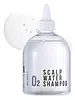 Key Ingredients
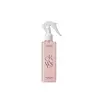
Benefits
Concerns
Ingredients Side-by-side
Water
Skin ConditioningDisodium Laureth Sulfosuccinate
CleansingGlycerin
Humectant


1,2-Hexanediol
Skin Conditioning
Coco-Glucoside
Cleansing
Centella Asiatica Extract
Cleansing



Houttuynia Cordata Extract
Skin Conditioning
Butylene Glycol
Humectant
Pentylene Glycol
Skin Conditioning
Sodium Cocoyl Apple Amino Acids
Foam Boosting
Panthenol
Skin Conditioning
Niacinamide
Smoothing





Lactobacillus/Soybean Ferment Extract
Skin ConditioningLactobacillus/Rice Ferment
Skin Conditioning

Lactobacillus
Skin ConditioningSaccharomyces/Coix Lacryma-Jobi Ma-Yuen Seed Ferment Filtrate
Skin Conditioning
Saccharomyces/Potato Extract Ferment Filtrate
Humectant
Propanediol
Solvent
Citric Acid
Buffering
Caprylyl Glycol
Emollient
Polyquaternium-10
Rosmarinus Officinalis Leaf Oil
Masking
Allantoin
Skin Conditioning
Water, Disodium Laureth Sulfosuccinate, Glycerin, 1,2-Hexanediol, Coco-Glucoside, Centella Asiatica Extract, Houttuynia Cordata Extract, Butylene Glycol, Pentylene Glycol, Sodium Cocoyl Apple Amino Acids, Panthenol, Niacinamide, Lactobacillus/Soybean Ferment Extract, Lactobacillus/Rice Ferment, Lactobacillus, Saccharomyces/Coix Lacryma-Jobi Ma-Yuen Seed Ferment Filtrate, Saccharomyces/Potato Extract Ferment Filtrate, Propanediol, Citric Acid, Caprylyl Glycol, Polyquaternium-10, Rosmarinus Officinalis Leaf Oil, Allantoin
Cyclopentasiloxane
Emollient
Cyclohexasiloxane
Emollient
Isopropyl Myristate
Emollient



Alcohol Denat.
Antimicrobial

Parfum
Masking

Caprylyl Glycol
Emollient
Dimer Dilinoleyl Dimer Dilinoleate
EmollientTocopheryl Acetate
Antioxidant

Water
Skin ConditioningSynthetic Fluorphlogopite
Titanium Dioxide
Cosmetic Colorant

Eclipta Prostrata Extract
Skin Conditioning
Melia Azadirachta Leaf Extract
Skin ConditioningMenthol
Masking
Moringa Oleifera Seed Oil
Emollient
Butylene Glycol
Humectant
Biotin
AntiseborrhoeicHelianthus Annuus Seed Oil
Emollient
Sea Water
HumectantSaccharomyces/Rice Ferment Filtrate
Skin Conditioning
Glycerin
Humectant
Saccharomyces Ferment Filtrate
Humectant
1,2-Hexanediol
Skin Conditioning
Caprylic/Capric Triglyceride
Masking
Hydrolyzed Keratin
Humectant
Bifida Ferment Lysate
Skin Conditioning
Hydrolyzed Elastin
EmollientSpirulina Platensis Extract
Skin ProtectingHydrogenated Lecithin
Emulsifying
Hydrolyzed Collagen
Emollient
Milk Protein Extract
Pearl Extract
Antioxidant
Lecithin
Emollient
Ceramide NP
Skin Conditioning
Diospyros Kaki Fruit Extract
Skin ConditioningCamellia Japonica Leaf Extract
Skin ConditioningCeratonia Siliqua Fruit Extract
MaskingTropolone
Skin ConditioningEcklonia Cava Extract
Skin Conditioning
Gelidium Cartilagineum Extract
Skin ProtectingLaminaria Japonica Extract
Skin Protecting
Lactobacillus Ferment
Skin Conditioning
Lactococcus Ferment
Skin ConditioningUndaria Pinnatifida Extract
Skin ConditioningBacillus Ferment
Skin Conditioning
Soluble Collagen
Humectant
Citric Acid
Buffering
Aspergillus Ferment
Skin ConditioningHizikia Fusiforme Extract
Skin Conditioning
Polysorbate 20
Emulsifying
Hydrolyzed Pearl
Skin ConditioningAureobasidium Pullulans Ferment
Skin ConditioningEthylhexylglycerin
Skin ConditioningCollagen
Moisturising
Glutamic Acid
Humectant
Aspartic Acid
Masking
Glucose
Humectant
Mannose
HumectantCollagen Amino Acids
Moisturising
Lysine
Skin ConditioningArginine
Masking
Methionine
Skin ConditioningCysteine
Antioxidant
Sodium Ascorbyl Phosphate
Antioxidant
Hydrolyzed Wheat Protein
Skin ConditioningHydrolyzed Rice Bran Protein
Skin ConditioningHydrolyzed Rice Protein
Skin ConditioningHydrolyzed Corn Protein
Skin ConditioningHydrolyzed Soy Protein
Humectant
Disodium EDTA
ChelatingMaltodextrin
Absorbent
Sorbitol
Humectant
Fructan
Skin ConditioningFructooligosaccharides
Humectant
Oligopeptide-3
Skin Conditioning
Oligopeptide-1
Skin Conditioning
Citronellol
Perfuming
Geraniol
Perfuming
Linalool
Perfuming
Eugenol
Perfuming
Limonene
Perfuming
Cyclopentasiloxane, Cyclohexasiloxane, Isopropyl Myristate, Alcohol Denat., Parfum, Caprylyl Glycol, Dimer Dilinoleyl Dimer Dilinoleate, Tocopheryl Acetate, Water, Synthetic Fluorphlogopite, Titanium Dioxide, Eclipta Prostrata Extract, Melia Azadirachta Leaf Extract, Menthol, Moringa Oleifera Seed Oil, Butylene Glycol, Biotin, Helianthus Annuus Seed Oil, Sea Water, Saccharomyces/Rice Ferment Filtrate, Glycerin, Saccharomyces Ferment Filtrate, 1,2-Hexanediol, Caprylic/Capric Triglyceride, Hydrolyzed Keratin, Bifida Ferment Lysate, Hydrolyzed Elastin, Spirulina Platensis Extract, Hydrogenated Lecithin, Hydrolyzed Collagen, Milk Protein Extract, Pearl Extract, Lecithin, Ceramide NP, Diospyros Kaki Fruit Extract, Camellia Japonica Leaf Extract, Ceratonia Siliqua Fruit Extract, Tropolone, Ecklonia Cava Extract, Gelidium Cartilagineum Extract, Laminaria Japonica Extract, Lactobacillus Ferment, Lactococcus Ferment, Undaria Pinnatifida Extract, Bacillus Ferment, Soluble Collagen, Citric Acid, Aspergillus Ferment, Hizikia Fusiforme Extract, Polysorbate 20, Hydrolyzed Pearl, Aureobasidium Pullulans Ferment, Ethylhexylglycerin, Collagen, Glutamic Acid, Aspartic Acid, Glucose, Mannose, Collagen Amino Acids, Lysine, Arginine, Methionine, Cysteine, Sodium Ascorbyl Phosphate, Hydrolyzed Wheat Protein, Hydrolyzed Rice Bran Protein, Hydrolyzed Rice Protein, Hydrolyzed Corn Protein, Hydrolyzed Soy Protein, Disodium EDTA, Maltodextrin, Sorbitol, Fructan, Fructooligosaccharides, Oligopeptide-3, Oligopeptide-1, Citronellol, Geraniol, Linalool, Eugenol, Limonene
Reviews
Ingredients Explained
These ingredients are found in both products.
Ingredients higher up in an ingredient list are typically present in a larger amount.
1,2-Hexanediol is a synthetic liquid and another multi-functional powerhouse.
It is a:
- Humectant, drawing moisture into the skin
- Emollient, helping to soften skin
- Solvent, dispersing and stabilizing formulas
- Preservative booster, enhancing the antimicrobial activity of other preservatives
Butylene Glycol (or BG) is used within cosmetic products for a few different reasons:
Overall, Butylene Glycol is a safe and well-rounded ingredient that works well with other ingredients.
Though this ingredient works well with most skin types, some people with sensitive skin may experience a reaction such as allergic rashes, closed comedones, or itchiness.
Learn more about Butylene GlycolCaprylyl Glycol is a humectant, skin conditioner, emollient, and preservative booster derived from either caprylic acid or synthetically created.
Typical use levels vary from 0.3-1% as a preservative booster and go up to 2% to condition skin.
Because it is not a free-fatty acid, this ingredient is fungal acne safe (there's nothing for Malassezia to feed on).
Learn more about Caprylyl GlycolCitric Acid is an alpha hydroxy acid (AHA) naturally found in citrus fruits like oranges, lemons, and limes.
Like other AHAs, citric acid can exfoliate skin by breaking down the bonds that hold dead skin cells together. This helps reveal smoother and brighter skin underneath.
However, this exfoliating effect only happens at high concentrations (20%) which can be hard to find in cosmetic products.
Due to this, citric acid is usually included in small amounts as a pH adjuster. This helps keep products slightly more acidic and compatible with skin's natural pH.
In skincare formulas, citric acid can:
While it can provide some skin benefits, research shows lactic acid and glycolic acid are generally more effective and less irritating exfoliants.
Most citric acid used in skincare today is made by fermenting sugars (usually from molasses). This synthetic version is identical to the natural citrus form but easier to stabilize and use in formulations.
Rosacea skin has a lower threshold for acids generally, with 62.5% of rosacea subjects in one study reacting to lactic acid in a sting test. This is why we mark citric acid as a potential rosacea trigger.
However, this ingredient shows up as a pH adjuster or chelator at roughly 0.1-1% in many products. These low levels are unlikely to be an issue for rosacea skin and becomes a potential trigger at exfoliating concentrations (20%). Because everybody's skin is unique, we recommend a patch test if you are unsure.
Learn more about Citric AcidGlycerin (or glycerol) is a compound naturally found in your skin. It's a powerhouse humectant that pulls water into the stratum corneum.
Topically, glycerin does several things at once:
Your skin makes glycerin on its own (mostly from sebaceous oil breakdown) and shuttles it to your outermost layer of skin, or your epidermis, via aquaporin-3.
Aquaporin-3 is a transporter that is essential for normal skin hydration, elasticity, and repair. Interestingly, mice lacking in AQP3 have dry and less elastic skin that can be fully corrected with glycerin.
This ingredient is non-irritating, plays well with almost every ingredient, and works across all skin types. Typical use is anywhere between 3-10% but can go up to 79% in some leave-on products.
Just know very high concentrations (>40%) can feel tacky in low humidity.
Glycerin is the name for this ingredient in American English. British English uses Glycerol/Glycerine.
Learn more about GlycerinWater. It's the most common cosmetic ingredient of all. You'll usually see it at the top of ingredient lists, meaning that it makes up the largest part of the product.
So why is it so popular? Water most often acts as a solvent - this means that it helps dissolve other ingredients into the formulation.
You'll also recognize water as that liquid we all need to stay alive. If you see this, drink a glass of water. Remember to stay hydrated!
Learn more about Water

