
What's inside
What's inside
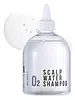 Key Ingredients
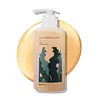
No key ingredients
Benefits
Concerns
Ingredients Side-by-side
Water
Skin ConditioningDisodium Laureth Sulfosuccinate
CleansingGlycerin
Humectant


1,2-Hexanediol
Skin Conditioning
Coco-Glucoside
Cleansing
Centella Asiatica Extract
Cleansing



Houttuynia Cordata Extract
Skin Conditioning
Butylene Glycol
Humectant
Pentylene Glycol
Skin Conditioning
Sodium Cocoyl Apple Amino Acids
Foam Boosting
Panthenol
Skin Conditioning
Niacinamide
Smoothing





Lactobacillus/Soybean Ferment Extract
Skin ConditioningLactobacillus/Rice Ferment
Skin Conditioning

Lactobacillus
Skin ConditioningSaccharomyces/Coix Lacryma-Jobi Ma-Yuen Seed Ferment Filtrate
Skin Conditioning
Saccharomyces/Potato Extract Ferment Filtrate
Humectant
Propanediol
Solvent
Citric Acid
Buffering
Caprylyl Glycol
Emollient
Polyquaternium-10
Rosmarinus Officinalis Leaf Oil
Masking
Allantoin
Skin Conditioning
Water, Disodium Laureth Sulfosuccinate, Glycerin, 1,2-Hexanediol, Coco-Glucoside, Centella Asiatica Extract, Houttuynia Cordata Extract, Butylene Glycol, Pentylene Glycol, Sodium Cocoyl Apple Amino Acids, Panthenol, Niacinamide, Lactobacillus/Soybean Ferment Extract, Lactobacillus/Rice Ferment, Lactobacillus, Saccharomyces/Coix Lacryma-Jobi Ma-Yuen Seed Ferment Filtrate, Saccharomyces/Potato Extract Ferment Filtrate, Propanediol, Citric Acid, Caprylyl Glycol, Polyquaternium-10, Rosmarinus Officinalis Leaf Oil, Allantoin
Water
Skin ConditioningPalm Kernel/Coco Glucoside
Skin ConditioningLaminaria Japonica Extract 0.393%
Skin Protecting
Lactobacillus 0.1%
Skin ConditioningCentella Asiatica Extract
Cleansing
Phaseolus Radiatus Seed Extract
Skin ConditioningCinnamomum Cassia Bark Extract
Masking
Arctium Lappa Root Extract
Skin Conditioning
Silk Amino Acids
HumectantRehmannia Glutinosa Root Extract
Skin ConditioningCornus Officinalis Fruit Extract
Skin ConditioningDioscorea Japonica Root Extract
Skin Conditioning
Alisma Orientale Tuber Extract
Skin ConditioningPoria Cocos Sclerotium Extract
AstringentScutellaria Baicalensis Root Extract
Astringent
Paeonia Suffruticosa Root Extract
Skin ProtectingGlycyrrhiza Glabra Root Extract
Bleaching
Xanthan Gum
EmulsifyingSodium Chloride
MaskingCitric Acid
Buffering
Mentha Arvensis Leaf Oil
Masking
Citrus Aurantium Dulcis Peel Oil
Masking
Pyrus Malus Seed Oil
Emollient
Butylene Glycol
Humectant
1,2-Hexanediol
Skin Conditioning
Water, Palm Kernel/Coco Glucoside, Laminaria Japonica Extract 0.393%, Lactobacillus 0.1%, Centella Asiatica Extract, Phaseolus Radiatus Seed Extract, Cinnamomum Cassia Bark Extract, Arctium Lappa Root Extract, Silk Amino Acids, Rehmannia Glutinosa Root Extract, Cornus Officinalis Fruit Extract, Dioscorea Japonica Root Extract, Alisma Orientale Tuber Extract, Poria Cocos Sclerotium Extract, Scutellaria Baicalensis Root Extract, Paeonia Suffruticosa Root Extract, Glycyrrhiza Glabra Root Extract, Xanthan Gum, Sodium Chloride, Citric Acid, Mentha Arvensis Leaf Oil, Citrus Aurantium Dulcis Peel Oil, Pyrus Malus Seed Oil, Butylene Glycol, 1,2-Hexanediol
Reviews
Ingredients Explained
These ingredients are found in both products.
Ingredients higher up in an ingredient list are typically present in a larger amount.
1,2-Hexanediol is a synthetic liquid and another multi-functional powerhouse.
It is a:
- Humectant, drawing moisture into the skin
- Emollient, helping to soften skin
- Solvent, dispersing and stabilizing formulas
- Preservative booster, enhancing the antimicrobial activity of other preservatives
Butylene Glycol (or BG) is used within cosmetic products for a few different reasons:
Overall, Butylene Glycol is a safe and well-rounded ingredient that works well with other ingredients.
Though this ingredient works well with most skin types, some people with sensitive skin may experience a reaction such as allergic rashes, closed comedones, or itchiness.
Learn more about Butylene GlycolCentella Asiatica Extract (Centella) is one of the most researched botanical extracts in skincare with decades of studies backing its effects on inflammation, collagen, and the skin barrier.
That research keeps pointing back to the same four triterpenoid saponins: Asiaticoside, Madecassoside, Asiatic Acid, and Madecassic Acid.
These compounds allow centella to dial back inflammation, encourage the skin to build and hold onto collagen, support the barrier and hydration, and bring solid antioxidant activity to protect against signs of aging.
Centella also carries a nice supporting cast of Vitamin A, vitamin C, several B vitamins, and amino acids. Put it all together and you get an ingredient that soothes, hydrates, and protects, all at once.
Most of centella's magic comes from the four big compounds (Asiaticoside, Madecassoside, Asiatic Acid, and Madecassic Acid). These are the actives doing the heavy lifting in almost every centella study.
Here is the short version of what they do in the skin:
So it is not just soothing for the sake of soothing. Centella calms the skin AND helps it rebuild.
Just FYI, not all centella on an ingredient list is the same. What you are getting actually depends on the extract:
Fun fact on the ratios: the leaves tend to be richest in Madecassoside and Asiaticoside, and lower in the two acids. The exact amounts shift with where the plant is grown and how it is processed. This means purity really does vary brand to brand.
Centella is one of the most easygoing actives out there.
It layers well with basically everything: niacinamide, hyaluronic acid, peptides, and vitamin C, and also pairs nicely with stronger actives like retinoids and exfoliating acids where it can help take the edge off irritation.
On the safety side, centella and its triterpenes are classified as weak sensitizers, meaning allergic reactions are possible but uncommon.
Patch tests at 1% and 5% came back negative in test panels, and creams at typical use levels did not cause allergic reactions across large groups of people.
But as with any new active, a patch test is still a smart move for very reactive skin.
Centella is widely used because it is effective at low percentages. For context, human safety testing found no meaningful irritation from creams containing centella extract at everyday use levels (the tested amounts were well under 1%).
The irritancy threshold in animal testing was also above 30% (so real-world formulas sit far below anything concerning).
In collagen lab studies, higher concentrations drove more collagen synthesis, so serums built around centella tend to feature it more prominently.
Bottom line: you will find centella working nicely anywhere from a fraction of a percent up to hero-ingredient levels depending on whether it is a supporting soother or the main event.
Fun fact: Centella has been used as a medicine and in food for many centuries. As a medicine, it is used to treat burns, scratches, and wounds.
Learn more about Centella Asiatica ExtractCitric Acid is an alpha hydroxy acid (AHA) naturally found in citrus fruits like oranges, lemons, and limes.
Like other AHAs, citric acid can exfoliate skin by breaking down the bonds that hold dead skin cells together. This helps reveal smoother and brighter skin underneath.
However, this exfoliating effect only happens at high concentrations (20%) which can be hard to find in cosmetic products.
Due to this, citric acid is usually included in small amounts as a pH adjuster. This helps keep products slightly more acidic and compatible with skin's natural pH.
In skincare formulas, citric acid can:
While it can provide some skin benefits, research shows lactic acid and glycolic acid are generally more effective and less irritating exfoliants.
Most citric acid used in skincare today is made by fermenting sugars (usually from molasses). This synthetic version is identical to the natural citrus form but easier to stabilize and use in formulations.
Rosacea skin has a lower threshold for acids generally, with 62.5% of rosacea subjects in one study reacting to lactic acid in a sting test. This is why we mark citric acid as a potential rosacea trigger.
However, this ingredient shows up as a pH adjuster or chelator at roughly 0.1-1% in many products. These low levels are unlikely to be an issue for rosacea skin and becomes a potential trigger at exfoliating concentrations (20%). Because everybody's skin is unique, we recommend a patch test if you are unsure.
Learn more about Citric AcidLactobacillus is the INCI name for the live, whole lactic bacteria culture itself and is classified as a skin conditioning agent.
It is the same genus of probiotic that you can find in yogurt or fermented foods and it shows up at low levels naturally on human skin.
This ingredient is more of a microbiome agent rather than an active; it helps rebalance the skin's microbial community.
The bacteria and their metabolites produce lactic acid and other antimicrobial compounds that crowd out the "bad bacteria". Research on Lactobacillus strains shows activity against pathogens and acne-causing bacteria.
One strain, Lactobacillus plantarum, has also been shown to boost collagen synthesis and lower melanin synthesis in lab and clinical observation.
The most eye-catching data comes from acne research, a topical cream with live lactobacilli was well-tolerated and improved skin hydration by 37.3% after 14 days of use and 45.6% after 28 days.
Sources for this ingredient are usually fermented substrates like dairy, soy, or rice.
In general, this is a low-irritation and well-tolerated ingredient that plays nice with most of your routine.
One thing to keep in mind is that live bacteria are hard to keep alive inside of a skincare product. They struggle to survive on the shelf and don't get along with the preservatives that stop products from spoiling.
That's why you'll see ferment and postbiotic forms instead, like Lactobacillus Ferment or Lactobacillus Ferment Lysate.
There isn't a fixed percentage for this ingredient since it is dosed by strain and viable count.
On the fungal acne front: Lactobacillus is a bacterium (not a fungus). The whole culture contains no fatty acids, esters, or oils that Malassezia can feed on so it is considered fungal acne safe.
Learn more about LactobacillusWater. It's the most common cosmetic ingredient of all. You'll usually see it at the top of ingredient lists, meaning that it makes up the largest part of the product.
So why is it so popular? Water most often acts as a solvent - this means that it helps dissolve other ingredients into the formulation.
You'll also recognize water as that liquid we all need to stay alive. If you see this, drink a glass of water. Remember to stay hydrated!
Learn more about Water

