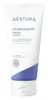
This barrier-repair moisturizer is formulated around Squalane and Hydroxypropyl Bispalmitamide Mea to strengthen the skin barrier and hydrate skin.
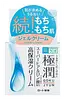
This barrier-repair moisturizer is formulated around Panthenol and Sodium Hyaluronate to strengthen the skin barrier and hydrate skin.


What's inside
What's inside
 Key Ingredients
Benefits
Concerns
Ingredients Side-by-side
Water
Skin ConditioningButylene Glycol
Humectant

Glycerin
Humectant
Butylene Glycol Dicaprylate/Dicaprate
EmollientCetyl Ethylhexanoate
EmollientSqualane
Emollient
Pentaerythrityl Tetraisostearate
Emollient

Dicaprylyl Carbonate
EmollientBehenyl Alcohol
Emollient
Dimethicone
Emollient
Hydroxypropyl Bispalmitamide Mea
Emollient
Stearic Acid
Cleansing
Betaine
Humectant
Mannitol
Humectant
C14-22 Alcohols
Emulsion Stabilising
Palmitic Acid
Emollient

Hydroxypropyl Bislauramide Mea
EmollientArachidyl Alcohol
Emollient
Cholesterol
Emollient
Polyacrylate-13
C12-20 Alkyl Glucoside
EmulsifyingAllantoin
Skin Conditioning
Arachidyl Glucoside
EmulsifyingNiacinamide
Smoothing






Ceramide NP
Skin Conditioning
Glyceryl Caprylate
EmollientEthylhexylglycerin
Skin ConditioningHydrogenated Polyisobutene
EmollientCarbomer
Emulsion StabilisingTromethamine
BufferingDimethiconol
Emollient
Polyglyceryl-10 Laurate
Skin Conditioning
Hydrogenated Lecithin
Emulsifying
Ethylhexyl Palmitate
Emollient
Acrylates/Ammonium Methacrylate Copolymer
Sorbitan Isostearate
Emulsifying
Silica
Abrasive
Phytosphingosine
Skin Conditioning
Sphingolipids
Emollient
Arachidic Acid
Cleansing
Tocopherol
Antioxidant

Oleic Acid
Emollient
Water, Butylene Glycol, Glycerin, Butylene Glycol Dicaprylate/Dicaprate, Cetyl Ethylhexanoate, Squalane, Pentaerythrityl Tetraisostearate, Dicaprylyl Carbonate, Behenyl Alcohol, Dimethicone, Hydroxypropyl Bispalmitamide Mea, Stearic Acid, Betaine, Mannitol, C14-22 Alcohols, Palmitic Acid, Hydroxypropyl Bislauramide Mea, Arachidyl Alcohol, Cholesterol, Polyacrylate-13, C12-20 Alkyl Glucoside, Allantoin, Arachidyl Glucoside, Niacinamide, Ceramide NP, Glyceryl Caprylate, Ethylhexylglycerin, Hydrogenated Polyisobutene, Carbomer, Tromethamine, Dimethiconol, Polyglyceryl-10 Laurate, Hydrogenated Lecithin, Ethylhexyl Palmitate, Acrylates/Ammonium Methacrylate Copolymer, Sorbitan Isostearate, Silica, Phytosphingosine, Sphingolipids, Arachidic Acid, Tocopherol, Oleic Acid
PEG-100 Stearate
Surfactant
Glyceryl Stearate
Emollient
Dimethicone/Vinyl Dimethicone Crosspolymer
Skin Conditioning
Betaine
Humectant
Palmitic Acid
Emollient
Stearic Acid
Cleansing
Cetyl PEG/PPG-10/1 Dimethicone
Emulsifying
Carbomer
Emulsion StabilisingTromethamine
BufferingSodium Acrylate/Sodium Acryloyldimethyl Taurate Copolymer
Emulsion StabilisingPanthenol
Skin Conditioning
Isohexadecane
EmollientCitrus Grandis Peel Oil
Masking




Glyceryl Stearate Citrate
Emollient
Xanthan Gum
EmulsifyingCitrus Aurantium Dulcis Oil
Masking
Acrylates/Ethylhexyl Acrylate Copolymer
Polysorbate 80
Emulsifying
Cymbopogon Martini Oil
Masking
Citrus Aurantium Bergamia Fruit Oil
Masking
Pelargonium Graveolens Flower Oil
Masking
Hydrolyzed Hibiscus Esculentus Extract
Skin ConditioningLupinus Albus Seed Extract
Skin ConditioningMoringa Oleifera Seed Extract
Skin Conditioning
Oryza Sativa Bran Oil Extract
Skin Conditioning
Sorbitan Oleate
Emulsifying
Cedrus Atlantica Bark Oil
Masking
Michelia Alba Flower Oil
Masking
Salvia Sclarea Oil
Masking
Cananga Odorata Flower Oil
Masking
Ceramide NP
Skin Conditioning
Hydrolyzed Sodium Hyaluronate
Skin Conditioning
Sodium Acetylated Hyaluronate
Humectant
Sodium Hyaluronate
Humectant
Eclipta Prostrata Extract
Skin Conditioning
Melia Azadirachta Leaf Extract
Skin ConditioningMoringa Oleifera Seed Oil
Emollient
Citrus Aurantifolia Oil
Cleansing
Cinnamomum Cassia Leaf Oil
Masking
Rose Flower Oil
Masking
Paeonia Officinalis Flower Extract
TonicPotassium Sorbate
Preservative
Sodium Benzoate
Masking
Citric Acid
Buffering
PEG-100 Stearate, Glyceryl Stearate, Dimethicone/Vinyl Dimethicone Crosspolymer, Betaine, Palmitic Acid, Stearic Acid, Cetyl PEG/PPG-10/1 Dimethicone, Carbomer, Tromethamine, Sodium Acrylate/Sodium Acryloyldimethyl Taurate Copolymer, Panthenol, Isohexadecane, Citrus Grandis Peel Oil, Glyceryl Stearate Citrate, Xanthan Gum, Citrus Aurantium Dulcis Oil, Acrylates/Ethylhexyl Acrylate Copolymer, Polysorbate 80, Cymbopogon Martini Oil, Citrus Aurantium Bergamia Fruit Oil, Pelargonium Graveolens Flower Oil, Hydrolyzed Hibiscus Esculentus Extract, Lupinus Albus Seed Extract, Moringa Oleifera Seed Extract, Oryza Sativa Bran Oil Extract, Sorbitan Oleate, Cedrus Atlantica Bark Oil, Michelia Alba Flower Oil, Salvia Sclarea Oil, Cananga Odorata Flower Oil, Ceramide NP, Hydrolyzed Sodium Hyaluronate, Sodium Acetylated Hyaluronate, Sodium Hyaluronate, Eclipta Prostrata Extract, Melia Azadirachta Leaf Extract, Moringa Oleifera Seed Oil, Citrus Aurantifolia Oil, Cinnamomum Cassia Leaf Oil, Rose Flower Oil, Paeonia Officinalis Flower Extract, Potassium Sorbate, Sodium Benzoate, Citric Acid
Reviews
Ingredients Explained
These ingredients are found in both products.
Ingredients higher up in an ingredient list are typically present in a larger amount.
Betaine is a humectant. Like hyaluronic acid, it helps attract and retain moisture in the skin. It’s known for being gentle and for helping the skin maintain balanced hydration.
Betaine is mainly used to improve hydration and support calmer skin. It helps skin cells regulate water balance because it functions as an osmolyte.
Some studies suggest betaine may support making skin tone more even.
Fun fact: Betaine naturally exists in the skin and the body. In cosmetic products, it can be either plant-derived (most commonly from sugar beets) or synthetically produced for consistency and stability.
Betaine is also known as trimethylglycine.
Learn more about BetaineCarbomer is a synthetic thickening and gelling agent. It's basically the ingredient that gives a lot of serums, gels, creams, and sunscreens their smooth, non-sticky texture.
Although legally permitted at very high levels, carbomers are normally used at concentrations below 1%.
It also needs to be neutralized to actually thicken, and because it is a large molecule, it doesn't really penetrate the skin barrier.
Allergy-wise, the risk is very low. Clinical studies show carbomers have low potential for skin irritation/sensitization even at concentrations up to 100%.
A 2024 UK study patch-tested 1,302 patients and found true allergy to the parent group of carbomer to be rare with no confirmed relevant reactions.
Learn more about CarbomerCeramide NP (formerly known as Ceramide 3) is one of the skin's naturally occurring lipids.
Since ceramides are the major lipid components of the skin, they are crucial for maintaining skin barrier and hydration. Ceramide NP most closely mirrors the dominant kind in human skin amongst ceramide subtypes.
This ceramide works by slotting into gaps within the stratum corneum's lipid matrix to limit trans-epidermal water loss (TEWL) and shield the skin against external irritants.
A study with 312 patients found that using a ceramide-containing routine for 4 weeks reduced the severity of atopic dermatitis by over 61%.
Another clinical study in subjects aged 60 and older found that a ceramide body wash and moisturizer improved skin dryness and itchy skin in 15 days.
Overall, ceramides are considered non-irritating and safety tests have found little to no observable adverse effects from using this ingredient.
Ceramide NP is usually sourced from plants (like soybean or rice bran), or produced synthetically.
Learn more about Ceramide NPPalmitic Acid is a fatty acid naturally found in our skin and in many plant and animal sources.
In cosmetics, it is usually derived from palm oil. It serves many purposes in skincare, acting as a cleanser, emollient, and emulsifier.
Interestingly, topically applied Palmitic Acid can be elongated into longer chain fatty acids and ceramides. A 2019 study found low levels of Palmitic Acid lead to slower development of cells, suggesting it plays a role in keeping your skin's renewal process on track.
The CIR (Cosmetic Ingredient Review) panel determined it safe as used in cosmetics at concentrations up to 13%. It is non-irritating and non-sensitizing in clinical studies.
The culprit behind fungal acne, the Malassezia yeast, feeds on fatty acids with carbon chain lengths between C11-C24. Palmitic Acid, at C16, falls right into that sweet spot.
In vitro studies have shown that Palmitic Acid is one of the fatty acids that induce rapid Malassezia growth in lab settings.
It's worth noting that what feeds yeast in a lab doesn't necessarily feed it on your face since formulation and your skin's chemistry play a bigger role.
This ingredient does have a comedogenic rating of 2, but this doesn't mean a formula with this ingredient will clog pores.
Human testing has proved that any finished product with a comedogenic ingredient won't automatically make you break out; it really comes down to concentration, formula, and your skin.
Learn more about Palmitic AcidStearic Acid is a fatty acid that is already found in your skin. It's one of the free fatty acids that works alongside ceramides and cholesterols to maintain your barrier.
In cosmetics, it is a multitasker:
Safety-wise, the CIR Expert Panel has concluded it to be safe in cosmetics when formulated to be non-irritating and non-sensitizing.
Free stearic acid is a C18 fatty acid that the Malassezia yeast can substrate, so this ingredient may not be fungal acne safe.
This ingredient does have a comedogenic rating of 2-3, but this doesn't mean a formula with this ingredient will clog pores.
Human testing has proved that any finished product with this ingredient won't automatically make you break out; it really comes down to concentration, formula, and your skin.
Learn more about Stearic AcidTromethamine (aka THAM) is a synthetic amino acid that shows up in skincare as a helper ingredient.
It functions as a pH adjuster to help neutralize acidic ingredients and set a formula's pH to the right spot.
This matters a lot because a lot of actives (like vitamin C) needs a specific pH to work well and feel comfortable on skin.
Concentration use ranges from 0.1-1.0% depending on the formula.
Learn more about Tromethamine

