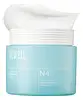
This barrier-repair moisturizer is formulated around Sodium Hyaluronate and Glycyrrhiza Uralensis Root Extract to strengthen the skin barrier and hydrate skin.
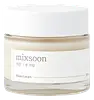
This barrier-repair moisturizer is formulated around Lactobacillus/Punica Granatum Fruit Ferment Extract and Panthenol to strengthen the skin barrier and hydrate skin.

What's inside
What's inside
 Key Ingredients
Benefits
Concerns
Ingredients Side-by-side
Water
Skin ConditioningGlycerin
Humectant


Dipropylene Glycol
HumectantPropanediol
Solvent
Hydrogenated Polydecene
Emollient1,2-Hexanediol
Skin Conditioning
Butylene Glycol
Humectant
Caprylic/Capric Triglyceride
Masking
Polymethylsilsesquioxane

Cetearyl Olivate


Acrylates/C10-30 Alkyl Acrylate Crosspolymer
Emulsion StabilisingTromethamine
BufferingSorbitan Olivate
Emulsifying
Sodium Polyacryloyldimethyl Taurate
Emulsion StabilisingBiosaccharide Gum-1
Humectant
Carbomer
Emulsion StabilisingGlyceryl Glucoside
Humectant
Ethylhexylglycerin
Skin ConditioningHydroxyethylcellulose
Emulsion StabilisingDisodium EDTA
ChelatingTrideceth-10
CleansingHyaluronic Acid
Humectant

Hydrolyzed Hyaluronic Acid
Humectant
Portulaca Oleracea Extract
Skin Conditioning

Sodium Hyaluronate
Humectant
Brassica Oleracea Gemmifera Extract
AstringentHouttuynia Cordata Extract
Skin Conditioning
Sedum Sarmentosum Extract
HumectantHydrogenated Lecithin
Emulsifying
Linoleic Acid
Cleansing
Linolenic Acid
Cleansing

Carthamus Tinctorius Seed Oil
Masking
Polyglyceryl-10 Oleate
Skin Conditioning
Sucrose Palmitate
EmollientSalvia Hispanica Seed Oil
Emollient
Glycyrrhiza Uralensis Root Extract
Skin Conditioning
Saccharide Isomerate
Humectant
Citric Acid
Buffering

Sodium Citrate
BufferingWater, Glycerin, Dipropylene Glycol, Propanediol, Hydrogenated Polydecene, 1,2-Hexanediol, Butylene Glycol, Caprylic/Capric Triglyceride, Polymethylsilsesquioxane, Cetearyl Olivate, Acrylates/C10-30 Alkyl Acrylate Crosspolymer, Tromethamine, Sorbitan Olivate, Sodium Polyacryloyldimethyl Taurate, Biosaccharide Gum-1, Carbomer, Glyceryl Glucoside, Ethylhexylglycerin, Hydroxyethylcellulose, Disodium EDTA, Trideceth-10, Hyaluronic Acid, Hydrolyzed Hyaluronic Acid, Portulaca Oleracea Extract, Sodium Hyaluronate, Brassica Oleracea Gemmifera Extract, Houttuynia Cordata Extract, Sedum Sarmentosum Extract, Hydrogenated Lecithin, Linoleic Acid, Linolenic Acid, Carthamus Tinctorius Seed Oil, Polyglyceryl-10 Oleate, Sucrose Palmitate, Salvia Hispanica Seed Oil, Glycyrrhiza Uralensis Root Extract, Saccharide Isomerate, Citric Acid, Sodium Citrate
Water
Skin ConditioningGlycerin
Humectant
Caprylic/Capric Triglyceride
Masking
Hydrogenated Polyisobutene
EmollientPolyglyceryl-3 Distearate
Emulsifying
Glyceryl Stearate Citrate
Emollient
Hydrogenated Coco-Glycerides
Emollient
Limnanthes Alba Seed Oil
Skin Conditioning
Butylene Glycol
Humectant
Diisostearyl Malate
EmollientVinyldimethicone
Lactobacillus/Soybean Ferment Extract
Skin ConditioningLactobacillus/Punica Granatum Fruit Ferment Extract
Antioxidant
Saccharomyces/Barley Seed Ferment Filtrate
HumectantLactobacillus/Pear Juice Ferment Filtrate
Skin ConditioningPanthenol
Skin Conditioning
Dipotassium Glycyrrhizate
Humectant
Hydrogenated Lecithin
Emulsifying
Melia Azadirachta Flower Extract
Skin ConditioningOcimum Sanctum Leaf Extract
Skin ConditioningMelia Azadirachta Leaf Extract
Skin ConditioningCurcuma Longa Root Extract
Antioxidant
Corallina Officinalis Extract
Skin Conditioning

Eclipta Prostrata Extract
Skin Conditioning
Coccinia Indica Fruit Extract
Skin Conditioning
Ethylhexylglycerin
Skin ConditioningCitrus Aurantium Bergamia Fruit Oil
Masking

Lavandula Angustifolia Oil
Masking
Anthemis Nobilis Flower Oil
Masking
Stearic Acid
Cleansing
Palmitic Acid
Emollient
Oleic Acid
Emollient
Cetearyl Alcohol
Emollient
Hydroxyethyl Acrylate/Sodium Acryloyldimethyl Taurate Copolymer
Emulsion StabilisingGlyceryl Stearate
Emollient
Hydroxyacetophenone
Antioxidant
Sorbitan Isostearate
Emulsifying
Carbomer
Emulsion StabilisingTromethamine
BufferingPropanediol
Solvent
Adenosine
Skin Conditioning
Disodium EDTA
ChelatingSodium Polyacrylate
Absorbent
Water, Glycerin, Caprylic/Capric Triglyceride, Hydrogenated Polyisobutene, Polyglyceryl-3 Distearate, Glyceryl Stearate Citrate, Hydrogenated Coco-Glycerides, Limnanthes Alba Seed Oil, Butylene Glycol, Diisostearyl Malate, Vinyldimethicone, Lactobacillus/Soybean Ferment Extract, Lactobacillus/Punica Granatum Fruit Ferment Extract, Saccharomyces/Barley Seed Ferment Filtrate, Lactobacillus/Pear Juice Ferment Filtrate, Panthenol, Dipotassium Glycyrrhizate, Hydrogenated Lecithin, Melia Azadirachta Flower Extract, Ocimum Sanctum Leaf Extract, Melia Azadirachta Leaf Extract, Curcuma Longa Root Extract, Corallina Officinalis Extract, Eclipta Prostrata Extract, Coccinia Indica Fruit Extract, Ethylhexylglycerin, Citrus Aurantium Bergamia Fruit Oil, Lavandula Angustifolia Oil, Anthemis Nobilis Flower Oil, Stearic Acid, Palmitic Acid, Oleic Acid, Cetearyl Alcohol, Hydroxyethyl Acrylate/Sodium Acryloyldimethyl Taurate Copolymer, Glyceryl Stearate, Hydroxyacetophenone, Sorbitan Isostearate, Carbomer, Tromethamine, Propanediol, Adenosine, Disodium EDTA, Sodium Polyacrylate
Reviews
Ingredients Explained
These ingredients are found in both products.
Ingredients higher up in an ingredient list are typically present in a larger amount.
Butylene Glycol (or BG) is used within cosmetic products for a few different reasons:
Overall, Butylene Glycol is a safe and well-rounded ingredient that works well with other ingredients.
Though this ingredient works well with most skin types, some people with sensitive skin may experience a reaction such as allergic rashes, closed comedones, or itchiness.
Learn more about Butylene GlycolCaprylic/Capric Triglyceride (aka MCT Oil) is a lightweight emollient, solvent, and texture enhancer. It is considered a skin-softener by helping to prevent moisture loss.
Though it behaves like an oil, it is not technically one due to its chemical composition. One perk of this ingredient is that it is very stable, resistant to oxidation, and unlikely to go rancid.
In practice, that translates to a long shelf life and a consistently elegant skin feel.
While there is an assumption Caprylic Triglyceride can clog pores due to it being derived from coconut oil, there is no research supporting this. Just patch test if you have concerns.
Fractionated coconut oil and MCT Oil are both listed as Caprylic/Capric Triglyceride according to INCI. This is because INCI names are based on the ingredient’s final chemical composition and not its marketing name or source.
This ingredient is treated as the gold standard fungal acne safe oil. Even though it is coconut derived, the problematic lauric acid is stripped out.
This leaves just caprylic (C8) and capric (C10) acid. These chain lengths actually trend antifungal; a 2020 study found caprylic acid was enough to disrupt Malassezia furfur cell membrane, with a caprylic acid derivative damaging membrane structures at concentrations as low as 0.2%.
Learn more about Caprylic/Capric TriglycerideCarbomer is a synthetic thickening and gelling agent. It's basically the ingredient that gives a lot of serums, gels, creams, and sunscreens their smooth, non-sticky texture.
Although legally permitted at very high levels, carbomers are normally used at concentrations below 1%.
It also needs to be neutralized to actually thicken, and because it is a large molecule, it doesn't really penetrate the skin barrier.
Allergy-wise, the risk is very low. Clinical studies show carbomers have low potential for skin irritation/sensitization even at concentrations up to 100%.
A 2024 UK study patch-tested 1,302 patients and found true allergy to the parent group of carbomer to be rare with no confirmed relevant reactions.
Learn more about CarbomerDisodium EDTA is a chelating agent. It grabs onto and deactivates metal ions that sneak into your products from water, packaging, or air.
This ingredient mainly works behind the scenes and helps with:
On top of that, this ingredient can counteract the effects of hard water by binding to the minerals in it.
One thing worth knowing is that Disodium EDTA has been shown to be a mild penetration enhancer. It can help other ingredients absorb into skin more effectively which can be a double-edged sword (great for actives, but can also make the active too strong if you have sensitive skin).
Clinical patch testing showed no significant skin irritation at typical use concentrations and minimal dermal absorption.
You'll most likely see this ingredient near the end of an ingredient list. It's typically found in concentrations less than 1%.
Learn more about Disodium EDTAEthylhexylglycerin is created from glycerin. It is a multitasker ingredient that:
The CIR Expert Panel found minimal skin absorption or sensitization of any kind in a safety assessment. Though this ingredient is considered well-tolerated, a small number of cases of allergic dermatitis have been published since 2002. Just be sure to patch test if you are unsure.
Industry-reported use ranges from 8% in rinse-off products and 2% in leave-on formulations.
Learn more about EthylhexylglycerinGlycerin (or glycerol) is a compound naturally found in your skin. It's a powerhouse humectant that pulls water into the stratum corneum.
Topically, glycerin does several things at once:
Your skin makes glycerin on its own (mostly from sebaceous oil breakdown) and shuttles it to your outermost layer of skin, or your epidermis, via aquaporin-3.
Aquaporin-3 is a transporter that is essential for normal skin hydration, elasticity, and repair. Interestingly, mice lacking in AQP3 have dry and less elastic skin that can be fully corrected with glycerin.
This ingredient is non-irritating, plays well with almost every ingredient, and works across all skin types. Typical use is anywhere between 3-10% but can go up to 79% in some leave-on products.
Just know very high concentrations (>40%) can feel tacky in low humidity.
Glycerin is the name for this ingredient in American English. British English uses Glycerol/Glycerine.
Learn more about GlycerinHydrogenated Lecithin is a more stable version of lecithin.
It's made by taking lecithin (a phospholipid commonly found in soybeans and egg yolks) and hydrogenating it. This just means the unsaturated fatty acids are turned into saturated ones so they don't go bad as easily.
This ingredient is an emollient, emulsifier, and penetration enhancer. As an emollient, it helps soften and hydrate skin by trapping moisture within. As an emulsifier, it prevents oil and water ingredients from separating.
Hydrogenated Lecithin can form tiny spherical structures made of phospholipid bilayers called liposomes. These liposomes are able to capture compounds inside their structure and deliver them through the skin barrier.
Because phospholipids are a natural component of our cell membranes, this ingredient is inherently compatible with skin.
A 2021 study found lecithin-based surfactants were less harsh and more tolerable comared to Sodium Lauryl Sulfate (SLS).
Learn more about Hydrogenated LecithinPropanediol is an all-star ingredient. It softens, hydrates, and smooths the skin.
It’s often used to:
Propanediol is not likely to cause sensitivity and considered safe to use. It is derived from corn or petroleum with a clear color and no scent.
Learn more about PropanediolTromethamine (aka THAM) is a synthetic amino acid that shows up in skincare as a helper ingredient.
It functions as a pH adjuster to help neutralize acidic ingredients and set a formula's pH to the right spot.
This matters a lot because a lot of actives (like vitamin C) needs a specific pH to work well and feel comfortable on skin.
Concentration use ranges from 0.1-1.0% depending on the formula.
Learn more about TromethamineWater. It's the most common cosmetic ingredient of all. You'll usually see it at the top of ingredient lists, meaning that it makes up the largest part of the product.
So why is it so popular? Water most often acts as a solvent - this means that it helps dissolve other ingredients into the formulation.
You'll also recognize water as that liquid we all need to stay alive. If you see this, drink a glass of water. Remember to stay hydrated!
Learn more about Water

