This chemical sunscreen covers the full UV range, though its SPF isn't confirmed on file yet.
This chemical sunscreen covers the full UV range and blocks ~97% of UVB at SPF 30.


What's inside
What's inside
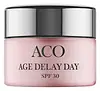 Key Ingredients
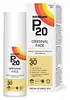
Benefits
Concerns
Ingredients Side-by-side
Water
Skin ConditioningNiacinamide
Smoothing











Ethylhexyl Salicylate
UV Absorber

Dibutyl Adipate
EmollientDiisopropyl Sebacate
EmollientBis-Ethylhexyloxyphenol Methoxyphenyl Triazine
UV Absorber
Diethylamino Hydroxybenzoyl Hexyl Benzoate
UV Filter
Glycerin
Humectant
Dimethicone
Emollient
Methylene Bis-Benzotriazolyl Tetramethylbutylphenol
UV Filter
Diethylhexyl Carbonate
Emollient1,2-Hexanediol
Skin Conditioning
Propanediol
Solvent
Cetyl Dimethicone
Emollient
Ethylhexyl Triazone
UV Absorber
Silica
Abrasive
Methoxy PEG/PPG-25/4 Dimethicone
Emulsifying
Bis-PEG/PPG-20/5 PEG/PPG-20/5 Dimethicone
Emulsifying
Tris-Biphenyl Triazine
UV Absorber
Canola Oil
Emollient





Hydrolyzed Hyaluronic Acid
Humectant
Ascorbyl Tetraisopalmitate
Antioxidant

Tocopheryl Acetate
Antioxidant
Ammonium Acryloyldimethyltaurate/Vp Copolymer
Acrylates/C10-30 Alkyl Acrylate Crosspolymer
Emulsion StabilisingXanthan Gum
EmulsifyingPolysorbate 80
Emulsifying
Decyl Glucoside
Cleansing
Caprylic/Capric Triglyceride
Masking
Cetearyl Alcohol
Emollient
Glyceryl Stearate
Emollient
Propylene Glycol
Humectant
Butylene Glycol
Humectant
Citric Acid
Buffering
Disodium Phosphate
BufferingPentaerythrityl Tetra-Di-T-Butyl Hydroxyhydrocinnamate
Antioxidant
Sodium Benzoate
Masking
Parfum
Masking


Water, Niacinamide, Ethylhexyl Salicylate, Dibutyl Adipate, Diisopropyl Sebacate, Bis-Ethylhexyloxyphenol Methoxyphenyl Triazine, Diethylamino Hydroxybenzoyl Hexyl Benzoate, Glycerin, Dimethicone, Methylene Bis-Benzotriazolyl Tetramethylbutylphenol, Diethylhexyl Carbonate, 1,2-Hexanediol, Propanediol, Cetyl Dimethicone, Ethylhexyl Triazone, Silica, Methoxy PEG/PPG-25/4 Dimethicone, Bis-PEG/PPG-20/5 PEG/PPG-20/5 Dimethicone, Tris-Biphenyl Triazine, Canola Oil, Hydrolyzed Hyaluronic Acid, Ascorbyl Tetraisopalmitate, Tocopheryl Acetate, Ammonium Acryloyldimethyltaurate/Vp Copolymer, Acrylates/C10-30 Alkyl Acrylate Crosspolymer, Xanthan Gum, Polysorbate 80, Decyl Glucoside, Caprylic/Capric Triglyceride, Cetearyl Alcohol, Glyceryl Stearate, Propylene Glycol, Butylene Glycol, Citric Acid, Disodium Phosphate, Pentaerythrityl Tetra-Di-T-Butyl Hydroxyhydrocinnamate, Sodium Benzoate, Parfum
Water
Skin ConditioningDiethylamino Hydroxybenzoyl Hexyl Benzoate
UV Filter
Dibutyl Adipate
EmollientBis-Ethylhexyloxyphenol Methoxyphenyl Triazine
UV Absorber
Dicaprylyl Carbonate
EmollientTris-Biphenyl Triazine
UV Absorber
Glycerin
Humectant
Phenoxyethyl Caprylate
Caprylyl Caprylate/Caprate
Emollient
Canola Oil
Emollient
Silica
Abrasive
Potassium Cetyl Phosphate
EmulsifyingPanthenol
Skin Conditioning
Trehalose
Humectant
Cetearyl Alcohol
Emollient
Ethylhexyl Triazone
UV Absorber
Vp/Eicosene Copolymer
Phenoxyethanol
Preservative
Squalane
Emollient
Glyceryl Stearate
Emollient
Sodium Olivoyl Glutamate
CleansingSorbitan Caprylate
EmulsifyingTocopheryl Acetate
Antioxidant
Decyl Glucoside
Cleansing
Benzoic Acid
Masking
Caprylyl Glycol
Emollient
Propanediol
Solvent
Acacia Senegal Gum
MaskingXanthan Gum
EmulsifyingSodium Phytate
Tocopherol
Antioxidant
Dehydroacetic Acid
Preservative
Ascorbyl Palmitate
Antioxidant
Ethylhexylglycerin
Skin ConditioningButylene Glycol
Humectant
Disodium Phosphate
BufferingCitric Acid
Buffering
Biosaccharide Gum-1
Humectant
Potassium Sorbate
Preservative
Sodium Benzoate
Masking
Glyceryl Caprylate
EmollientSodium Levulinate
Skin ConditioningSodium Anisate
AntimicrobialSodium Hydroxide
BufferingWater, Diethylamino Hydroxybenzoyl Hexyl Benzoate, Dibutyl Adipate, Bis-Ethylhexyloxyphenol Methoxyphenyl Triazine, Dicaprylyl Carbonate, Tris-Biphenyl Triazine, Glycerin, Phenoxyethyl Caprylate, Caprylyl Caprylate/Caprate, Canola Oil, Silica, Potassium Cetyl Phosphate, Panthenol, Trehalose, Cetearyl Alcohol, Ethylhexyl Triazone, Vp/Eicosene Copolymer, Phenoxyethanol, Squalane, Glyceryl Stearate, Sodium Olivoyl Glutamate, Sorbitan Caprylate, Tocopheryl Acetate, Decyl Glucoside, Benzoic Acid, Caprylyl Glycol, Propanediol, Acacia Senegal Gum, Xanthan Gum, Sodium Phytate, Tocopherol, Dehydroacetic Acid, Ascorbyl Palmitate, Ethylhexylglycerin, Butylene Glycol, Disodium Phosphate, Citric Acid, Biosaccharide Gum-1, Potassium Sorbate, Sodium Benzoate, Glyceryl Caprylate, Sodium Levulinate, Sodium Anisate, Sodium Hydroxide
Reviews
Ingredients Explained
These ingredients are found in both products.
Ingredients higher up in an ingredient list are typically present in a larger amount.
This ingredient is better known as bemotrizinol or Tinosorb S and is one of the best broad-spectrum UV filters in modern sunscreen.
It works by absorbing UV light across a whole range (280-400 nm) with peaks around 310 nm (UVB) and 340-345 nm (UVA). This means it covers UVB plus the deeper UVA wavelengths that drive photoaging and pigmentation.
Another pro?
It's exceptionally photostable, barely degrades in sunlight, and acts as a "bodyguard" for less stable filters.
That's why you'll see it paired with avobenzone or octinoxate; this team up ensures they keep working through sun exposure.
Safety reviews have been reassuring across the board. This ingredient shows low absorption through the skin, rarely irritates, and lab studies found it doesn't act like a hormone in the body (a concern that's been raised about some older sunscreen filters).
On maximum concentrations:
In 2026, the US F.D.A finally added it as an OTC sunscreen ingredient at concentrations up to 6% for adults / children 6 months and older
Learn more about Bis-Ethylhexyloxyphenol Methoxyphenyl TriazineButylene Glycol (or BG) is used within cosmetic products for a few different reasons:
Overall, Butylene Glycol is a safe and well-rounded ingredient that works well with other ingredients.
Though this ingredient works well with most skin types, some people with sensitive skin may experience a reaction such as allergic rashes, closed comedones, or itchiness.
Learn more about Butylene GlycolCanola Oil is a plant-oil and low-erucic-acid variety of rapeseed. Like other seed oils, it functions as an emollient that softens skin and slows water loss.
Its fatty acid profile is mostly linoleic acid (55-65%) with some oleic, palmitic, and stearic acids. There are also some small amounts of vitamin E and plant sterols.
The sterol content is pretty interesting:
In a controlled human study, a single application of canola oil and especially its sterol-enriched fraction reduced visible irritation, redness, and water loss caused by SLS. Plain canola oil and most other tested oils did little on healthy, un-irritated skin.
It's pretty much just a calm, moisturizing oil that helps with soothing if your skin is already irritated.
Since canola oil is made up of C18 fatty acids, it may not be fungal acne safe. The Malassezia yeast feeds on chain lengths C11-24.
Fun fact: Canadian growers bred the low-erucic variety in the 1970's, and the name stands for "Canadian oil, Low Acid").
Learn more about Canola OilCetearyl alcohol is a waxy mixture of two fatty alcohols: cetyl alcohol and stearyl alcohol. It is an emollient and emulsifier.
Despite having "alcohol" in its name, it has nothing to do with drying solvent alcohols; the FDA also allows "alcohol-free" products to contain fatty alcohols like this ingredient.
It plays several roles in a formula:
Typical use levels for this ingredient sit around 1-10% and the Cosmetic Ingredient Review Expert Panel has affirmed safety at concentrations up to 25% in leave-on products.
Multiple assessments have found it to be non-irritating and non-sensitizing to most people.
However, there have been some cases of allergic contact dermatitis in patients with chronically compromised skin barriers.
Cetearyl alcohol has a comedogenic rating of 2 and irritancy rating of 1. Both of these numbers come from the 1989 study that used rabbit ears; a "2" means mildly comedogenic and a "1" means low irritancy.
Here's the catch: rabbit skin is more sensitive than human skin and throws a lot of false positives. A 1996 reappraisal found that ingredients rated 1-2 in the rabbit ear tests are generally safe for humans.
Remember comedogenic ratings are unable to assess the entire formula of a product or how it will react on your skin. Just be sure to patch test if you are unsure about certain ingredients.
This ingredient is not fungal acne safe. Cetearyl alcohol is a fatty alcohol with chain lengths that fall within the range that Malassezia can metabolize.
A 2019 study has also observed Malassezia growth in the presence of this ingredient, confirming it to be not-fungal acne safe.
Learn more about Cetearyl AlcoholCitric Acid is an alpha hydroxy acid (AHA) naturally found in citrus fruits like oranges, lemons, and limes.
Like other AHAs, citric acid can exfoliate skin by breaking down the bonds that hold dead skin cells together. This helps reveal smoother and brighter skin underneath.
However, this exfoliating effect only happens at high concentrations (20%) which can be hard to find in cosmetic products.
Due to this, citric acid is usually included in small amounts as a pH adjuster. This helps keep products slightly more acidic and compatible with skin's natural pH.
In skincare formulas, citric acid can:
While it can provide some skin benefits, research shows lactic acid and glycolic acid are generally more effective and less irritating exfoliants.
Most citric acid used in skincare today is made by fermenting sugars (usually from molasses). This synthetic version is identical to the natural citrus form but easier to stabilize and use in formulations.
Rosacea skin has a lower threshold for acids generally, with 62.5% of rosacea subjects in one study reacting to lactic acid in a sting test. This is why we mark citric acid as a potential rosacea trigger.
However, this ingredient shows up as a pH adjuster or chelator at roughly 0.1-1% in many products. These low levels are unlikely to be an issue for rosacea skin and becomes a potential trigger at exfoliating concentrations (20%). Because everybody's skin is unique, we recommend a patch test if you are unsure.
Learn more about Citric AcidDecyl Glucoside is a plant-derived surfactant and emulsion stabilizer. It is created by reacting glucose with the fatty acids from plants.
Like all surfactants, it works by lowering the surface tension between water and oil. This makes it so that dirt, sebum, and makeup can be lifted off your skin and rinsed away. It also produces a dense and creamy foam.
Because it has a neutral charge, it is compatible with a wide range of ingredients and stays stable across a broad pH range/water hardiness conditions.
Patch testing has shown it to have the lowest irritation potential among common cleansing surfactants (like SLS).
Typical use levels range from 5-20% in rinse-off cleansers.
One thing worth knowing: The American Contact Dermatitis Society named the parent family, alkyl glucosides, "Allergen of the Year" in 2017. The prevalence of allergy is pretty low but be sure to patch test if you've reacted to "gentle" or sulfate-free cleansers before.
This ingredient is fungal acne safe because the fatty alcohol portion of this ingredient is not within the C11-24 chain length that Malassezia can metabolize.
Learn more about Decyl GlucosideDibutyl Adipate is a lightweight, oil-soluble ester that acts as an emollient and solvent. It helps products spread more easily and leaves a soft, silky, dry-touch finish without being greasy.
You'll likely see this ingredient in sunscreens because it does a nice job dissolving UV filters and keeping them evenly distributed.
This ingredient has been found to be safe as used in cosmetics, wasn't a skin or eye irritant in clinical patch testing, and wasn't phototoxic.
In a clinical comedogenicity test, this ingredient tested negative so it isn't likely to clog pores.
Typical use levels are about 5-8% for sunscreens + nail products, but can range from 0.005%-8% depending on the product.
Learn more about Dibutyl AdipateDiethylamino Hydroxybenzoyl Hexyl Benzoate (DHHB) is a chemical UV-A absorber. It is formulated for high UVA protection (320-400 nm).
DHHB is well-liked for:
DHHB has been approved by the EU, Japan, Taiwan, and South America for use up to 10%. Unfortunately, it has not been approved for use in the US or Canada due to slow regulatory processes.
This ingredient is soluble in oils, fats, and lipids.
Learn more about Diethylamino Hydroxybenzoyl Hexyl BenzoateDisodium Phosphate is a water-soluble powder used as a pH adjuster and mild chelating agent. It basically holds a specific pH and binds stray metal ions so your product stays stable.
This ingredient is usually used at very low levels and concentrations range from 0.000054% - 2.9%. The CIR Expert Panel states this ingredient to be non-irritating at current use levels.
Ethylhexyl Triazone (aka Octyl Triazone) is an oil-soluble organic UVB filter. It has peak absorption around 314 nm, right in the middle of the UVB range.
This ingredient is described as one of the most effective UVB filters available and small concentrations are enough to deliver a high SPF thanks to its strong UV absorbing power.
Formulators love it for its stability; its ability to filter UV stays practically unchanged even under intense radiation and it can also help boost the photostability of less stable filters like avobenzone.
It's also a great pick for water resistant products because it's insoluble in water and has a good affinity for keratin.
Because it's a big, heavy molecule, the European Scientific Committee has found to to have very low dermal penetration and negative results for allergenicity.
In vitro testing also showed a low absorption rate and clean results on irritation.
Typical use levels are 1-5% with 5% being the maximum in the EU, Japan, and other markets that allow it. However, this ingredient is not approved yet in the US or Canada.
Learn more about Ethylhexyl TriazoneGlycerin (or glycerol) is a compound naturally found in your skin. It's a powerhouse humectant that pulls water into the stratum corneum.
Topically, glycerin does several things at once:
Your skin makes glycerin on its own (mostly from sebaceous oil breakdown) and shuttles it to your outermost layer of skin, or your epidermis, via aquaporin-3.
Aquaporin-3 is a transporter that is essential for normal skin hydration, elasticity, and repair. Interestingly, mice lacking in AQP3 have dry and less elastic skin that can be fully corrected with glycerin.
This ingredient is non-irritating, plays well with almost every ingredient, and works across all skin types. Typical use is anywhere between 3-10% but can go up to 79% in some leave-on products.
Just know very high concentrations (>40%) can feel tacky in low humidity.
Glycerin is the name for this ingredient in American English. British English uses Glycerol/Glycerine.
Learn more about GlycerinGlyceryl Stearate is made by reacting glycerin with stearic acid (typically sourced from plant oils like palm or coconut). It's an emulsifier, emollient, and mild occlusive.
Emulsifiers help ingredients like oil and water stay mixed so your formula stays nicely blended and uniform in texture.
This ingredient is typically used in concentrations between 1-10%. Studies have found it to be non-sensitizing, non-phototoxic, and non-photoallergenic.
A close cousin of this ingredient is Glyceryl Stearate SE ("self-emulsifying"). This just has a small amount of sodium or potassium stearate added so it can emulsify without a co-emulsifier.
Since this ingredient is an ester of a C18 fatty acid, it may not be fungal acne safe. The Malassezia yeast can potentially metabolize within the C11-C24 range.
Fun fact: The human body also creates Glyceryl Stearate naturally.
Learn more about Glyceryl StearatePropanediol is an all-star ingredient. It softens, hydrates, and smooths the skin.
It’s often used to:
Propanediol is not likely to cause sensitivity and considered safe to use. It is derived from corn or petroleum with a clear color and no scent.
Learn more about PropanediolSilica, also known as silicon dioxide, is a naturally occurring mineral. It is used as a fine, spherical, and porous powder in cosmetics.
Though it has exfoliant properties, the function of silica varies depending on the product.
The unique structure of silica enhances the spreadability and adds smoothness, making it a great texture enhancer.
It is also used as an active carrier, emulsifier, and mattifier due to its ability to absorb excess oil.
In some products, tiny microneedles called spicules are made from silica or hydrolyzed sponge. When you rub them in, they lightly polish away dead skin layers and enhance the penetration of active ingredients.
Learn more about SilicaSodium Benzoate is a preservative. It's used in both cosmetic and food products to inhibit the growth of mold and bacteria. It is typically produced synthetically.
Both the US FDA and EU Health Committee have approved the use of sodium benzoate. In the US, levels of 0.1% (of the total product) are allowed.
Sodium benzoate works as a preservative by inhibiting the growth of bacteria inside of cells. It prevents the cell from fermenting a type of sugar using an enzyme called phosphofructokinase.
It is the salt of benzoic acid. Foods containing sodium benzoate include soda, salad dressings, condiments, fruit juices, wines, and snack foods.
Studies for using ascorbic acid and sodium benzoate in cosmetics are lacking, especially in skincare routines with multiple steps.
We always recommend speaking with a professional, such as a dermatologist, if you have any concerns.
Learn more about Sodium BenzoateTocopheryl Acetate is a stable, shelf-friendly form of vitamin E.
Formulators love it because plain vitamin E oxidizes quickly once it hits air. This acetate version stays stable and resists going off, helping to extend a product's shelf life.
It's actually inactive on its own and works like a slow-release "storage" form; the enzymes in your skin called esterases gradually convert it into active vitamin E over time.
One in vivo study showed 5% of the acetate in the living layer of the epidermis converted to vitamin E after 5 days of application. This study also found the skin gained protection against UV damage even though the conversion was slow and small.
Once converted, vitamin E acts as a skin's main fat-soluble antioxidant that fights free radicals to protect skin from damage.
Topical vitamin E generally boosts the skin's photoprotection, and it reduced UV-damage in animal models.
This ingredient has some brightening potential but it's more of a prevention ingredient than spot-fader. Cell studies show it can slow down melanin production but it's worth noting that it's not the most powerful brightener out there.
Overall, it has a pretty solid safety profile and has been found to be non-irritating and non-comedogenic. Allergic reactions may happen but stay rare due to how widely the ingredient gets used.
The concentration will vary depending on the formula; industry data shows 0.1% in baby lotions, 3% in lipsticks, and 5% in foot powders. You can also find this ingredient at 100% in a pure vitamin E oil.
Most leave-on skincare keeps it at the lower end, often between 0.5-1%.
Learn more about Tocopheryl AcetateTris-Biphenyl Triazine (aka Tinosorb A2B) is one of the newer UV filters and is a bit of an overachiever in a very specific way.
It's the most efficient UVB + UVA-2 filter currently available on the market.
The UVA-2 gap is something that a lot of older UV filters miss; UVA-2 is a deep-penetrating, aging and pigmentation-driving, wavelength that you can't feel (it doesn't burn the way UVB does).
When paired with UVA-1 filters, Tinosorb A2B is able to give a "boosting" assist as well.
More cool things about this ingredient? It's highly photostable and has high SPF performance at low concentrations.
That photostability matters because plenty of older filters degrade as you wear them; this one stays put and even helps stabilize the other filters around it.
A 2015 study found this ingredient delivers about 2 SPF units and 1 UVA-PF unit per percentage used, with SPF and UVA protection holding steady after two hours under a solar simulator.
Safety-wise, it's been formally reviewed and cleared. Both the EU and Australia approve it as a UV filter up to 10%.
Because it has a high molecular weight, significant absorption through the skin is quite low and there has been no evidence of phototoxicity or photoallergenicity in a human study on 53 subjecfts.
You won't be able to find this ingredient in the US yet due to FDA regulatory backlog.
Learn more about Tris-Biphenyl TriazineWater. It's the most common cosmetic ingredient of all. You'll usually see it at the top of ingredient lists, meaning that it makes up the largest part of the product.
So why is it so popular? Water most often acts as a solvent - this means that it helps dissolve other ingredients into the formulation.
You'll also recognize water as that liquid we all need to stay alive. If you see this, drink a glass of water. Remember to stay hydrated!
Learn more about WaterXanthan gum is used as a stabilizer and thickener within cosmetic products. It helps give products a sticky, thick feeling - preventing them from being too runny.
On the technical side of things, xanthan gum is a polysaccharide - a combination consisting of multiple sugar molecules bonded together.
Xanthan gum is a pretty common and great ingredient. It is a natural, non-toxic, non-irritating ingredient that is also commonly used in food products.
Learn more about Xanthan Gum

