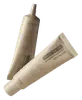
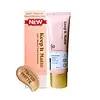
Absidy Beauty Sol'r Milk Aqua UV Sunscreen SPF 50+ PA++++ Versus Barefaced Ph Keep It Matte 100% Mineral Tinted Sunscreen SPF 50 PA+++
This chemical sunscreen covers the full UV range and blocks ~98% of UVB at SPF 50.
This mineral sunscreen covers the full UV range and blocks ~98% of UVB at SPF 50.

What's inside
What's inside
 Key Ingredients
Benefits
Concerns
Ingredients Side-by-side
Water
Skin ConditioningDibutyl Adipate
EmollientPropanediol
Solvent

Diethylamino Hydroxybenzoyl Hexyl Benzoate
UV Filter
Polymethylsilsesquioxane

Silica
Abrasive


Ethylhexyl Triazone
UV Absorber
Methylene Bis-Benzotriazolyl Tetramethylbutylphenol
UV Filter
Coco-Caprylate/Caprate
Emollient
Caprylyl Methicone
Skin Conditioning
Diethylhexyl Butamido Triazone
UV Absorber
1,2-Hexanediol
Skin Conditioning
Propylheptyl Caprylate
EmollientSodium Hyaluronate
Humectant


Aureobasidium Pullulans Ferment
Skin ConditioningDimethicone
Emollient
Disiloxane
Skin Conditioning
Isododecane
EmollientPentylene Glycol
Skin Conditioning
Polyglyceryl-3 Methylglucose Distearate
Emulsifying

Poly C10-30 Alkyl Acrylate
Emulsion StabilisingDecyl Glucoside
Cleansing
Tromethamine
BufferingVp/Eicosene Copolymer
Acrylates/C10-30 Alkyl Acrylate Crosspolymer
Emulsion StabilisingSodium Stearoyl Glutamate
CleansingPolyacrylate Crosspolymer-6
Emulsion StabilisingAllantoin
Skin Conditioning
Dipotassium Glycyrrhizate
Humectant
Niacinamide
Smoothing




Ethylhexylglycerin
Skin ConditioningAdenosine
Skin Conditioning
Glycerin
Humectant
Tocopherol
Antioxidant

Butylene Glycol
Humectant
Sodium DNA
Skin Conditioning
Behenyl Alcohol
Emollient
Carbomer
Emulsion StabilisingXanthan Gum
EmulsifyingWater, Dibutyl Adipate, Propanediol, Diethylamino Hydroxybenzoyl Hexyl Benzoate, Polymethylsilsesquioxane, Silica, Ethylhexyl Triazone, Methylene Bis-Benzotriazolyl Tetramethylbutylphenol, Coco-Caprylate/Caprate, Caprylyl Methicone, Diethylhexyl Butamido Triazone, 1,2-Hexanediol, Propylheptyl Caprylate, Sodium Hyaluronate, Aureobasidium Pullulans Ferment, Dimethicone, Disiloxane, Isododecane, Pentylene Glycol, Polyglyceryl-3 Methylglucose Distearate, Poly C10-30 Alkyl Acrylate, Decyl Glucoside, Tromethamine, Vp/Eicosene Copolymer, Acrylates/C10-30 Alkyl Acrylate Crosspolymer, Sodium Stearoyl Glutamate, Polyacrylate Crosspolymer-6, Allantoin, Dipotassium Glycyrrhizate, Niacinamide, Ethylhexylglycerin, Adenosine, Glycerin, Tocopherol, Butylene Glycol, Sodium DNA, Behenyl Alcohol, Carbomer, Xanthan Gum
Water
Skin ConditioningIsododecane
EmollientDimethicone
Emollient
Dimethicone/Vinyl Dimethicone Crosspolymer
Skin Conditioning
Titanium Dioxide
Cosmetic Colorant
Caprylic/Capric Triglyceride
Masking
Zinc Oxide
Cosmetic Colorant
Isodecyl Neopentanoate
EmollientButylene Glycol
Humectant
Niacinamide
Smoothing
Cetearyl Alcohol
Emollient


Glyceryl Stearate
Emollient
PEG-100 Stearate
Surfactant
Aluminum Starch Octenylsuccinate
Absorbent
Centella Asiatica Extract
Cleansing
Hydrogen Dimethicone
Aluminum Hydroxide
EmollientTrimethylsiloxysilicate
Emollient
Scutellaria Baicalensis Root Extract
Astringent
Caprylyl Methicone
Skin Conditioning
Propylene Glycol
Humectant
PEG-7 Glyceryl Cocoate
Emulsifying
Hexylene Glycol
EmulsifyingCarbomer
Emulsion StabilisingBeta-Glucan
Skin Conditioning
Avena Sativa Kernel Extract
Abrasive
Phenoxyethanol
Preservative
Tocopheryl Acetate
Antioxidant
Chlorphenesin
Antimicrobial
Maltodextrin
Absorbent
Chlorella Ferment
Skin Conditioning
Sodium Hyaluronate
Humectant
Glycyrrhiza Glabra Root Extract
Bleaching
Tetrasodium EDTA
Talc
Abrasive
CI 77491
Cosmetic ColorantCI 77492
Cosmetic ColorantCI 77499
Cosmetic ColorantWater, Isododecane, Dimethicone, Dimethicone/Vinyl Dimethicone Crosspolymer, Titanium Dioxide, Caprylic/Capric Triglyceride, Zinc Oxide, Isodecyl Neopentanoate, Butylene Glycol, Niacinamide, Cetearyl Alcohol, Glyceryl Stearate, PEG-100 Stearate, Aluminum Starch Octenylsuccinate, Centella Asiatica Extract, Hydrogen Dimethicone, Aluminum Hydroxide, Trimethylsiloxysilicate, Scutellaria Baicalensis Root Extract, Caprylyl Methicone, Propylene Glycol, PEG-7 Glyceryl Cocoate, Hexylene Glycol, Carbomer, Beta-Glucan, Avena Sativa Kernel Extract, Phenoxyethanol, Tocopheryl Acetate, Chlorphenesin, Maltodextrin, Chlorella Ferment, Sodium Hyaluronate, Glycyrrhiza Glabra Root Extract, Tetrasodium EDTA, Talc, CI 77491, CI 77492, CI 77499
Reviews
Ingredients Explained
These ingredients are found in both products.
Ingredients higher up in an ingredient list are typically present in a larger amount.
Butylene Glycol (or BG) is used within cosmetic products for a few different reasons:
Overall, Butylene Glycol is a safe and well-rounded ingredient that works well with other ingredients.
Though this ingredient works well with most skin types, some people with sensitive skin may experience a reaction such as allergic rashes, closed comedones, or itchiness.
Learn more about Butylene GlycolCaprylyl Methicone is a synthetic and lightweight silicone fluid. It gives products a silky, dry-touch finish without the heaviness of pure oils.
Though the EU CosIng Database lists this ingredient as a skin conditioner, it is also used for sensory reasons. It spreads easily, cuts greasiness, and reduces tackiness.
This ingredient is volatile which means it will mostly evaporate (but it evaporates slower than older cyclomethicones, like Cyclotetrasiloxane).
Typical concentration ranges from 1-30% depending on if it's being used to tweak the feel of a product or acting as the main emollient.
Learn more about Caprylyl MethiconeCarbomer is a synthetic thickening and gelling agent. It's basically the ingredient that gives a lot of serums, gels, creams, and sunscreens their smooth, non-sticky texture.
Although legally permitted at very high levels, carbomers are normally used at concentrations below 1%.
It also needs to be neutralized to actually thicken, and because it is a large molecule, it doesn't really penetrate the skin barrier.
Allergy-wise, the risk is very low. Clinical studies show carbomers have low potential for skin irritation/sensitization even at concentrations up to 100%.
A 2024 UK study patch-tested 1,302 patients and found true allergy to the parent group of carbomer to be rare with no confirmed relevant reactions.
Learn more about CarbomerDimethicone is a type of synthetic silicone created from natural materials such as quartz. It is also known as polydimethylsiloxane.
What it does:
Dimethicone comes in different viscosities:
Depending on the viscosity, dimethicone has different properties.
Ingredients lists don't always show which type is used, so we recommend reaching out to the brand if you have questions about the viscosity.
This ingredient is unlikely to cause irritation because it does not get absorbed into skin. However, people with silicone allergies should be careful about using this ingredient.
Note: Dimethicone may contribute to pilling. This is because it is not oil or water soluble, so pilling may occur when layered with products. When mixed with heavy oils in a formula, the outcome is also quite greasy.
Learn more about DimethiconeIsododecane is a fragrance, emollient, and solvent.
As an emollient, it helps your skin stay soft and hydrated. Emollients help trap moisture into your skin.
Isododecane's role as a solvent makes it a great texture enhancer. It spreads smoothly on skin and does not leave a sticky feeling behind. Isododecane also helps prevent color transfer in makeup products.
Isododecane is not absorbed into skin.
The chemical name for this ingredient is 2,2,4,6,6-PENTAMETHYLHEPTANE.
Learn more about IsododecaneNiacinamide is a multitasking form of vitamin B3 that strengthens the skin barrier, reduces pores and dark spots, regulates oil, and improves signs of aging.
And the best part? It's gentle and well-tolerated by most skin types, including sensitive and reactive skin.
You might have heard of "niacin flush", or the reddening of skin that causes itchiness. Niacinamide has not been found to cause this.
In very rare cases, some individuals may not be able to tolerate niacinamide at all or experience an allergic reaction to it.
If you are experiencing flaking, irritation, and dryness with this ingredient, be sure to double check all your products as this ingredient can be found in all categories of skincare.
When incorporating niacinamide into your routine, look out for concentration amounts. Typically, 5% niacinamide provides benefits such as fading dark spots. However, if you have sensitive skin, it is better to begin with a smaller concentration.
When you apply niacinamide to your skin, your body converts it into nicotinamide adenine dinucleotide (NAD). NAD is an essential coenzyme that is already found in your cells as "fuel" and powers countless biological processes.
In your skin, NAD helps repair cell damage, produce new healthy cells, support collagen production, strengthen the skin barrier, and fight environmental stressors (like UV and pollution).
Our natural NAD levels start to decline with age, leading to slower skin repair, visible aging, and a weaker skin barrier. By providing your skin niacinamide, you're recharging your skin's NAD levels. This leads to stronger, healthier, and younger looking skin.
Another name for vitamin B3 is nicotinamide. This vitamin is water-soluble and our bodies don't store it. We obtain Vitamin B3 from either food or skincare. Meat, fish, wheat, yeast, and leafy greens contain vitamin B3.
The type of niacinamide used in skincare is synthetically created.
Learn more about NiacinamideSodium Hyaluronate is the salt form of hyaluronic acid. It is a long sugar chain that is naturally found in your skin, joints, and connective tissue that maintains hydration and elasticity.
In skincare, it works as a humectant. It pulls water from the environment and deeper layers of skin and binds it to the surface.
Interestingly, the size of the molecule affects its behavior:
Some clinical evidence links low molecular weight versions to improved wrinkle depth, elasticity, anti-inflammatory effects, and barrier repair.
Many serums use a blend of both weights so you can get surface hydration plus longer-lasting and deeper effects.
You'll typically see concentrations between 0.1-2% for this ingredient.
Learn more about Sodium HyaluronateWater. It's the most common cosmetic ingredient of all. You'll usually see it at the top of ingredient lists, meaning that it makes up the largest part of the product.
So why is it so popular? Water most often acts as a solvent - this means that it helps dissolve other ingredients into the formulation.
You'll also recognize water as that liquid we all need to stay alive. If you see this, drink a glass of water. Remember to stay hydrated!
Learn more about Water

