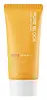
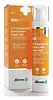
A'Pieu Pure Block Daily Sun Cream SPF45 PA+++ Versus The Derma Co 1% Hyaluronic Sunscreen Aqua Gel With SPF 50 PA++++ Broad Spectrum
This chemical sunscreen covers the full UV range and blocks ~98% of UVB at SPF 45.
This hybrid sunscreen covers the full UV range and blocks ~98% of UVB at SPF 50.


What's inside
What's inside
 Key Ingredients
Benefits
Concerns
Ingredients Side-by-side
Water
Skin ConditioningEthylhexyl Methoxycinnamate
UV Absorber


Ethylhexyl Salicylate
UV Absorber
Butylene Glycol
Humectant

Phenylbenzimidazole Sulfonic Acid
UV Absorber
Caprylic/Capric Triglyceride
Masking
Butyl Methoxydibenzoylmethane
UV Absorber
Bis-Ethylhexyloxyphenol Methoxyphenyl Triazine
UV Absorber
Methyl Methacrylate Crosspolymer

Glyceryl Stearate
Emollient

Citrus Aurantifolia Flower Extract
AstringentCetearyl Olivate
Sea Water
HumectantPrunus Persica Flower Extract
MoisturisingCetearyl Alcohol
Emollient



Nylon-12
Sorbitan Olivate
Emulsifying
Sodium Hydroxide
BufferingPyrus Malus Flower Extract
Skin ConditioningDimethicone
Emollient

Polyacrylate-13
Panthenol
Skin Conditioning

Polyisobutene
PEG-100 Stearate
Surfactant
Tocopheryl Acetate
Antioxidant


Punica Granatum Flower Extract
Skin Conditioning
Sorbitan Stearate
Emulsifying
Oryza Sativa Bran Extract
Skin Conditioning
Malpighia Glabra Fruit Extract
Skin ConditioningAloe Barbadensis Leaf Extract
Emollient
Eucalyptus Globulus Leaf Extract
Perfuming
Rosa Damascena Flower Water
Masking
Prunus Avium Flower Extract
Skin ConditioningCitrus Aurantium Dulcis Flower Extract
Skin ConditioningCitrullus Lanatus Fruit Extract
Skin Conditioning
Sorbitan Isostearate
Emulsifying
Polysorbate 20
Emulsifying
BHT
Antioxidant
Disodium EDTA
Chelating1,2-Hexanediol
Skin Conditioning
Ethylhexylglycerin
Skin ConditioningCaprylyl Glycol
Emollient
Parfum
Masking
Water, Ethylhexyl Methoxycinnamate, Ethylhexyl Salicylate, Butylene Glycol, Phenylbenzimidazole Sulfonic Acid, Caprylic/Capric Triglyceride, Butyl Methoxydibenzoylmethane, Bis-Ethylhexyloxyphenol Methoxyphenyl Triazine, Methyl Methacrylate Crosspolymer, Glyceryl Stearate, Citrus Aurantifolia Flower Extract, Cetearyl Olivate, Sea Water, Prunus Persica Flower Extract, Cetearyl Alcohol, Nylon-12, Sorbitan Olivate, Sodium Hydroxide, Pyrus Malus Flower Extract, Dimethicone, Polyacrylate-13, Panthenol, Polyisobutene, PEG-100 Stearate, Tocopheryl Acetate, Punica Granatum Flower Extract, Sorbitan Stearate, Oryza Sativa Bran Extract, Malpighia Glabra Fruit Extract, Aloe Barbadensis Leaf Extract, Eucalyptus Globulus Leaf Extract, Rosa Damascena Flower Water, Prunus Avium Flower Extract, Citrus Aurantium Dulcis Flower Extract, Citrullus Lanatus Fruit Extract, Sorbitan Isostearate, Polysorbate 20, BHT, Disodium EDTA, 1,2-Hexanediol, Ethylhexylglycerin, Caprylyl Glycol, Parfum
Water
Skin ConditioningC12-15 Alkyl Benzoate
AntimicrobialEthylhexyl Methoxycinnamate
UV Absorber
Dimethicone
Emollient
Sodium Acrylates Copolymer
Butyl Methoxydibenzoylmethane
UV Absorber
Hyaluronic Acid
Humectant

Glycerin
Humectant
Benzophenone-3
UV Absorber
Butylene Glycol
Humectant
Phenoxyethanol
Preservative
Lecithin
Emollient
Aloe Barbadensis Leaf Juice
Skin Conditioning
Xylitol
Humectant
Glucose
Humectant
Sodium Levulinate
Skin ConditioningPhospholipids
Skin Conditioning
Propylene Glycol
Humectant
Ethoxydiglycol
HumectantAnhydroxylitol
Humectant
Oxothiazolidine
Skin ProtectingHelianthus Annuus Seed Oil
Emollient
Glyceryl Stearate
Emollient
Allantoin
Skin Conditioning
Tocopheryl Acetate
Antioxidant
Phoenix Dactylifera Seed Extract
MoisturisingVaccinium Corymbosum Seed
Abrasive
Vaccinium Angustifolium Fruit Extract
Skin Protecting
Citrus Paradisi Fruit Extract
Skin ConditioningZinc Oxide
Cosmetic Colorant
Cyclopentasiloxane
Emollient
PEG-10 Dimethicone
Skin Conditioning
Ascorbic Acid
Antioxidant


C9-12 Alkane
SolventHydrogen Dimethicone
Titanium Dioxide
Cosmetic Colorant
Aluminum Hydroxide
EmollientPolyhydroxystearic Acid
Emulsifying
Water, C12-15 Alkyl Benzoate, Ethylhexyl Methoxycinnamate, Dimethicone, Sodium Acrylates Copolymer, Butyl Methoxydibenzoylmethane, Hyaluronic Acid, Glycerin, Benzophenone-3, Butylene Glycol, Phenoxyethanol, Lecithin, Aloe Barbadensis Leaf Juice, Xylitol, Glucose, Sodium Levulinate, Phospholipids, Propylene Glycol, Ethoxydiglycol, Anhydroxylitol, Oxothiazolidine, Helianthus Annuus Seed Oil, Glyceryl Stearate, Allantoin, Tocopheryl Acetate, Phoenix Dactylifera Seed Extract, Vaccinium Corymbosum Seed, Vaccinium Angustifolium Fruit Extract, Citrus Paradisi Fruit Extract, Zinc Oxide, Cyclopentasiloxane, PEG-10 Dimethicone, Ascorbic Acid, C9-12 Alkane, Hydrogen Dimethicone, Titanium Dioxide, Aluminum Hydroxide, Polyhydroxystearic Acid
Reviews
Ingredients Explained
These ingredients are found in both products.
Ingredients higher up in an ingredient list are typically present in a larger amount.
Also known as Avobenzone, this ingredient is an oil-soluble used to absorb the full spectrum of UVA rays (peak 357 nm).
It's one of the most effective UVA filters available but has a major caveat of photostability: avobenzone is susceptible to photodegradation.
This means it can lose efficacy when exposed to sunlight without the help of a stabilizing agent.
Studies show antioxidants (like vitamin E or vitamin C) and some UV filters (like octocrylene and Tinosorb S) can meaningfully improve its stability in a formulation.
The maximum allowable concentration according to regulation is 3% in the US + Canada, and 5% in the EU, Australia, China, Korea, and ASEAN countries.
It has a well-support safety profile: a comprehensive 2025 review found minimal toxicity with no evidence of carcinogenicity.
Overall, avobenzone is a safe and regulated ingredient used in sunscreen for over 40 years.
Learn more about Butyl MethoxydibenzoylmethaneButylene Glycol (or BG) is used within cosmetic products for a few different reasons:
Overall, Butylene Glycol is a safe and well-rounded ingredient that works well with other ingredients.
Though this ingredient works well with most skin types, some people with sensitive skin may experience a reaction such as allergic rashes, closed comedones, or itchiness.
Learn more about Butylene GlycolDimethicone is a type of synthetic silicone created from natural materials such as quartz. It is also known as polydimethylsiloxane.
What it does:
Dimethicone comes in different viscosities:
Depending on the viscosity, dimethicone has different properties.
Ingredients lists don't always show which type is used, so we recommend reaching out to the brand if you have questions about the viscosity.
This ingredient is unlikely to cause irritation because it does not get absorbed into skin. However, people with silicone allergies should be careful about using this ingredient.
Note: Dimethicone may contribute to pilling. This is because it is not oil or water soluble, so pilling may occur when layered with products. When mixed with heavy oils in a formula, the outcome is also quite greasy.
Learn more about DimethiconeThis ingredient is also known as Octinoxate and is one of the oldest and most widely used chemical UV filters in skincare.
It has a simple job: soap up UVB radiation (290-320 nm), the wavelengths responsible for sunburn and a big chunk of long-term sun damage.
In formulas, it's always paired with a separate UVA filter because octinoxate solely protects skin from UVB.
Because it's an oil-soluble liquid, it's easy to blend into the oil phase of lotions/creams and gives a cosmetically elegant feel.
The one quirk about formulating this ingredient is photostability; the molecule slowly changes shape into a less effective version when sunlight hits it. So the longer you're in the sun, the weaker its protection gets. The drop can be more than 30% in some formulas.
It also doesn't play nice with Avobenzone (the common UVA filter) since avobenzone destabilizes octinoxate and the two degrade each other. But don't worry: brands have solved this issue by adding photostabilizers like Tinosorb S to prevent degradation and keep SPF stable under heavy UV exposure.
The maximum allowed level is 10% in the EU and Australia, 7.5% in the US and Canada, and 20% in Japan.
The Cosmetic Ingredient Review Panel has concluded this ingredient to be safe in cosmetics up to 10%.
One last thing worth knowing for context:
Octinoxate has been the subject of ongoing review in Europe where the Scientific Committee on Consumer Safety's (SCCS) 2025 final opinion is that this ingredient is an endocrine-active substance.
Lab and animal studies suggest it can act a bit like a hormone in the body (mildly mimicking estrogen and slightly blocking male hormones). It's important to know this hasn't really been shown to happen in everyday human use.
This ingredient is also banned in Hawaii over coral reef concerns.
Learn more about Ethylhexyl MethoxycinnamateGlyceryl Stearate is made by reacting glycerin with stearic acid (typically sourced from plant oils like palm or coconut). It's an emulsifier, emollient, and mild occlusive.
Emulsifiers help ingredients like oil and water stay mixed so your formula stays nicely blended and uniform in texture.
This ingredient is typically used in concentrations between 1-10%. Studies have found it to be non-sensitizing, non-phototoxic, and non-photoallergenic.
A close cousin of this ingredient is Glyceryl Stearate SE ("self-emulsifying"). This just has a small amount of sodium or potassium stearate added so it can emulsify without a co-emulsifier.
Since this ingredient is an ester of a C18 fatty acid, it may not be fungal acne safe. The Malassezia yeast can potentially metabolize within the C11-C24 range.
Fun fact: The human body also creates Glyceryl Stearate naturally.
Learn more about Glyceryl StearateTocopheryl Acetate is a stable, shelf-friendly form of vitamin E.
Formulators love it because plain vitamin E oxidizes quickly once it hits air. This acetate version stays stable and resists going off, helping to extend a product's shelf life.
It's actually inactive on its own and works like a slow-release "storage" form; the enzymes in your skin called esterases gradually convert it into active vitamin E over time.
One in vivo study showed 5% of the acetate in the living layer of the epidermis converted to vitamin E after 5 days of application. This study also found the skin gained protection against UV damage even though the conversion was slow and small.
Once converted, vitamin E acts as a skin's main fat-soluble antioxidant that fights free radicals to protect skin from damage.
Topical vitamin E generally boosts the skin's photoprotection, and it reduced UV-damage in animal models.
This ingredient has some brightening potential but it's more of a prevention ingredient than spot-fader. Cell studies show it can slow down melanin production but it's worth noting that it's not the most powerful brightener out there.
Overall, it has a pretty solid safety profile and has been found to be non-irritating and non-comedogenic. Allergic reactions may happen but stay rare due to how widely the ingredient gets used.
The concentration will vary depending on the formula; industry data shows 0.1% in baby lotions, 3% in lipsticks, and 5% in foot powders. You can also find this ingredient at 100% in a pure vitamin E oil.
Most leave-on skincare keeps it at the lower end, often between 0.5-1%.
Learn more about Tocopheryl AcetateWater. It's the most common cosmetic ingredient of all. You'll usually see it at the top of ingredient lists, meaning that it makes up the largest part of the product.
So why is it so popular? Water most often acts as a solvent - this means that it helps dissolve other ingredients into the formulation.
You'll also recognize water as that liquid we all need to stay alive. If you see this, drink a glass of water. Remember to stay hydrated!
Learn more about Water

