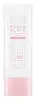
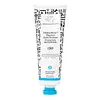
A'Pieu Power Block Tone Up Sun Base Pink SPF50+/PA++++ Versus Drunk Elephant Umbra Sheer Physical Daily Defense Broad Spectrum Sunscreen SPF 30
This hybrid sunscreen covers the full UV range and blocks ~98% of UVB at SPF 50.
This mineral sunscreen covers the full UV range and blocks ~97% of UVB at SPF 30.


What's inside
What's inside
 Key Ingredients
Benefits
Concerns
Ingredients Side-by-side
Water
Skin ConditioningCentella Asiatica Extract
Cleansing





Homosalate
Skin Conditioning

C12-15 Alkyl Benzoate
AntimicrobialTitanium Dioxide
Cosmetic Colorant
Dipropylene Glycol
HumectantEthylhexyl Salicylate
UV Absorber
Caprylyl Methicone
Skin Conditioning
Diethylamino Hydroxybenzoyl Hexyl Benzoate
UV Filter
Cyclopentasiloxane
Emollient
Caprylic/Capric Triglyceride
Masking

Lauryl PEG-10 Tris(Trimethylsiloxy)Silylethyl Dimethicone
Emulsifying
Calamine
AbsorbentSodium Chloride
MaskingCetyl PEG/PPG-10/1 Dimethicone
Emulsifying
Polyglyceryl-4 Isostearate
Emulsifying

Silica
Abrasive


Bis-Ethylhexyloxyphenol Methoxyphenyl Triazine
UV Absorber
Gossypium Herbaceum
Skin Conditioning
Cochlearia Armoracia Root Extract
MaskingMadecassoside
Antioxidant
Panthenol
Skin Conditioning
Cyclohexasiloxane
Emollient
Hexyl Laurate
Emollient
Polyglyceryl-4 Diisostearate/Polyhydroxystearate/Sebacate
Emulsifying
Aluminum Hydroxide
EmollientStearic Acid
Cleansing
Disteardimonium Hectorite
StabilisingSorbitan Sesquioleate
Emulsifying
Sorbitan Oleate
Emulsifying

Dimethicone/Vinyl Dimethicone Crosspolymer
Skin Conditioning
Dimethicone
Emollient
Quaternium-18 Bentonite
Tocopheryl Acetate
Antioxidant

Polyhydroxystearic Acid
Emulsifying
Isopropyl Palmitate
Emollient
Isostearic Acid
Cleansing
Lecithin
Emollient
Ethylhexyl Palmitate
Emollient
Triethoxycaprylylsilane
Disodium EDTA
1,2-Hexanediol
Skin Conditioning
Iron Oxides
Parfum
Masking


Water, Centella Asiatica Extract, Homosalate, C12-15 Alkyl Benzoate, Titanium Dioxide, Dipropylene Glycol, Ethylhexyl Salicylate, Caprylyl Methicone, Diethylamino Hydroxybenzoyl Hexyl Benzoate, Cyclopentasiloxane, Caprylic/Capric Triglyceride, Lauryl PEG-10 Tris(Trimethylsiloxy)Silylethyl Dimethicone, Calamine, Sodium Chloride, Cetyl PEG/PPG-10/1 Dimethicone, Polyglyceryl-4 Isostearate, Silica, Bis-Ethylhexyloxyphenol Methoxyphenyl Triazine, Gossypium Herbaceum, Cochlearia Armoracia Root Extract, Madecassoside, Panthenol, Cyclohexasiloxane, Hexyl Laurate, Polyglyceryl-4 Diisostearate/Polyhydroxystearate/Sebacate, Aluminum Hydroxide, Stearic Acid, Disteardimonium Hectorite, Sorbitan Sesquioleate, Sorbitan Oleate, Dimethicone/Vinyl Dimethicone Crosspolymer, Dimethicone, Quaternium-18 Bentonite, Tocopheryl Acetate, Polyhydroxystearic Acid, Isopropyl Palmitate, Isostearic Acid, Lecithin, Ethylhexyl Palmitate, Triethoxycaprylylsilane, Disodium EDTA, 1,2-Hexanediol, Iron Oxides, Parfum
Zinc Oxide 20%
Cosmetic Colorant
Water
Skin ConditioningCaprylic/Capric Triglyceride
Masking
Dicaprylyl Carbonate
EmollientPentylene Glycol
Skin Conditioning
Glycerin
Humectant
Steareth-2
EmulsifyingPropanediol
Solvent
Steareth-21
CleansingPolyhydroxystearic Acid
Emulsifying
Cetearyl Alcohol
Emollient
Silica
Abrasive
Sclerocarya Birrea Seed Oil
Humectant
Aloe Barbadensis Leaf Extract
Emollient
Chondrus Crispus Extract
Skin Conditioning
Haematococcus Pluvialis Extract
Antioxidant
Helianthus Annuus Sprout Extract
Skin ConditioningVitis Vinifera Juice Extract
Antioxidant
Helianthus Annuus Seed Oil
Emollient
Simmondsia Chinensis Seed Oil
Emollient
Raspberry Seed Oil/Tocopheryl Succinate Aminopropanediol Esters
Skin Conditioning
Hydrolyzed Wheat Protein
Skin ConditioningTocopheryl Acetate
Antioxidant
Tocopherol
Antioxidant
Sea Water
HumectantAcetyl Glucosamine
Skin Conditioning
Cetearyl Glucoside
Emulsifying
Sodium Stearoyl Glutamate
CleansingTetrahexyldecyl Ascorbate
Antioxidant
Glycine
Buffering
Sucrose
Humectant
Lecithin
Emollient
Triethoxycaprylylsilane
Xanthan Gum
EmulsifyingTrisodium Ethylenediamine Disuccinate
Caprylhydroxamic Acid
Caprylyl Glycol
Emollient
Phenoxyethanol
Preservative
Chlorphenesin
Antimicrobial
Sodium Dehydroacetate
Preservative
CI 77491
Cosmetic ColorantZinc Oxide 20%, Water, Caprylic/Capric Triglyceride, Dicaprylyl Carbonate, Pentylene Glycol, Glycerin, Steareth-2, Propanediol, Steareth-21, Polyhydroxystearic Acid, Cetearyl Alcohol, Silica, Sclerocarya Birrea Seed Oil, Aloe Barbadensis Leaf Extract, Chondrus Crispus Extract, Haematococcus Pluvialis Extract, Helianthus Annuus Sprout Extract, Vitis Vinifera Juice Extract, Helianthus Annuus Seed Oil, Simmondsia Chinensis Seed Oil, Raspberry Seed Oil/Tocopheryl Succinate Aminopropanediol Esters, Hydrolyzed Wheat Protein, Tocopheryl Acetate, Tocopherol, Sea Water, Acetyl Glucosamine, Cetearyl Glucoside, Sodium Stearoyl Glutamate, Tetrahexyldecyl Ascorbate, Glycine, Sucrose, Lecithin, Triethoxycaprylylsilane, Xanthan Gum, Trisodium Ethylenediamine Disuccinate, Caprylhydroxamic Acid, Caprylyl Glycol, Phenoxyethanol, Chlorphenesin, Sodium Dehydroacetate, CI 77491
Reviews
Ingredients Explained
These ingredients are found in both products.
Ingredients higher up in an ingredient list are typically present in a larger amount.
Caprylic/Capric Triglyceride (aka MCT Oil) is a lightweight emollient, solvent, and texture enhancer. It is considered a skin-softener by helping to prevent moisture loss.
Though it behaves like an oil, it is not technically one due to its chemical composition. One perk of this ingredient is that it is very stable, resistant to oxidation, and unlikely to go rancid.
In practice, that translates to a long shelf life and a consistently elegant skin feel.
While there is an assumption Caprylic Triglyceride can clog pores due to it being derived from coconut oil, there is no research supporting this. Just patch test if you have concerns.
Fractionated coconut oil and MCT Oil are both listed as Caprylic/Capric Triglyceride according to INCI. This is because INCI names are based on the ingredient’s final chemical composition and not its marketing name or source.
This ingredient is treated as the gold standard fungal acne safe oil. Even though it is coconut derived, the problematic lauric acid is stripped out.
This leaves just caprylic (C8) and capric (C10) acid. These chain lengths actually trend antifungal; a 2020 study found caprylic acid was enough to disrupt Malassezia furfur cell membrane, with a caprylic acid derivative damaging membrane structures at concentrations as low as 0.2%.
Learn more about Caprylic/Capric TriglycerideLecithin is a term for a group of substances found in the cell membranes of plants, animals, and humans. They are made up of phospholipids.
Thanks to its amphiphilic structure (water-loving head and oil-loving tail), it is a true multitasker:
It plays well with most ingredients and is typically used at 0.1-1%. However, concentrations up to 50% have been reported in moisturizers.
Learn more about LecithinPolyhydroxystearic Acid is a vegetable-derived soft wax made from castor oil. It's an emulsion stabilizer, thickener, and film former.
You'll likely see it in sunscreens because it helps disperse pigments and UV-reflecting minerals like titanium dioxide and zinc oxide evenly.
Depending on the concentration, it can drastically change the texture of a product from pasty solid (like lipstick) to sprayable liquid.
The CIR Expert Panel for Cosmetic Ingredient Safety has concluded this ingredient to be safe in cosmetics. The highest reported use concentration is 14.2% in lipsticks.
Learn more about Polyhydroxystearic AcidSilica, also known as silicon dioxide, is a naturally occurring mineral. It is used as a fine, spherical, and porous powder in cosmetics.
Though it has exfoliant properties, the function of silica varies depending on the product.
The unique structure of silica enhances the spreadability and adds smoothness, making it a great texture enhancer.
It is also used as an active carrier, emulsifier, and mattifier due to its ability to absorb excess oil.
In some products, tiny microneedles called spicules are made from silica or hydrolyzed sponge. When you rub them in, they lightly polish away dead skin layers and enhance the penetration of active ingredients.
Learn more about SilicaTocopheryl Acetate is a stable, shelf-friendly form of vitamin E.
Formulators love it because plain vitamin E oxidizes quickly once it hits air. This acetate version stays stable and resists going off, helping to extend a product's shelf life.
It's actually inactive on its own and works like a slow-release "storage" form; the enzymes in your skin called esterases gradually convert it into active vitamin E over time.
One in vivo study showed 5% of the acetate in the living layer of the epidermis converted to vitamin E after 5 days of application. This study also found the skin gained protection against UV damage even though the conversion was slow and small.
Once converted, vitamin E acts as a skin's main fat-soluble antioxidant that fights free radicals to protect skin from damage.
Topical vitamin E generally boosts the skin's photoprotection, and it reduced UV-damage in animal models.
This ingredient has some brightening potential but it's more of a prevention ingredient than spot-fader. Cell studies show it can slow down melanin production but it's worth noting that it's not the most powerful brightener out there.
Overall, it has a pretty solid safety profile and has been found to be non-irritating and non-comedogenic. Allergic reactions may happen but stay rare due to how widely the ingredient gets used.
The concentration will vary depending on the formula; industry data shows 0.1% in baby lotions, 3% in lipsticks, and 5% in foot powders. You can also find this ingredient at 100% in a pure vitamin E oil.
Most leave-on skincare keeps it at the lower end, often between 0.5-1%.
Learn more about Tocopheryl AcetateTriethoxycaprylylsilane is a silicon-based surface modifier that makes sunscreens feel silky and makeup stay put.
Its main job is to coat mineral particles like titanium dioxide, zinc oxide, and color pigments in a thin, oily layer so they spread smoothly, don't clump, and stick to skin better.
This ingredient is typically used at low levels (up to 2.5% in eyeshadow and 1% in lipstick).
Learn more about TriethoxycaprylylsilaneWater. It's the most common cosmetic ingredient of all. You'll usually see it at the top of ingredient lists, meaning that it makes up the largest part of the product.
So why is it so popular? Water most often acts as a solvent - this means that it helps dissolve other ingredients into the formulation.
You'll also recognize water as that liquid we all need to stay alive. If you see this, drink a glass of water. Remember to stay hydrated!
Learn more about Water

