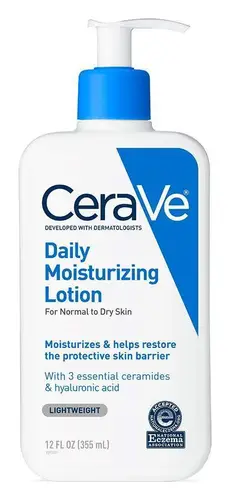
A'Pieu Madecassoside Moisture Gel Cream Versus The Ordinary Natural Moisturizing Factors + PhytoCeramides
This calming moisturizer is formulated around Centella Asiatica Leaf Water and Madecassoside to calm redness and strengthen the skin barrier.
This barrier-repair moisturizer is formulated around Linoleic Acid and Urea to strengthen the skin barrier and hydrate skin.


What's inside
What's inside
 Key Ingredients
Benefits
Concerns
Ingredients Side-by-side
Centella Asiatica Leaf Water
Skin Conditioning


Water
Skin ConditioningButylene Glycol
Humectant
Dimethicone
Emollient

Glycerin
Humectant
1,2-Hexanediol
Skin Conditioning
Octyldodecyl Stearoyl Stearate
Emollient

Pentylene Glycol
Skin Conditioning
Butyrospermum Parkii Butter
Skin Conditioning


Hydrogenated Polydecene
EmollientChlorella Vulgaris Extract
Skin ConditioningGlucose
Humectant
Tromethamine
BufferingAmmonium Acryloyldimethyltaurate/Vp Copolymer
Cetearyl Olivate
Sorbitan Olivate
Emulsifying
Acrylates/C10-30 Alkyl Acrylate Crosspolymer
Emulsion StabilisingCarbomer
Emulsion StabilisingFructooligosaccharides
Humectant
Fructose
Humectant
Madecassoside
Antioxidant


Panthenol
Skin Conditioning
Ethylhexylglycerin
Skin ConditioningBeta-Glucan
Skin Conditioning
Disodium EDTA
ChelatingLavandula Angustifolia Oil
Masking




Citrus Aurantium Bergamia Fruit Oil
Masking
Citrus Aurantium Dulcis Peel Oil
Masking
Melia Azadirachta Leaf Extract
Skin ConditioningAsiaticoside
Antioxidant
Melia Azadirachta Flower Extract
Skin ConditioningCentella Asiatica Leaf Extract
Skin Conditioning
Coccinia Indica Fruit Extract
Skin Conditioning
Allantoin
Skin Conditioning
Aloe Barbadensis Flower Extract
EmollientSodium Hyaluronate
Humectant
Solanum Melongena Fruit Extract
Skin ConditioningOcimum Sanctum Leaf Extract
Skin ConditioningCorallina Officinalis Extract
Skin Conditioning
Curcuma Longa Root Extract
Antioxidant
Tocopherol
Antioxidant


Centella Asiatica Leaf Water, Water, Butylene Glycol, Dimethicone, Glycerin, 1,2-Hexanediol, Octyldodecyl Stearoyl Stearate, Pentylene Glycol, Butyrospermum Parkii Butter, Hydrogenated Polydecene, Chlorella Vulgaris Extract, Glucose, Tromethamine, Ammonium Acryloyldimethyltaurate/Vp Copolymer, Cetearyl Olivate, Sorbitan Olivate, Acrylates/C10-30 Alkyl Acrylate Crosspolymer, Carbomer, Fructooligosaccharides, Fructose, Madecassoside, Panthenol, Ethylhexylglycerin, Beta-Glucan, Disodium EDTA, Lavandula Angustifolia Oil, Citrus Aurantium Bergamia Fruit Oil, Citrus Aurantium Dulcis Peel Oil, Melia Azadirachta Leaf Extract, Asiaticoside, Melia Azadirachta Flower Extract, Centella Asiatica Leaf Extract, Coccinia Indica Fruit Extract, Allantoin, Aloe Barbadensis Flower Extract, Sodium Hyaluronate, Solanum Melongena Fruit Extract, Ocimum Sanctum Leaf Extract, Corallina Officinalis Extract, Curcuma Longa Root Extract, Tocopherol
Water
Skin ConditioningCaprylic/Capric Triglyceride
Masking
Cetyl Ethylhexanoate
EmollientIsodecyl Neopentanoate
EmollientGlycerin
Humectant
Propanediol
Solvent
Polyglyceryl-6 Polyricinoleate
Emulsifying
Hydrogenated Vegetable Oil
Emollient
Polyglyceryl-2 Isostearate
Emulsifying
Isosorbide Dicaprylate
Skin ConditioningDisteardimonium Hectorite
StabilisingPhytosteryl Canola Glycerides
Skin Conditioning
Glycosphingolipids
EmollientGlycolipids
Skin ConditioningLinoleic Acid
Cleansing
Oleic Acid
Emollient
Palmitic Acid
Emollient
Stearic Acid
Cleansing
Arginine
Masking
Glycine
Buffering
Alanine
Masking
Serine
Masking
Proline
Skin Conditioning
Threonine
Glutamic Acid
Humectant
Lysine Hcl
Skin Conditioning
Betaine
Humectant
Xylitylglucoside
Humectant
Anhydroxylitol
Humectant
Xylitol
Humectant
Glucose
Humectant
Maltose
MaskingFructose
Humectant
Trehalose
Humectant
Sodium PCA
Humectant
PCA
Humectant
Sodium Lactate
Buffering
Urea
Buffering
Allantoin
Skin Conditioning
Sodium Hyaluronate
Humectant
Lecithin
Emollient
Triolein
Skin Conditioning
Dimethyl Isosorbide
SolventPentylene Glycol
Skin Conditioning
Tocopherol
Antioxidant
Hydroxymethoxyphenyl Decanone
Skin ConditioningCitric Acid
Buffering
Trisodium Ethylenediamine Disuccinate
ChelatingMagnesium Sulfate
Sodium Chloride
MaskingSodium Hydroxide
BufferingPhenoxyethanol
Preservative
Chlorphenesin
Antimicrobial
Water, Caprylic/Capric Triglyceride, Cetyl Ethylhexanoate, Isodecyl Neopentanoate, Glycerin, Propanediol, Polyglyceryl-6 Polyricinoleate, Hydrogenated Vegetable Oil, Polyglyceryl-2 Isostearate, Isosorbide Dicaprylate, Disteardimonium Hectorite, Phytosteryl Canola Glycerides, Glycosphingolipids, Glycolipids, Linoleic Acid, Oleic Acid, Palmitic Acid, Stearic Acid, Arginine, Glycine, Alanine, Serine, Proline, Threonine, Glutamic Acid, Lysine Hcl, Betaine, Xylitylglucoside, Anhydroxylitol, Xylitol, Glucose, Maltose, Fructose, Trehalose, Sodium PCA, PCA, Sodium Lactate, Urea, Allantoin, Sodium Hyaluronate, Lecithin, Triolein, Dimethyl Isosorbide, Pentylene Glycol, Tocopherol, Hydroxymethoxyphenyl Decanone, Citric Acid, Trisodium Ethylenediamine Disuccinate, Magnesium Sulfate, Sodium Chloride, Sodium Hydroxide, Phenoxyethanol, Chlorphenesin
Reviews
Ingredients Explained
These ingredients are found in both products.
Ingredients higher up in an ingredient list are typically present in a larger amount.
Allantoin is a soothing ingredient known for its protective and moisturizing properties; it's basically a quiet workhorse ingredient you can find in a huge range of cosmetics.
Though it can be derived from the comfrey plant, allantoin is produced synthetically for cosmetic products to ensure purity.
Research shows it can encourage your skin cells to turn over and renew by stimulating keratinocyte and fibroblast proliferation.
It also has mild keratolytic properties to help loosen and shed dead skin cells without being harsh.
Studies also suggest allantoin can help calm inflammation by dialing down some of the chemical signals your skin sends out when it is irritated.
This ingredient is typically used in the 0.1-0.5% range, and the FDA recognizes it as a skin protectant in OTC products up to 2%.
Overall, allantoin is a wonderful addition to most routines; it is stable across a wide pH range (~4-8), works well with other ingredients, and is considered non-sensitizing/non-irritating.
Fun fact: Allantoin is naturally occurring in comfrey root, beets, chamomile, and wheat sprouts. Our bodies even produce it as a byproduct of uric acid metabolism.
Learn more about AllantoinGlucose is a simple sugar (a monosaccharide). In skincare, it is mostly a humectant and skin conditioning agent.
Mechanistically, it has multiple hydroxyl groups that hydrogen-bond to water. This pulls moisture into the upper layers of skin to keep the surface soft and hydrated.
It's worth knowing sugars are already a natural component of the skin's NMF (natural moisturizing factor) so it's a molecule that your stratum corneum is well-acquainted with.
Just so you know, glucose is hydrophilic (water-loving) and the stratum corneum is a strong barrier to hydrophilic compounds. This just means penetration is slow and most of the action is happening on the surface.
Gram-to-gram, glucose is not as efficient as a humectant as glycerin. This is why you'll likely see glycose paired with stronger humectants for a bigger hydration payoff.
In skincare, glucose is typically derived from corn or other starch sources.
Learn more about GlucoseGlycerin (or glycerol) is a compound naturally found in your skin. It's a powerhouse humectant that pulls water into the stratum corneum.
Topically, glycerin does several things at once:
Your skin makes glycerin on its own (mostly from sebaceous oil breakdown) and shuttles it to your outermost layer of skin, or your epidermis, via aquaporin-3.
Aquaporin-3 is a transporter that is essential for normal skin hydration, elasticity, and repair. Interestingly, mice lacking in AQP3 have dry and less elastic skin that can be fully corrected with glycerin.
This ingredient is non-irritating, plays well with almost every ingredient, and works across all skin types. Typical use is anywhere between 3-10% but can go up to 79% in some leave-on products.
Just know very high concentrations (>40%) can feel tacky in low humidity.
Glycerin is the name for this ingredient in American English. British English uses Glycerol/Glycerine.
Learn more about GlycerinPentylene Glycol (1,2-pentanediol) is a multitasking little diol with three main roles in a formula:
Research on alkanediols (the family pentylene glycol belongs to) show they work by disrupting microbial cell membranes. This disruption helps the primary preservative system in a product work more effectively at lower doses.
On the safety side, the Cosmetic Ingredient Review Expert Panel has concluded this ingredient to be safe as used in current cosmetic practices + concentrations.
Typical use levels in a formula run about 1-5%.
Learn more about Pentylene GlycolSodium Hyaluronate is the salt form of hyaluronic acid. It is a long sugar chain that is naturally found in your skin, joints, and connective tissue that maintains hydration and elasticity.
In skincare, it works as a humectant. It pulls water from the environment and deeper layers of skin and binds it to the surface.
Interestingly, the size of the molecule affects its behavior:
Some clinical evidence links low molecular weight versions to improved wrinkle depth, elasticity, anti-inflammatory effects, and barrier repair.
Many serums use a blend of both weights so you can get surface hydration plus longer-lasting and deeper effects.
You'll typically see concentrations between 0.1-2% for this ingredient.
Learn more about Sodium HyaluronateTocopherol is a fat-soluble antioxidant known as Vitamin E.
You'll find this ingredient in the vast majority of skincare (for good reason). It works to neutralize free radicals, or unstable molecules generated by UV exposure, pollution, and other environmental stressors, before they can cause oxidative damage to your skin cells.
Topically applied tocopherol has been shown to protect against UV damage by ramping up the skin's own natural defense enzymes.
It also acts as a skin conditioning agent; some studies show that regular topical use can improve the skin's water-binding capacity over 2-4 weeks.
This ingredient is especially loved for being a team player. When combined with Vitamin C, the photoprotective effect of both ingredients roughly doubles and the combo also helps reduce UV-induced DNA damage.
This ingredient has some brightening potential but it's more of a prevention ingredient than spot-fader. Cell studies show it can slow down melanin production but it's worth noting that it's not the most powerful brightener out there.
In formulations, it also serves as a stabilizer that helps protect other oxidation-prone ingredients from degrading.
Concentrations usually range from 0.1-1% in most leave-on products.
Learn more about TocopherolWater. It's the most common cosmetic ingredient of all. You'll usually see it at the top of ingredient lists, meaning that it makes up the largest part of the product.
So why is it so popular? Water most often acts as a solvent - this means that it helps dissolve other ingredients into the formulation.
You'll also recognize water as that liquid we all need to stay alive. If you see this, drink a glass of water. Remember to stay hydrated!
Learn more about Water