
What's inside
What's inside
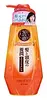 Key Ingredients
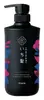
Benefits
Concerns
Ingredients Side-by-side
Water
Skin ConditioningCyclopentasiloxane
Emollient
Cetearyl Alcohol
Emollient






Dipropylene Glycol
HumectantBehentrimonium Chloride
Preservative
Hydrogenated Palm Kernel Oil
Emollient
Soluble Collagen
Humectant

Hydrolyzed Collagen
Emollient
Macadamia Integrifolia Seed Oil
Skin Conditioning
Argania Spinosa Kernel Oil
Emollient



Flower Extract
Olea Europaea Fruit Oil
Masking
Sea Salt
Abrasive
Hydrolyzed Soy Protein
Humectant
Morus Alba Root Extract
BleachingChlorella Vulgaris Extract
Skin ConditioningAloe Barbadensis Leaf Extract
Emollient
Hizikia Fusiforme Extract
Skin Conditioning
Sus Extract
Skin ConditioningPinus Sylvestris Bud Extract
Perfuming
Citrus Limon Fruit Extract
Masking
Rosmarinus Officinalis Leaf Extract
AntimicrobialSimmondsia Chinensis Seed Oil
Emollient
Caffeine
Skin Conditioning
Hydrolyzed Silk
Humectant
Glycine Max Seed Extract
Skin ConditioningPanax Ginseng Root Extract
Emollient
Yeast Extract
Skin ConditioningGlycerin
Humectant
Citrus Junos Fruit Extract
Skin ConditioningPolyglyceryl-10 Myristate
Skin Conditioning
Ceramide Ns
Skin Conditioning
Ceramide As
Skin Conditioning
Cholesterol
Emollient
Wine Extract
Antioxidant
Barm Extract
Skin ConditioningButyrospermum Parkii Butter
Skin Conditioning
Brassica Oleracea Acephala Leaf Extract
HumectantBrassica Oleracea Italica Extract
AstringentApium Graveolens Extract
Skin ConditioningAlaria Esculenta Extract
Skin Protecting
Fucus Vesiculosus Extract
Emollient
Retinyl Palmitate
Skin Conditioning

Helianthus Annuus Seed Oil
Emollient
Tocopherol
Antioxidant
Amodimethicone
Dimethicone
Emollient
Isopropyl Alcohol
Solvent

Distearyldimonium Chloride
Dimethiconol
Emollient
Polyquaternium-22
Citric Acid
Buffering
Gamma-Docosalactone
Skin ConditioningDiethyl Sebacate
EmollientQuaternium-33
Butylene Glycol
Humectant
Sodium PCA
Humectant
Betaine
Humectant
Sorbitol
Humectant
Glycine
Buffering
Alanine
Masking
Proline
Skin Conditioning
Serine
Masking
Threonine
Arginine
Masking
Lysine
Skin ConditioningGlutamic Acid
Humectant
Caprylic/Capric Triglyceride
Masking
Alcohol
Antimicrobial
Phenoxyethanol
Preservative
Methylparaben
Preservative

Parfum
Masking
Water, Cyclopentasiloxane, Cetearyl Alcohol, Dipropylene Glycol, Behentrimonium Chloride, Hydrogenated Palm Kernel Oil, Soluble Collagen, Hydrolyzed Collagen, Macadamia Integrifolia Seed Oil, Argania Spinosa Kernel Oil, Flower Extract, Olea Europaea Fruit Oil, Sea Salt, Hydrolyzed Soy Protein, Morus Alba Root Extract, Chlorella Vulgaris Extract, Aloe Barbadensis Leaf Extract, Hizikia Fusiforme Extract, Sus Extract, Pinus Sylvestris Bud Extract, Citrus Limon Fruit Extract, Rosmarinus Officinalis Leaf Extract, Simmondsia Chinensis Seed Oil, Caffeine, Hydrolyzed Silk, Glycine Max Seed Extract, Panax Ginseng Root Extract, Yeast Extract, Glycerin, Citrus Junos Fruit Extract, Polyglyceryl-10 Myristate, Ceramide Ns, Ceramide As, Cholesterol, Wine Extract, Barm Extract, Butyrospermum Parkii Butter, Brassica Oleracea Acephala Leaf Extract, Brassica Oleracea Italica Extract, Apium Graveolens Extract, Alaria Esculenta Extract, Fucus Vesiculosus Extract, Retinyl Palmitate, Helianthus Annuus Seed Oil, Tocopherol, Amodimethicone, Dimethicone, Isopropyl Alcohol, Distearyldimonium Chloride, Dimethiconol, Polyquaternium-22, Citric Acid, Gamma-Docosalactone, Diethyl Sebacate, Quaternium-33, Butylene Glycol, Sodium PCA, Betaine, Sorbitol, Glycine, Alanine, Proline, Serine, Threonine, Arginine, Lysine, Glutamic Acid, Caprylic/Capric Triglyceride, Alcohol, Phenoxyethanol, Methylparaben, Parfum
Water
Skin ConditioningStearyl Alcohol
Emollient
Behenamidopropyl Dimethylamine
EmulsifyingDimethicone
Emollient
Sorbitol
Humectant
Angelica Keiskei Leaf/Stem Extract
Skin ConditioningOryza Sativa Bran Oil
Emollient
Oryza Sativa Extract
Absorbent
Oryza Sativa Germ Oil
Emollient
Rubus Fruticosus Fruit Extract
AstringentCamellia Japonica Seed Extract
Skin ConditioningOryza Sativa Bran Extract
Skin Conditioning
Glycosyl Trehalose
Emulsion StabilisingAmodimethicone
Behenyl Pg-Trimonium Chloride
EmulsifyingLactic Acid
Buffering

Paraffin
Skin Conditioning
Bis-Diglyceryl Polyacyladipate-2
Emollient
Hydrogenated Starch Hydrolysate
HumectantBehenyl Alcohol
Emollient
Alcohol
Antimicrobial
C12-14 Pareth-7
EmulsifyingHydroxyethylcellulose
Emulsion StabilisingC12-14 Pareth-12
EmulsifyingLaureth-9
EmulsifyingHydrogenated Polyisobutene
EmollientBis-Isobutyl PEG-14/Amodimethicone Copolymer
Butylene Glycol
Humectant
Laureth-4
Emulsifying
Laureth-23
Cleansing
PEG-55 Stearate
CleansingC12-14 Pareth-5
CleansingGlutamic Acid
Humectant
Citric Acid
Buffering
Tocopherol
Antioxidant
Phenoxyethanol
Preservative
Sodium Benzoate
Masking
Sodium Salicylate
Preservative
Methylparaben
Preservative
Parfum
Masking
Caramel
Cosmetic ColorantWater, Stearyl Alcohol, Behenamidopropyl Dimethylamine, Dimethicone, Sorbitol, Angelica Keiskei Leaf/Stem Extract, Oryza Sativa Bran Oil, Oryza Sativa Extract, Oryza Sativa Germ Oil, Rubus Fruticosus Fruit Extract, Camellia Japonica Seed Extract, Oryza Sativa Bran Extract, Glycosyl Trehalose, Amodimethicone, Behenyl Pg-Trimonium Chloride, Lactic Acid, Paraffin, Bis-Diglyceryl Polyacyladipate-2, Hydrogenated Starch Hydrolysate, Behenyl Alcohol, Alcohol, C12-14 Pareth-7, Hydroxyethylcellulose, C12-14 Pareth-12, Laureth-9, Hydrogenated Polyisobutene, Bis-Isobutyl PEG-14/Amodimethicone Copolymer, Butylene Glycol, Laureth-4, Laureth-23, PEG-55 Stearate, C12-14 Pareth-5, Glutamic Acid, Citric Acid, Tocopherol, Phenoxyethanol, Sodium Benzoate, Sodium Salicylate, Methylparaben, Parfum, Caramel
Ingredients Explained
These ingredients are found in both products.
Ingredients higher up in an ingredient list are typically present in a larger amount.
This ingredient is also called ethanol or ethyl alcohol. It is denatured, meaning made undrinkable for cosmetic use.
In formulas, it:
Is it bad for your skin?
The answer comes down to concentration. Patch and wash studies have found highly concentrated alcohol-based hand rubs (60-100%) cause less barrier disruption than washing with a basic detergent like SLS. The only measurable effect in these studies was a temporary dip in skin hydration.
Concentrations below 12-15% in leave-on cosmetics is generally well-tolerated. Concentrations above start to see increased transepidermal water loss (TEWL) and reduced hydration.
In concentrations about 58%, it creates temporary channels in your skin's lipid layers to become more permeable and allow other ingredients to slip through easily.
This ingredient can be up to 80% of the formula in alcohol-based perfumes.
Overall, this ingredient is probably harmless if found lower down an ingredients list but worth side-eyeing if it's high up (especially if your barrier is already struggling).
Alcohol can worsen dry skin, eczema, and oily skin, especially at higher concentrations. This is because it can increase transepidermal water loss and decrease hydration to disrupt the skin barrier.
According to the National Rosacea Society based in the US, you should be mindful of products with these alcohols in the top half of ingredients.
True allergic contact dermatitis to ethanol is uncommon, but be sure to patch test if you have dry or sensitive skin.
Learn more about AlcoholThis water-soluble silicone is used for its hydrating and softening properties. It is used to add a silky feel to skincare products and has great benefits for haircare.
In haircare, this ingredient:
- Adds shine
- Protects color
- Offers thermal protection
- Boosts hair strength
- Does not build up as easily
Butylene Glycol (or BG) is used within cosmetic products for a few different reasons:
Overall, Butylene Glycol is a safe and well-rounded ingredient that works well with other ingredients.
Though this ingredient works well with most skin types, some people with sensitive skin may experience a reaction such as allergic rashes, closed comedones, or itchiness.
Learn more about Butylene GlycolCitric Acid is an alpha hydroxy acid (AHA) naturally found in citrus fruits like oranges, lemons, and limes.
Like other AHAs, citric acid can exfoliate skin by breaking down the bonds that hold dead skin cells together. This helps reveal smoother and brighter skin underneath.
However, this exfoliating effect only happens at high concentrations (20%) which can be hard to find in cosmetic products.
Due to this, citric acid is usually included in small amounts as a pH adjuster. This helps keep products slightly more acidic and compatible with skin's natural pH.
In skincare formulas, citric acid can:
While it can provide some skin benefits, research shows lactic acid and glycolic acid are generally more effective and less irritating exfoliants.
Most citric acid used in skincare today is made by fermenting sugars (usually from molasses). This synthetic version is identical to the natural citrus form but easier to stabilize and use in formulations.
Rosacea skin has a lower threshold for acids generally, with 62.5% of rosacea subjects in one study reacting to lactic acid in a sting test. This is why we mark citric acid as a potential rosacea trigger.
However, this ingredient shows up as a pH adjuster or chelator at roughly 0.1-1% in many products. These low levels are unlikely to be an issue for rosacea skin and becomes a potential trigger at exfoliating concentrations (20%). Because everybody's skin is unique, we recommend a patch test if you are unsure.
Learn more about Citric AcidDimethicone is a type of synthetic silicone created from natural materials such as quartz. It is also known as polydimethylsiloxane.
What it does:
Dimethicone comes in different viscosities:
Depending on the viscosity, dimethicone has different properties.
Ingredients lists don't always show which type is used, so we recommend reaching out to the brand if you have questions about the viscosity.
This ingredient is unlikely to cause irritation because it does not get absorbed into skin. However, people with silicone allergies should be careful about using this ingredient.
Note: Dimethicone may contribute to pilling. This is because it is not oil or water soluble, so pilling may occur when layered with products. When mixed with heavy oils in a formula, the outcome is also quite greasy.
Learn more about DimethiconeGlutamic Acid is an amino acid that is found in all living organisms. Our bodies use this to help nerve cells in the brain communicate with other cells.
In cosmetics, glutamic acid is a famous humectant. It draws water from the air to your skin, keeping your skin hydrated (like hyaluronic acid).
An in-vitro study from 2024 found glutamic acid to play a role in inhibiting inflammation and thus a potential skin-soothing ingredient.
Other studies show it to be have potential wound healing, skin barrier repair, and hair growth properties.
Glutamic acid has poor solubility in water and other solvents.
Learn more about Glutamic AcidMethylparaben is a synthetic preservative and one of the most widely used in the world. It has a simple, but important job: prevent your products from going bad by stopping bacteria, yeast, and mold from growing.
Typical use levels are low, often 0.1-0.3%.
This is also one of the most heavily studied preservatives out there and major regulatory bodies have repeatedly given it the green light.
In 2023, the EU's Scientific Committee on Consumer Safety (SCCS) confirmed that this ingredient is safe up to 0.4% on its own, of up to 0.8% when mixed with other paraben esters.
Here's the science behind the noise behind parabens/hormones as well:
Methylparaben shows very weak estrogen-like activity in vitro tests (more than 1,000x weaker than your body's own estradiol). In vivo (live-organism) studies don't support a meaningful endocrine-disrupting effect either.
You get a stronger estrogenic effect from eating tofu, actually.
It's also a low sensitizer and allergic reactions are uncommon; they usually happen on damage or broken skin.
There is a caveat: France has proposed to formally re-examine its endocrine classification in 2025 so the regulatory conversation isn't fully closed as of yet.
But as it stands today, this ingredient is considered safe at permitted levels.
Learn more about MethylparabenParfum is a catch-all term for an ingredient or more that is used to give a scent to products.
Also called "fragrance", this ingredient can be a blend of hundreds of chemicals or plant oils. This means every product with "fragrance" or "parfum" in the ingredients list is a different mixture.
For instance, Habanolide is a proprietary trade name for a specific aroma chemical. When used as a fragrance ingredient in cosmetics, most aroma chemicals fall under the broad labeling category of “FRAGRANCE” or “PARFUM” according to EU and US regulations.
The term 'parfum' or 'fragrance' is not regulated in many countries. In many cases, it is up to the brand to define this term.
For instance, many brands choose to label themselves as "fragrance-free" because they are not using synthetic fragrances. However, their products may still contain ingredients such as essential oils that are considered a fragrance by INCI standards.
One example is Calendula flower extract. Calendula is an essential oil that still imparts a scent or 'fragrance'.
Depending on the blend, the ingredients in the mixture can cause allergies and sensitivities on the skin. Some ingredients that are known EU allergens include linalool and citronellol.
Parfum can also be used to mask or cover an unpleasant scent.
The bottom line is: not all fragrances/parfum/ingredients are created equally. If you are worried about fragrances, we recommend taking a closer look at an ingredient. And of course, we always recommend speaking with a professional.
Learn more about ParfumPhenoxyethanol is one of the most widely used preservatives in skincare (and for good reason!).
It has a large spectrum of antimicrobial activity and especially effective bacteria, yeast, and mold while only having a weak effect on your skin's natural microbiome.
On a cellular level, it disrupts the cell membranes of microbes by poking holes that make the cell leak. This shuts down the chemical reactions the microbe needs to make energy so it can no longer survive.
Another perk of this ingredient is that it stays functional across a wide pH range (3-10).
You'll often see it paired with boosters like Ethylhexylglycerin; one study showed that a 1:9 ratio of Ethylhexylglycerin to Phenoxyethanol damages bacterial membranes as effectively as doubling the Phenoxyethanol concentration on its own.
Typical use concentrations range from 0.3-1% depending on the formula, and this ingredient is capped at 1% int the EU.
Safety-wise, the fear mongering does not hold up to the evidence. The EU's Scientific Committee on Consumer Safety and FDA consider it safe as a preservative at up to 1%, including for children of all ages.
Adverse systemic effects only showed up in animal studies at exposures roughly 200x higher than what people get from cosmetics. And despite its very widespread use, this ingredient is a rare sensitizer and allergic reactions are uncommon.
Learn more about PhenoxyethanolSorbitol is a sugar alcohol. It is a hydrating and moisturizing agent created from the reduction process of glucose.
Most sorbitol is usually made from potato starch. It is also found in fruits such as apples and pears.
As a humectant, Sorbitol helps draw water to the skin. This helps keep the skin hydrated. Sorbitol also helps create a thicker texture in products. You might find sorbitol in your toothpaste and other gels.
It is a non-irritating ingredient that is great for those with dry skin.
Sorbitol is a prebiotic. It helps promote the growth of healthy bacteria on your skin. The bacteria on your skin form a microbiome. This microbiome helps protect your skin from infection and harmful bacteria.
Learn more about SorbitolTocopherol is a fat-soluble antioxidant known as Vitamin E.
You'll find this ingredient in the vast majority of skincare (for good reason). It works to neutralize free radicals, or unstable molecules generated by UV exposure, pollution, and other environmental stressors, before they can cause oxidative damage to your skin cells.
Topically applied tocopherol has been shown to protect against UV damage by ramping up the skin's own natural defense enzymes.
It also acts as a skin conditioning agent; some studies show that regular topical use can improve the skin's water-binding capacity over 2-4 weeks.
This ingredient is especially loved for being a team player. When combined with Vitamin C, the photoprotective effect of both ingredients roughly doubles and the combo also helps reduce UV-induced DNA damage.
This ingredient has some brightening potential but it's more of a prevention ingredient than spot-fader. Cell studies show it can slow down melanin production but it's worth noting that it's not the most powerful brightener out there.
In formulations, it also serves as a stabilizer that helps protect other oxidation-prone ingredients from degrading.
Concentrations usually range from 0.1-1% in most leave-on products.
Learn more about TocopherolWater. It's the most common cosmetic ingredient of all. You'll usually see it at the top of ingredient lists, meaning that it makes up the largest part of the product.
So why is it so popular? Water most often acts as a solvent - this means that it helps dissolve other ingredients into the formulation.
You'll also recognize water as that liquid we all need to stay alive. If you see this, drink a glass of water. Remember to stay hydrated!
Learn more about Water

