Y.O.U Acneplus Fine Pore Oil Control Serum Versus Glad2Glow Centella 2% Salicylic Acid Power Clear Acne Serum
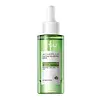
This oil-control serum is formulated around Gluconolactone and Niacinamide to balance excess oil and clear breakouts.
This acne treatment is formulated around Salicylic Acid and Niacinamide to clear breakouts and calm redness.

What's inside
What's inside
 Key Ingredients
Benefits
Concerns
Ingredients Side-by-side
Water
Skin ConditioningPropanediol
Solvent

Hydroxyethyl Urea
Humectant
Butylene Glycol
Humectant
PPG-24-Glycereth-24
EmulsifyingPhenoxyethanol
Preservative
Ammonium Polyacryloyldimethyl Taurate
Emulsion StabilisingGluconolactone
Chelating







Triethanolamine
BufferingHydroxyacetophenone
Antioxidant
PEG-40 Hydrogenated Castor Oil
Emulsifying


Niacinamide
Smoothing



Sclerotium Gum
Emulsion StabilisingAtractylodes Macrocephala Root Extract
Skin ConditioningAstragalus Membranaceus Root Extract
Emollient
Saposhnikovia Divaricata Root Extract
AntimicrobialAlbizia Julibrissin Bark Extract
MaskingGlycyrrhiza Uralensis Extract
EmollientChamomilla Recutita Flower Extract
Masking
Glycerin
Humectant
Disodium EDTA
ChelatingLactobionic Acid
Buffering
Caprylic/Capric Triglyceride
Masking
10-Hydroxydecanoic Acid
Skin ConditioningIsohexadecane
EmollientCeramide AP
Skin Conditioning
1,2-Hexanediol
Skin Conditioning
Cedrus Atlantica Bark Oil
Masking



Quaternium-73
Pelargonium Graveolens Oil
Masking
Zinc PCA
Humectant
Melaleuca Alternifolia Leaf Oil
Antioxidant
Citrus Paradisi Peel Oil
Masking
Cocamidopropyl Dimethylamine
Emulsifying
Salicylic Acid
Masking
Madecassoside
Antioxidant
Asiaticoside
Antioxidant
Asiatic Acid
Skin Conditioning
Madecassic Acid
Skin Conditioning
Ethylhexylglycerin
Skin ConditioningWater, Propanediol, Hydroxyethyl Urea, Butylene Glycol, PPG-24-Glycereth-24, Phenoxyethanol, Ammonium Polyacryloyldimethyl Taurate, Gluconolactone, Triethanolamine, Hydroxyacetophenone, PEG-40 Hydrogenated Castor Oil, Niacinamide, Sclerotium Gum, Atractylodes Macrocephala Root Extract, Astragalus Membranaceus Root Extract, Saposhnikovia Divaricata Root Extract, Albizia Julibrissin Bark Extract, Glycyrrhiza Uralensis Extract, Chamomilla Recutita Flower Extract, Glycerin, Disodium EDTA, Lactobionic Acid, Caprylic/Capric Triglyceride, 10-Hydroxydecanoic Acid, Isohexadecane, Ceramide AP, 1,2-Hexanediol, Cedrus Atlantica Bark Oil, Quaternium-73, Pelargonium Graveolens Oil, Zinc PCA, Melaleuca Alternifolia Leaf Oil, Citrus Paradisi Peel Oil, Cocamidopropyl Dimethylamine, Salicylic Acid, Madecassoside, Asiaticoside, Asiatic Acid, Madecassic Acid, Ethylhexylglycerin
Water
Skin ConditioningButylene Glycol
Humectant
Niacinamide
Smoothing
Glycerin
Humectant
PPG-10 Methyl Glucose Ether
Skin ConditioningPentylene Glycol
Skin Conditioning
1,2-Hexanediol
Skin Conditioning
Salicylic Acid
Masking
Acacia Senegal Gum
MaskingAcrylates/C10-30 Alkyl Acrylate Crosspolymer
Emulsion StabilisingTriethanolamine
BufferingMethylpropanediol
SolventEctoin
Skin Conditioning
Dipotassium Glycyrrhizate
Humectant
Quaternium-73
Ceramide AP
Skin Conditioning
Ceramide NP
Skin Conditioning
Ceramide Ns
Skin Conditioning
Ceramide Ng
Skin Conditioning
Centella Asiatica Extract
Cleansing
Disodium EDTA
ChelatingTartaric Acid
Buffering
Malic Acid
Buffering
Peumus Boldus Leaf Extract
MaskingPPG-26-Buteth-26
Skin ConditioningAllantoin
Skin Conditioning
O-Cymen-5-Ol
Antimicrobial
Ethylhexylglycerin
Skin ConditioningGlyceryl Caprylate
EmollientPEG-40 Hydrogenated Castor Oil
Emulsifying
Menthol
Masking
Caprylyl Glycol
Emollient
Xanthan Gum
EmulsifyingHydrolyzed Royal Jelly Protein
Skin ConditioningOligopeptide-1
Skin Conditioning
Sodium Hyaluronate
Humectant
Glycolipids
Skin ConditioningGlycosphingolipids
EmollientPropanediol
Solvent
Sodium Lactate
Buffering
Glycolic Acid
Buffering
Sucrose
Humectant
Urea
Buffering
Sodium Citrate
BufferingWater, Butylene Glycol, Niacinamide, Glycerin, PPG-10 Methyl Glucose Ether, Pentylene Glycol, 1,2-Hexanediol, Salicylic Acid, Acacia Senegal Gum, Acrylates/C10-30 Alkyl Acrylate Crosspolymer, Triethanolamine, Methylpropanediol, Ectoin, Dipotassium Glycyrrhizate, Quaternium-73, Ceramide AP, Ceramide NP, Ceramide Ns, Ceramide Ng, Centella Asiatica Extract, Disodium EDTA, Tartaric Acid, Malic Acid, Peumus Boldus Leaf Extract, PPG-26-Buteth-26, Allantoin, O-Cymen-5-Ol, Ethylhexylglycerin, Glyceryl Caprylate, PEG-40 Hydrogenated Castor Oil, Menthol, Caprylyl Glycol, Xanthan Gum, Hydrolyzed Royal Jelly Protein, Oligopeptide-1, Sodium Hyaluronate, Glycolipids, Glycosphingolipids, Propanediol, Sodium Lactate, Glycolic Acid, Sucrose, Urea, Sodium Citrate
Ingredients Explained
These ingredients are found in both products.
Ingredients higher up in an ingredient list are typically present in a larger amount.
1,2-Hexanediol is a synthetic liquid and another multi-functional powerhouse.
It is a:
- Humectant, drawing moisture into the skin
- Emollient, helping to soften skin
- Solvent, dispersing and stabilizing formulas
- Preservative booster, enhancing the antimicrobial activity of other preservatives
Butylene Glycol (or BG) is used within cosmetic products for a few different reasons:
Overall, Butylene Glycol is a safe and well-rounded ingredient that works well with other ingredients.
Though this ingredient works well with most skin types, some people with sensitive skin may experience a reaction such as allergic rashes, closed comedones, or itchiness.
Learn more about Butylene GlycolCeramide AP is is a skin-identical lipid that mimics what your skin already makes naturally. Ceramides help maintain epidermal integrity and barrier function.
You'll often see this ingredient paired with other ceramides (like ceramide NP), cholesterol, or fatty acids because this combination best mimics the natural lipid mix your skin already has.
The skin's ability to produce ceramides gets disrupted in skin conditions like eczema. This in turn weakens the skin barrier and applying ceramides topically has been shown to replenish what's been lost to restore barrier function.
Most of the studies with Ceramide AP test it as part of a multi-ceramide complex; studies reinforce ceramide AP's role in rebalancing ceramides in skin and improving skin hydration.
Learn more about Ceramide APDisodium EDTA is a chelating agent. It grabs onto and deactivates metal ions that sneak into your products from water, packaging, or air.
This ingredient mainly works behind the scenes and helps with:
On top of that, this ingredient can counteract the effects of hard water by binding to the minerals in it.
One thing worth knowing is that Disodium EDTA has been shown to be a mild penetration enhancer. It can help other ingredients absorb into skin more effectively which can be a double-edged sword (great for actives, but can also make the active too strong if you have sensitive skin).
Clinical patch testing showed no significant skin irritation at typical use concentrations and minimal dermal absorption.
You'll most likely see this ingredient near the end of an ingredient list. It's typically found in concentrations less than 1%.
Learn more about Disodium EDTAEthylhexylglycerin is created from glycerin. It is a multitasker ingredient that:
The CIR Expert Panel found minimal skin absorption or sensitization of any kind in a safety assessment. Though this ingredient is considered well-tolerated, a small number of cases of allergic dermatitis have been published since 2002. Just be sure to patch test if you are unsure.
Industry-reported use ranges from 8% in rinse-off products and 2% in leave-on formulations.
Learn more about EthylhexylglycerinGlycerin (or glycerol) is a compound naturally found in your skin. It's a powerhouse humectant that pulls water into the stratum corneum.
Topically, glycerin does several things at once:
Your skin makes glycerin on its own (mostly from sebaceous oil breakdown) and shuttles it to your outermost layer of skin, or your epidermis, via aquaporin-3.
Aquaporin-3 is a transporter that is essential for normal skin hydration, elasticity, and repair. Interestingly, mice lacking in AQP3 have dry and less elastic skin that can be fully corrected with glycerin.
This ingredient is non-irritating, plays well with almost every ingredient, and works across all skin types. Typical use is anywhere between 3-10% but can go up to 79% in some leave-on products.
Just know very high concentrations (>40%) can feel tacky in low humidity.
Glycerin is the name for this ingredient in American English. British English uses Glycerol/Glycerine.
Learn more about GlycerinNiacinamide is a multitasking form of vitamin B3 that strengthens the skin barrier, reduces pores and dark spots, regulates oil, and improves signs of aging.
And the best part? It's gentle and well-tolerated by most skin types, including sensitive and reactive skin.
You might have heard of "niacin flush", or the reddening of skin that causes itchiness. Niacinamide has not been found to cause this.
In very rare cases, some individuals may not be able to tolerate niacinamide at all or experience an allergic reaction to it.
If you are experiencing flaking, irritation, and dryness with this ingredient, be sure to double check all your products as this ingredient can be found in all categories of skincare.
When incorporating niacinamide into your routine, look out for concentration amounts. Typically, 5% niacinamide provides benefits such as fading dark spots. However, if you have sensitive skin, it is better to begin with a smaller concentration.
When you apply niacinamide to your skin, your body converts it into nicotinamide adenine dinucleotide (NAD). NAD is an essential coenzyme that is already found in your cells as "fuel" and powers countless biological processes.
In your skin, NAD helps repair cell damage, produce new healthy cells, support collagen production, strengthen the skin barrier, and fight environmental stressors (like UV and pollution).
Our natural NAD levels start to decline with age, leading to slower skin repair, visible aging, and a weaker skin barrier. By providing your skin niacinamide, you're recharging your skin's NAD levels. This leads to stronger, healthier, and younger looking skin.
Another name for vitamin B3 is nicotinamide. This vitamin is water-soluble and our bodies don't store it. We obtain Vitamin B3 from either food or skincare. Meat, fish, wheat, yeast, and leafy greens contain vitamin B3.
The type of niacinamide used in skincare is synthetically created.
Learn more about NiacinamidePEG-40 Hydrogenated Castor Oil is an emulsifier derived from castor oil.
As an emulsifying agent, it helps other ingredients like fragrances and fat-soluble vitamins dissolve cohesively.
Due to its large molecule size, it doesn't penetrate beyond the skin's surface.
This ingredient has a solid regulatory track record; the CIR Expert Panel first concluded it was safe for use in cosmetics at concentrations up to 100% in 1997. A 2012 reassessment reaffirmed that finding. Safety studies have also found no irritation or evidence of toxicity.
A 2019 study did find this ingredient to grow Malassezia, so this ingredient may not be fungal acne safe.
Learn more about PEG-40 Hydrogenated Castor OilPropanediol is an all-star ingredient. It softens, hydrates, and smooths the skin.
It’s often used to:
Propanediol is not likely to cause sensitivity and considered safe to use. It is derived from corn or petroleum with a clear color and no scent.
Learn more about PropanediolWe don't have a description for Quaternium-73 yet.
Salicylic Acid (also known as beta hydroxy acid or BHA) is a well-known ingredient for treating skin that struggles with acne and clogged pores. It exfoliates both the skin's surface and deep within the pores to help clear out buildup, control oil, and reduce inflammation.
Unlike AHAs (alpha hydroxy acids), salicylic acid is oil-soluble. This allows it to penetrate into pores which makes it especially effective for treating blackheads and preventing future breakouts.
Salicylic acid is also known for its soothing properties. It has a similar structure to aspirin and can calm inflamed or irritated skin, making it a good option for acne-prone skin that is also sensitive.
Concentrations of 0.5-2% are recognized by the U.S. FDA as an over-the-counter topical acne product.
It can cause irritation and/or dryness if one's skin already has a compromised moisture barrier, so it's best to focus on repairing that before introducing this ingredient into your routine.
While salicylic acid does not increase sun sensitivity, it’s still important to wear sunscreen daily to protect your skin.
If you are looking for the ingredient called BHA or Butylated Hydroxyanisole, click here.
Learn more about Salicylic AcidTriethanolamine (TEA) is an emulsifier and pH adjuster. It is created using ethylene oxide and ammonia. This gives Triethanolamine a nitrogen core and a similar scent to ammonia.
As an emulsifier, it prevents ingredients from separating and enhances texture by adding volume to a product.
PH adjusters are common in cosmetic products. The pH of a product can affect the effectiveness of other ingredients. A product with a high pH may also irritate the skin.
If you are looking for the tea leaf ingredient, click here.
Learn more about TriethanolamineWater. It's the most common cosmetic ingredient of all. You'll usually see it at the top of ingredient lists, meaning that it makes up the largest part of the product.
So why is it so popular? Water most often acts as a solvent - this means that it helps dissolve other ingredients into the formulation.
You'll also recognize water as that liquid we all need to stay alive. If you see this, drink a glass of water. Remember to stay hydrated!
Learn more about Water

