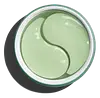
This calming eye mask is formulated around Allantoin and Centella Asiatica Extract to calm redness and hydrate skin.
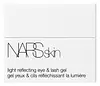
This anti-aging eye moisturizer is formulated around Palmitoyl Tripeptide-5 to soften the look of wrinkles.


What's inside
What's inside
 Key Ingredients
Benefits
Concerns
Ingredients Side-by-side
Water
Skin ConditioningGlycerin
Humectant


Carrageenan



Butylene Glycol
Humectant
Ceratonia Siliqua Gum
EmollientCyamopsis Tetragonoloba Gum
Emulsion StabilisingPentylene Glycol
Skin Conditioning
Cellulose Gum
Emulsion StabilisingPropanediol
Solvent
Ethyl Hexanediol
SolventHexylene Glycol
EmulsifyingSucrose
Humectant
Pinus Sylvestris Leaf Extract
TonicAllantoin
Skin Conditioning

Calcium Lactate
AstringentPotassium Chloride
Ricinus Communis Seed Oil
Masking



Polyglyceryl-10 Laurate
Skin Conditioning
Centella Asiatica Extract
Cleansing

Chlorphenesin
Antimicrobial
Aloe Barbadensis Leaf Extract
Emollient
1,2-Hexanediol
Skin Conditioning
Avena Sativa Kernel Extract
Abrasive

Hydroxyacetophenone
Antioxidant
Illicium Verum Fruit Extract
Perfuming
Camellia Sinensis Leaf Extract
Antimicrobial


Calcium Chloride
AstringentDipotassium Glycyrrhizate
Humectant
Ethylhexylglycerin
Skin ConditioningCalcium Titanium Borosilicate
Abrasive
Arginine
Masking
Sodium Phytate
ChelatingCaprylyl Glycol
Emollient
Cucumis Sativus Fruit Extract
Emollient
Triethylhexanoin
MaskingPolymethylsilsesquioxane

Butyrospermum Parkii Butter
Skin Conditioning
Anthemis Nobilis Flower Extract
Masking
Silica
Abrasive
Polyglyceryl-10 Oleate
Skin Conditioning
Hydrogenated Lecithin
Emulsifying
Sodium Hyaluronate
Humectant
Ceramide NP
Skin Conditioning
Camellia Japonica Flower Extract
EmollientTin Oxide
Abrasive
Hydroxypropyltrimonium Hyaluronate
Ceramide Ns
Skin Conditioning
Sodium Acetylated Hyaluronate
Humectant
Hydrolyzed Hyaluronic Acid
Humectant
Sodium Hyaluronate Crosspolymer
Humectant
Hyaluronic Acid
Humectant
Potassium Hyaluronate
Skin ConditioningCI 77288
Cosmetic ColorantCI 77007
Cosmetic ColorantCI 77891
Cosmetic ColorantWater, Glycerin, Carrageenan, Butylene Glycol, Ceratonia Siliqua Gum, Cyamopsis Tetragonoloba Gum, Pentylene Glycol, Cellulose Gum, Propanediol, Ethyl Hexanediol, Hexylene Glycol, Sucrose, Pinus Sylvestris Leaf Extract, Allantoin, Calcium Lactate, Potassium Chloride, Ricinus Communis Seed Oil, Polyglyceryl-10 Laurate, Centella Asiatica Extract, Chlorphenesin, Aloe Barbadensis Leaf Extract, 1,2-Hexanediol, Avena Sativa Kernel Extract, Hydroxyacetophenone, Illicium Verum Fruit Extract, Camellia Sinensis Leaf Extract, Calcium Chloride, Dipotassium Glycyrrhizate, Ethylhexylglycerin, Calcium Titanium Borosilicate, Arginine, Sodium Phytate, Caprylyl Glycol, Cucumis Sativus Fruit Extract, Triethylhexanoin, Polymethylsilsesquioxane, Butyrospermum Parkii Butter, Anthemis Nobilis Flower Extract, Silica, Polyglyceryl-10 Oleate, Hydrogenated Lecithin, Sodium Hyaluronate, Ceramide NP, Camellia Japonica Flower Extract, Tin Oxide, Hydroxypropyltrimonium Hyaluronate, Ceramide Ns, Sodium Acetylated Hyaluronate, Hydrolyzed Hyaluronic Acid, Sodium Hyaluronate Crosspolymer, Hyaluronic Acid, Potassium Hyaluronate, CI 77288, CI 77007, CI 77891
Water
Skin ConditioningDimethicone
Emollient
Butylene Glycol
Humectant
Glycerin
Humectant
Dipropylene Glycol
HumectantPolyglyceryl-3 Polydimethylsiloxyethyl Dimethicone
Skin Conditioning
Caprylyl Methicone
Skin Conditioning
Polymethylsilsesquioxane
Lauroyl Lysine
Skin Conditioning
Propanediol
Solvent
Trehalose
Humectant
Camellia Japonica Flower Extract
EmollientDunaliella Salina Extract
Skin ConditioningTocopherol
Antioxidant

Dimethicone/Polyglycerin-3 Crosspolymer
Cleansing
Saccharide Isomerate
Humectant
Citric Acid
Buffering
Sodium Citrate
BufferingPalmitoyl Tripeptide-5
Skin Conditioning
Panthenol
Skin Conditioning
Sodium Hyaluronate
Humectant
Ethylhexylglycerin
Skin ConditioningPantolactone
Humectant
Sodium Chloride
MaskingHydrogenated Polyisobutene
EmollientPhytosteryl/Octyldodecyl Lauroyl Glutamate
Skin ConditioningEthylhexyl Palmitate
Emollient
Trihydroxystearin
Skin Conditioning
Glucomannan
Skin ConditioningPEG-8/Smdi Copolymer
Xanthan Gum
EmulsifyingSodium Metaphosphate
BufferingSilica
Abrasive
Gold
Cosmetic ColorantAcetyl Hydroxyproline
EmollientArginine/Lysine Polypeptide
Skin Conditioning
Phenoxyethanol
Preservative
Sodium Benzoate
Masking
Potassium Sorbate
Preservative
Sodium Metabisulfite
Antioxidant
Water, Dimethicone, Butylene Glycol, Glycerin, Dipropylene Glycol, Polyglyceryl-3 Polydimethylsiloxyethyl Dimethicone, Caprylyl Methicone, Polymethylsilsesquioxane, Lauroyl Lysine, Propanediol, Trehalose, Camellia Japonica Flower Extract, Dunaliella Salina Extract, Tocopherol, Dimethicone/Polyglycerin-3 Crosspolymer, Saccharide Isomerate, Citric Acid, Sodium Citrate, Palmitoyl Tripeptide-5, Panthenol, Sodium Hyaluronate, Ethylhexylglycerin, Pantolactone, Sodium Chloride, Hydrogenated Polyisobutene, Phytosteryl/Octyldodecyl Lauroyl Glutamate, Ethylhexyl Palmitate, Trihydroxystearin, Glucomannan, PEG-8/Smdi Copolymer, Xanthan Gum, Sodium Metaphosphate, Silica, Gold, Acetyl Hydroxyproline, Arginine/Lysine Polypeptide, Phenoxyethanol, Sodium Benzoate, Potassium Sorbate, Sodium Metabisulfite
Ingredients Explained
These ingredients are found in both products.
Ingredients higher up in an ingredient list are typically present in a larger amount.
Butylene Glycol (or BG) is used within cosmetic products for a few different reasons:
Overall, Butylene Glycol is a safe and well-rounded ingredient that works well with other ingredients.
Though this ingredient works well with most skin types, some people with sensitive skin may experience a reaction such as allergic rashes, closed comedones, or itchiness.
Learn more about Butylene GlycolCamellia Japonica Flower Extract comes from the Japanese Camellia plant (a cousin of the green tea plant). This plant is native to East Asia and known as "Tsubaki" in Japanese.
It's a flower extract packed with flavonoids and phenolic acids that give it most of its skincare value. In lab tests on human skin cells, the ethanol extract of the flower mopped up free radicals and boosted the skin's own antioxidant enzymes.
A separate study found the flower extract had solid antioxidant activity and reduced the reactive oxygen species that urban air pollution triggers in skin cells.
Newer work also points at anti-aging and calming effects:
One 2025 paper tied the extract and its component hyperoside to collagen III and elastin production plus better skin-barrier protein expression. A mouse study on eczema-like skin found four weeks of topical camellia extract reduced inflammation and itch-related markers.
Just know that most of these studies are cell-culture and animal work and not human trials. For now, it's best to treat it as a nice supporting antioxidant rather than a headline active.
At this time, there's no published regulatory use-level for this specific ingredient; suppliers usually sell it as a water/glycerin-based extract used in the low single-digit percent range.
There's no published contact-allergy case reports for this ingredient but as with any botanical, a patch test is sensible if you react to plant extracts generally.
Learn more about Camellia Japonica Flower ExtractEthylhexylglycerin is created from glycerin. It is a multitasker ingredient that:
The CIR Expert Panel found minimal skin absorption or sensitization of any kind in a safety assessment. Though this ingredient is considered well-tolerated, a small number of cases of allergic dermatitis have been published since 2002. Just be sure to patch test if you are unsure.
Industry-reported use ranges from 8% in rinse-off products and 2% in leave-on formulations.
Learn more about EthylhexylglycerinGlycerin (or glycerol) is a compound naturally found in your skin. It's a powerhouse humectant that pulls water into the stratum corneum.
Topically, glycerin does several things at once:
Your skin makes glycerin on its own (mostly from sebaceous oil breakdown) and shuttles it to your outermost layer of skin, or your epidermis, via aquaporin-3.
Aquaporin-3 is a transporter that is essential for normal skin hydration, elasticity, and repair. Interestingly, mice lacking in AQP3 have dry and less elastic skin that can be fully corrected with glycerin.
This ingredient is non-irritating, plays well with almost every ingredient, and works across all skin types. Typical use is anywhere between 3-10% but can go up to 79% in some leave-on products.
Just know very high concentrations (>40%) can feel tacky in low humidity.
Glycerin is the name for this ingredient in American English. British English uses Glycerol/Glycerine.
Learn more about GlycerinPolymethylsilsesquioxane is a silicone used as a film forming agent.
When applied to the skin, this ingredient creates an invisible film on the surface. This film still allows oxygen to pass through, but prevents moisture from escaping. This can help condition and hydrate the skin. It also leaves a silky feel when applied.
Polymethylsilsesquioxane has not been shown to clog pores. It has been deemed safe to use up to 55%, but most cosmetics use much less.
If you have concerns about using this ingredient, we recommend speaking with a professional.
Learn more about PolymethylsilsesquioxanePropanediol is an all-star ingredient. It softens, hydrates, and smooths the skin.
It’s often used to:
Propanediol is not likely to cause sensitivity and considered safe to use. It is derived from corn or petroleum with a clear color and no scent.
Learn more about PropanediolSilica, also known as silicon dioxide, is a naturally occurring mineral. It is used as a fine, spherical, and porous powder in cosmetics.
Though it has exfoliant properties, the function of silica varies depending on the product.
The unique structure of silica enhances the spreadability and adds smoothness, making it a great texture enhancer.
It is also used as an active carrier, emulsifier, and mattifier due to its ability to absorb excess oil.
In some products, tiny microneedles called spicules are made from silica or hydrolyzed sponge. When you rub them in, they lightly polish away dead skin layers and enhance the penetration of active ingredients.
Learn more about SilicaSodium Hyaluronate is the salt form of hyaluronic acid. It is a long sugar chain that is naturally found in your skin, joints, and connective tissue that maintains hydration and elasticity.
In skincare, it works as a humectant. It pulls water from the environment and deeper layers of skin and binds it to the surface.
Interestingly, the size of the molecule affects its behavior:
Some clinical evidence links low molecular weight versions to improved wrinkle depth, elasticity, anti-inflammatory effects, and barrier repair.
Many serums use a blend of both weights so you can get surface hydration plus longer-lasting and deeper effects.
You'll typically see concentrations between 0.1-2% for this ingredient.
Learn more about Sodium HyaluronateWater. It's the most common cosmetic ingredient of all. You'll usually see it at the top of ingredient lists, meaning that it makes up the largest part of the product.
So why is it so popular? Water most often acts as a solvent - this means that it helps dissolve other ingredients into the formulation.
You'll also recognize water as that liquid we all need to stay alive. If you see this, drink a glass of water. Remember to stay hydrated!
Learn more about Water

