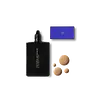
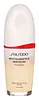
Victoria Beckham Beauty The Foundation Drops With TFC8 Versus Shiseido Revitalessence Skin Glow Foundation SPF30


What's inside
What's inside
 Key Ingredients
Benefits
Concerns
No concerns
Ingredients Side-by-side
Water
Skin ConditioningIsoamyl Laurate
Emollient
Coco-Caprylate/Caprate
Emollient
Hydrogenated Ethylhexyl Olivate
EmollientPropanediol
Solvent

Ethylhexyl Polyhydroxystearate
EmollientPolyglyceryl-3 Polyricinoleate
Emulsifying
Polyglyceryl-4 Isostearate
Emulsifying
Shea Butter Ethyl Esters
Emollient
Polyglyceryl-2 Triisostearate
Emulsifying
Caprylic/Capric Triglyceride
Masking
Sorbitan Isostearate
Emulsifying
Synthetic Fluorphlogopite
Mica
Cosmetic ColorantDisteardimonium Hectorite
StabilisingGlycerin
Humectant
Echinacea Purpurea Extract
MoisturisingAcmella Oleracea Extract
Skin ProtectingOlea Europaea Leaf Extract
Perfuming
Dimethyl Isosorbide
SolventSqualane
Emollient
Polyglyceryl-2 Tetraisostearate
EmollientSimmondsia Chinensis Seed Oil
Emollient
Sodium Phytate
Lauroyl Lysine
Skin Conditioning
Hydrolyzed Rice Protein
Skin ConditioningOpuntia Ficus-Indica Stem Extract
Skin Conditioning
Pentylene Glycol
Skin Conditioning
Arginine
Masking
Glycine
Buffering
Lysine
Skin ConditioningOligopeptide-177

Oligopeptide-4
Skin Conditioning
Phenylalanine
Masking
Sisymbrium Irio Seed Oil
Masking
Hydrogenated Olive Oil Unsaponifiables
Emollient
Tocopheryl Acetate
Antioxidant


Glyceryl Ricinoleate
Emollient
Lecithin
Emollient
Butylene Glycol
Humectant
Xanthan Gum
Emulsifying1,2-Hexanediol
Skin Conditioning
Caprylyl Glycol
Emollient
Phenylpropanol
Masking
Sodium Dehydroacetate
Preservative
Sodium Chloride
MaskingTocopherol
Antioxidant

Potassium Sorbate
Preservative
Sodium Hydroxide
BufferingAluminum Hydroxide
EmollientCI 77891
Cosmetic ColorantIron Oxides
Water, Isoamyl Laurate, Coco-Caprylate/Caprate, Hydrogenated Ethylhexyl Olivate, Propanediol, Ethylhexyl Polyhydroxystearate, Polyglyceryl-3 Polyricinoleate, Polyglyceryl-4 Isostearate, Shea Butter Ethyl Esters, Polyglyceryl-2 Triisostearate, Caprylic/Capric Triglyceride, Sorbitan Isostearate, Synthetic Fluorphlogopite, Mica, Disteardimonium Hectorite, Glycerin, Echinacea Purpurea Extract, Acmella Oleracea Extract, Olea Europaea Leaf Extract, Dimethyl Isosorbide, Squalane, Polyglyceryl-2 Tetraisostearate, Simmondsia Chinensis Seed Oil, Sodium Phytate, Lauroyl Lysine, Hydrolyzed Rice Protein, Opuntia Ficus-Indica Stem Extract, Pentylene Glycol, Arginine, Glycine, Lysine, Oligopeptide-177, Oligopeptide-4, Phenylalanine, Sisymbrium Irio Seed Oil, Hydrogenated Olive Oil Unsaponifiables, Tocopheryl Acetate, Glyceryl Ricinoleate, Lecithin, Butylene Glycol, Xanthan Gum, 1,2-Hexanediol, Caprylyl Glycol, Phenylpropanol, Sodium Dehydroacetate, Sodium Chloride, Tocopherol, Potassium Sorbate, Sodium Hydroxide, Aluminum Hydroxide, CI 77891, Iron Oxides
Water
Skin ConditioningDiphenylsiloxy Phenyl Trimethicone
Skin Conditioning
Dipropylene Glycol
HumectantGlycerin
Humectant
Ethylhexyl Methoxycinnamate
UV Absorber


Alcohol Denat.
Antimicrobial



PEG-8
HumectantNiacinamide
Smoothing



PEG-60 Hydrogenated Castor Oil
Emulsifying
Isostearic Acid
Cleansing
Polyglyceryl-6 Polyricinoleate
Emulsifying
Lactobacillus/Rice Ferment
Skin Conditioning
Ammonium Acryloyldimethyltaurate/Beheneth-25 Methacrylate Crosspolymer
Emulsion StabilisingTocopheryl Acetate
Antioxidant
Sodium Dilauramidoglutamide Lysine
HumectantMagnesium Chloride
Polyquaternium-51
Skin Conditioning
Lavandula Angustifolia Oil
Masking

Sanguisorba Officinalis Root Extract
CleansingCamellia Sinensis Leaf Extract
Antimicrobial
Hydrogenated Polyisobutene
EmollientPEG-12 Dimethicone
Skin Conditioning
PEG-100 Hydrogenated Castor Oil
Emulsifying
Butylene Glycol
Humectant
Aluminum Hydroxide
EmollientTrisodium EDTA
Acrylates/C10-30 Alkyl Acrylate Crosspolymer
Emulsion StabilisingDimethylacrylamide/Sodium Acryloyldimethyltaurate Crosspolymer
BHT
Antioxidant
Tocopherol
Antioxidant
Potassium Hydroxide
BufferingAlcohol
Antimicrobial
Sodium Metabisulfite
Antioxidant
Linalool
Perfuming
PEG/PPG-19/19 Dimethicone
Emulsifying
Stearic Acid
Cleansing
Phenoxyethanol
Preservative
CI 77891
Cosmetic ColorantCI 77492
Cosmetic ColorantCI 77499
Cosmetic ColorantCI 77491
Cosmetic ColorantWater, Diphenylsiloxy Phenyl Trimethicone, Dipropylene Glycol, Glycerin, Ethylhexyl Methoxycinnamate, Alcohol Denat., PEG-8, Niacinamide, PEG-60 Hydrogenated Castor Oil, Isostearic Acid, Polyglyceryl-6 Polyricinoleate, Lactobacillus/Rice Ferment, Ammonium Acryloyldimethyltaurate/Beheneth-25 Methacrylate Crosspolymer, Tocopheryl Acetate, Sodium Dilauramidoglutamide Lysine, Magnesium Chloride, Polyquaternium-51, Lavandula Angustifolia Oil, Sanguisorba Officinalis Root Extract, Camellia Sinensis Leaf Extract, Hydrogenated Polyisobutene, PEG-12 Dimethicone, PEG-100 Hydrogenated Castor Oil, Butylene Glycol, Aluminum Hydroxide, Trisodium EDTA, Acrylates/C10-30 Alkyl Acrylate Crosspolymer, Dimethylacrylamide/Sodium Acryloyldimethyltaurate Crosspolymer, BHT, Tocopherol, Potassium Hydroxide, Alcohol, Sodium Metabisulfite, Linalool, PEG/PPG-19/19 Dimethicone, Stearic Acid, Phenoxyethanol, CI 77891, CI 77492, CI 77499, CI 77491
Ingredients Explained
These ingredients are found in both products.
Ingredients higher up in an ingredient list are typically present in a larger amount.
Aluminum Hydroxide is a form of aluminum. It can be naturally found in nature as the mineral gibbsite. In cosmetics, Aluminum Hydroxide is used as a colorant, pH adjuster, and absorbent.
As a colorant, Aluminum Hydroxide may add opacity, or reduce the transparency. Aluminum hydroxide is contains both basic and acidic properties.
According to manufacturers, this ingredient is an emollient and humectant. This means it helps hydrate the skin.
In medicine, this ingredient is used to help relieve heartburn and help heal ulcers.
There is currently no credible scientific evidence linking aluminum hydroxide in cosmetics to increased cancer risk.
Major health organizations allow the use of aluminum hydroxide in personal care products and have not flagged it as a carcinogenic risk at typical usage levels.
Learn more about Aluminum HydroxideButylene Glycol (or BG) is used within cosmetic products for a few different reasons:
Overall, Butylene Glycol is a safe and well-rounded ingredient that works well with other ingredients.
Though this ingredient works well with most skin types, some people with sensitive skin may experience a reaction such as allergic rashes, closed comedones, or itchiness.
Learn more about Butylene GlycolCi 77891 is a white pigment from Titanium dioxide. It is naturally found in minerals such as rutile and ilmenite.
It's main function is to add a white color to cosmetics. It can also be mixed with other colors to create different shades.
Ci 77891 is commonly found in sunscreens due to its ability to block UV rays.
Learn more about CI 77891Glycerin (or glycerol) is a compound naturally found in your skin. It's a powerhouse humectant that pulls water into the stratum corneum.
Topically, glycerin does several things at once:
Your skin makes glycerin on its own (mostly from sebaceous oil breakdown) and shuttles it to your outermost layer of skin, or your epidermis, via aquaporin-3.
Aquaporin-3 is a transporter that is essential for normal skin hydration, elasticity, and repair. Interestingly, mice lacking in AQP3 have dry and less elastic skin that can be fully corrected with glycerin.
This ingredient is non-irritating, plays well with almost every ingredient, and works across all skin types. Typical use is anywhere between 3-10% but can go up to 79% in some leave-on products.
Just know very high concentrations (>40%) can feel tacky in low humidity.
Glycerin is the name for this ingredient in American English. British English uses Glycerol/Glycerine.
Learn more about GlycerinTocopherol is a fat-soluble antioxidant known as Vitamin E.
You'll find this ingredient in the vast majority of skincare (for good reason). It works to neutralize free radicals, or unstable molecules generated by UV exposure, pollution, and other environmental stressors, before they can cause oxidative damage to your skin cells.
Topically applied tocopherol has been shown to protect against UV damage by ramping up the skin's own natural defense enzymes.
It also acts as a skin conditioning agent; some studies show that regular topical use can improve the skin's water-binding capacity over 2-4 weeks.
This ingredient is especially loved for being a team player. When combined with Vitamin C, the photoprotective effect of both ingredients roughly doubles and the combo also helps reduce UV-induced DNA damage.
This ingredient has some brightening potential but it's more of a prevention ingredient than spot-fader. Cell studies show it can slow down melanin production but it's worth noting that it's not the most powerful brightener out there.
In formulations, it also serves as a stabilizer that helps protect other oxidation-prone ingredients from degrading.
Concentrations usually range from 0.1-1% in most leave-on products.
Learn more about TocopherolTocopheryl Acetate is AKA Vitamin E. It is an antioxidant and protects your skin from free radicals. Free radicals damage the skin by breaking down collagen.
One study found using Tocopheryl Acetate with Vitamin C decreased the number of sunburned cells.
Tocopheryl Acetate is commonly found in both skincare and dietary supplements.
Learn more about Tocopheryl AcetateWater. It's the most common cosmetic ingredient of all. You'll usually see it at the top of ingredient lists, meaning that it makes up the largest part of the product.
So why is it so popular? Water most often acts as a solvent - this means that it helps dissolve other ingredients into the formulation.
You'll also recognize water as that liquid we all need to stay alive. If you see this, drink a glass of water. Remember to stay hydrated!
Learn more about Water
