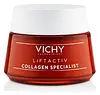
This anti-aging moisturizer is formulated around Adenosine and Ascorbyl Glucoside to soften the look of wrinkles and brighten dull-looking skin.
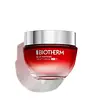
This anti-aging day moisturizer is formulated around Palmitoyl Tetrapeptide-7 and Palmitoyl Tripeptide-1 to soften the look of wrinkles and strengthen the skin barrier.

What's inside
What's inside
 Key Ingredients
Benefits
Concerns
Ingredients Side-by-side
Water
Skin ConditioningGlycerin
Humectant


Dimethicone
Emollient
Isohexadecane
EmollientAlcohol Denat.
Antimicrobial




Silica
Abrasive


Hydroxyethylpiperazine Ethane Sulfonic Acid
BufferingPropanediol
Solvent
Synthetic Wax
Abrasive
PEG-10 Dimethicone
Skin Conditioning
Eperua Falcata Bark Extract
Skin ProtectingPEG-30 Dipolyhydroxystearate
Emulsifying
Stearyl Alcohol
Emollient
Sorbitan Oleate
Emulsifying
Dimethicone/PEG-10/15 Crosspolymer
Dimethicone/Polyglycerin-3 Crosspolymer
Cleansing
Ceteareth-6
EmulsifyingSodium Acrylates Copolymer
Sodium Citrate
BufferingSodium Hydroxide
BufferingSodium Phytate
ChelatingCyclodextrin
AbsorbentAdenosine
Skin Conditioning

Ascorbyl Glucoside
Antioxidant


Nylon-12

Isopropyl Alcohol
Solvent
Propylene Carbonate
SolventDipropylene Glycol
HumectantCaprylic/Capric Triglyceride
Masking
Caprylyl Glycol
Emollient
Acetyl Tetrapeptide-9
Skin Conditioning
Synthetic Fluorphlogopite
Disteardimonium Hectorite
StabilisingDextrin
AbsorbentPisum Sativum Extract
Skin ConditioningTocopherol
Antioxidant


Phenoxyethanol
Preservative
CI 15985
Cosmetic ColorantCI 77891
Cosmetic ColorantParfum
Masking

Water, Glycerin, Dimethicone, Isohexadecane, Alcohol Denat., Silica, Hydroxyethylpiperazine Ethane Sulfonic Acid, Propanediol, Synthetic Wax, PEG-10 Dimethicone, Eperua Falcata Bark Extract, PEG-30 Dipolyhydroxystearate, Stearyl Alcohol, Sorbitan Oleate, Dimethicone/PEG-10/15 Crosspolymer, Dimethicone/Polyglycerin-3 Crosspolymer, Ceteareth-6, Sodium Acrylates Copolymer, Sodium Citrate, Sodium Hydroxide, Sodium Phytate, Cyclodextrin, Adenosine, Ascorbyl Glucoside, Nylon-12, Isopropyl Alcohol, Propylene Carbonate, Dipropylene Glycol, Caprylic/Capric Triglyceride, Caprylyl Glycol, Acetyl Tetrapeptide-9, Synthetic Fluorphlogopite, Disteardimonium Hectorite, Dextrin, Pisum Sativum Extract, Tocopherol, Phenoxyethanol, CI 15985, CI 77891, Parfum
Water
Skin ConditioningGlycerin
Humectant
Diisopropyl Sebacate
EmollientIsopropyl Myristate
Emollient
Propanediol
Solvent
Drometrizole Trisiloxane
UV Absorber
Bis-Ethylhexyloxyphenol Methoxyphenyl Triazine
UV Absorber
Pentylene Glycol
Skin Conditioning
Ethylhexyl Triazone
UV Absorber
C12-15 Alkyl Benzoate
AntimicrobialPolyglyceryl-6 Distearate
Emulsifying
Cetyl Esters
Emollient
Butyl Methoxydibenzoylmethane
UV Absorber
Oryza Sativa Cera
Skin ConditioningOryza Sativa Bran Wax
Skin Conditioning
Jojoba Esters
Emollient
Behenyl Alcohol
Emollient
Acrylamide/Sodium Acryloyldimethyltaurate Copolymer
Emulsion StabilisingAcacia Decurrens Flower Wax
Emollient
Helianthus Annuus Seed Wax
Skin Conditioning
Sorbitan Oleate
Emulsifying
Isohexadecane
EmollientSodium Hyaluronate
Humectant
Sodium Lactate
Buffering
Sodium Stearoyl Glutamate
CleansingPalmitoyl Tetrapeptide-7
Skin Conditioning
Palmitoyl Tripeptide-1
Skin Conditioning
Hydroxyacetophenone
Antioxidant
Hydroxypropyl Starch Phosphate
Caprylyl Glycol
Emollient
Vitreoscilla Ferment
Skin Conditioning
Trisodium Ethylenediamine Disuccinate
ChelatingXanthan Gum
EmulsifyingPolyglycerin-3
Humectant
Polyglyceryl-3 Beeswax
Emulsifying
Polysorbate 80
Emulsifying
Cetyl Alcohol
Emollient
Tocopherol
Antioxidant
Chlorphenesin
Antimicrobial
CI 14700
Cosmetic ColorantCI 19140
Cosmetic ColorantParfum
Masking
Water, Glycerin, Diisopropyl Sebacate, Isopropyl Myristate, Propanediol, Drometrizole Trisiloxane, Bis-Ethylhexyloxyphenol Methoxyphenyl Triazine, Pentylene Glycol, Ethylhexyl Triazone, C12-15 Alkyl Benzoate, Polyglyceryl-6 Distearate, Cetyl Esters, Butyl Methoxydibenzoylmethane, Oryza Sativa Cera, Oryza Sativa Bran Wax, Jojoba Esters, Behenyl Alcohol, Acrylamide/Sodium Acryloyldimethyltaurate Copolymer, Acacia Decurrens Flower Wax, Helianthus Annuus Seed Wax, Sorbitan Oleate, Isohexadecane, Sodium Hyaluronate, Sodium Lactate, Sodium Stearoyl Glutamate, Palmitoyl Tetrapeptide-7, Palmitoyl Tripeptide-1, Hydroxyacetophenone, Hydroxypropyl Starch Phosphate, Caprylyl Glycol, Vitreoscilla Ferment, Trisodium Ethylenediamine Disuccinate, Xanthan Gum, Polyglycerin-3, Polyglyceryl-3 Beeswax, Polysorbate 80, Cetyl Alcohol, Tocopherol, Chlorphenesin, CI 14700, CI 19140, Parfum
Reviews
Ingredients Explained
These ingredients are found in both products.
Ingredients higher up in an ingredient list are typically present in a larger amount.
Caprylyl Glycol is a humectant, skin conditioner, emollient, and preservative booster derived from either caprylic acid or synthetically created.
Typical use levels vary from 0.3-1% as a preservative booster and go up to 2% to condition skin.
Because it is not a free-fatty acid, this ingredient is fungal acne safe (there's nothing for Malassezia to feed on).
Learn more about Caprylyl GlycolGlycerin (or glycerol) is a compound naturally found in your skin. It's a powerhouse humectant that pulls water into the stratum corneum.
Topically, glycerin does several things at once:
Your skin makes glycerin on its own (mostly from sebaceous oil breakdown) and shuttles it to your outermost layer of skin, or your epidermis, via aquaporin-3.
Aquaporin-3 is a transporter that is essential for normal skin hydration, elasticity, and repair. Interestingly, mice lacking in AQP3 have dry and less elastic skin that can be fully corrected with glycerin.
This ingredient is non-irritating, plays well with almost every ingredient, and works across all skin types. Typical use is anywhere between 3-10% but can go up to 79% in some leave-on products.
Just know very high concentrations (>40%) can feel tacky in low humidity.
Glycerin is the name for this ingredient in American English. British English uses Glycerol/Glycerine.
Learn more about GlycerinIsohexadecane is added to enhance texture, emulsify, and to help cleanse. It is an isoparrafin. It is a component of petrolatum.
Due to its large size, Isohexadecane is not absorbed by the skin. Instead, it sits on top and acts as an emollient. Emollients help keep your skin soft and smooth by trapping moisture within.
Isohexadecane is often used in products designed to help oily skin. It is lightweight and non-greasy while helping to moisturize. When mixed with silicones, it gives a product a silky feel.
Learn more about IsohexadecaneParfum is a catch-all term for an ingredient or more that is used to give a scent to products.
Also called "fragrance", this ingredient can be a blend of hundreds of chemicals or plant oils. This means every product with "fragrance" or "parfum" in the ingredients list is a different mixture.
For instance, Habanolide is a proprietary trade name for a specific aroma chemical. When used as a fragrance ingredient in cosmetics, most aroma chemicals fall under the broad labeling category of “FRAGRANCE” or “PARFUM” according to EU and US regulations.
The term 'parfum' or 'fragrance' is not regulated in many countries. In many cases, it is up to the brand to define this term.
For instance, many brands choose to label themselves as "fragrance-free" because they are not using synthetic fragrances. However, their products may still contain ingredients such as essential oils that are considered a fragrance by INCI standards.
One example is Calendula flower extract. Calendula is an essential oil that still imparts a scent or 'fragrance'.
Depending on the blend, the ingredients in the mixture can cause allergies and sensitivities on the skin. Some ingredients that are known EU allergens include linalool and citronellol.
Parfum can also be used to mask or cover an unpleasant scent.
The bottom line is: not all fragrances/parfum/ingredients are created equally. If you are worried about fragrances, we recommend taking a closer look at an ingredient. And of course, we always recommend speaking with a professional.
Learn more about ParfumPropanediol is an all-star ingredient. It softens, hydrates, and smooths the skin.
It’s often used to:
Propanediol is not likely to cause sensitivity and considered safe to use. It is derived from corn or petroleum with a clear color and no scent.
Learn more about PropanediolSorbitan Oleate is a PEG-free emulsifier made by esterifying sorbitol with oleic acid.
You'll likely see it paired with Polysorbate 80 to create the right emulsification balance.
Typical use levels in formulas range from 2-10%.
The CIR Expert Panel has concluded this ingredient to be safe as a cosmetic ingredient.
Since this ingredient is an ester of oleic acid, it may not be fungal acne safe. Oleic acid is a fatty acid that falls into the C11-24 range that Malassezia can metabolize.
This ingredient does have a comedogenic rating of 3, but this doesn't mean a formula with this ingredient will clog pores. Human testing has proved that any finished product with a comedogenic ingredient won't automatically make you break out; it really comes down to concentration, formula, and your skin.
Learn more about Sorbitan OleateTocopherol is a fat-soluble antioxidant known as Vitamin E.
You'll find this ingredient in the vast majority of skincare (for good reason). It works to neutralize free radicals, or unstable molecules generated by UV exposure, pollution, and other environmental stressors, before they can cause oxidative damage to your skin cells.
Topically applied tocopherol has been shown to protect against UV damage by ramping up the skin's own natural defense enzymes.
It also acts as a skin conditioning agent; some studies show that regular topical use can improve the skin's water-binding capacity over 2-4 weeks.
This ingredient is especially loved for being a team player. When combined with Vitamin C, the photoprotective effect of both ingredients roughly doubles and the combo also helps reduce UV-induced DNA damage.
This ingredient has some brightening potential but it's more of a prevention ingredient than spot-fader. Cell studies show it can slow down melanin production but it's worth noting that it's not the most powerful brightener out there.
In formulations, it also serves as a stabilizer that helps protect other oxidation-prone ingredients from degrading.
Concentrations usually range from 0.1-1% in most leave-on products.
Learn more about TocopherolWater. It's the most common cosmetic ingredient of all. You'll usually see it at the top of ingredient lists, meaning that it makes up the largest part of the product.
So why is it so popular? Water most often acts as a solvent - this means that it helps dissolve other ingredients into the formulation.
You'll also recognize water as that liquid we all need to stay alive. If you see this, drink a glass of water. Remember to stay hydrated!
Learn more about Water

