

What's inside
What's inside
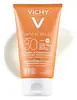 Key Ingredients
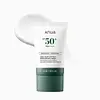
Benefits
Concerns
Ingredients Side-by-side
Octocrylene 7%
UV Absorber



Titanium Dioxide 4.15%
Cosmetic Colorant
Butyl Methoxydibenzoylmethane 3%
UV Absorber
Drometrizole Trisiloxane 2.5%
UV Absorber
Terephthalylidene Dicamphor Sulfonic Acid 0.5%
UV Absorber
Water
Skin ConditioningGlycerin
Humectant


C12-15 Alkyl Benzoate
AntimicrobialAlcohol Denat.
Antimicrobial


Propylene Glycol
Humectant
Cyclopentasiloxane
Emollient
Nylon-12

Stearic Acid
Cleansing

Potassium Cetyl Phosphate
EmulsifyingTriethanolamine
BufferingPalmitic Acid
Emollient
Cetyl Alcohol
Emollient

Glyceryl Stearate
Emollient
PEG-100 Stearate
Dimethicone
Emollient
Poly C10-30 Alkyl Acrylate
Emulsion StabilisingEthylhexylglycerin
Skin ConditioningAluminum Hydroxide
EmollientAcrylates/C10-30 Alkyl Acrylate Crosspolymer
Emulsion StabilisingTocopherol
Antioxidant





Glycine Soja Oil
Emollient


Silica
Abrasive

Hydroxypropyl Methylcellulose
Emulsion StabilisingDisodium EDTA
Benzyl Benzoate
Antimicrobial

Benzyl Alcohol
Perfuming
Octocrylene 7%, Titanium Dioxide 4.15%, Butyl Methoxydibenzoylmethane 3%, Drometrizole Trisiloxane 2.5%, Terephthalylidene Dicamphor Sulfonic Acid 0.5%, Water, Glycerin, C12-15 Alkyl Benzoate, Alcohol Denat., Propylene Glycol, Cyclopentasiloxane, Nylon-12, Stearic Acid, Potassium Cetyl Phosphate, Triethanolamine, Palmitic Acid, Cetyl Alcohol, Glyceryl Stearate, PEG-100 Stearate, Dimethicone, Poly C10-30 Alkyl Acrylate, Ethylhexylglycerin, Aluminum Hydroxide, Acrylates/C10-30 Alkyl Acrylate Crosspolymer, Tocopherol, Glycine Soja Oil, Silica, Hydroxypropyl Methylcellulose, Disodium EDTA, Benzyl Benzoate, Benzyl Alcohol
Water
Skin ConditioningDibutyl Adipate
EmollientPropanediol
Solvent
Ethylhexyl Triazone
UV Absorber
Terephthalylidene Dicamphor Sulfonic Acid
UV Absorber
Glycerin
Humectant
Niacinamide
Smoothing


Caprylyl Methicone
Skin Conditioning
Polymethylsilsesquioxane
Tromethamine
Buffering1,2-Hexanediol
Skin Conditioning
Polyglyceryl-3 Distearate
Emulsifying
Cetearyl Alcohol
Emollient
Pentylene Glycol
Skin Conditioning
Butylene Glycol
Humectant
Diethylamino Hydroxybenzoyl Hexyl Benzoate
UV Filter
Polysilicone-15
UV Filter
Houttuynia Cordata Extract
Skin Conditioning
Diospyros Kaki Leaf Extract
Skin Protecting
Vitis Vinifera Fruit Extract
Skin ConditioningCarthamus Tinctorius Flower Extract
Skin ConditioningCoffea Arabica Seed Extract
Masking
Polygonum Cuspidatum Root Extract
Antioxidant
Camellia Sinensis Leaf Extract
Antimicrobial
Castanea Crenata Shell Extract
Skin ConditioningZanthoxylum Piperitum Fruit Extract
Skin ConditioningAnastatica Hierochuntica Extract
AstringentPanthenol
Skin Conditioning
Glyceryl Stearate
Emollient
Bis-Ethylhexyloxyphenol Methoxyphenyl Triazine
Skin Conditioning
Potassium Cetyl Phosphate
EmulsifyingMethylpropanediol
SolventCarbomer
Emulsion StabilisingGlyceryl Stearate Citrate
Emollient
Acrylates/C10-30 Alkyl Acrylate Crosspolymer
Emulsion StabilisingAmmonium Acryloyldimethyltaurate/Vp Copolymer
Adenosine
Skin Conditioning
Polyether-1
Biosaccharide Gum-1
Humectant
Tocopherol
Antioxidant
Ethylhexylglycerin
Skin ConditioningWater, Dibutyl Adipate, Propanediol, Ethylhexyl Triazone, Terephthalylidene Dicamphor Sulfonic Acid, Glycerin, Niacinamide, Caprylyl Methicone, Polymethylsilsesquioxane, Tromethamine, 1,2-Hexanediol, Polyglyceryl-3 Distearate, Cetearyl Alcohol, Pentylene Glycol, Butylene Glycol, Diethylamino Hydroxybenzoyl Hexyl Benzoate, Polysilicone-15, Houttuynia Cordata Extract, Diospyros Kaki Leaf Extract, Vitis Vinifera Fruit Extract, Carthamus Tinctorius Flower Extract, Coffea Arabica Seed Extract, Polygonum Cuspidatum Root Extract, Camellia Sinensis Leaf Extract, Castanea Crenata Shell Extract, Zanthoxylum Piperitum Fruit Extract, Anastatica Hierochuntica Extract, Panthenol, Glyceryl Stearate, Bis-Ethylhexyloxyphenol Methoxyphenyl Triazine, Potassium Cetyl Phosphate, Methylpropanediol, Carbomer, Glyceryl Stearate Citrate, Acrylates/C10-30 Alkyl Acrylate Crosspolymer, Ammonium Acryloyldimethyltaurate/Vp Copolymer, Adenosine, Polyether-1, Biosaccharide Gum-1, Tocopherol, Ethylhexylglycerin
Reviews
Ingredients Explained
These ingredients are found in both products.
Ingredients higher up in an ingredient list are typically present in a larger amount.
Acrylates/C10-30 Alkyl Acrylate Crosspolymer is a synthetic polymer. It is used to thicken, emulsify, and improve the texture of products.
As an emulsifier, it helps stabilize oil-in-water emulsions to give products an elegant feel when applied.
It can also form a thin protective film on skin. One study found that a formula using this polymer helped slow down how quickly other ingredients (like DEET) were absorbed through skin.
A 2024 study of over 1,300 patients confirmed that sensitization to this ingredient is rare. It is also non-mutagenic and has a clean track record.
Learn more about Acrylates/C10-30 Alkyl Acrylate CrosspolymerEthylhexylglycerin is created from glycerin. It is a multitasker ingredient that:
The CIR Expert Panel found minimal skin absorption or sensitization of any kind in a safety assessment. Though this ingredient is considered well-tolerated, a small number of cases of allergic dermatitis have been published since 2002. Just be sure to patch test if you are unsure.
Industry-reported use ranges from 8% in rinse-off products and 2% in leave-on formulations.
Learn more about EthylhexylglycerinGlycerin (or glycerol) is a compound naturally found in your skin. It's a powerhouse humectant that pulls water into the stratum corneum.
Topically, glycerin does several things at once:
Your skin makes glycerin on its own (mostly from sebaceous oil breakdown) and shuttles it to your outermost layer of skin, or your epidermis, via aquaporin-3.
Aquaporin-3 is a transporter that is essential for normal skin hydration, elasticity, and repair. Interestingly, mice lacking in AQP3 have dry and less elastic skin that can be fully corrected with glycerin.
This ingredient is non-irritating, plays well with almost every ingredient, and works across all skin types. Typical use is anywhere between 3-10% but can go up to 79% in some leave-on products.
Just know very high concentrations (>40%) can feel tacky in low humidity.
Glycerin is the name for this ingredient in American English. British English uses Glycerol/Glycerine.
Learn more about GlycerinGlyceryl Stearate is made by reacting glycerin with stearic acid (typically sourced from plant oils like palm or coconut). It's an emulsifier, emollient, and mild occlusive.
Emulsifiers help ingredients like oil and water stay mixed so your formula stays nicely blended and uniform in texture.
This ingredient is typically used in concentrations between 1-10%. Studies have found it to be non-sensitizing, non-phototoxic, and non-photoallergenic.
A close cousin of this ingredient is Glyceryl Stearate SE ("self-emulsifying"). This just has a small amount of sodium or potassium stearate added so it can emulsify without a co-emulsifier.
Since this ingredient is an ester of a C18 fatty acid, it may not be fungal acne safe. The Malassezia yeast can potentially metabolize within the C11-C24 range.
Fun fact: The human body also creates Glyceryl Stearate naturally.
Learn more about Glyceryl StearatePotassium Cetyl Phosphate is the potassium salt of a mixture. This mixture consists of the esters from phosphoricacid and cetyl alcohol.
Potassium Cetyl Phosphate is an emulsifier and cleansing agent. Emulsifiers help stabilize a product. It does this by preventing certain ingredients from separating.
As a cleansing agent, Potassium Cetyl Phosphate helps gather oils, dirts, and pollutants from your skin. This makes it easier to rinse them away with water.
Learn more about Potassium Cetyl PhosphateEcamsule is a UV-A absorber (290–400 nm) patented by L'Oreal. It is derived from benzylidene camphor, making it highly photostable.
Ecamsule is able to prevent UV from reaching the skin. It absorbs UV and releases it as thermal energy.
It does this by:
The pH of ecamsule needs to be neutralized due to it being an acid. Triethanolamine is a pH adjusting ingredient often used with ecamsule.
This sunscreen ingredient is approved for use in the EU, Canada, and Asia. In the US, you will only find this ingredient in select L'Oreal products.
Learn more about Terephthalylidene Dicamphor Sulfonic AcidTocopherol is a fat-soluble antioxidant known as Vitamin E.
You'll find this ingredient in the vast majority of skincare (for good reason). It works to neutralize free radicals, or unstable molecules generated by UV exposure, pollution, and other environmental stressors, before they can cause oxidative damage to your skin cells.
Topically applied tocopherol has been shown to protect against UV damage by ramping up the skin's own natural defense enzymes.
It also acts as a skin conditioning agent; some studies show that regular topical use can improve the skin's water-binding capacity over 2-4 weeks.
This ingredient is especially loved for being a team player. When combined with Vitamin C, the photoprotective effect of both ingredients roughly doubles and the combo also helps reduce UV-induced DNA damage.
This ingredient has some brightening potential but it's more of a prevention ingredient than spot-fader. Cell studies show it can slow down melanin production but it's worth noting that it's not the most powerful brightener out there.
In formulations, it also serves as a stabilizer that helps protect other oxidation-prone ingredients from degrading.
Concentrations usually range from 0.1-1% in most leave-on products.
Learn more about TocopherolWater. It's the most common cosmetic ingredient of all. You'll usually see it at the top of ingredient lists, meaning that it makes up the largest part of the product.
So why is it so popular? Water most often acts as a solvent - this means that it helps dissolve other ingredients into the formulation.
You'll also recognize water as that liquid we all need to stay alive. If you see this, drink a glass of water. Remember to stay hydrated!
Learn more about Water
