Tropic Skincare Youth Potion Enriched Retinal Complex Versus e.l.f. cosmetics Youth Boosting Advanced Night Retinoid Serum
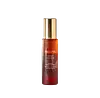
This anti-aging serum is formulated around Ascorbyl Tetraisopalmitate and Bakuchiol to soften the look of wrinkles and refine skin texture.
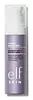
This anti-aging serum is formulated around Hydroxypinacolone Retinoate and Retinal to soften the look of wrinkles and refine skin texture.


What's inside
What's inside
 Key Ingredients
Benefits
Concerns
Ingredients Side-by-side
Aloe Barbadensis Leaf Juice
Skin Conditioning


Squalane
Emollient

Propanediol
Solvent
Caprylic/Capric Triglyceride
Masking
Actinidia Chinensis Seed Oil
Emollient
Glycerin
Humectant
Carthamus Tinctorius Seed Oil
Masking

Ascorbyl Tetraisopalmitate
Antioxidant


Tocopherol
Antioxidant

Cyanocobalamin
Skin ConditioningBakuchiol
Antimicrobial


Retinal
Skin Conditioning



Sodium Hyaluronate
Humectant
Hexapeptide-11
Skin Conditioning
Spilanthes Acmella Flower/Leaf/Stem Extract
AntimicrobialDaemonorops Draco Extract
AstringentAstragalus Membranaceus Root Extract
Emollient
Helianthus Annuus Seed Oil
Emollient
Saccharomyces Ferment Filtrate
Humectant
Leuconostoc/Radish Root Ferment Filtrate
Antimicrobial
Ubiquinone
Antioxidant
Mauritia Flexuosa Fruit Oil
Skin Conditioning

Sodium Anisate
AntimicrobialSodium Levulinate
Skin ConditioningLevulinic Acid
Perfuming

Sodium Gluconate
ChelatingPullulan
Maltodextrin
Absorbent
Pentylene Glycol
Skin Conditioning
Hydrolyzed Gardenia Florida Extract
Antioxidant
Rosa Damascena Flower Oil
Masking

Madecassoside
Antioxidant
Alkanna Tinctoria Root Extract
Skin ConditioningCitral
Perfuming
Geraniol
Perfuming
Aloe Barbadensis Leaf Juice, Squalane, Propanediol, Caprylic/Capric Triglyceride, Actinidia Chinensis Seed Oil, Glycerin, Carthamus Tinctorius Seed Oil, Ascorbyl Tetraisopalmitate, Tocopherol, Cyanocobalamin, Bakuchiol, Retinal, Sodium Hyaluronate, Hexapeptide-11, Spilanthes Acmella Flower/Leaf/Stem Extract, Daemonorops Draco Extract, Astragalus Membranaceus Root Extract, Helianthus Annuus Seed Oil, Saccharomyces Ferment Filtrate, Leuconostoc/Radish Root Ferment Filtrate, Ubiquinone, Mauritia Flexuosa Fruit Oil, Sodium Anisate, Sodium Levulinate, Levulinic Acid, Sodium Gluconate, Pullulan, Maltodextrin, Pentylene Glycol, Hydrolyzed Gardenia Florida Extract, Rosa Damascena Flower Oil, Madecassoside, Alkanna Tinctoria Root Extract, Citral, Geraniol
Water
Skin ConditioningPropanediol
Solvent
PEG-8
HumectantBis-PEG-18 Methyl Ether Dimethyl Silane
EmollientMethyl Gluceth-20
Humectant
Glycereth-26
Humectant
Butylene Glycol
Humectant
Diglycerin
Humectant
Dimethyl Isosorbide
SolventSodium Acrylates Copolymer
Phenoxyethanol
Preservative
Lecithin
Emollient
Tromethamine
BufferingTocopherol
Antioxidant
Helianthus Annuus Seed Oil
Emollient
Bisabolol
Antioxidant
Sodium Hyaluronate
Humectant
Acrylates/C10-30 Alkyl Acrylate Crosspolymer
Emulsion StabilisingEthylhexylglycerin
Skin ConditioningCaprylyl Glycol
Emollient
Hydroxypinacolone Retinoate
Skin Conditioning
Dipotassium Glycyrrhizate
Humectant
Retinal
Skin Conditioning
Disodium EDTA
ChelatingGlycerin
Humectant
Vigna Aconitifolia Seed Extract
Skin ConditioningSea Water
HumectantMaltodextrin
Absorbent
Lactobacillus Ferment Lysate
Skin Conditioning
Hydrolyzed Algin
Euterpe Oleracea Fruit Extract
Sucrose
Humectant
Carbomer
Emulsion StabilisingCoco-Glucoside
Cleansing
Sodium Benzoate
Masking
Potassium Sorbate
Preservative
Palmitoyl Tripeptide-1
Skin Conditioning
Palmitoyl Tetrapeptide-7
Skin Conditioning
Water, Propanediol, PEG-8, Bis-PEG-18 Methyl Ether Dimethyl Silane, Methyl Gluceth-20, Glycereth-26, Butylene Glycol, Diglycerin, Dimethyl Isosorbide, Sodium Acrylates Copolymer, Phenoxyethanol, Lecithin, Tromethamine, Tocopherol, Helianthus Annuus Seed Oil, Bisabolol, Sodium Hyaluronate, Acrylates/C10-30 Alkyl Acrylate Crosspolymer, Ethylhexylglycerin, Caprylyl Glycol, Hydroxypinacolone Retinoate, Dipotassium Glycyrrhizate, Retinal, Disodium EDTA, Glycerin, Vigna Aconitifolia Seed Extract, Sea Water, Maltodextrin, Lactobacillus Ferment Lysate, Hydrolyzed Algin, Euterpe Oleracea Fruit Extract, Sucrose, Carbomer, Coco-Glucoside, Sodium Benzoate, Potassium Sorbate, Palmitoyl Tripeptide-1, Palmitoyl Tetrapeptide-7
Reviews
Ingredients Explained
These ingredients are found in both products.
Ingredients higher up in an ingredient list are typically present in a larger amount.
Glycerin (or glycerol) is a compound naturally found in your skin. It's a powerhouse humectant that pulls water into the stratum corneum.
Topically, glycerin does several things at once:
Your skin makes glycerin on its own (mostly from sebaceous oil breakdown) and shuttles it to your outermost layer of skin, or your epidermis, via aquaporin-3.
Aquaporin-3 is a transporter that is essential for normal skin hydration, elasticity, and repair. Interestingly, mice lacking in AQP3 have dry and less elastic skin that can be fully corrected with glycerin.
This ingredient is non-irritating, plays well with almost every ingredient, and works across all skin types. Typical use is anywhere between 3-10% but can go up to 79% in some leave-on products.
Just know very high concentrations (>40%) can feel tacky in low humidity.
Glycerin is the name for this ingredient in American English. British English uses Glycerol/Glycerine.
Learn more about GlycerinHelianthus Annuus Seed Oil is a plant oil derived from the seeds of a sunflower.
It is rich in fatty acids, primarily linoleic acid and oleic acid. This gives it emollient and skin conditioning properties.
The reason this ingredient is so effective is because it forms a thin film on the skin that reduces transepidermal water loss (TEWL) while supplying linoleic acid to the stratum corneum to improve barrier strength.
The high linoleic acid content is particularly noteworthy for acne-prone skin.
Research suggests that acne-prone skin tends to be deficient in linoleic acid in sebum. Topical application may help replenish this to support a healthier follicular environment and less comedone-promoting sebum.
One randomized study found sunflower seed oil preserved skin barrier integrity in adult volunteers with and without atopic dermatitis (outperforming olive oil).
This ingredient is well-studied, gentle, and an effective emollient suitable for most skin types.
On fungal acne: This ingredient may not be Fungal acne (Malassezia folliculitis) safe. This is because it contains fatty acids with carbon chain lengths in the C11-C24 range.
Learn more about Helianthus Annuus Seed OilMaltodextrin is a plant-derived carbohydrate made by breaking down starch (usually from corn, potato, or rice). In cosmetic formulas, it's a multitasking absorbent, emulsion stabilizer, and skin conditioner.
This ingredient is mostly used to stabilize emulsions and improve the powdery, non-greasy feel of products (like dry shampoos).
Safety-wise, this ingredient is pretty solid; it's even recognized as a food additive. Both animal and clinical studies found no adverse effects at the levels used in cosmetics.
Industry data shows this ingredient is used up to 45.7% in spray products and up to 33% in powder products.
Learn more about MaltodextrinPropanediol is an all-star ingredient. It softens, hydrates, and smooths the skin.
It’s often used to:
Propanediol is not likely to cause sensitivity and considered safe to use. It is derived from corn or petroleum with a clear color and no scent.
Learn more about PropanediolRetinal (aka retinaldehyde) is a form of retinoid that formulators use mainly as an antiaging and skin-renewing active.
What makes it special is its position in the retinoid family; skin converts it to retinoic acid (the prescription gold standard) in just one step.
Because retinal only requires 1 conversion step to become retinoic acid, it's the strongest over-the-counter retinoid. It also works at lower concentrations than retinol, since retinal is about 10x more bioavailable.
Studies back up its efficacy in skin:
A foundational trial showed that applying 0.05-0.5% retinal for 1-3 months produced a dose-dependent and significant increase in epidermal thickness + cell turnover markers.
And a head-to-head comparison of 0.05% retinal against a 0.05% retinoid acid found both formulations were effective for the basis of wrinkle/skin roughness features, but retinoic acid caused more local irritation.
More recent controlled trials confirm it improves wrinkles, dermal density, and firmness over 12-24 weeks, with significant improvements in skin texture and firmness (particularly with the higher 0.1% concentration).
Retinal also has one trick the other retinoids do not: it directly fights against acne bacteria since a clinical study showed retinaldehyde-treated areas displayed a significant decrease in counts of viable P. acnes.
This makes it a great pick for people who want to treat aging and breakouts.
Typical cosmetic use sits in the 0.05-0.1% range with 0.05% being the gentle starting point and 0.1% giving stronger results.
Like all retinoids, retinal works best with nightly use, a good moisturizer, and daytime sunscreen. It can cause some irritation so ease into it slowly rather than going all in.
The "ramp up" method works well: start with Retinal once a week to give your skin time to adjust, which keeps irritation low.
Slowly add more nights until you reach your goal frequency once your skin feels comfortable.
Retinoids also make your skin more sensitive to the sun in the first few weeks, so wear sunscreen every morning and protect your skin from direct sun while you build up tolerance.
Learn more about RetinalSodium Hyaluronate is the salt form of hyaluronic acid. It is a long sugar chain that is naturally found in your skin, joints, and connective tissue that maintains hydration and elasticity.
In skincare, it works as a humectant. It pulls water from the environment and deeper layers of skin and binds it to the surface.
Interestingly, the size of the molecule affects its behavior:
Some clinical evidence links low molecular weight versions to improved wrinkle depth, elasticity, anti-inflammatory effects, and barrier repair.
Many serums use a blend of both weights so you can get surface hydration plus longer-lasting and deeper effects.
You'll typically see concentrations between 0.1-2% for this ingredient.
Learn more about Sodium HyaluronateTocopherol is a fat-soluble antioxidant known as Vitamin E.
You'll find this ingredient in the vast majority of skincare (for good reason). It works to neutralize free radicals, or unstable molecules generated by UV exposure, pollution, and other environmental stressors, before they can cause oxidative damage to your skin cells.
Topically applied tocopherol has been shown to protect against UV damage by ramping up the skin's own natural defense enzymes.
It also acts as a skin conditioning agent; some studies show that regular topical use can improve the skin's water-binding capacity over 2-4 weeks.
This ingredient is especially loved for being a team player. When combined with Vitamin C, the photoprotective effect of both ingredients roughly doubles and the combo also helps reduce UV-induced DNA damage.
This ingredient has some brightening potential but it's more of a prevention ingredient than spot-fader. Cell studies show it can slow down melanin production but it's worth noting that it's not the most powerful brightener out there.
In formulations, it also serves as a stabilizer that helps protect other oxidation-prone ingredients from degrading.
Concentrations usually range from 0.1-1% in most leave-on products.
Learn more about Tocopherol

