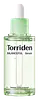
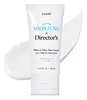
Torriden Balanceful Cica Serum Versus Etude House Soon Jung X Director's Mineral Filter Sun Cream SPF50+ PA++++
This calming serum is formulated around Panthenol and Centella Asiatica Extract to calm redness and strengthen the skin barrier.
This hybrid sunscreen covers the full UV range and blocks ~98% of UVB at SPF 50.

What's inside
What's inside
 Key Ingredients
Benefits
Concerns
Ingredients Side-by-side
Water
Skin ConditioningButylene Glycol
Humectant

Glycerin
Humectant
Dipropylene Glycol
Humectant1,2-Hexanediol
Skin Conditioning
Glycereth-26
Humectant
Panthenol
Skin Conditioning

Centella Asiatica Extract
Cleansing

Madecassic Acid
Skin Conditioning
Asiaticoside
Antioxidant
Asiatic Acid
Skin Conditioning
Madecassoside
Antioxidant
Allantoin
Skin Conditioning
Swertia Japonica Extract
Skin ConditioningNymphaea Caerulea Flower Extract
Skin ConditioningLactobacillus Ferment
Skin Conditioning
Althaea Rosea Flower Extract
Skin ConditioningSodium Hyaluronate
Humectant
Hydrolyzed Hyaluronic Acid
Humectant
Hyaluronic Acid
Humectant
Hydroxypropyltrimonium Hyaluronate
Potassium Hyaluronate
Skin ConditioningSodium Hyaluronate Crosspolymer
Humectant
Sodium Acetylated Hyaluronate
Humectant
Betaine
Humectant
Capryloyl Salicylic Acid
Exfoliating




Dipeptide-2
Skin Conditioning
Dipotassium Glycyrrhizate
Humectant
Pentylene Glycol
Skin Conditioning
Sodium Stearoyl Glutamate
CleansingPropanediol
Solvent
Isopentyldiol
Humectant
Glyceryl Acrylate/Acrylic Acid Copolymer
HumectantPvm/Ma Copolymer
Emulsion StabilisingCaproic Acid
Cleansing

Polyglyceryl-4 Oleate
Emulsifying

Sodium Surfactin
CleansingCarbomer
Emulsion StabilisingXanthan Gum
EmulsifyingTromethamine
BufferingSodium Acetate
BufferingMelia Azadirachta Leaf Extract
Skin ConditioningMelia Azadirachta Flower Extract
Skin ConditioningDisodium EDTA
Ethylhexylglycerin
Skin ConditioningWater, Butylene Glycol, Glycerin, Dipropylene Glycol, 1,2-Hexanediol, Glycereth-26, Panthenol, Centella Asiatica Extract, Madecassic Acid, Asiaticoside, Asiatic Acid, Madecassoside, Allantoin, Swertia Japonica Extract, Nymphaea Caerulea Flower Extract, Lactobacillus Ferment, Althaea Rosea Flower Extract, Sodium Hyaluronate, Hydrolyzed Hyaluronic Acid, Hyaluronic Acid, Hydroxypropyltrimonium Hyaluronate, Potassium Hyaluronate, Sodium Hyaluronate Crosspolymer, Sodium Acetylated Hyaluronate, Betaine, Capryloyl Salicylic Acid, Dipeptide-2, Dipotassium Glycyrrhizate, Pentylene Glycol, Sodium Stearoyl Glutamate, Propanediol, Isopentyldiol, Glyceryl Acrylate/Acrylic Acid Copolymer, Pvm/Ma Copolymer, Caproic Acid, Polyglyceryl-4 Oleate, Sodium Surfactin, Carbomer, Xanthan Gum, Tromethamine, Sodium Acetate, Melia Azadirachta Leaf Extract, Melia Azadirachta Flower Extract, Disodium EDTA, Ethylhexylglycerin
Water
Skin ConditioningIsononyl Isononanoate
EmollientZinc Oxide
Cosmetic Colorant

Propanediol
Solvent
C12-15 Alkyl Benzoate
AntimicrobialButyloctyl Salicylate
Skin Conditioning
Titanium Dioxide
Cosmetic Colorant
Silica
Abrasive
Hexyl Laurate
Emollient
Acrylates Copolymer
Isotridecyl Isononanoate
EmollientPolyglyceryl-4 Diisostearate/Polyhydroxystearate/Sebacate
Emulsifying
Polyglyceryl-2 Isostearate
Emulsifying
Polyglyceryl-2 Dipolyhydroxystearate
Skin Conditioning
Magnesium Sulfate
1,2-Hexanediol
Skin Conditioning
Disteardimonium Hectorite
StabilisingDimethicone Crosspolymer
Emulsion Stabilising
Vp/Hexadecene Copolymer
Coco-Caprylate/Caprate
Emollient
Polyhydroxystearic Acid
Emulsifying
Polyglyceryl-6 Polyricinoleate
Emulsifying
Sorbitan Sesquioleate
Emulsifying

Triethoxycaprylylsilane
Centella Asiatica Extract
Cleansing
Poly C10-30 Alkyl Acrylate
Emulsion StabilisingAluminum Hydroxide
EmollientSorbitan Isostearate
Emulsifying
Stearic Acid
Cleansing
Polyglyceryl-6 Polyhydroxystearate
Emulsifying
Pvp
Emulsion StabilisingCentella Asiatica Flower/Leaf/Stem Extract
Skin Conditioning
Polyglycerin-6
HumectantEthylhexylglycerin
Skin ConditioningTocopherol
Antioxidant

Ascorbyl Palmitate
Antioxidant
Panthenol
Skin Conditioning
Madecassoside
Antioxidant
Asiaticoside
Antioxidant
Centella Asiatica Leaf Extract
Skin Conditioning
Water, Isononyl Isononanoate, Zinc Oxide, Propanediol, C12-15 Alkyl Benzoate, Butyloctyl Salicylate, Titanium Dioxide, Silica, Hexyl Laurate, Acrylates Copolymer, Isotridecyl Isononanoate, Polyglyceryl-4 Diisostearate/Polyhydroxystearate/Sebacate, Polyglyceryl-2 Isostearate, Polyglyceryl-2 Dipolyhydroxystearate, Magnesium Sulfate, 1,2-Hexanediol, Disteardimonium Hectorite, Dimethicone Crosspolymer, Vp/Hexadecene Copolymer, Coco-Caprylate/Caprate, Polyhydroxystearic Acid, Polyglyceryl-6 Polyricinoleate, Sorbitan Sesquioleate, Triethoxycaprylylsilane, Centella Asiatica Extract, Poly C10-30 Alkyl Acrylate, Aluminum Hydroxide, Sorbitan Isostearate, Stearic Acid, Polyglyceryl-6 Polyhydroxystearate, Pvp, Centella Asiatica Flower/Leaf/Stem Extract, Polyglycerin-6, Ethylhexylglycerin, Tocopherol, Ascorbyl Palmitate, Panthenol, Madecassoside, Asiaticoside, Centella Asiatica Leaf Extract
Reviews
Ingredients Explained
These ingredients are found in both products.
Ingredients higher up in an ingredient list are typically present in a larger amount.
1,2-Hexanediol is a synthetic liquid and another multi-functional powerhouse.
It is a:
- Humectant, drawing moisture into the skin
- Emollient, helping to soften skin
- Solvent, dispersing and stabilizing formulas
- Preservative booster, enhancing the antimicrobial activity of other preservatives
Asiaticoside comes from the super popular skin-soothing ingredient, Centella asiatica. It's the reason centella-based products have a strong reputation for repairing and calming skin, along with its sibling compound Madecassoside.
Research from 2016-2025 supports its role in:
You'll usually find this in concentrations between 0.2-5%.
Learn more about AsiaticosideCentella Asiatica Extract (Centella) is one of the most researched botanical extracts in skincare with decades of studies backing its effects on inflammation, collagen, and the skin barrier.
That research keeps pointing back to the same four triterpenoid saponins: Asiaticoside, Madecassoside, Asiatic Acid, and Madecassic Acid.
These compounds allow centella to dial back inflammation, encourage the skin to build and hold onto collagen, support the barrier and hydration, and bring solid antioxidant activity to protect against signs of aging.
Centella also carries a nice supporting cast of Vitamin A, vitamin C, several B vitamins, and amino acids. Put it all together and you get an ingredient that soothes, hydrates, and protects, all at once.
Most of centella's magic comes from the four big compounds (Asiaticoside, Madecassoside, Asiatic Acid, and Madecassic Acid). These are the actives doing the heavy lifting in almost every centella study.
Here is the short version of what they do in the skin:
So it is not just soothing for the sake of soothing. Centella calms the skin AND helps it rebuild.
Just FYI, not all centella on an ingredient list is the same. What you are getting actually depends on the extract:
Fun fact on the ratios: the leaves tend to be richest in Madecassoside and Asiaticoside, and lower in the two acids. The exact amounts shift with where the plant is grown and how it is processed. This means purity really does vary brand to brand.
Centella is one of the most easygoing actives out there.
It layers well with basically everything: niacinamide, hyaluronic acid, peptides, and vitamin C, and also pairs nicely with stronger actives like retinoids and exfoliating acids where it can help take the edge off irritation.
On the safety side, centella and its triterpenes are classified as weak sensitizers, meaning allergic reactions are possible but uncommon.
Patch tests at 1% and 5% came back negative in test panels, and creams at typical use levels did not cause allergic reactions across large groups of people.
But as with any new active, a patch test is still a smart move for very reactive skin.
Centella is widely used because it is effective at low percentages. For context, human safety testing found no meaningful irritation from creams containing centella extract at everyday use levels (the tested amounts were well under 1%).
The irritancy threshold in animal testing was also above 30% (so real-world formulas sit far below anything concerning).
In collagen lab studies, higher concentrations drove more collagen synthesis, so serums built around centella tend to feature it more prominently.
Bottom line: you will find centella working nicely anywhere from a fraction of a percent up to hero-ingredient levels depending on whether it is a supporting soother or the main event.
Fun fact: Centella has been used as a medicine and in food for many centuries. As a medicine, it is used to treat burns, scratches, and wounds.
Learn more about Centella Asiatica ExtractEthylhexylglycerin is created from glycerin. It is a multitasker ingredient that:
The CIR Expert Panel found minimal skin absorption or sensitization of any kind in a safety assessment. Though this ingredient is considered well-tolerated, a small number of cases of allergic dermatitis have been published since 2002. Just be sure to patch test if you are unsure.
Industry-reported use ranges from 8% in rinse-off products and 2% in leave-on formulations.
Learn more about EthylhexylglycerinMadecassoside is one of four active compounds found in Centella asiatica and is one of the main reasons Centella is so effective at calming irritated skin and supporting the moisture barrier.
There's a solid body of peer-reviewed research backing Madecassoside for several skin benefits. Studies have found:
Madecassoside pairs well with other hydrating or antioxidant ingredients like Ascorbic Acid or Hyaluronic Acid.
Learn more about MadecassosidePanthenol is a common ingredient that helps hydrate and soothe the skin. It is found naturally in our skin and hair.
There are two forms of panthenol: D and L.
D-panthenol is also known as dexpanthenol. Most cosmetics use dexpanthenol or a mixture of D and L-panthenol.
Panthenol is famous due to its ability to go deeper into the skin's layers. Using this ingredient has numerous pros (and no cons):
Like hyaluronic acid, panthenol is a humectant. Humectants are able to bind and hold large amounts of water to keep skin hydrated.
This ingredient works well for wound healing. It works by increasing tissue in the wound and helps close open wounds.
Once oxidized, panthenol converts to pantothenic acid. Panthothenic acid is found in all living cells.
This ingredient is also referred to as pro-vitamin B5.
Learn more about PanthenolPropanediol is an all-star ingredient. It softens, hydrates, and smooths the skin.
It’s often used to:
Propanediol is not likely to cause sensitivity and considered safe to use. It is derived from corn or petroleum with a clear color and no scent.
Learn more about PropanediolWater. It's the most common cosmetic ingredient of all. You'll usually see it at the top of ingredient lists, meaning that it makes up the largest part of the product.
So why is it so popular? Water most often acts as a solvent - this means that it helps dissolve other ingredients into the formulation.
You'll also recognize water as that liquid we all need to stay alive. If you see this, drink a glass of water. Remember to stay hydrated!
Learn more about Water

