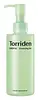
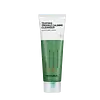
This mild gel cleanser is made to cleanse while calming and soothing your skin.

What's inside
What's inside
 Key Ingredients
Benefits
Concerns
Ingredients Side-by-side
Water
Skin ConditioningGlycerin
Humectant


Sodium Cocoyl Alaninate
Surfactant
Lauryl Glucoside
CleansingLauryl Hydroxysultaine
CleansingCoco-Betaine
Cleansing
Disodium Cocoamphodiacetate
CleansingCentella Asiatica Extract
Cleansing



Madecassoside
Antioxidant
Asiaticoside
Antioxidant
Asiatic Acid
Skin Conditioning
Madecassic Acid
Skin Conditioning
Panthenol
Skin Conditioning
Capryloyl Salicylic Acid
Exfoliating




Ceramide NP
Skin Conditioning
Allantoin
Skin Conditioning
Hamamelis Virginiana Extract
Antiseborrhoeic



Althaea Rosea Flower Extract
Skin ConditioningNymphaea Caerulea Flower Extract
Skin ConditioningSwertia Japonica Extract
Skin ConditioningLactobacillus Ferment
Skin Conditioning
Glycine Soja Seed Extract
Skin Conditioning
Quillaja Saponaria Bark Extract
CleansingAloe Ferox Leaf Extract
Skin ConditioningButylene Glycol
Humectant
Pentylene Glycol
Skin Conditioning
Hexylene Glycol
EmulsifyingCoco-Glucoside
Cleansing
Sodium Chloride
MaskingSodium Cocoyl Isethionate
Cleansing
Caprylyl Glycol
Emollient
Caprylic/Capric Triglyceride
Masking
Octanediol
Acrylates/C10-30 Alkyl Acrylate Crosspolymer
Emulsion StabilisingHydrogenated Lecithin
Emulsifying
Melia Azadirachta Leaf Extract
Skin ConditioningMelia Azadirachta Flower Extract
Skin ConditioningDipotassium Glycyrrhizate
Humectant
Citric Acid
Buffering

1,2-Hexanediol
Skin Conditioning
Rosmarinus Officinalis Leaf Oil
Masking
Ethylhexylglycerin
Skin ConditioningWater, Glycerin, Sodium Cocoyl Alaninate, Lauryl Glucoside, Lauryl Hydroxysultaine, Coco-Betaine, Disodium Cocoamphodiacetate, Centella Asiatica Extract, Madecassoside, Asiaticoside, Asiatic Acid, Madecassic Acid, Panthenol, Capryloyl Salicylic Acid, Ceramide NP, Allantoin, Hamamelis Virginiana Extract, Althaea Rosea Flower Extract, Nymphaea Caerulea Flower Extract, Swertia Japonica Extract, Lactobacillus Ferment, Glycine Soja Seed Extract, Quillaja Saponaria Bark Extract, Aloe Ferox Leaf Extract, Butylene Glycol, Pentylene Glycol, Hexylene Glycol, Coco-Glucoside, Sodium Chloride, Sodium Cocoyl Isethionate, Caprylyl Glycol, Caprylic/Capric Triglyceride, Octanediol, Acrylates/C10-30 Alkyl Acrylate Crosspolymer, Hydrogenated Lecithin, Melia Azadirachta Leaf Extract, Melia Azadirachta Flower Extract, Dipotassium Glycyrrhizate, Citric Acid, 1,2-Hexanediol, Rosmarinus Officinalis Leaf Oil, Ethylhexylglycerin
Water
Skin ConditioningGlycerin
Humectant
Myristic Acid
Cleansing

Stearic Acid
Cleansing
Lauric Acid
Cleansing
Potassium Hydroxide
BufferingButylene Glycol
Humectant
Glycol Distearate
Emollient
Glyceryl Stearate Se
Emulsifying
Sorbitan Olivate
Emulsifying
Beeswax
Emulsion Stabilising
Potassium Cocoyl Glycinate
Surfactant
Caprylyl Glycol
Emollient
Coco-Betaine
Cleansing
Melaleuca Alternifolia Leaf Oil
Antioxidant

Sodium Chloride
MaskingArtemisia Vulgaris Oil
Perfuming
Ethylhexylglycerin
Skin ConditioningLavandula Angustifolia Oil
Masking
Citric Acid
Buffering
Melaleuca Alternifolia Leaf Extract
Perfuming
Capryloyl Salicylic Acid
Exfoliating
1,2-Hexanediol
Skin Conditioning
Melaleuca Alternifolia Leaf Water
Antimicrobial
Mannitol
Humectant
Sodium Hyaluronate
Humectant
Kaolin
Abrasive
Papain
Skin Conditioning
Hydrolyzed Hyaluronic Acid
Humectant
Bromelain
Skin Conditioning
Lactobacillus Ferment
Skin Conditioning
Sodium Acetylated Hyaluronate
Humectant
Hydrogenated Lecithin
Emulsifying
Water, Glycerin, Myristic Acid, Stearic Acid, Lauric Acid, Potassium Hydroxide, Butylene Glycol, Glycol Distearate, Glyceryl Stearate Se, Sorbitan Olivate, Beeswax, Potassium Cocoyl Glycinate, Caprylyl Glycol, Coco-Betaine, Melaleuca Alternifolia Leaf Oil, Sodium Chloride, Artemisia Vulgaris Oil, Ethylhexylglycerin, Lavandula Angustifolia Oil, Citric Acid, Melaleuca Alternifolia Leaf Extract, Capryloyl Salicylic Acid, 1,2-Hexanediol, Melaleuca Alternifolia Leaf Water, Mannitol, Sodium Hyaluronate, Kaolin, Papain, Hydrolyzed Hyaluronic Acid, Bromelain, Lactobacillus Ferment, Sodium Acetylated Hyaluronate, Hydrogenated Lecithin
Reviews
Ingredients Explained
These ingredients are found in both products.
Ingredients higher up in an ingredient list are typically present in a larger amount.
1,2-Hexanediol is a synthetic liquid and another multi-functional powerhouse.
It is a:
- Humectant, drawing moisture into the skin
- Emollient, helping to soften skin
- Solvent, dispersing and stabilizing formulas
- Preservative booster, enhancing the antimicrobial activity of other preservatives
Butylene Glycol (or BG) is used within cosmetic products for a few different reasons:
Overall, Butylene Glycol is a safe and well-rounded ingredient that works well with other ingredients.
Though this ingredient works well with most skin types, some people with sensitive skin may experience a reaction such as allergic rashes, closed comedones, or itchiness.
Learn more about Butylene GlycolCapryloyl Salicylic Acid comes from salicylic acid, the famous acne-fighting BHA.
It usually goes by a more common name of LHA, or lipohydroxy acid.
Like salicylic acid, this ingredient is a chemical exfoliant that can help break down the oil in your pores and reduce inflammation.
Though studies for LHA do show it to be less effective than salicylic acid. To be fair, salicylic acid is the reigning monarch of acne treatments.
However, a study from 2009 found LHA to be comparable to BPO, making it a good alternative for people with sensitive skin. Another study of 14 patients found a significant decrease in comedones after using LHA.
Another pro of LHA? It is less irritating than salicylic acid due to its large molecule size.
Large molecules cannot penetrate skin as well, so they are gentler on the skin. LHA is much less penetrative than salicylic acid.
An in-vitro study (not done on a living organism) found only 6% of LHA penetrated past the statum corneum compared to 58% of salicylic acid. An in-vivo (done on a living organism) analysis revealed ~17% of LHA was still present in the top layer of skin after 4 days, versus ~9% of salicylic acid.
Interestingly, a study from 2008 found LHA comparable to another famous acid, glycolic acid.
This study found about 10% of LHA is as effective as 20-50% of glycolic acid in treating hyperpigmentation and fine-lines.
Hydroxy acids have been found to stimulate skin protein, lipids, and thermal thickening. This may have anti-aging benefits.
Learn more about Capryloyl Salicylic AcidCaprylyl Glycol is a humectant, skin conditioner, emollient, and preservative booster derived from either caprylic acid or synthetically created.
Typical use levels vary from 0.3-1% as a preservative booster and go up to 2% to condition skin.
Because it is not a free-fatty acid, this ingredient is fungal acne safe (there's nothing for Malassezia to feed on).
Learn more about Caprylyl GlycolCitric Acid is an alpha hydroxy acid (AHA) naturally found in citrus fruits like oranges, lemons, and limes.
Like other AHAs, citric acid can exfoliate skin by breaking down the bonds that hold dead skin cells together. This helps reveal smoother and brighter skin underneath.
However, this exfoliating effect only happens at high concentrations (20%) which can be hard to find in cosmetic products.
Due to this, citric acid is usually included in small amounts as a pH adjuster. This helps keep products slightly more acidic and compatible with skin's natural pH.
In skincare formulas, citric acid can:
While it can provide some skin benefits, research shows lactic acid and glycolic acid are generally more effective and less irritating exfoliants.
Most citric acid used in skincare today is made by fermenting sugars (usually from molasses). This synthetic version is identical to the natural citrus form but easier to stabilize and use in formulations.
Rosacea skin has a lower threshold for acids generally, with 62.5% of rosacea subjects in one study reacting to lactic acid in a sting test. This is why we mark citric acid as a potential rosacea trigger.
However, this ingredient shows up as a pH adjuster or chelator at roughly 0.1-1% in many products. These low levels are unlikely to be an issue for rosacea skin and becomes a potential trigger at exfoliating concentrations (20%). Because everybody's skin is unique, we recommend a patch test if you are unsure.
Learn more about Citric AcidCoco-Betaine is the natural version of Cocamidopropyl Betaine. It is often derived from coconuts.
Coco-Betaine is a surfactant, meaning it helps remove dirt and oil from the skin.
Ethylhexylglycerin is created from glycerin. It is a multitasker ingredient that:
The CIR Expert Panel found minimal skin absorption or sensitization of any kind in a safety assessment. Though this ingredient is considered well-tolerated, a small number of cases of allergic dermatitis have been published since 2002. Just be sure to patch test if you are unsure.
Industry-reported use ranges from 8% in rinse-off products and 2% in leave-on formulations.
Learn more about EthylhexylglycerinGlycerin (or glycerol) is a compound naturally found in your skin. It's a powerhouse humectant that pulls water into the stratum corneum.
Topically, glycerin does several things at once:
Your skin makes glycerin on its own (mostly from sebaceous oil breakdown) and shuttles it to your outermost layer of skin, or your epidermis, via aquaporin-3.
Aquaporin-3 is a transporter that is essential for normal skin hydration, elasticity, and repair. Interestingly, mice lacking in AQP3 have dry and less elastic skin that can be fully corrected with glycerin.
This ingredient is non-irritating, plays well with almost every ingredient, and works across all skin types. Typical use is anywhere between 3-10% but can go up to 79% in some leave-on products.
Just know very high concentrations (>40%) can feel tacky in low humidity.
Glycerin is the name for this ingredient in American English. British English uses Glycerol/Glycerine.
Learn more about GlycerinHydrogenated Lecithin is a more stable version of lecithin.
It's made by taking lecithin (a phospholipid commonly found in soybeans and egg yolks) and hydrogenating it. This just means the unsaturated fatty acids are turned into saturated ones so they don't go bad as easily.
This ingredient is an emollient, emulsifier, and penetration enhancer. As an emollient, it helps soften and hydrate skin by trapping moisture within. As an emulsifier, it prevents oil and water ingredients from separating.
Hydrogenated Lecithin can form tiny spherical structures made of phospholipid bilayers called liposomes. These liposomes are able to capture compounds inside their structure and deliver them through the skin barrier.
Because phospholipids are a natural component of our cell membranes, this ingredient is inherently compatible with skin.
A 2021 study found lecithin-based surfactants were less harsh and more tolerable comared to Sodium Lauryl Sulfate (SLS).
Learn more about Hydrogenated LecithinThis ingredient is made when the Lactobacillus bacteria (the same kind that makes yogurt and kimchi) are allowed to ferment a nutrient medium.
As it ferments, it collects lactic acid, peptides, enzymes, and other bioactive metabolites to provide:
A 2023 review noted that probiotic fermentation ingredients like this one can enhance antioxidant capacity, reduce UV-induced oxidative damage, and support barrier function.
One clinical study from the same year showed a Lactobacillus ferment lysate significantly reduced transepidermal water loss and improved skin hydration.
Another review highlighted that topical Lactobacillus-based preparations can improve ceramide levels in the stratum corneum, support barrier integrity, and even help reduce S. aureus colonization in atopic dermatitis.
Why is this so cool?
Basically, your skin's outer layer works as a brick wall; skin cells are bricks and ceramides are the mortar holding it together. Moisture escapes, irritants get in, and your skin gets dry and reactive when ceramide levels drop. On top of that, "bad" skin bacteria S. aureus loves to move in when your barrier is weak to make inflammation and irritation worse.
So Lactobacillus ferment is basically patching the wall and evicting the troublemaker when it boosts ceramide production and help keep S. aureus in check.
On top of all this, it also acts as a mild antimicrobial preservative booster.
Just so you know, most studies focus on specific strains or the lysate form rather than this generic "Lactobacillus Ferment", so results can vary.
Though it's a promising ingredient, it doesn't have decades of robust clinical data behind it just yet.
Lactobacillus Ferment is generally considered safe for fungal-acne prone skin. The key thing to understand is that it comes from bacteria, not yeast or fungus.
Yeast-derived ferments (like galactomyces) have been shown to activate a protein that's linked to Malassezia-related skin issues whereas lactobacillus doesn't have that problem.
Its byproducts also don't contain the types of fatty acids (C11-24 chain lengths) that Malassezia feeds on.
Learn more about Lactobacillus FermentChances are, you eat sodium chloride every day. Sodium Chloride is also known as table salt. This ingredient has many purposes in skincare: thickener, emulsifier, and exfoliator.
You'll most likely find this ingredient in cleansers where it is used to create a gel-like texture. As an emulsifier, it also prevents ingredients from separating.
You might see people debate whether Sodium Chloride is comedogenic, but there actually haven't been any comedogenic tests done on it. Either way, the overall formulation of a product matters a lot more than any single ingredient.
You might see this ingredient used in scrubs as a primary exfoliating ingredient.
Learn more about Sodium ChlorideWater. It's the most common cosmetic ingredient of all. You'll usually see it at the top of ingredient lists, meaning that it makes up the largest part of the product.
So why is it so popular? Water most often acts as a solvent - this means that it helps dissolve other ingredients into the formulation.
You'll also recognize water as that liquid we all need to stay alive. If you see this, drink a glass of water. Remember to stay hydrated!
Learn more about Water

