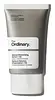
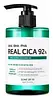
The Ordinary Natural Moisturizing Factors + HA Versus Some By Mi Aha Bha Pha Real Cica 92% Cool Calming Soothing Gel
This barrier-repair moisturizer is formulated around Sodium Hyaluronate and Arginine to strengthen the skin barrier and hydrate skin.
This calming moisturizer is formulated around Centella Asiatica Extract and Niacinamide to calm redness and refine skin texture.


What's inside
What's inside
 Key Ingredients
Benefits
Concerns
Ingredients Side-by-side
Water
Skin ConditioningCaprylic/Capric Triglyceride
Masking


Cetyl Alcohol
Emollient


Propanediol
Solvent
Stearyl Alcohol
Emollient
Glycerin
Humectant
Sodium Hyaluronate
Humectant


Arginine
Masking
Aspartic Acid
Masking
Glycine
Buffering
Alanine
Masking
Serine
Masking
Valine
MaskingIsoleucine
Skin ConditioningProline
Skin Conditioning
Threonine
Histidine
Humectant
Phenylalanine
Masking
Glucose
Humectant
Maltose
MaskingFructose
Humectant
Trehalose
Humectant
Sodium PCA
Humectant
PCA
Humectant
Sodium Lactate
Buffering
Urea
Buffering

Allantoin
Skin Conditioning
Linoleic Acid
Cleansing
Oleic Acid
Emollient


Phytosteryl Canola Glycerides
Skin Conditioning
Palmitic Acid
Emollient
Stearic Acid
Cleansing
Lecithin
Emollient
Triolein
Skin Conditioning
Tocopherol
Antioxidant


Carbomer
Emulsion StabilisingIsoceteth-20
EmulsifyingPolysorbate 60
Emulsifying
Sodium Chloride
MaskingCitric Acid
Buffering
Trisodium Ethylenediamine Disuccinate
ChelatingPentylene Glycol
Skin Conditioning
Triethanolamine
BufferingSodium Hydroxide
BufferingPhenoxyethanol
Preservative
Chlorphenesin
Antimicrobial
Water, Caprylic/Capric Triglyceride, Cetyl Alcohol, Propanediol, Stearyl Alcohol, Glycerin, Sodium Hyaluronate, Arginine, Aspartic Acid, Glycine, Alanine, Serine, Valine, Isoleucine, Proline, Threonine, Histidine, Phenylalanine, Glucose, Maltose, Fructose, Trehalose, Sodium PCA, PCA, Sodium Lactate, Urea, Allantoin, Linoleic Acid, Oleic Acid, Phytosteryl Canola Glycerides, Palmitic Acid, Stearic Acid, Lecithin, Triolein, Tocopherol, Carbomer, Isoceteth-20, Polysorbate 60, Sodium Chloride, Citric Acid, Trisodium Ethylenediamine Disuccinate, Pentylene Glycol, Triethanolamine, Sodium Hydroxide, Phenoxyethanol, Chlorphenesin
Centella Asiatica Extract 92%
Cleansing
Water
Skin ConditioningNiacinamide
Smoothing



Dipropylene Glycol
HumectantHydroxyethyl Urea
Humectant
Melaleuca Alternifolia Leaf Water
Antimicrobial
Artemisia Princeps Leaf Extract
Skin ConditioningMelia Azadirachta Leaf Extract
Skin ConditioningMelia Azadirachta Flower Extract
Skin ConditioningEclipta Prostrata Extract
Skin Conditioning
Ocimum Sanctum Leaf Extract
Skin ConditioningCorallina Officinalis Extract
Skin Conditioning
Helianthus Annuus Seed Oil
Emollient
Sodium Hyaluronate
Humectant
Hydrolyzed Hyaluronic Acid
Humectant
Sodium Acetylated Hyaluronate
Humectant
Madecassic Acid
Skin Conditioning
Asiaticoside
Antioxidant
Asiatic Acid
Skin Conditioning
Madecassoside
Antioxidant
Allantoin
Skin Conditioning
Arginine
Masking
Adenosine
Skin Conditioning
Salicylic Acid
Masking


Lactobionic Acid
Buffering
Citric Acid
Buffering
C12-13 Pareth-9
EmulsifyingCarbomer
Emulsion Stabilising1,2-Hexanediol
Skin Conditioning
Benzyl Glycol
SolventEthylhexylglycerin
Skin ConditioningRaspberry Ketone
Masking

Rosmarinus Officinalis Leaf Oil
Masking
Centella Asiatica Extract 92%, Water, Niacinamide, Dipropylene Glycol, Hydroxyethyl Urea, Melaleuca Alternifolia Leaf Water, Artemisia Princeps Leaf Extract, Melia Azadirachta Leaf Extract, Melia Azadirachta Flower Extract, Eclipta Prostrata Extract, Ocimum Sanctum Leaf Extract, Corallina Officinalis Extract, Helianthus Annuus Seed Oil, Sodium Hyaluronate, Hydrolyzed Hyaluronic Acid, Sodium Acetylated Hyaluronate, Madecassic Acid, Asiaticoside, Asiatic Acid, Madecassoside, Allantoin, Arginine, Adenosine, Salicylic Acid, Lactobionic Acid, Citric Acid, C12-13 Pareth-9, Carbomer, 1,2-Hexanediol, Benzyl Glycol, Ethylhexylglycerin, Raspberry Ketone, Rosmarinus Officinalis Leaf Oil
Reviews
Ingredients Explained
These ingredients are found in both products.
Ingredients higher up in an ingredient list are typically present in a larger amount.
Allantoin is a soothing ingredient known for its protective and moisturizing properties; it's basically a quiet workhorse ingredient you can find in a huge range of cosmetics.
Though it can be derived from the comfrey plant, allantoin is produced synthetically for cosmetic products to ensure purity.
Research shows it can encourage your skin cells to turn over and renew by stimulating keratinocyte and fibroblast proliferation.
It also has mild keratolytic properties to help loosen and shed dead skin cells without being harsh.
Studies also suggest allantoin can help calm inflammation by dialing down some of the chemical signals your skin sends out when it is irritated.
This ingredient is typically used in the 0.1-0.5% range, and the FDA recognizes it as a skin protectant in OTC products up to 2%.
Overall, allantoin is a wonderful addition to most routines; it is stable across a wide pH range (~4-8), works well with other ingredients, and is considered non-sensitizing/non-irritating.
Fun fact: Allantoin is naturally occurring in comfrey root, beets, chamomile, and wheat sprouts. Our bodies even produce it as a byproduct of uric acid metabolism.
Learn more about AllantoinArginine is a semi-essential amino acid. This just means our bodies can product a bit on its own, but sometimes needs a little boost from food sources.
It is a part of your skin's natural moisturizing factor (NMF), or the water-loving molecules in your outermost layer of skin (stratum corneum) that keeps everything hydrated and happy.
Here's an interesting thing about Arginine: your skin converts it into urea through the Krebs-Henseleit urea cycle. Urea is one of the most effective humectants your skin naturally produces.
A clinical study showed applying 2.5% arginine hydrochloride to atopic dermatitis skin showed significant urea levels in the stratum corneum and improved moisture in just four weeks.
Arginine is also a precursor to nitric oxide; nitric oxide improves microcirculation and supports wound healing and collagen synthesis.
One study found that an amino acid complex containing Arginine reduced skin irritation, improved hydration, and accelerated skin repair in clinical / in-vivo studies.
Arginine itself is an amino acid and not a fatty acid, oil, or ester. On its own, it's not a direct food source for Malassezia, or the yeast that causes fungal acne.
Learn more about ArginineCarbomer is a synthetic thickening and gelling agent. It's basically the ingredient that gives a lot of serums, gels, creams, and sunscreens their smooth, non-sticky texture.
Although legally permitted at very high levels, carbomers are normally used at concentrations below 1%.
It also needs to be neutralized to actually thicken, and because it is a large molecule, it doesn't really penetrate the skin barrier.
Allergy-wise, the risk is very low. Clinical studies show carbomers have low potential for skin irritation/sensitization even at concentrations up to 100%.
A 2024 UK study patch-tested 1,302 patients and found true allergy to the parent group of carbomer to be rare with no confirmed relevant reactions.
Learn more about CarbomerCitric Acid is an alpha hydroxy acid (AHA) naturally found in citrus fruits like oranges, lemons, and limes.
Like other AHAs, citric acid can exfoliate skin by breaking down the bonds that hold dead skin cells together. This helps reveal smoother and brighter skin underneath.
However, this exfoliating effect only happens at high concentrations (20%) which can be hard to find in cosmetic products.
Due to this, citric acid is usually included in small amounts as a pH adjuster. This helps keep products slightly more acidic and compatible with skin's natural pH.
In skincare formulas, citric acid can:
While it can provide some skin benefits, research shows lactic acid and glycolic acid are generally more effective and less irritating exfoliants.
Most citric acid used in skincare today is made by fermenting sugars (usually from molasses). This synthetic version is identical to the natural citrus form but easier to stabilize and use in formulations.
Rosacea skin has a lower threshold for acids generally, with 62.5% of rosacea subjects in one study reacting to lactic acid in a sting test. This is why we mark citric acid as a potential rosacea trigger.
However, this ingredient shows up as a pH adjuster or chelator at roughly 0.1-1% in many products. These low levels are unlikely to be an issue for rosacea skin and becomes a potential trigger at exfoliating concentrations (20%). Because everybody's skin is unique, we recommend a patch test if you are unsure.
Learn more about Citric AcidSodium Hyaluronate is the salt form of hyaluronic acid. It is a long sugar chain that is naturally found in your skin, joints, and connective tissue that maintains hydration and elasticity.
In skincare, it works as a humectant. It pulls water from the environment and deeper layers of skin and binds it to the surface.
Interestingly, the size of the molecule affects its behavior:
Some clinical evidence links low molecular weight versions to improved wrinkle depth, elasticity, anti-inflammatory effects, and barrier repair.
Many serums use a blend of both weights so you can get surface hydration plus longer-lasting and deeper effects.
You'll typically see concentrations between 0.1-2% for this ingredient.
Learn more about Sodium HyaluronateWater. It's the most common cosmetic ingredient of all. You'll usually see it at the top of ingredient lists, meaning that it makes up the largest part of the product.
So why is it so popular? Water most often acts as a solvent - this means that it helps dissolve other ingredients into the formulation.
You'll also recognize water as that liquid we all need to stay alive. If you see this, drink a glass of water. Remember to stay hydrated!
Learn more about Water

