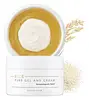
This brightening moisturizer is formulated around Oryza Sativa Extract and Niacinamide to brighten dull-looking skin and hydrate skin.
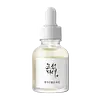
This brightening serum is formulated around Alpha-Arbutin and Niacinamide to fade the look of dark spots and brighten dull-looking skin.

What's inside
What's inside
 Key Ingredients
Benefits
Concerns
Ingredients Side-by-side
Water
Skin ConditioningOryza Sativa Extract
Absorbent



Glycerin
Humectant

Caprylic/Capric Triglyceride
Masking
Hydrogenated Polydecene
EmollientNiacinamide
Smoothing






Phenyl Trimethicone
Skin Conditioning
Betaine
Humectant
1,2-Hexanediol
Skin Conditioning
Polyglyceryl-3 Methylglucose Distearate
Emulsifying

Laminaria Japonica Extract
Skin Protecting
Eclipta Prostrata Leaf Extract
Skin ConditioningCentella Asiatica Extract
Cleansing
Ficus Carica Fruit Extract
Humectant
Acmella Oleracea Extract
Skin ProtectingPhellodendron Amurense Bark Extract
Skin ConditioningMelia Azadirachta Flower Extract
Skin ConditioningMelia Azadirachta Leaf Extract
Skin ConditioningCurcuma Longa Root Extract
Antioxidant

Ocimum Sanctum Leaf Extract
Skin ConditioningTheobroma Cacao Seed Extract
Antioxidant
Corallina Officinalis Extract
Skin Conditioning

Camellia Sinensis Leaf Extract
Antimicrobial
Vigna Radiata Seed Extract
Skin ConditioningLeucojum Aestivum Bulb Extract
Skin ProtectingDiospyros Kaki Leaf Extract
Skin Protecting
Macadamia Integrifolia Seed Oil
Skin Conditioning
Hydrogenated Lecithin
Emulsifying
Sodium Hyaluronate
Humectant
Cyclohexasiloxane
Emollient
Cetyl Alcohol
Emollient
Ammonium Acryloyldimethyltaurate/Vp Copolymer
Methylpropanediol
SolventGlyceryl Polymethacrylate
Glyceryl Stearate
Emollient
Behenyl Alcohol
Emollient
Trehalose
Humectant
Pentaerythrityl Distearate
Emulsifying
Polyglyceryl-10 Laurate
Skin Conditioning
Octyldodeceth-16
EmulsifyingSodium Stearoyl Glutamate
CleansingAcrylates/C10-30 Alkyl Acrylate Crosspolymer
Emulsion StabilisingGlyceryl Caprylate
EmollientFructooligosaccharides
Humectant
Disodium EDTA
ChelatingCellulose Gum
Emulsion StabilisingBeta-Glucan
Skin Conditioning
Butylene Glycol
Humectant
Hydrolyzed Hyaluronic Acid
Humectant
Dextrin
AbsorbentCeramide NP
Skin Conditioning
Pentylene Glycol
Skin Conditioning
Ethylhexylglycerin
Skin ConditioningHydroxyacetophenone
Antioxidant
Water, Oryza Sativa Extract, Glycerin, Caprylic/Capric Triglyceride, Hydrogenated Polydecene, Niacinamide, Phenyl Trimethicone, Betaine, 1,2-Hexanediol, Polyglyceryl-3 Methylglucose Distearate, Laminaria Japonica Extract, Eclipta Prostrata Leaf Extract, Centella Asiatica Extract, Ficus Carica Fruit Extract, Acmella Oleracea Extract, Phellodendron Amurense Bark Extract, Melia Azadirachta Flower Extract, Melia Azadirachta Leaf Extract, Curcuma Longa Root Extract, Ocimum Sanctum Leaf Extract, Theobroma Cacao Seed Extract, Corallina Officinalis Extract, Camellia Sinensis Leaf Extract, Vigna Radiata Seed Extract, Leucojum Aestivum Bulb Extract, Diospyros Kaki Leaf Extract, Macadamia Integrifolia Seed Oil, Hydrogenated Lecithin, Sodium Hyaluronate, Cyclohexasiloxane, Cetyl Alcohol, Ammonium Acryloyldimethyltaurate/Vp Copolymer, Methylpropanediol, Glyceryl Polymethacrylate, Glyceryl Stearate, Behenyl Alcohol, Trehalose, Pentaerythrityl Distearate, Polyglyceryl-10 Laurate, Octyldodeceth-16, Sodium Stearoyl Glutamate, Acrylates/C10-30 Alkyl Acrylate Crosspolymer, Glyceryl Caprylate, Fructooligosaccharides, Disodium EDTA, Cellulose Gum, Beta-Glucan, Butylene Glycol, Hydrolyzed Hyaluronic Acid, Dextrin, Ceramide NP, Pentylene Glycol, Ethylhexylglycerin, Hydroxyacetophenone
Oryza Sativa Bran Water 68.6%
Masking
Water
Skin ConditioningGlycerin
Humectant
Butylene Glycol
Humectant
1,2-Hexanediol
Skin Conditioning
Dipropylene Glycol
HumectantAlpha-Arbutin 2%
Antioxidant
Niacinamide
Smoothing
Methyl Gluceth-20
Humectant
Panthenol
Skin Conditioning
Polyglycerin-3
Humectant
Trehalose
Humectant
Glyceryl Glucoside
Humectant
Hydrolyzed Jojoba Esters
Skin Conditioning
Hydroxyethyl Acrylate/Sodium Acryloyldimethyl Taurate Copolymer
Emulsion StabilisingEthylhexylglycerin
Skin ConditioningHydroxyethylcellulose
Emulsion StabilisingXanthan Gum
EmulsifyingAcrylates/C10-30 Alkyl Acrylate Crosspolymer
Emulsion StabilisingArginine
Masking
Disodium EDTA
ChelatingCoptis Japonica Root Extract
Skin ConditioningSorbitan Isostearate
Emulsifying
Glucose
Humectant
Coix Lacryma-Jobi Ma-Yuen Seed Extract
Skin ConditioningGlycine Soja Seed Extract
Skin Conditioning
Hordeum Distichon Extract
Skin ProtectingOryza Sativa Extract
Absorbent
Sesamum Indicum Seed Extract
Skin Conditioning
Triticum Vulgare Seed Extract
BufferingVigna Radiata Seed Extract
Skin ConditioningZea Mays Kernel Extract
Oryza Sativa Bran Water 68.6%, Water, Glycerin, Butylene Glycol, 1,2-Hexanediol, Dipropylene Glycol, Alpha-Arbutin 2%, Niacinamide, Methyl Gluceth-20, Panthenol, Polyglycerin-3, Trehalose, Glyceryl Glucoside, Hydrolyzed Jojoba Esters, Hydroxyethyl Acrylate/Sodium Acryloyldimethyl Taurate Copolymer, Ethylhexylglycerin, Hydroxyethylcellulose, Xanthan Gum, Acrylates/C10-30 Alkyl Acrylate Crosspolymer, Arginine, Disodium EDTA, Coptis Japonica Root Extract, Sorbitan Isostearate, Glucose, Coix Lacryma-Jobi Ma-Yuen Seed Extract, Glycine Soja Seed Extract, Hordeum Distichon Extract, Oryza Sativa Extract, Sesamum Indicum Seed Extract, Triticum Vulgare Seed Extract, Vigna Radiata Seed Extract, Zea Mays Kernel Extract
Reviews
Ingredients Explained
These ingredients are found in both products.
Ingredients higher up in an ingredient list are typically present in a larger amount.
1,2-Hexanediol is a synthetic liquid and another multi-functional powerhouse.
It is a:
- Humectant, drawing moisture into the skin
- Emollient, helping to soften skin
- Solvent, dispersing and stabilizing formulas
- Preservative booster, enhancing the antimicrobial activity of other preservatives
Acrylates/C10-30 Alkyl Acrylate Crosspolymer is a synthetic polymer. It is used to thicken, emulsify, and improve the texture of products.
As an emulsifier, it helps stabilize oil-in-water emulsions to give products an elegant feel when applied.
It can also form a thin protective film on skin. One study found that a formula using this polymer helped slow down how quickly other ingredients (like DEET) were absorbed through skin.
A 2024 study of over 1,300 patients confirmed that sensitization to this ingredient is rare. It is also non-mutagenic and has a clean track record.
Learn more about Acrylates/C10-30 Alkyl Acrylate CrosspolymerButylene Glycol (or BG) is used within cosmetic products for a few different reasons:
Overall, Butylene Glycol is a safe and well-rounded ingredient that works well with other ingredients.
Though this ingredient works well with most skin types, some people with sensitive skin may experience a reaction such as allergic rashes, closed comedones, or itchiness.
Learn more about Butylene GlycolDisodium EDTA is a chelating agent. It grabs onto and deactivates metal ions that sneak into your products from water, packaging, or air.
This ingredient mainly works behind the scenes and helps with:
On top of that, this ingredient can counteract the effects of hard water by binding to the minerals in it.
One thing worth knowing is that Disodium EDTA has been shown to be a mild penetration enhancer. It can help other ingredients absorb into skin more effectively which can be a double-edged sword (great for actives, but can also make the active too strong if you have sensitive skin).
Clinical patch testing showed no significant skin irritation at typical use concentrations and minimal dermal absorption.
You'll most likely see this ingredient near the end of an ingredient list. It's typically found in concentrations less than 1%.
Learn more about Disodium EDTAEthylhexylglycerin is created from glycerin. It is a multitasker ingredient that:
The CIR Expert Panel found minimal skin absorption or sensitization of any kind in a safety assessment. Though this ingredient is considered well-tolerated, a small number of cases of allergic dermatitis have been published since 2002. Just be sure to patch test if you are unsure.
Industry-reported use ranges from 8% in rinse-off products and 2% in leave-on formulations.
Learn more about EthylhexylglycerinGlycerin (or glycerol) is a compound naturally found in your skin. It's a powerhouse humectant that pulls water into the stratum corneum.
Topically, glycerin does several things at once:
Your skin makes glycerin on its own (mostly from sebaceous oil breakdown) and shuttles it to your outermost layer of skin, or your epidermis, via aquaporin-3.
Aquaporin-3 is a transporter that is essential for normal skin hydration, elasticity, and repair. Interestingly, mice lacking in AQP3 have dry and less elastic skin that can be fully corrected with glycerin.
This ingredient is non-irritating, plays well with almost every ingredient, and works across all skin types. Typical use is anywhere between 3-10% but can go up to 79% in some leave-on products.
Just know very high concentrations (>40%) can feel tacky in low humidity.
Glycerin is the name for this ingredient in American English. British English uses Glycerol/Glycerine.
Learn more about GlycerinNiacinamide is a multitasking form of vitamin B3 that strengthens the skin barrier, reduces pores and dark spots, regulates oil, and improves signs of aging.
And the best part? It's gentle and well-tolerated by most skin types, including sensitive and reactive skin.
You might have heard of "niacin flush", or the reddening of skin that causes itchiness. Niacinamide has not been found to cause this.
In very rare cases, some individuals may not be able to tolerate niacinamide at all or experience an allergic reaction to it.
If you are experiencing flaking, irritation, and dryness with this ingredient, be sure to double check all your products as this ingredient can be found in all categories of skincare.
When incorporating niacinamide into your routine, look out for concentration amounts. Typically, 5% niacinamide provides benefits such as fading dark spots. However, if you have sensitive skin, it is better to begin with a smaller concentration.
When you apply niacinamide to your skin, your body converts it into nicotinamide adenine dinucleotide (NAD). NAD is an essential coenzyme that is already found in your cells as "fuel" and powers countless biological processes.
In your skin, NAD helps repair cell damage, produce new healthy cells, support collagen production, strengthen the skin barrier, and fight environmental stressors (like UV and pollution).
Our natural NAD levels start to decline with age, leading to slower skin repair, visible aging, and a weaker skin barrier. By providing your skin niacinamide, you're recharging your skin's NAD levels. This leads to stronger, healthier, and younger looking skin.
Another name for vitamin B3 is nicotinamide. This vitamin is water-soluble and our bodies don't store it. We obtain Vitamin B3 from either food or skincare. Meat, fish, wheat, yeast, and leafy greens contain vitamin B3.
The type of niacinamide used in skincare is synthetically created.
Learn more about NiacinamideOryza Sativa Extract comes from the rice grain, Oryza sativa. Rice extract has wound healing, antioxidant, anti-inflammatory, and hydrating properties.
Rice grains contain numerous antioxidants which may help with anti-aging, such as vitamin E. Antioxidants help stabilize free-radical molecules. Unstable free-radical molecules may damage your skin cells and accelerate signs of aging.
A study from 2002 found rice to help increase the rate of wound healing. The same study found an improvement of skin barrier function in the patients after taking rice baths.
Numerous in-vitro studies have found rice water to help decrease sun damage by increasing collagen production and inhibiting the process of tyrosinase.
Long story short- tyrosinase is an enzyme that controls melanin production. Our bodies start producing melanin (AKA tanning) when exposed to UV radiation to protect against damage. Rice water is found to partially block this process.
Though more research is needed on rice's ability to help with UV protection, recent studies seem promising.
Wondering why rice is hydrating? The protein in rice have emollient properties. Emollients create a barrier on the skin to trap moisture in, keeping your skin moisturized.
Some rice extract may have mildly-exfoliating properties. These are mainly limited to Oryza Sativa (Rice) Bran and Oryza Sativa (Rice) Germ Powder.
This rice was first cultivated in China over 10,000 years ago. Many cultures throughout Asia have used rice water on skin and hair for centuries.
Learn more about Oryza Sativa ExtractTrehalose is a disaccharide made of two glucose molecules (glucose is sugar!). Trehalose is used to help moisturize skin. It also has antioxidant properties.
As a humectant, trehalose helps draw moisture from the air to your skin. This helps keep your skin hydrated.
Due to its antioxidant properties, trehalose may help with signs of aging. Antioxidants help fight free-radical molecules, unstable molecules that may damage your skin.
In medicine, trehalose and hyaluronic acid are used to help treat dry eyes.
Some animals, plants, and bacteria create trehalose as a source of energy to survive freeze or lack of water.
Learn more about TrehaloseVigna Radiata Seed Extract is also known as mung bean extract. It's a plant-derived ingredient with skin conditioning properties.
The seeds and sprouts are naturally rich in phenolic acids and flavonoids that give the extract solid free-radical scavenging activity.
Interestingly, it has some brightening research behind it too; the purified fraction of sprouted mung bean extract was better than arbutin at reducing melanin production in cells. Sprouted extracts also blocked tyrosinase (the enzyme that triggers pigment production) and this effect is mostly credited to a compound called vitexin.
In a separate study, researchers packaged mung been seed coat extract into tiny delivery particles called niosomes (similar idea to liposomes) and found it protected skin cells from UV damage in lab testing + boosted collagen production.
Another study tested creams with 10-25% mung bean seed coat extract and the version with the highest amount (25%) had the strongest antioxidant activity.
It's worth noting most of this evidence is in-vitro and early-stage formulation work rather than the large clinical trials on humans.
Learn more about Vigna Radiata Seed ExtractWater. It's the most common cosmetic ingredient of all. You'll usually see it at the top of ingredient lists, meaning that it makes up the largest part of the product.
So why is it so popular? Water most often acts as a solvent - this means that it helps dissolve other ingredients into the formulation.
You'll also recognize water as that liquid we all need to stay alive. If you see this, drink a glass of water. Remember to stay hydrated!
Learn more about Water

