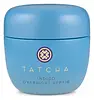
This barrier-repair night moisturizer is formulated around Camellia Sinensis Leaf and Ceramide Ng to strengthen the skin barrier and calm redness.
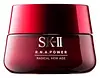
This anti-aging moisturizer is formulated around Galactomyces Ferment Filtrate and Niacinamide to soften the look of wrinkles and strengthen the skin barrier.


What's inside
What's inside
 Key Ingredients
Benefits
Concerns
Ingredients Side-by-side
Water
Skin ConditioningDimethicone
Emollient

Diglycerin
Humectant
Camellia Sinensis Leaf
Perfuming




Glycerin
Humectant
Diphenylsiloxy Phenyl Trimethicone
Skin Conditioning
Neopentyl Glycol Diethylhexanoate
Emollient
Butylene Glycol
Humectant
Diisostearyl Malate
EmollientPEG-10 Dimethicone
Skin Conditioning
Propanediol
Solvent
Disteardimonium Hectorite
StabilisingOphiopogon Japonicus Root Extract
Skin ConditioningIndigofera Tinctoria Leaf Extract
Skin ConditioningCeramide Ng
Skin Conditioning
Palmitic Acid
Emollient




Linoleic Acid
Cleansing
Sodium Hyaluronate
Humectant
Polygonum Tinctorium Leaf/Stem Extract
Skin ConditioningCetyl Alcohol
Emollient

Sucrose Stearate
EmollientSucrose Palmitate
EmollientMaltodextrin
Absorbent
Sargassum Vulgare Extract
Skin ConditioningSaccharomyces Ferment Filtrate
Humectant
Hydrolyzed Lagenaria Siceraria Fruit Juice
Skin ConditioningSalvia Miltiorrhiza Root Extract
Skin ConditioningTocopherol
Antioxidant


Lauryl PEG-9 Polydimethylsiloxyethyl Dimethicone
Skin Conditioning
Magnesium Sulfate
Hydrogenated Lecithin
Emulsifying
Phytosterols
Skin Conditioning
Ethylhexylglycerin
Skin ConditioningPhenoxyethanol
Preservative
Mica
Cosmetic ColorantCI 77891
Cosmetic ColorantWater, Dimethicone, Diglycerin, Camellia Sinensis Leaf, Glycerin, Diphenylsiloxy Phenyl Trimethicone, Neopentyl Glycol Diethylhexanoate, Butylene Glycol, Diisostearyl Malate, PEG-10 Dimethicone, Propanediol, Disteardimonium Hectorite, Ophiopogon Japonicus Root Extract, Indigofera Tinctoria Leaf Extract, Ceramide Ng, Palmitic Acid, Linoleic Acid, Sodium Hyaluronate, Polygonum Tinctorium Leaf/Stem Extract, Cetyl Alcohol, Sucrose Stearate, Sucrose Palmitate, Maltodextrin, Sargassum Vulgare Extract, Saccharomyces Ferment Filtrate, Hydrolyzed Lagenaria Siceraria Fruit Juice, Salvia Miltiorrhiza Root Extract, Tocopherol, Lauryl PEG-9 Polydimethylsiloxyethyl Dimethicone, Magnesium Sulfate, Hydrogenated Lecithin, Phytosterols, Ethylhexylglycerin, Phenoxyethanol, Mica, CI 77891
Water
Skin ConditioningGlycerin
Humectant
Galactomyces Ferment Filtrate
Humectant
Isohexadecane
EmollientNiacinamide
Smoothing



Isopropyl Isostearate
Emollient
Butylene Glycol
Humectant
Butyrospermum Parkii Butter
Skin Conditioning
Caprylic/Capric Triglyceride
Masking
Pentylene Glycol
Skin Conditioning
Dimethicone
Emollient
Phytosteryl/Behenyl/Octyldodecyl Lauroyl Glutamate
Skin ConditioningVinyl Dimethicone/Methicone Silsesquioxane Crosspolymer
Stearyl Alcohol
Emollient
Sodium Acrylate/Sodium Acryloyldimethyl Taurate Copolymer
Emulsion StabilisingCetyl Alcohol
Emollient
Behenyl Alcohol
Emollient
Panthenol
Skin Conditioning
Tocopheryl Acetate
Antioxidant
Benzyl Alcohol
Perfuming



Dimethiconol
Emollient
Cetearyl Alcohol
Emollient
Cetearyl Glucoside
Emulsifying
Methylparaben
Preservative

PEG-100 Stearate
Surfactant
Polymethylsilsesquioxane
Polysorbate 80
Emulsifying
Stearic Acid
Cleansing
Disodium EDTA
ChelatingPropylparaben
Preservative
Sodium PEG-7 Olive Oil Carboxylate
Emulsifying
Ethylparaben
Preservative
Sorbitan Oleate
Emulsifying
Chlorella Vulgaris Extract
Skin ConditioningPEG-7 Glyceryl Cocoate
Emulsifying
Sodium Hydroxide
BufferingParfum
Masking
Acanthopanax Senticosus Root Extract
Skin ConditioningHydrolyzed Soy Protein
Humectant
Cynara Scolymus Leaf Extract
Skin ConditioningPolyquaternium-7
Hydrolyzed Yeast Protein
Skin ConditioningPalmitoyl Pentapeptide-4
Skin Conditioning
Methylsilanol Tri-PEG-8 Glyceryl Cocoate
Emulsifying
Methicone
Emollient
CI 77891
Cosmetic ColorantCI 77492
Cosmetic ColorantWater, Glycerin, Galactomyces Ferment Filtrate, Isohexadecane, Niacinamide, Isopropyl Isostearate, Butylene Glycol, Butyrospermum Parkii Butter, Caprylic/Capric Triglyceride, Pentylene Glycol, Dimethicone, Phytosteryl/Behenyl/Octyldodecyl Lauroyl Glutamate, Vinyl Dimethicone/Methicone Silsesquioxane Crosspolymer, Stearyl Alcohol, Sodium Acrylate/Sodium Acryloyldimethyl Taurate Copolymer, Cetyl Alcohol, Behenyl Alcohol, Panthenol, Tocopheryl Acetate, Benzyl Alcohol, Dimethiconol, Cetearyl Alcohol, Cetearyl Glucoside, Methylparaben, PEG-100 Stearate, Polymethylsilsesquioxane, Polysorbate 80, Stearic Acid, Disodium EDTA, Propylparaben, Sodium PEG-7 Olive Oil Carboxylate, Ethylparaben, Sorbitan Oleate, Chlorella Vulgaris Extract, PEG-7 Glyceryl Cocoate, Sodium Hydroxide, Parfum, Acanthopanax Senticosus Root Extract, Hydrolyzed Soy Protein, Cynara Scolymus Leaf Extract, Polyquaternium-7, Hydrolyzed Yeast Protein, Palmitoyl Pentapeptide-4, Methylsilanol Tri-PEG-8 Glyceryl Cocoate, Methicone, CI 77891, CI 77492
Reviews
Ingredients Explained
These ingredients are found in both products.
Ingredients higher up in an ingredient list are typically present in a larger amount.
Butylene Glycol (or BG) is used within cosmetic products for a few different reasons:
Overall, Butylene Glycol is a safe and well-rounded ingredient that works well with other ingredients.
Though this ingredient works well with most skin types, some people with sensitive skin may experience a reaction such as allergic rashes, closed comedones, or itchiness.
Learn more about Butylene GlycolCetyl Alcohol is a fatty alcohol. Fatty Alcohols are most often used as an emollient or to thicken a product.
Its main roles are:
Though it has "alcohol" in the name, it is not related to denatured alcohol or ethyl alcohol.
The FDA allows products labeled "alcohol-free" to have fatty alcohols.
This ingredient may not be fungal acne safe. It is a primary fatty alcohol with a chain length above 12 carbons. A study from 2019 show Malassezia can feed on fatty alcohols in this range, so it may trigger fungal acne in those prone to it.
Learn more about Cetyl AlcoholCi 77891 is a white pigment from Titanium dioxide. It is naturally found in minerals such as rutile and ilmenite.
It's main function is to add a white color to cosmetics. It can also be mixed with other colors to create different shades.
Ci 77891 is commonly found in sunscreens due to its ability to block UV rays.
Learn more about CI 77891Dimethicone is a type of synthetic silicone created from natural materials such as quartz. It is also known as polydimethylsiloxane.
What it does:
Dimethicone comes in different viscosities:
Depending on the viscosity, dimethicone has different properties.
Ingredients lists don't always show which type is used, so we recommend reaching out to the brand if you have questions about the viscosity.
This ingredient is unlikely to cause irritation because it does not get absorbed into skin. However, people with silicone allergies should be careful about using this ingredient.
Note: Dimethicone may contribute to pilling. This is because it is not oil or water soluble, so pilling may occur when layered with products. When mixed with heavy oils in a formula, the outcome is also quite greasy.
Learn more about DimethiconeGlycerin (or glycerol) is a compound naturally found in your skin. It's a powerhouse humectant that pulls water into the stratum corneum.
Topically, glycerin does several things at once:
Your skin makes glycerin on its own (mostly from sebaceous oil breakdown) and shuttles it to your outermost layer of skin, or your epidermis, via aquaporin-3.
Aquaporin-3 is a transporter that is essential for normal skin hydration, elasticity, and repair. Interestingly, mice lacking in AQP3 have dry and less elastic skin that can be fully corrected with glycerin.
This ingredient is non-irritating, plays well with almost every ingredient, and works across all skin types. Typical use is anywhere between 3-10% but can go up to 79% in some leave-on products.
Just know very high concentrations (>40%) can feel tacky in low humidity.
Glycerin is the name for this ingredient in American English. British English uses Glycerol/Glycerine.
Learn more about GlycerinWater. It's the most common cosmetic ingredient of all. You'll usually see it at the top of ingredient lists, meaning that it makes up the largest part of the product.
So why is it so popular? Water most often acts as a solvent - this means that it helps dissolve other ingredients into the formulation.
You'll also recognize water as that liquid we all need to stay alive. If you see this, drink a glass of water. Remember to stay hydrated!
Learn more about Water

