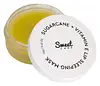
This hydrating lip mask is formulated around Squalane and Tocopheryl Acetate to hydrate lips and strengthen the lip barrier.
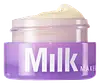
This hydrating lip mask is formulated around Carthamus Tinctorius Seed Oil and Butyrospermum Parkii Butter to hydrate lips and strengthen the lip barrier.


What's inside
What's inside
 Key Ingredients
Benefits
Concerns
Ingredients Side-by-side
Bis-Diglyceryl Polyacyladipate-2
Emollient


Polybutene
Phytosteryl/Isostearyl/Cetyl/Stearyl/Behenyl Dimer Dilinoleate
Skin Conditioning
Tridecyl Trimellitate
EmollientRicinus Communis Seed Oil
Masking

Hydrogenated Castor Oil Isostearate
Skin Conditioning
Oryza Sativa Bran Wax
Skin Conditioning
Euphorbia Cerifera Wax
Acetylated Sucrose Distearate
EmollientHydrogenated Vegetable Oil
Emollient

Saccharum Officinarum Extract
MoisturisingSqualane
Emollient

Solanum Melongena Fruit Extract
Skin ConditioningCurcuma Longa Root Extract
Antioxidant
Hippophae Rhamnoides Oil
Emollient
Tocopheryl Acetate
Antioxidant

Melia Azadirachta Leaf Extract
Skin ConditioningMelia Azadirachta Flower Extract
Skin ConditioningCoccinia Indica Fruit Extract
Skin Conditioning
Ocimum Sanctum Leaf Extract
Skin ConditioningCorallina Officinalis Extract
Skin Conditioning
Moringa Oleifera Seed Oil
Emollient
Glycerin
Humectant
Vaccinium Myrtillus Fruit/Leaf Extract
AstringentAcer Saccharum Extract
Skin ConditioningPolyglyceryl-10 Stearate
Skin Conditioning
Dibutyl Ethylhexanoyl Glutamide
Skin ConditioningDibutyl Lauroyl Glutamide
Skin ConditioningOctyldodecanol
Emollient
Glyceryl Caprylate
EmollientWater
Skin ConditioningCeramide AP
Skin Conditioning
1,2-Hexanediol
Skin Conditioning
Citrus Limon Fruit Extract
Masking
Citrus Aurantium Dulcis Fruit Extract
MaskingCitrus Nobilis Peel Oil
Masking
Amber Powder
Bis-Diglyceryl Polyacyladipate-2, Polybutene, Phytosteryl/Isostearyl/Cetyl/Stearyl/Behenyl Dimer Dilinoleate, Tridecyl Trimellitate, Ricinus Communis Seed Oil, Hydrogenated Castor Oil Isostearate, Oryza Sativa Bran Wax, Euphorbia Cerifera Wax, Acetylated Sucrose Distearate, Hydrogenated Vegetable Oil, Saccharum Officinarum Extract, Squalane, Solanum Melongena Fruit Extract, Curcuma Longa Root Extract, Hippophae Rhamnoides Oil, Tocopheryl Acetate, Melia Azadirachta Leaf Extract, Melia Azadirachta Flower Extract, Coccinia Indica Fruit Extract, Ocimum Sanctum Leaf Extract, Corallina Officinalis Extract, Moringa Oleifera Seed Oil, Glycerin, Vaccinium Myrtillus Fruit/Leaf Extract, Acer Saccharum Extract, Polyglyceryl-10 Stearate, Dibutyl Ethylhexanoyl Glutamide, Dibutyl Lauroyl Glutamide, Octyldodecanol, Glyceryl Caprylate, Water, Ceramide AP, 1,2-Hexanediol, Citrus Limon Fruit Extract, Citrus Aurantium Dulcis Fruit Extract, Citrus Nobilis Peel Oil, Amber Powder
Hydrogenated Polyisobutene
EmollientCarthamus Tinctorius Seed Oil
Masking
Water
Skin ConditioningButyrospermum Parkii Butter
Skin Conditioning
Diisostearyl Malate
EmollientBis-Behenyl/Isostearyl/Phytosteryl Dimer Dilinoleyl Dimer Dilinoleate
EmollientTribehenin
Emollient
Hydrogenated Palm Kernel Glycerides
EmollientEthylhexyl Palmitate
Emollient
Euphorbia Cerifera Cera
Astringent
Pentylene Glycol
Skin Conditioning
Olea Europaea Fruit Oil
Masking
Tridecyl Trimellitate
EmollientHydrogenated Vegetable Oil
Emollient
Melatonin
Antioxidant
Sodium Hyaluronate
Humectant
Lavandula Angustifolia Oil
Masking

Chamomilla Recutita Flower Extract
Masking
Euterpe Oleracea Fruit Extract
Lycium Barbarum Fruit Extract
Astringent
Rubus Villosus Fruit Extract
AstringentVaccinium Angustifolium Fruit Extract
Skin Protecting
Camelina Sativa Seed Oil
Skin Conditioning
Albizia Julibrissin Bark Extract
MaskingOryza Sativa Bran Extract
Skin Conditioning
Helianthus Annuus Extract
Emollient
Rosmarinus Officinalis Leaf Extract
AntimicrobialIpomoea Batatas Root Extract
Skin ConditioningOpuntia Ficus-Indica Stem Extract
Skin Conditioning
Hydrogenated Palm Glycerides
Emollient
Gluconolactone
Chelating




Glycerin
Humectant
Tocopherol
Antioxidant
Sorbitan Oleate
Emulsifying
Butylene Glycol
Humectant
Isostearyl Alcohol
Emollient
Malic Acid
Buffering

Citric Acid
Buffering
Sodium Benzoate
Masking
Phenoxyethanol
Preservative
Hydrogenated Polyisobutene, Carthamus Tinctorius Seed Oil, Water, Butyrospermum Parkii Butter, Diisostearyl Malate, Bis-Behenyl/Isostearyl/Phytosteryl Dimer Dilinoleyl Dimer Dilinoleate, Tribehenin, Hydrogenated Palm Kernel Glycerides, Ethylhexyl Palmitate, Euphorbia Cerifera Cera, Pentylene Glycol, Olea Europaea Fruit Oil, Tridecyl Trimellitate, Hydrogenated Vegetable Oil, Melatonin, Sodium Hyaluronate, Lavandula Angustifolia Oil, Chamomilla Recutita Flower Extract, Euterpe Oleracea Fruit Extract, Lycium Barbarum Fruit Extract, Rubus Villosus Fruit Extract, Vaccinium Angustifolium Fruit Extract, Camelina Sativa Seed Oil, Albizia Julibrissin Bark Extract, Oryza Sativa Bran Extract, Helianthus Annuus Extract, Rosmarinus Officinalis Leaf Extract, Ipomoea Batatas Root Extract, Opuntia Ficus-Indica Stem Extract, Hydrogenated Palm Glycerides, Gluconolactone, Glycerin, Tocopherol, Sorbitan Oleate, Butylene Glycol, Isostearyl Alcohol, Malic Acid, Citric Acid, Sodium Benzoate, Phenoxyethanol
Alternatives
Ingredients Explained
These ingredients are found in both products.
Ingredients higher up in an ingredient list are typically present in a larger amount.
Glycerin (or glycerol) is a compound naturally found in your skin. It's a powerhouse humectant that pulls water into the stratum corneum.
Topically, glycerin does several things at once:
Your skin makes glycerin on its own (mostly from sebaceous oil breakdown) and shuttles it to your outermost layer of skin, or your epidermis, via aquaporin-3.
Aquaporin-3 is a transporter that is essential for normal skin hydration, elasticity, and repair. Interestingly, mice lacking in AQP3 have dry and less elastic skin that can be fully corrected with glycerin.
This ingredient is non-irritating, plays well with almost every ingredient, and works across all skin types. Typical use is anywhere between 3-10% but can go up to 79% in some leave-on products.
Just know very high concentrations (>40%) can feel tacky in low humidity.
Glycerin is the name for this ingredient in American English. British English uses Glycerol/Glycerine.
Learn more about GlycerinHydrogenated Vegetable Oil isn't a single oil. It's the labeling name for a blend of plant-derived oils that can include canola, rapeseed, safflower, sunflower, sesame, palm, palm kernel, cotton, soybean, olive, and more.
Hydrogenation is the processing step that reduces or removes the unsaturated bonds in the fatty acids to make the oil more resistant to oxidative and thermal damage.
In cosmetics, it acts as a skin conditioner, occlusive, and emollient that give products a rich body.
Concentrations are reported from 0.0004% to 60% with leave-on products going as high as 60% and rinse-off products staying at 8% or below.
The Cosmetic Ingredient Review has concluded this ingredient to be safe as used in cosmetics.
This ingredient does have a comedogenic rating of 3, but this doesn't mean a formula with this ingredient will clog pores. Human testing has proved that any finished product with this ingredient won't automatically make you break out; it really comes down to concentration, formula, and your skin.
Since this ingredient is a triglyceride built mostly from C16 and C18 fatty acids, this ingredient may not be fungal acne safe as that falls into the range the Malassezia yeast can metabolize.
Allergy-wise, the proteins responsible for plant food allergies are taken out of the refined oil. This is why reactions to refined oils are rare even from highly allergenic sources like peanut. Well-designed studies have also shown refined peanut oil is safely tolerated by the vast majority of peanut-allergic people.
However, the issue is with unrefined oils; be sure to reach out to the manufacturer if you have a plant food allergy about the type of oil used in their products.
The other catch for this INCI name is that it doesn't tell you which plants are in the blend so you would need to ask the brand.
Learn more about Hydrogenated Vegetable OilTridecyl Trimellitate is a synthetic ingredient with emollient and skin conditioning properties. It also acts as a texture enhancer and helps products spread easily without feeling greasy.
As an emollient, it forms a light layer on the skin that keeps moisture in and improves water resistance. This is why you'll often find this ingredient in eye creams and other rich treatments.
This ingredient is seen as the elegant alternative to mineral oil.
Learn more about Tridecyl TrimellitateWater. It's the most common cosmetic ingredient of all. You'll usually see it at the top of ingredient lists, meaning that it makes up the largest part of the product.
So why is it so popular? Water most often acts as a solvent - this means that it helps dissolve other ingredients into the formulation.
You'll also recognize water as that liquid we all need to stay alive. If you see this, drink a glass of water. Remember to stay hydrated!
Learn more about Water

