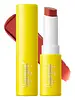
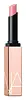
Supergoop! Lipshade 100% Mineral Lip Color SPF 30 Versus NARS Cosmetics Afterglow Sensual Shine Lipstick


What's inside
What's inside
 Key Ingredients
Benefits
Concerns
Ingredients Side-by-side
Zinc Oxide 17.5%
Cosmetic Colorant


Ricinus Communis Seed Oil
Masking




Caprylic/Capric Triglyceride
Masking

Jojoba Esters
Emollient
Euphorbia Cerifera Wax
Persea Gratissima Oil
Skin Conditioning

Bis-Diglyceryl Polyacyladipate-2
Emollient
Aroma

Simmondsia Chinensis Seed Oil
Emollient
Argania Spinosa Kernel Oil
Emollient

Tocopheryl Acetate
Antioxidant


Copernicia Cerifera Wax
Stevioside
MaskingCetearyl Ethylhexanoate
Emollient
Synthetic Fluorphlogopite
Isostearic Acid
Cleansing
Lecithin
Emollient
Polyhydroxystearic Acid
Emulsifying
Polyglyceryl-3 Polyricinoleate
Emulsifying
Butyrospermum Parkii Butter
Skin Conditioning
Mangifera Indica Seed Butter
Skin Conditioning
Astrocaryum Murumuru Seed Butter
Emollient
Calcium Sodium Borosilicate
Rosa Canina Fruit Oil
Emollient
Sorbitan Isostearate
Emulsifying
Bisabolol
Antioxidant
Vaccinium Macrocarpon Seed Oil
Skin Conditioning
Portulaca Pilosa Extract
Skin ConditioningTocopherol
Antioxidant
Ascorbyl Palmitate
Antioxidant
Sucrose Cocoate
Emulsifying
Glycine Soja Oil
Emollient
Palmitoyl Tripeptide-38
Skin Conditioning

Tin Oxide
Abrasive
Titanium Dioxide
Cosmetic Colorant
CI 45410
Cosmetic ColorantIron Oxides
CI 19140
Cosmetic ColorantCI 15850
Cosmetic ColorantCI 15985
Cosmetic ColorantCI 42090
Cosmetic ColorantZinc Oxide 17.5%, Ricinus Communis Seed Oil, Caprylic/Capric Triglyceride, Jojoba Esters, Euphorbia Cerifera Wax, Persea Gratissima Oil, Bis-Diglyceryl Polyacyladipate-2, Aroma, Simmondsia Chinensis Seed Oil, Argania Spinosa Kernel Oil, Tocopheryl Acetate, Copernicia Cerifera Wax, Stevioside, Cetearyl Ethylhexanoate, Synthetic Fluorphlogopite, Isostearic Acid, Lecithin, Polyhydroxystearic Acid, Polyglyceryl-3 Polyricinoleate, Butyrospermum Parkii Butter, Mangifera Indica Seed Butter, Astrocaryum Murumuru Seed Butter, Calcium Sodium Borosilicate, Rosa Canina Fruit Oil, Sorbitan Isostearate, Bisabolol, Vaccinium Macrocarpon Seed Oil, Portulaca Pilosa Extract, Tocopherol, Ascorbyl Palmitate, Sucrose Cocoate, Glycine Soja Oil, Palmitoyl Tripeptide-38, Tin Oxide, Titanium Dioxide, CI 45410, Iron Oxides, CI 19140, CI 15850, CI 15985, CI 42090
Tridecyl Trimellitate
EmollientHydrogenated Polyisobutene
EmollientPhenylpropyldimethylsiloxysilicate
EmollientSynthetic Wax
Abrasive
Mica
Cosmetic ColorantRicinus Communis Seed Oil
Masking
Hydrogenated Vegetable Oil
Emollient
Polyethylene
Abrasive
Diisostearyl Malate
EmollientDiglyceryl Sebacate/Isopalmitate
EmollientDimethicone
Emollient
Dicalcium Phosphate
Abrasive
Phytosteryl/Isostearyl/Cetyl/Stearyl/Behenyl Dimer Dilinoleate
Skin Conditioning
Gardenia Taitensis Flower Extract
Skin ConditioningMoringa Oleifera Seed Extract
Skin Conditioning
Polyhydroxystearic Acid
Emulsifying
Isopropyl Myristate
Emollient
Isostearic Acid
Cleansing
Ethylhexyl Palmitate
Emollient
Lecithin
Emollient
Polyglyceryl-3 Polyricinoleate
Emulsifying
Triethoxycaprylylsilane
Polysilicone-11
Butyrospermum Parkii Butter
Skin Conditioning
Ethylene/Propylene Copolymer
Abrasive
Pentaerythrityl Tetra-Di-T-Butyl Hydroxyhydrocinnamate
Antioxidant
Tocopherol
Antioxidant
Water
Skin ConditioningCollagen
Moisturising
Leuconostoc/Radish Root Ferment Filtrate
Antimicrobial
Hydrogenated Coco-Glycerides
Emollient
Sodium Hyaluronate
Humectant
Hydrogenated Castor Oil
Emollient
Tocopheryl Acetate
Antioxidant
Cocos Nucifera Oil
Masking
Simmondsia Chinensis Seed Oil
Emollient
Mangifera Indica Seed Butter
Skin Conditioning
Olea Europaea Fruit Oil
Masking
Caprylyl Glycol
Emollient
Glyceryl Caprylate
EmollientGlycerin
Humectant
Iron Oxides
CI 15850
Cosmetic ColorantCI 77891
Cosmetic ColorantCI 19140
Cosmetic ColorantTridecyl Trimellitate, Hydrogenated Polyisobutene, Phenylpropyldimethylsiloxysilicate, Synthetic Wax, Mica, Ricinus Communis Seed Oil, Hydrogenated Vegetable Oil, Polyethylene, Diisostearyl Malate, Diglyceryl Sebacate/Isopalmitate, Dimethicone, Dicalcium Phosphate, Phytosteryl/Isostearyl/Cetyl/Stearyl/Behenyl Dimer Dilinoleate, Gardenia Taitensis Flower Extract, Moringa Oleifera Seed Extract, Polyhydroxystearic Acid, Isopropyl Myristate, Isostearic Acid, Ethylhexyl Palmitate, Lecithin, Polyglyceryl-3 Polyricinoleate, Triethoxycaprylylsilane, Polysilicone-11, Butyrospermum Parkii Butter, Ethylene/Propylene Copolymer, Pentaerythrityl Tetra-Di-T-Butyl Hydroxyhydrocinnamate, Tocopherol, Water, Collagen, Leuconostoc/Radish Root Ferment Filtrate, Hydrogenated Coco-Glycerides, Sodium Hyaluronate, Hydrogenated Castor Oil, Tocopheryl Acetate, Cocos Nucifera Oil, Simmondsia Chinensis Seed Oil, Mangifera Indica Seed Butter, Olea Europaea Fruit Oil, Caprylyl Glycol, Glyceryl Caprylate, Glycerin, Iron Oxides, CI 15850, CI 77891, CI 19140
Alternatives
Ingredients Explained
These ingredients are found in both products.
Ingredients higher up in an ingredient list are typically present in a larger amount.
This ingredient is also known as shea butter. It is a plant-derived extract from the nuts of the Africa shea tree and one of the most well-studied emollients.
Because it has a high concentration of fatty acids (primarily oleic, stearic, and linoleic) it is able to form a protective barrier on the skin's surface. This helps seal in moisture and prevents transepidermal water loss (TEWL).
In vitro research found an increase in skin hydration by 58% and a decrease in TEWL by 37.8% after 24 hours of applying this ingredient (pretty impressive for a single ingredient!).
Besides hydration, shea butter also contains triterpenes that have anti-inflammatory potential. In particule, lupeol cinnamate has shown the highest anti-inflammatory activity in vivo.
Shea butter also contains vitamins A and E which may contribute to antioxidant activity.
While Shea Butter has an SPF rating of about 3-4, it is not a sunscreen replacement.
This ingredient may not be fungal acne safe because its fatty acids fall within the C11-C24 range that the Malassezia yeast can metabolize.
This ingredient shows up on a lot of "pore-clogging" lists but there's no real evidence behind that. It doesn't even have a comedogenic rating from an actual study; the numbers you'll find online come from blogs citing other blogs.
Ratings for other ingredients mostly come from a 1980s rabbit ear test. This test doesn't translate well to human skin or to real products because the ingredient sits at a much lower percentage.
Some people still find it breaks them out. So if that's you, definitely trust your skin. Just know this one's based on experience and not evidence.
Learn more about Butyrospermum Parkii ButterCi 15850 is the pigment color red. It is an azo dye and created synthetically.
Azo dyes need to be thoroughly purified before use. This allows them to be more stable and longer-lasting.
This ingredient is common in foundations, lipsticks, and blushes. This color is described as brown/orangey red.
It has many secondary names such as Red 6 and Red 7. According to a manufacturer, Red 6 usually contains aluminum.
Learn more about CI 15850CI 19140 is also known as Tartrazine. Tartrazine is a synthetic dye used in cosmetics, foods, and medicine to add a yellow color.
Tartrazine is created from petroleum and is water-soluble.
Some people may experience allergies from this dye, especially asthmatics and those with an aspirin intolerance.
Learn more about CI 19140Isostearic Acid is a fatty acid and a structural cousin of stearic acid. It is an emulsifier.
The branched structure of this ingredient enhances fluidity and gives it a lighter, less greasy feel compared to other fatty acids. It helps improve texture and consistency because it prevents oil and water phases from separating.
This ingredient is sourced from plant-based oils like soybean or rapeseed.
Clinical studies found no signs of irritation from this ingredient.
Since Isostearic Acid is an 18-carbon fatty acid, it is in the range that Malassezia can feed on. This ingredient may not be fungal acne safe.
You might have seen sources that this ingredient is comedogenic. The original comedogenic testing on rabbit ear actually tested the ester, Isopropyl Isostearate and not Isostearic acid itself.
Any finished product with this ingredient won't automatically make you break out; it really comes down to concentration, formula, and your skin.
Because isostearic acid is a C18 fatty acid, this ingredient may not be fungal acne safe. The Malassezia yeast metabolizes fatty acids in the C11-24 range.
Learn more about Isostearic AcidLecithin is a term for a group of substances found in the cell membranes of plants, animals, and humans. They are made up of phospholipids.
Thanks to its amphiphilic structure (water-loving head and oil-loving tail), it is a true multitasker:
It plays well with most ingredients and is typically used at 0.1-1%. However, concentrations up to 50% have been reported in moisturizers.
Learn more about LecithinThough this ingredient might sound like a juicy fruit extract, it's actually the fat pressed from the mango seed kernel (or the pit).
In skincare, it behaves more like shea butter and cocoa butter than like a plant active.
The fatty acid makeup of mango seed butter makes it special; it's typically rich in stearic acid and oleic acid, with small amounts of palmitic and linoleic acid.
This combo helps it melt on skin, feel creamy, and leave behind a protective "seal" that slows down water loss.
It also contains a small amount of "extras" like tocopherols (vitamin E) and phytosterols, which are often used to support skin soothing.
Due to its fatty acid content (like oleic acid), this ingredient may not be fungal acne safe. In vitro studies have shown that Oleic Acid is one of the fatty acids that induce rapid Malassezia growth in lab settings.
Learn more about Mangifera Indica Seed ButterPolyglyceryl-3 Polyricinoleate is a plant-derived emulsifier made by combining glycerin and ricinoleic acid.
It works well for giving buttery lip balms and low-viscosity water-in-oil emulsions a non-greasy and pleasant skin feel.
Typical concentrations range from 0.1-3%.
This ingredient is mild and non-irritating in nature.
Because it is derived from ricinoleic acid, this ingredient may not be fungal acne safe. Ricinoleic acid is an unsaturated fatty acid that the Malassezia yeast can metabolize.
Learn more about Polyglyceryl-3 PolyricinoleatePolyhydroxystearic Acid is a vegetable-derived soft wax made from castor oil. It's an emulsion stabilizer, thickener, and film former.
You'll likely see it in sunscreens because it helps disperse pigments and UV-reflecting minerals like titanium dioxide and zinc oxide evenly.
Depending on the concentration, it can drastically change the texture of a product from pasty solid (like lipstick) to sprayable liquid.
The CIR Expert Panel for Cosmetic Ingredient Safety has concluded this ingredient to be safe in cosmetics. The highest reported use concentration is 14.2% in lipsticks.
Learn more about Polyhydroxystearic AcidThis ingredient is also known as castor oil. It is a skin conditioning ingredient.
The star component of castor oil is ricinoleic acid, an unusual fatty acid that makes up ~80-92% of its composition.
In skincare, it is an emollient that dries down to a solid film with water-binding properties. This helps keep skin hydrated and helps reduce transepidermal water loss (TEWL).
A 2026 dermatology review pulls together its broader uses:
Human clinical testing found this ingredient to be non-irritating and non-sensitizing.
Because castor oil contains fatty acids in the C11-24 range, this ingredient may not be fungal acne safe.
At this time, the literature does not support castor oil in regrowing hair. A 2022 systematic review found no strong evidence that it supports hair growth and only weak evidence that it improves hair shine.
Castor oil itself carries "perfuming" and "masking" function tags according to the official CosIng database. This is because of its mild odor and odor-dampening properties.
Learn more about Ricinus Communis Seed OilJojoba oil is one of the most well-studied plant-derived ingredients in cosmetics. It is an emollient with a special structure.
Because it is made up of 97-98% wax esters, it closely mirrors the linear monoesters found in human sebum. This makes it skin compatible, non-greasy, and lightweight.
Unlike other plant oils, jojoba wax doesn't easily penetrate skin. It mostly works in the uppermost layers as an emollient. This just means it forms a light barrier on the skin to help retain moisture.
Formulations with jojoba esters up to 90% reduced transepidermal water loss (TEWL) and increased barrier recovery by 81% (outperforming bisabolol at 47%).
Besides barrier support, the science also suggests jojoba to have anti-inflammatory effects and potential applications for skin infections, aging, and wound healing.
Fun fact: Indigenous cultures have used jojoba as a moisturizer and to help treat burns for centuries.
Fungal acne: The Malassezia yeast is known to metabolize fatty acids in the C11-24 range and jojoba's dominant fatty acid components fall into this range. This ingredient may not be fungal acne safe.
Learn more about Simmondsia Chinensis Seed OilTocopherol is a fat-soluble antioxidant known as Vitamin E.
You'll find this ingredient in the vast majority of skincare (for good reason). It works to neutralize free radicals, or unstable molecules generated by UV exposure, pollution, and other environmental stressors, before they can cause oxidative damage to your skin cells.
Topically applied tocopherol has been shown to protect against UV damage by ramping up the skin's own natural defense enzymes.
It also acts as a skin conditioning agent; some studies show that regular topical use can improve the skin's water-binding capacity over 2-4 weeks.
This ingredient is especially loved for being a team player. When combined with Vitamin C, the photoprotective effect of both ingredients roughly doubles and the combo also helps reduce UV-induced DNA damage.
This ingredient has some brightening potential but it's more of a prevention ingredient than spot-fader. Cell studies show it can slow down melanin production but it's worth noting that it's not the most powerful brightener out there.
In formulations, it also serves as a stabilizer that helps protect other oxidation-prone ingredients from degrading.
Concentrations usually range from 0.1-1% in most leave-on products.
Learn more about TocopherolTocopheryl Acetate is a stable, shelf-friendly form of vitamin E.
Formulators love it because plain vitamin E oxidizes quickly once it hits air. This acetate version stays stable and resists going off, helping to extend a product's shelf life.
It's actually inactive on its own and works like a slow-release "storage" form; the enzymes in your skin called esterases gradually convert it into active vitamin E over time.
One in vivo study showed 5% of the acetate in the living layer of the epidermis converted to vitamin E after 5 days of application. This study also found the skin gained protection against UV damage even though the conversion was slow and small.
Once converted, vitamin E acts as a skin's main fat-soluble antioxidant that fights free radicals to protect skin from damage.
Topical vitamin E generally boosts the skin's photoprotection, and it reduced UV-damage in animal models.
This ingredient has some brightening potential but it's more of a prevention ingredient than spot-fader. Cell studies show it can slow down melanin production but it's worth noting that it's not the most powerful brightener out there.
Overall, it has a pretty solid safety profile and has been found to be non-irritating and non-comedogenic. Allergic reactions may happen but stay rare due to how widely the ingredient gets used.
The concentration will vary depending on the formula; industry data shows 0.1% in baby lotions, 3% in lipsticks, and 5% in foot powders. You can also find this ingredient at 100% in a pure vitamin E oil.
Most leave-on skincare keeps it at the lower end, often between 0.5-1%.
Learn more about Tocopheryl AcetateThis ingredient is a combination of red, black, and yellow iron oxide pigments. This combination of colors is usually found in foundation, because it results in a "skin" color.
The EU typically uses CI numbers for colorants when applicable, such as CI 77489. In the US, iron oxides are regulated as color additives and "iron oxides" is the most commonly used name in US cosmetic practice.
A 2021 paper looked at skincare formulations containing iron oxides and found that they reduced transmission of blue light when measured optically. In simple terms, the pigment particles helped block or scatter part of the visible light spectrum in lab testing and the authors suggest this could translate into better protection against blue-light-related skin effects.
There is also clinical and experimental research showing that tinted products containing iron oxides can reduce visible light-induced pigmentation:
Please note, whether a product reduces visible or blue light depends on things like:
In the EU's CosIng database, iron oxides are only listed as a colorant. CosIng groups ingredients by their main cosmetic role, such as colorant, preservative, or UV filter.
Though studies say iron oxides can "attenuate blue light", they're describing an optical property and not an officially recognized cosmetic function.
So CosIng isn’t contradicting the research. It’s just classifying iron oxides by what they officially are: pigments that add color.
Learn more about Iron Oxides

