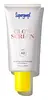
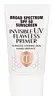
Supergoop! Glowscreen SPF 40 PA+++ Versus Charlotte Tilbury Invisible UV Flawless Primer Broad Spectrum SPF 50


What's inside
What's inside
 Key Ingredients
Benefits
Concerns
Ingredients Side-by-side
Butyl Methoxydibenzoylmethane 3%
UV Absorber
Ethylhexyl Salicylate 5%
UV Absorber
Octocrylene 10%
UV Absorber

Water
Skin ConditioningPropanediol
Solvent

Butyloctyl Salicylate
Skin Conditioning
Glycerin
Humectant
C12-15 Alkyl Benzoate
AntimicrobialPolymethylsilsesquioxane

Niacinamide
Smoothing









Glyceryl Stearate Citrate
Emollient
CI 77163
Cosmetic Colorant
Mica
Cosmetic ColorantTitanium Dioxide
Cosmetic Colorant
Lauryl Lactate
EmollientIsododecane
EmollientIsodecyl Neopentanoate
EmollientGlyceryl Stearate
Emollient
Diisopropyl Sebacate
EmollientCetyl Phosphate
EmulsifyingCaprylic/Capric Triglyceride
Masking
Coco-Caprylate
Emollient
Ethylhexyl Hydroxystearate
Emollient
Butylene Glycol
Humectant
Arginine
Masking
Hydroxyacetophenone
Antioxidant
Caprylyl Glycol
Emollient
1,2-Hexanediol
Skin Conditioning
Iron Oxides
Sodium Hyaluronate
Humectant
Chlorphenesin
Antimicrobial
Acrylates/C10-30 Alkyl Acrylate Crosspolymer
Emulsion StabilisingTrisodium Ethylenediamine Disuccinate
Phospholipids
Skin Conditioning
Limonium Gerberi Extract
Skin ProtectingLeuconostoc/Radish Root Ferment Filtrate
Antimicrobial
Theobroma Cacao Seed Extract
Antioxidant
Pantothenic Acid
Skin ConditioningTocopherol
Antioxidant
Helianthus Annuus Seed Oil
Emollient
Ferulic Acid
Antimicrobial
Butyl Methoxydibenzoylmethane 3%, Ethylhexyl Salicylate 5%, Octocrylene 10%, Water, Propanediol, Butyloctyl Salicylate, Glycerin, C12-15 Alkyl Benzoate, Polymethylsilsesquioxane, Niacinamide, Glyceryl Stearate Citrate, CI 77163, Mica, Titanium Dioxide, Lauryl Lactate, Isododecane, Isodecyl Neopentanoate, Glyceryl Stearate, Diisopropyl Sebacate, Cetyl Phosphate, Caprylic/Capric Triglyceride, Coco-Caprylate, Ethylhexyl Hydroxystearate, Butylene Glycol, Arginine, Hydroxyacetophenone, Caprylyl Glycol, 1,2-Hexanediol, Iron Oxides, Sodium Hyaluronate, Chlorphenesin, Acrylates/C10-30 Alkyl Acrylate Crosspolymer, Trisodium Ethylenediamine Disuccinate, Phospholipids, Limonium Gerberi Extract, Leuconostoc/Radish Root Ferment Filtrate, Theobroma Cacao Seed Extract, Pantothenic Acid, Tocopherol, Helianthus Annuus Seed Oil, Ferulic Acid
Water
Skin ConditioningEthylhexyl Methoxycinnamate
UV Absorber
Ethylhexyl Salicylate
UV Absorber
Butylene Glycol
Humectant
Diethylhexyl Succinate
EmollientButyl Methoxydibenzoylmethane
UV Absorber
Glycerin
Humectant
Octocrylene
UV Absorber
Dextrin Palmitate
Emulsifying
Pentylene Glycol
Skin Conditioning
Hydroxyethyl Acrylate/Sodium Acryloyldimethyl Taurate Copolymer
Emulsion StabilisingPhenoxyethanol
Preservative
PEG-60 Glyceryl Isostearate
Marrubium Vulgare Extract
Skin ConditioningCI 77891
Cosmetic ColorantPolyglyceryl-2 Triisostearate
Emulsifying
Talc
Abrasive
Hydroxypropyl Methylcellulose Stearoxy Ether
Polysorbate 60
Emulsifying
Sorbitan Isostearate
Emulsifying
Agar
MaskingTocopherol
Antioxidant
Xanthan Gum
EmulsifyingCI 77492
Cosmetic ColorantIsopropyl Titanium Triisostearate
Emollient
Aluminum Hydroxide
EmollientSodium Hyaluronate
Humectant
CI 77491
Cosmetic ColorantKhaya Senegalensis Bark Extract
Skin ProtectingMaltodextrin
Absorbent
Citric Acid
Buffering

BHT
Antioxidant
Ascorbyl Glucoside
Antioxidant
Camellia Oleifera Seed Oil
Skin Conditioning
Butyrospermum Parkii Butter
Skin Conditioning
Rosa Canina Fruit Oil
Emollient
Sodium Hydroxide
BufferingCI 77499
Cosmetic ColorantPlumeria Alba Flower Extract
Skin ConditioningPotassium Sorbate
Preservative
Sodium Benzoate
Masking
Aloe Barbadensis Leaf Extract
Emollient
Solanum Tuberosum Pulp Extract
SmoothingAscorbyl Dipalmitate
Antioxidant
Water, Ethylhexyl Methoxycinnamate, Ethylhexyl Salicylate, Butylene Glycol, Diethylhexyl Succinate, Butyl Methoxydibenzoylmethane, Glycerin, Octocrylene, Dextrin Palmitate, Pentylene Glycol, Hydroxyethyl Acrylate/Sodium Acryloyldimethyl Taurate Copolymer, Phenoxyethanol, PEG-60 Glyceryl Isostearate, Marrubium Vulgare Extract, CI 77891, Polyglyceryl-2 Triisostearate, Talc, Hydroxypropyl Methylcellulose Stearoxy Ether, Polysorbate 60, Sorbitan Isostearate, Agar, Tocopherol, Xanthan Gum, CI 77492, Isopropyl Titanium Triisostearate, Aluminum Hydroxide, Sodium Hyaluronate, CI 77491, Khaya Senegalensis Bark Extract, Maltodextrin, Citric Acid, BHT, Ascorbyl Glucoside, Camellia Oleifera Seed Oil, Butyrospermum Parkii Butter, Rosa Canina Fruit Oil, Sodium Hydroxide, CI 77499, Plumeria Alba Flower Extract, Potassium Sorbate, Sodium Benzoate, Aloe Barbadensis Leaf Extract, Solanum Tuberosum Pulp Extract, Ascorbyl Dipalmitate
Reviews
Ingredients Explained
These ingredients are found in both products.
Ingredients higher up in an ingredient list are typically present in a larger amount.
Also known as Avobenzone, this ingredient is a chemical sunscreen filter that provides protection in the UV-A range.
Avobenzone is globally approved and is the most commonly used UV-A filter in the world.
Studies have found that avobenzone becomes ineffective when exposed to UV light (it is not photostable; meaning that it breaks down in sunlight). Because of this, formulations that include avobenzone will usually contain stabilizers such as octocrylene.
However, some modern formulations (looking at you, EU!) are able to stabilize avobenzone by coating the molecules.
Avobenzone does not protect against the UV-B range, so it's important to check that the sunscreen you're using contains other UV filters that do!
The highest concentration of avobenzone permitted is 3% in the US, and 5% in the EU.
Learn more about Butyl MethoxydibenzoylmethaneButylene Glycol (or BG) is used within cosmetic products for a few different reasons:
Overall, Butylene Glycol is a safe and well-rounded ingredient that works well with other ingredients.
Though this ingredient works well with most skin types, some people with sensitive skin may experience a reaction such as allergic rashes, closed comedones, or itchiness.
Learn more about Butylene GlycolEthylhexyl Salicylate is an organic compound used to block UV rays. It primarily absorbs UVB rays but offers a small amount of UVA protection as well.
Commonly found in sunscreens, Ethylhexyl Salicylate is created from salicylic acid and 2-ethylhexanol. You might know salicylic acid as the effective acne fighter ingredient and BHA.
The ethylhexanol in this ingredient is a fatty alcohol and helps hydrate your skin, similar to oils. It is an emollient, which means it traps moisture into the skin.
According to manufacturers, Ethylhexyl Salicylate absorbs UV wavelength of 295-315 nm, with a peak absorption at 307-310 nm. UVA rays are linked to long term skin damage, such as hyperpigmentation. UVB rays emit more energy and are capable of damaging our DNA. UVB rays cause sunburn.
Learn more about Ethylhexyl SalicylateGlycerin (or glycerol) is a compound naturally found in your skin. It's a powerhouse humectant that pulls water into the stratum corneum.
Topically, glycerin does several things at once:
Your skin makes glycerin on its own (mostly from sebaceous oil breakdown) and shuttles it to your outermost layer of skin, or your epidermis, via aquaporin-3.
Aquaporin-3 is a transporter that is essential for normal skin hydration, elasticity, and repair. Interestingly, mice lacking in AQP3 have dry and less elastic skin that can be fully corrected with glycerin.
This ingredient is non-irritating, plays well with almost every ingredient, and works across all skin types. Typical use is anywhere between 3-10% but can go up to 79% in some leave-on products.
Just know very high concentrations (>40%) can feel tacky in low humidity.
Glycerin is the name for this ingredient in American English. British English uses Glycerol/Glycerine.
Learn more about GlycerinOctocrylene protects skin from sun damage. It absorbs UV-B with peak absorption of 304 nm. It is a common sunscreen ingredient and often paired with avobenzone, a UVA filter. This is because octocrylene stabilizes other sunscreen ingredients by protecting them from degradation when exposed to sunlight. Octocrylene is a photostable ingredient and loses about 10% of SPF in 95 minutes.
Octocrylene also acts as an emollient, meaning it helps skin retain moisture and softens skin. It is oil-soluble and hydrophobic, enhancing water-resistant properties in a product.
Those who are using ketoprofen, a topical anti-inflammatory drug, may experience an allergic reaction when using octocrylene. It is best to speak with a healthcare professional about using sunscreens with octocrylene.
The EU allows a maximum of these concentrations:
Learn more about OctocryleneSodium Hyaluronate is the salt form of hyaluronic acid. It is a long sugar chain that is naturally found in your skin, joints, and connective tissue that maintains hydration and elasticity.
In skincare, it works as a humectant. It pulls water from the environment and deeper layers of skin and binds it to the surface.
Interestingly, the size of the molecule affects its behavior:
Some clinical evidence links low molecular weight versions to improved wrinkle depth, elasticity, anti-inflammatory effects, and barrier repair.
Many serums use a blend of both weights so you can get surface hydration plus longer-lasting and deeper effects.
You'll typically see concentrations between 0.1-2% for this ingredient.
Learn more about Sodium HyaluronateTocopherol is a fat-soluble antioxidant known as Vitamin E.
You'll find this ingredient in the vast majority of skincare (for good reason). It works to neutralize free radicals, or unstable molecules generated by UV exposure, pollution, and other environmental stressors, before they can cause oxidative damage to your skin cells.
Topically applied tocopherol has been shown to protect against UV damage by ramping up the skin's own natural defense enzymes.
It also acts as a skin conditioning agent; some studies show that regular topical use can improve the skin's water-binding capacity over 2-4 weeks.
This ingredient is especially loved for being a team player. When combined with Vitamin C, the photoprotective effect of both ingredients roughly doubles and the combo also helps reduce UV-induced DNA damage.
This ingredient has some brightening potential but it's more of a prevention ingredient than spot-fader. Cell studies show it can slow down melanin production but it's worth noting that it's not the most powerful brightener out there.
In formulations, it also serves as a stabilizer that helps protect other oxidation-prone ingredients from degrading.
Concentrations usually range from 0.1-1% in most leave-on products.
Learn more about TocopherolWater. It's the most common cosmetic ingredient of all. You'll usually see it at the top of ingredient lists, meaning that it makes up the largest part of the product.
So why is it so popular? Water most often acts as a solvent - this means that it helps dissolve other ingredients into the formulation.
You'll also recognize water as that liquid we all need to stay alive. If you see this, drink a glass of water. Remember to stay hydrated!
Learn more about Water
