Sunday Riley Good Genes All-In-One Lactic Acid Treatment Versus Paula's Choice Clinical 0.3% Retinol + 2% Bakuchiol Treatment
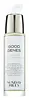
This smoothing treatment is formulated around Squalane and Lactic Acid to refine skin texture and brighten dull-looking skin.
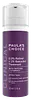
This anti-aging treatment is formulated around Bakuchiol and Tetrahexyldecyl Ascorbate to soften the look of wrinkles and refine skin texture.

What's inside
What's inside
 Key Ingredients
No key ingredients
Benefits
Concerns
Ingredients Side-by-side
Water
Skin ConditioningOpuntia Tuna Fruit Extract
Skin ConditioningCypripedium Pubescens Extract
Skin ConditioningOpuntia Vulgaris Leaf Extract
Skin ConditioningAgave Tequilana Leaf Extract
AstringentArnica Montana Flower Extract
Masking
Aloe Barbadensis Leaf Extract
Emollient


Saccharomyces Cerevisiae Extract
Skin Conditioning

Leuconostoc/Radish Root Ferment Filtrate
Antimicrobial
Caprylic/Capric Triglyceride
Masking

Squalane
Emollient
Lactic Acid
Buffering








PPG-12/Smdi Copolymer
EmollientPropanediol
Solvent
Butylene Glycol
Humectant
Stearic Acid
Cleansing
Dimethicone
Emollient
Cetearyl Alcohol
Emollient

Phenyl Trimethicone
Skin Conditioning
Disiloxane
Skin Conditioning
Ceteareth-20
Cleansing
Glyceryl Stearate
Emollient
PEG-100 Stearate
Surfactant
Stearyl Glycyrrhetinate
Skin ConditioningGlycyrrhiza Glabra Root Extract
Bleaching
Cymbopogon Schoenanthus Oil
Masking

Potassium Hydroxide
BufferingPhenoxyethanol
Preservative
Xanthan Gum
EmulsifyingCaprylyl Glycol
Emollient
Chlorphenesin
Antimicrobial
Sodium Phytate
ChelatingWater, Opuntia Tuna Fruit Extract, Cypripedium Pubescens Extract, Opuntia Vulgaris Leaf Extract, Agave Tequilana Leaf Extract, Arnica Montana Flower Extract, Aloe Barbadensis Leaf Extract, Saccharomyces Cerevisiae Extract, Leuconostoc/Radish Root Ferment Filtrate, Caprylic/Capric Triglyceride, Squalane, Lactic Acid, PPG-12/Smdi Copolymer, Propanediol, Butylene Glycol, Stearic Acid, Dimethicone, Cetearyl Alcohol, Phenyl Trimethicone, Disiloxane, Ceteareth-20, Glyceryl Stearate, PEG-100 Stearate, Stearyl Glycyrrhetinate, Glycyrrhiza Glabra Root Extract, Cymbopogon Schoenanthus Oil, Potassium Hydroxide, Phenoxyethanol, Xanthan Gum, Caprylyl Glycol, Chlorphenesin, Sodium Phytate
Water
Skin ConditioningDimethicone
Emollient
Pentaerythrityl Tetraisostearate
Emollient
Isononyl Isononanoate
EmollientButylene Glycol
Humectant
Bakuchiol
Antimicrobial

Arachidyl Alcohol
Emollient
Glyceryl Polymethacrylate
Dimethicone Crosspolymer
Emulsion Stabilising
Behenyl Alcohol
Emollient
Glycerin
Humectant
PEG-75 Shea Butter Glycerides
Emulsifying
Glyceryl Stearate
Emollient
C12-15 Alkyl Benzoate
AntimicrobialPolysorbate 20
Emulsifying
Tetrahexyldecyl Ascorbate
Antioxidant
Retinol
Skin Conditioning

Ceramide Ng
Skin Conditioning
Palmitoyl Tetrapeptide-7
Skin Conditioning
Palmitoyl Hexapeptide-12
Skin Conditioning
Sodium Hyaluronate
Humectant
Dipotassium Glycyrrhizate
Humectant
Glycyrrhiza Glabra Root Extract
Bleaching
Avena Sativa Kernel Extract
Abrasive
Arctium Lappa Root Extract
Skin Conditioning
Salix Alba Bark Extract
Astringent
Glycine Soja Sterols
Emollient
Lecithin
Emollient
Allantoin
Skin Conditioning
Tocopheryl Acetate
Antioxidant
Hydrolyzed Soy Protein
Humectant
Palmitoyl Tripeptide-1
Skin Conditioning
Sodium Hydroxide
BufferingTribehenin
Emollient
Caprylyl Glycol
Emollient
Dipeptide-2
Skin Conditioning
Polygonum Cuspidatum Root Extract
Antioxidant
PEG-10 Phytosterol
EmulsifyingPEG-8
HumectantMagnesium Aluminum Silicate
Absorbent
Arachidyl Glucoside
EmulsifyingChrysin
Skin ConditioningPentylene Glycol
Skin Conditioning
Sodium Acrylates Copolymer
Steareth-20
CleansingHydroxyethyl Acrylate/Sodium Acryloyldimethyl Taurate Copolymer
Emulsion StabilisingCetearyl Alcohol
Emollient
Coco-Glucoside
Cleansing
Hesperidin Methyl Chalcone
Antioxidant
N-Hydroxysuccinimide
Skin ConditioningDisodium EDTA
ChelatingPhenoxyethanol
Preservative
Benzoic Acid
Masking
Ethylhexylglycerin
Skin ConditioningWater, Dimethicone, Pentaerythrityl Tetraisostearate, Isononyl Isononanoate, Butylene Glycol, Bakuchiol, Arachidyl Alcohol, Glyceryl Polymethacrylate, Dimethicone Crosspolymer, Behenyl Alcohol, Glycerin, PEG-75 Shea Butter Glycerides, Glyceryl Stearate, C12-15 Alkyl Benzoate, Polysorbate 20, Tetrahexyldecyl Ascorbate, Retinol, Ceramide Ng, Palmitoyl Tetrapeptide-7, Palmitoyl Hexapeptide-12, Sodium Hyaluronate, Dipotassium Glycyrrhizate, Glycyrrhiza Glabra Root Extract, Avena Sativa Kernel Extract, Arctium Lappa Root Extract, Salix Alba Bark Extract, Glycine Soja Sterols, Lecithin, Allantoin, Tocopheryl Acetate, Hydrolyzed Soy Protein, Palmitoyl Tripeptide-1, Sodium Hydroxide, Tribehenin, Caprylyl Glycol, Dipeptide-2, Polygonum Cuspidatum Root Extract, PEG-10 Phytosterol, PEG-8, Magnesium Aluminum Silicate, Arachidyl Glucoside, Chrysin, Pentylene Glycol, Sodium Acrylates Copolymer, Steareth-20, Hydroxyethyl Acrylate/Sodium Acryloyldimethyl Taurate Copolymer, Cetearyl Alcohol, Coco-Glucoside, Hesperidin Methyl Chalcone, N-Hydroxysuccinimide, Disodium EDTA, Phenoxyethanol, Benzoic Acid, Ethylhexylglycerin
Reviews
Ingredients Explained
These ingredients are found in both products.
Ingredients higher up in an ingredient list are typically present in a larger amount.
Butylene Glycol (or BG) is used within cosmetic products for a few different reasons:
Overall, Butylene Glycol is a safe and well-rounded ingredient that works well with other ingredients.
Though this ingredient works well with most skin types, some people with sensitive skin may experience a reaction such as allergic rashes, closed comedones, or itchiness.
Learn more about Butylene GlycolCaprylyl Glycol is a humectant, skin conditioner, emollient, and preservative booster derived from either caprylic acid or synthetically created.
Typical use levels vary from 0.3-1% as a preservative booster and go up to 2% to condition skin.
Because it is not a free-fatty acid, this ingredient is fungal acne safe (there's nothing for Malassezia to feed on).
Learn more about Caprylyl GlycolCetearyl alcohol is a waxy mixture of two fatty alcohols: cetyl alcohol and stearyl alcohol. It is an emollient and emulsifier.
Despite having "alcohol" in its name, it has nothing to do with drying solvent alcohols; the FDA also allows "alcohol-free" products to contain fatty alcohols like this ingredient.
It plays several roles in a formula:
Typical use levels for this ingredient sit around 1-10% and the Cosmetic Ingredient Review Expert Panel has affirmed safety at concentrations up to 25% in leave-on products.
Multiple assessments have found it to be non-irritating and non-sensitizing to most people.
However, there have been some cases of allergic contact dermatitis in patients with chronically compromised skin barriers.
Cetearyl alcohol has a comedogenic rating of 2 and irritancy rating of 1. Both of these numbers come from the 1989 study that used rabbit ears; a "2" means mildly comedogenic and a "1" means low irritancy.
Here's the catch: rabbit skin is more sensitive than human skin and throws a lot of false positives. A 1996 reappraisal found that ingredients rated 1-2 in the rabbit ear tests are generally safe for humans.
Remember comedogenic ratings are unable to assess the entire formula of a product or how it will react on your skin. Just be sure to patch test if you are unsure about certain ingredients.
This ingredient is not fungal acne safe. Cetearyl alcohol is a fatty alcohol with chain lengths that fall within the range that Malassezia can metabolize.
A 2019 study has also observed Malassezia growth in the presence of this ingredient, confirming it to be not-fungal acne safe.
Learn more about Cetearyl AlcoholDimethicone is a type of synthetic silicone created from natural materials such as quartz. It is also known as polydimethylsiloxane.
What it does:
Dimethicone comes in different viscosities:
Depending on the viscosity, dimethicone has different properties.
Ingredients lists don't always show which type is used, so we recommend reaching out to the brand if you have questions about the viscosity.
This ingredient is unlikely to cause irritation because it does not get absorbed into skin. However, people with silicone allergies should be careful about using this ingredient.
Note: Dimethicone may contribute to pilling. This is because it is not oil or water soluble, so pilling may occur when layered with products. When mixed with heavy oils in a formula, the outcome is also quite greasy.
Learn more about DimethiconeGlyceryl Stearate is made by reacting glycerin with stearic acid (typically sourced from plant oils like palm or coconut). It's an emulsifier, emollient, and mild occlusive.
Emulsifiers help ingredients like oil and water stay mixed so your formula stays nicely blended and uniform in texture.
This ingredient is typically used in concentrations between 1-10%. Studies have found it to be non-sensitizing, non-phototoxic, and non-photoallergenic.
A close cousin of this ingredient is Glyceryl Stearate SE ("self-emulsifying"). This just has a small amount of sodium or potassium stearate added so it can emulsify without a co-emulsifier.
Since this ingredient is an ester of a C18 fatty acid, it may not be fungal acne safe. The Malassezia yeast can potentially metabolize within the C11-C24 range.
Fun fact: The human body also creates Glyceryl Stearate naturally.
Learn more about Glyceryl StearateGlycyrrhiza Glabra Root Extract is an extract of the roots of Licorice. It has been found to have several benefits such as skin hydrating, conditioning, and soothing.
One component, glabridin, has extra potent antioxidant and soothing properties. It has also been found to block pigmentation from UVB rays in guinea pigs.
Licorice Root also contains a flavonoid. Flavonoids are a natural substance from in plants. Flavonoids also have antioxidant properties.
Another component, glycyrrhizin, has been found to have anti-inflammatory and antimicrobial benefits. This may make licorice root extract effective at treating acne. However, more research is needed to support this.
Liquiritin is one of the flavone compounds found in licorice. It has been found to help lighten skin by preventing tyrosinase from reacting with tyrosine. When the two react, protein is converted to melanin. Melanin is the substance in your body that gives your features pigmentation.
Learn more about Glycyrrhiza Glabra Root ExtractPhenoxyethanol is one of the most widely used preservatives in skincare (and for good reason!).
It has a large spectrum of antimicrobial activity and especially effective bacteria, yeast, and mold while only having a weak effect on your skin's natural microbiome.
On a cellular level, it disrupts the cell membranes of microbes by poking holes that make the cell leak. This shuts down the chemical reactions the microbe needs to make energy so it can no longer survive.
Another perk of this ingredient is that it stays functional across a wide pH range (3-10).
You'll often see it paired with boosters like Ethylhexylglycerin; one study showed that a 1:9 ratio of Ethylhexylglycerin to Phenoxyethanol damages bacterial membranes as effectively as doubling the Phenoxyethanol concentration on its own.
Typical use concentrations range from 0.3-1% depending on the formula, and this ingredient is capped at 1% int the EU.
Safety-wise, the fear mongering does not hold up to the evidence. The EU's Scientific Committee on Consumer Safety and FDA consider it safe as a preservative at up to 1%, including for children of all ages.
Adverse systemic effects only showed up in animal studies at exposures roughly 200x higher than what people get from cosmetics. And despite its very widespread use, this ingredient is a rare sensitizer and allergic reactions are uncommon.
Learn more about PhenoxyethanolWater. It's the most common cosmetic ingredient of all. You'll usually see it at the top of ingredient lists, meaning that it makes up the largest part of the product.
So why is it so popular? Water most often acts as a solvent - this means that it helps dissolve other ingredients into the formulation.
You'll also recognize water as that liquid we all need to stay alive. If you see this, drink a glass of water. Remember to stay hydrated!
Learn more about Water

