

What's inside
What's inside
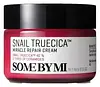 Key Ingredients
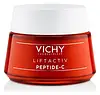
Benefits
Concerns
Ingredients Side-by-side
Water
Skin ConditioningSnail Secretion Filtrate 40%
Skin Conditioning





Propanediol
Solvent
Dicaprylyl Carbonate
EmollientPolyglyceryl-3 Methylglucose Distearate
Emulsifying
Niacinamide
Smoothing







1,2-Hexanediol
Skin Conditioning
Melaleuca Alternifolia Leaf Extract
Perfuming
Centella Asiatica Extract
Cleansing
Butylene Glycol
Humectant
Cyclomethicone
Emollient
Cetearyl Alcohol
Emollient



Squalene
Emollient
Glyceryl Stearate
Emollient
Carbomer
Emulsion StabilisingTromethamine
BufferingCitrus Aurantium Bergamia Fruit Oil
Masking

Sodium Polyacrylate
Absorbent
Madecassoside
Antioxidant
Ethylhexylglycerin
Skin ConditioningArtemisia Princeps Leaf Extract
Skin ConditioningHydrolyzed Collagen
Emollient
Glycerin
Humectant
Adenosine
Skin Conditioning
Disodium EDTA
Salvia Officinalis Oil
Masking
Tocopherol
Antioxidant
Hydrolyzed Vegetable Protein
Skin ConditioningHydrogenated Lecithin
Emulsifying
Asiaticoside
Antioxidant
Madecassic Acid
Skin Conditioning
Asiatic Acid
Skin Conditioning
Stearic Acid
Cleansing
Ceramide NP
Skin Conditioning
Ceramide Ns
Skin Conditioning
Phytosphingosine
Skin Conditioning
Cholesterol
Emollient
Ceramide As
Skin Conditioning
Ceramide AP
Skin Conditioning
Ceramide EOP
Skin Conditioning
Limonene
Perfuming



Linalool
Perfuming
Water, Snail Secretion Filtrate 40%, Propanediol, Dicaprylyl Carbonate, Polyglyceryl-3 Methylglucose Distearate, Niacinamide, 1,2-Hexanediol, Melaleuca Alternifolia Leaf Extract, Centella Asiatica Extract, Butylene Glycol, Cyclomethicone, Cetearyl Alcohol, Squalene, Glyceryl Stearate, Carbomer, Tromethamine, Citrus Aurantium Bergamia Fruit Oil, Sodium Polyacrylate, Madecassoside, Ethylhexylglycerin, Artemisia Princeps Leaf Extract, Hydrolyzed Collagen, Glycerin, Adenosine, Disodium EDTA, Salvia Officinalis Oil, Tocopherol, Hydrolyzed Vegetable Protein, Hydrogenated Lecithin, Asiaticoside, Madecassic Acid, Asiatic Acid, Stearic Acid, Ceramide NP, Ceramide Ns, Phytosphingosine, Cholesterol, Ceramide As, Ceramide AP, Ceramide EOP, Limonene, Linalool
Water
Skin ConditioningGlycerin
Humectant
Dimethicone
Emollient
Isohexadecane
EmollientAlcohol Denat.
Antimicrobial

Silica
Abrasive
Hydroxyethylpiperazine Ethane Sulfonic Acid
BufferingPropanediol
Solvent
Synthetic Wax
Abrasive
PEG-10 Dimethicone
Skin Conditioning
Eperua Falcata Bark Extract
Skin ProtectingPEG-30 Dipolyhydroxystearate
Emulsifying
Stearyl Alcohol
Emollient
Sorbitan Oleate
Emulsifying
Dimethicone/PEG-10/15 Crosspolymer
Dimethicone/Polyglycerin-3 Crosspolymer
Cleansing
Ceteareth-6
EmulsifyingSodium Acrylates Copolymer
Sodium Citrate
BufferingSodium Hydroxide
BufferingSodium Phytate
Cyclodextrin
AbsorbentAdenosine
Skin Conditioning
Ascorbyl Glucoside
Antioxidant
Nylon-12

Isopropyl Alcohol
Solvent
Propylene Carbonate
SolventDipropylene Glycol
HumectantCaprylic/Capric Triglyceride
Masking
Caprylyl Glycol
Emollient
Acetyl Tetrapeptide-9
Skin Conditioning
Synthetic Fluorphlogopite
Disteardimonium Hectorite
StabilisingDextrin
AbsorbentPisum Sativum Extract
Skin ConditioningTocopherol
Antioxidant
Phenoxyethanol
Preservative
CI 15985
Cosmetic ColorantCI 77891
Cosmetic ColorantParfum
Masking
Water, Glycerin, Dimethicone, Isohexadecane, Alcohol Denat., Silica, Hydroxyethylpiperazine Ethane Sulfonic Acid, Propanediol, Synthetic Wax, PEG-10 Dimethicone, Eperua Falcata Bark Extract, PEG-30 Dipolyhydroxystearate, Stearyl Alcohol, Sorbitan Oleate, Dimethicone/PEG-10/15 Crosspolymer, Dimethicone/Polyglycerin-3 Crosspolymer, Ceteareth-6, Sodium Acrylates Copolymer, Sodium Citrate, Sodium Hydroxide, Sodium Phytate, Cyclodextrin, Adenosine, Ascorbyl Glucoside, Nylon-12, Isopropyl Alcohol, Propylene Carbonate, Dipropylene Glycol, Caprylic/Capric Triglyceride, Caprylyl Glycol, Acetyl Tetrapeptide-9, Synthetic Fluorphlogopite, Disteardimonium Hectorite, Dextrin, Pisum Sativum Extract, Tocopherol, Phenoxyethanol, CI 15985, CI 77891, Parfum
Reviews
Ingredients Explained
These ingredients are found in both products.
Ingredients higher up in an ingredient list are typically present in a larger amount.
Adenosine is in every living organism. It is one of four components in nucleic acids that helps store our DNA.
Adenosine has many benefits when used. These benefits include hydrating the skin, smoothing skin, and reducing wrinkles. Once applied, adenosine increases collagen production. It also helps with improving firmness and tissue repair.
Studies have found adenosine may also help with wound healing.
In skincare products, Adenosine is usually derived from yeast.
Learn more about AdenosineGlycerin (or glycerol) is a compound naturally found in your skin. It's a powerhouse humectant that pulls water into the stratum corneum.
Topically, glycerin does several things at once:
Your skin makes glycerin on its own (mostly from sebaceous oil breakdown) and shuttles it to your outermost layer of skin, or your epidermis, via aquaporin-3.
Aquaporin-3 is a transporter that is essential for normal skin hydration, elasticity, and repair. Interestingly, mice lacking in AQP3 have dry and less elastic skin that can be fully corrected with glycerin.
This ingredient is non-irritating, plays well with almost every ingredient, and works across all skin types. Typical use is anywhere between 3-10% but can go up to 79% in some leave-on products.
Just know very high concentrations (>40%) can feel tacky in low humidity.
Glycerin is the name for this ingredient in American English. British English uses Glycerol/Glycerine.
Learn more about GlycerinPropanediol is an all-star ingredient. It softens, hydrates, and smooths the skin.
It’s often used to:
Propanediol is not likely to cause sensitivity and considered safe to use. It is derived from corn or petroleum with a clear color and no scent.
Learn more about PropanediolTocopherol is a fat-soluble antioxidant known as Vitamin E.
You'll find this ingredient in the vast majority of skincare (for good reason). It works to neutralize free radicals, or unstable molecules generated by UV exposure, pollution, and other environmental stressors, before they can cause oxidative damage to your skin cells.
Topically applied tocopherol has been shown to protect against UV damage by ramping up the skin's own natural defense enzymes.
It also acts as a skin conditioning agent; some studies show that regular topical use can improve the skin's water-binding capacity over 2-4 weeks.
This ingredient is especially loved for being a team player. When combined with Vitamin C, the photoprotective effect of both ingredients roughly doubles and the combo also helps reduce UV-induced DNA damage.
This ingredient has some brightening potential but it's more of a prevention ingredient than spot-fader. Cell studies show it can slow down melanin production but it's worth noting that it's not the most powerful brightener out there.
In formulations, it also serves as a stabilizer that helps protect other oxidation-prone ingredients from degrading.
Concentrations usually range from 0.1-1% in most leave-on products.
Learn more about TocopherolWater. It's the most common cosmetic ingredient of all. You'll usually see it at the top of ingredient lists, meaning that it makes up the largest part of the product.
So why is it so popular? Water most often acts as a solvent - this means that it helps dissolve other ingredients into the formulation.
You'll also recognize water as that liquid we all need to stay alive. If you see this, drink a glass of water. Remember to stay hydrated!
Learn more about Water
