
What's inside
What's inside
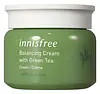 Key Ingredients
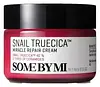
Benefits
Concerns
Ingredients Side-by-side
Water
Skin ConditioningMethyl Trimethicone
Skin Conditioning
Propanediol
Solvent

Glycerin
Humectant
Cetyl Ethylhexanoate
EmollientPentaerythrityl Tetraethylhexanoate
Emollient
Hydrogenated Poly(C6-14 Olefin)
Emollient1,2-Hexanediol
Skin Conditioning
C14-22 Alcohols
Emulsion Stabilising
Arachidyl Alcohol
Emollient
Stearic Acid
Cleansing

Glyceryl Stearate
Emollient
Butyrospermum Parkii Butter
Skin Conditioning
Betaine
Humectant
Glyceryl Stearate Citrate
Emollient
Palmitic Acid
Emollient
Behenyl Alcohol
Emollient
Hydroxyethyl Acrylate/Sodium Acryloyldimethyl Taurate Copolymer
Emulsion StabilisingC12-20 Alkyl Glucoside
EmulsifyingArachidyl Glucoside
EmulsifyingParfum
Masking



Acrylates/C10-30 Alkyl Acrylate Crosspolymer
Emulsion StabilisingGlyceryl Caprylate
EmollientTromethamine
BufferingDisodium EDTA
Ethylhexylglycerin
Skin ConditioningCamellia Sinensis Leaf Extract
Antimicrobial





Sorbitan Isostearate
Emulsifying
Myristic Acid
Cleansing
Lauric Acid
Cleansing
Water, Methyl Trimethicone, Propanediol, Glycerin, Cetyl Ethylhexanoate, Pentaerythrityl Tetraethylhexanoate, Hydrogenated Poly(C6-14 Olefin), 1,2-Hexanediol, C14-22 Alcohols, Arachidyl Alcohol, Stearic Acid, Glyceryl Stearate, Butyrospermum Parkii Butter, Betaine, Glyceryl Stearate Citrate, Palmitic Acid, Behenyl Alcohol, Hydroxyethyl Acrylate/Sodium Acryloyldimethyl Taurate Copolymer, C12-20 Alkyl Glucoside, Arachidyl Glucoside, Parfum, Acrylates/C10-30 Alkyl Acrylate Crosspolymer, Glyceryl Caprylate, Tromethamine, Disodium EDTA, Ethylhexylglycerin, Camellia Sinensis Leaf Extract, Sorbitan Isostearate, Myristic Acid, Lauric Acid
Water
Skin ConditioningSnail Secretion Filtrate 40%
Skin Conditioning
Propanediol
Solvent
Dicaprylyl Carbonate
EmollientPolyglyceryl-3 Methylglucose Distearate
Emulsifying
Niacinamide
Smoothing



1,2-Hexanediol
Skin Conditioning
Melaleuca Alternifolia Leaf Extract
Perfuming
Centella Asiatica Extract
Cleansing
Butylene Glycol
Humectant
Cyclomethicone
Emollient
Cetearyl Alcohol
Emollient
Squalene
Emollient
Glyceryl Stearate
Emollient
Carbomer
Emulsion StabilisingTromethamine
BufferingCitrus Aurantium Bergamia Fruit Oil
Masking

Sodium Polyacrylate
Absorbent
Madecassoside
Antioxidant
Ethylhexylglycerin
Skin ConditioningArtemisia Princeps Leaf Extract
Skin ConditioningHydrolyzed Collagen
Emollient
Glycerin
Humectant
Adenosine
Skin Conditioning
Disodium EDTA
Salvia Officinalis Oil
Masking
Tocopherol
Antioxidant
Hydrolyzed Vegetable Protein
Skin ConditioningHydrogenated Lecithin
Emulsifying
Asiaticoside
Antioxidant
Madecassic Acid
Skin Conditioning
Asiatic Acid
Skin Conditioning
Stearic Acid
Cleansing
Ceramide NP
Skin Conditioning
Ceramide Ns
Skin Conditioning
Phytosphingosine
Skin Conditioning
Cholesterol
Emollient
Ceramide As
Skin Conditioning
Ceramide AP
Skin Conditioning
Ceramide EOP
Skin Conditioning
Limonene
Perfuming

Linalool
Perfuming
Water, Snail Secretion Filtrate 40%, Propanediol, Dicaprylyl Carbonate, Polyglyceryl-3 Methylglucose Distearate, Niacinamide, 1,2-Hexanediol, Melaleuca Alternifolia Leaf Extract, Centella Asiatica Extract, Butylene Glycol, Cyclomethicone, Cetearyl Alcohol, Squalene, Glyceryl Stearate, Carbomer, Tromethamine, Citrus Aurantium Bergamia Fruit Oil, Sodium Polyacrylate, Madecassoside, Ethylhexylglycerin, Artemisia Princeps Leaf Extract, Hydrolyzed Collagen, Glycerin, Adenosine, Disodium EDTA, Salvia Officinalis Oil, Tocopherol, Hydrolyzed Vegetable Protein, Hydrogenated Lecithin, Asiaticoside, Madecassic Acid, Asiatic Acid, Stearic Acid, Ceramide NP, Ceramide Ns, Phytosphingosine, Cholesterol, Ceramide As, Ceramide AP, Ceramide EOP, Limonene, Linalool
Reviews
Ingredients Explained
These ingredients are found in both products.
Ingredients higher up in an ingredient list are typically present in a larger amount.
1,2-Hexanediol is a synthetic liquid and another multi-functional powerhouse.
It is a:
- Humectant, drawing moisture into the skin
- Emollient, helping to soften skin
- Solvent, dispersing and stabilizing formulas
- Preservative booster, enhancing the antimicrobial activity of other preservatives
Disodium EDTA is a chelating agent. It grabs onto and deactivates metal ions that sneak into your products from water, packaging, or air.
This ingredient mainly works behind the scenes and helps with:
On top of that, this ingredient can counteract the effects of hard water by binding to the minerals in it.
One thing worth knowing is that Disodium EDTA has been shown to be a mild penetration enhancer. It can help other ingredients absorb into skin more effectively which can be a double-edged sword (great for actives, but can also make the active too strong if you have sensitive skin).
Clinical patch testing showed no significant skin irritation at typical use concentrations and minimal dermal absorption.
You'll most likely see this ingredient near the end of an ingredient list. It's typically found in concentrations less than 1%.
Learn more about Disodium EDTAEthylhexylglycerin is created from glycerin. It is a multitasker ingredient that:
The CIR Expert Panel found minimal skin absorption or sensitization of any kind in a safety assessment. Though this ingredient is considered well-tolerated, a small number of cases of allergic dermatitis have been published since 2002. Just be sure to patch test if you are unsure.
Industry-reported use ranges from 8% in rinse-off products and 2% in leave-on formulations.
Learn more about EthylhexylglycerinGlycerin (or glycerol) is a compound naturally found in your skin. It's a powerhouse humectant that pulls water into the stratum corneum.
Topically, glycerin does several things at once:
Your skin makes glycerin on its own (mostly from sebaceous oil breakdown) and shuttles it to your outermost layer of skin, or your epidermis, via aquaporin-3.
Aquaporin-3 is a transporter that is essential for normal skin hydration, elasticity, and repair. Interestingly, mice lacking in AQP3 have dry and less elastic skin that can be fully corrected with glycerin.
This ingredient is non-irritating, plays well with almost every ingredient, and works across all skin types. Typical use is anywhere between 3-10% but can go up to 79% in some leave-on products.
Just know very high concentrations (>40%) can feel tacky in low humidity.
Glycerin is the name for this ingredient in American English. British English uses Glycerol/Glycerine.
Learn more about GlycerinGlyceryl Stearate is made by reacting glycerin with stearic acid (typically sourced from plant oils like palm or coconut). It's an emulsifier, emollient, and mild occlusive.
Emulsifiers help ingredients like oil and water stay mixed so your formula stays nicely blended and uniform in texture.
This ingredient is typically used in concentrations between 1-10%. Studies have found it to be non-sensitizing, non-phototoxic, and non-photoallergenic.
A close cousin of this ingredient is Glyceryl Stearate SE ("self-emulsifying"). This just has a small amount of sodium or potassium stearate added so it can emulsify without a co-emulsifier.
Since this ingredient is an ester of a C18 fatty acid, it may not be fungal acne safe. The Malassezia yeast can potentially metabolize within the C11-C24 range.
Fun fact: The human body also creates Glyceryl Stearate naturally.
Learn more about Glyceryl StearatePropanediol is an all-star ingredient. It softens, hydrates, and smooths the skin.
It’s often used to:
Propanediol is not likely to cause sensitivity and considered safe to use. It is derived from corn or petroleum with a clear color and no scent.
Learn more about PropanediolStearic Acid is a fatty acid that is already found in your skin. It's one of the free fatty acids that works alongside ceramides and cholesterols to maintain your barrier.
In cosmetics, it is a multitasker:
Safety-wise, the CIR Expert Panel has concluded it to be safe in cosmetics when formulated to be non-irritating and non-sensitizing.
Free stearic acid is a C18 fatty acid that the Malassezia yeast can substrate, so this ingredient may not be fungal acne safe.
Learn more about Stearic AcidTromethamine helps balance the pH and improve the texture of a product. It is synthetically created.
As an emulsifier, Tromethamine prevents oil and water ingredients from separating. This helps stabilize the product and elongate a product's shelf life. Tromethamine also makes a product thicker.
Tromethamine helps balance the pH level of a product. Normal pH level of skin is slightly acidic (~4.75-5.5). The acidity of our skin is maintained by our glands and skin biome. Being slightly acidic allows our skin to create an "acid mantle". This acid mantle is a thin barrier that protects our skin from bacteria and contaminants.
Oral Tromethanmine is an anti-inflammatory drug but plays the role of masking, adding fragrance, and/or balancing pH in skincare.
1,3-Propanediol, 2-amino-2-(hydroxymethyl)-
Learn more about TromethamineWater. It's the most common cosmetic ingredient of all. You'll usually see it at the top of ingredient lists, meaning that it makes up the largest part of the product.
So why is it so popular? Water most often acts as a solvent - this means that it helps dissolve other ingredients into the formulation.
You'll also recognize water as that liquid we all need to stay alive. If you see this, drink a glass of water. Remember to stay hydrated!
Learn more about Water
